
Voice Caddie · Launch Monitors Review
Voice Caddie Swing Caddie SC4 Launch Monitor Review
The original standalone SC4: real numbers, no phone, now a closeout play
Very Good
Tour Issue Score 8.2 · Ranked #12 of 12 in Launch Monitors
Best for: Range-focused golfers who want accurate carry and speed numbers on a built-in display with no phone and no subscription, ideally at a closeout price
The Bottom Line
The original standalone SC4: real numbers, no phone, now a closeout play. The Voice Caddie Swing Caddie SC4 Launch Monitor scores 8.2 out of 10 in our research-based review, a very good mark that puts it at #12 of 12 Launch Monitors in our rankings. Its strongest fit: Range-focused golfers who want accurate carry and speed numbers on a built-in display with no phone and no subscription, ideally at a closeout price.
Full Review
The Short Version
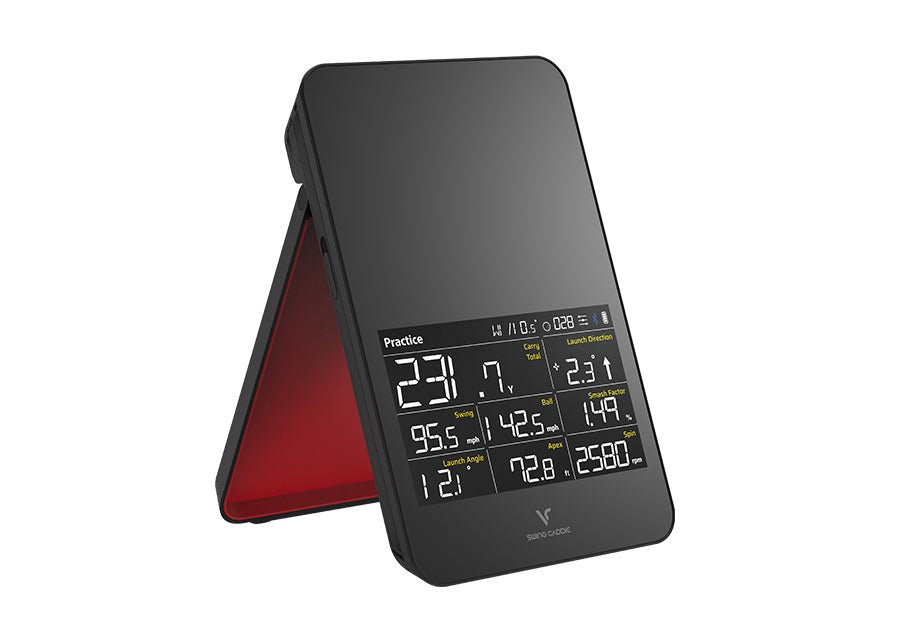
The Voice Caddie Swing Caddie SC4 is the original version of the launch monitor that the SC4 Pro later replaced. It is a Doppler radar unit that sits about 5 feet behind the ball and reports eight metrics on a built-in display: carry and total distance, swing speed, ball speed, smash factor, apex, launch angle, launch direction, and spin rate. There is no phone requirement for basic use, voice output calls out your numbers, a magnetic remote changes clubs and settings, and the MySwingCaddie app plus optional E6 Connect compatibility open the door to simulator play. It launched at $549.99, and remaining stock now sells for less, which is the only reason to consider it over the Pro.
Performance
The hardware story is solid. The K band 24 GHz Doppler radar measures the speed-based numbers well: published reviews, including Golf Monthly's testing summarized across launch monitor roundups, found carry distance and ball speed within roughly 2 to 3 percent of premium camera-based units. That is plenty of accuracy for gapping a bag or tracking swing speed progress. The honest limitation is spin. Like the Garmin Approach R10 and every radar unit at this price, the SC4 estimates spin from radar data rather than measuring it directly, so spin rate should be treated as a trend number, not a fitting number. There is no club path, face angle, or attack angle data at all, and short game work below its 15 yard minimum carry is outside its range.
Forgiveness
Forgiveness in a launch monitor is how much setup and workflow friction it removes, and that is the SC4's best trait. The built-in 4.8 inch display and voice output mean a range session needs nothing else: set it down, pick a club with the remote, and swing. The rechargeable battery is rated for about 10 hours, so it covers a week of practice sessions. Indoors it needs roughly 5 feet behind the ball and about 10 feet of ball flight to a net or screen, which is workable in a garage but rules out small rooms. The weak point reviewers kept returning to was the original MySwingCaddie app, which was widely described as unintuitive and a step behind the Garmin and Rapsodo apps, and that gap is part of why Voice Caddie replaced the whole package with the SC4 Pro and its VoiceCaddie S app.
Feel and Sound
Feel here is build and interface. The unit measures 4.88 by 7.59 by 1.14 inches and weighs about 15.4 ounces, light enough to live in a bag pocket, with a kickstand back and a clear, readable display in outdoor light. Voice output is genuinely useful, and it can be turned down or off when the range is crowded. The remote's magnetic snap into the unit is a small detail that owners praise because it stops the remote getting lost. Nothing about the hardware feels cheap; it feels dated only next to the Pro's expanded metric set on identical hardware.
Value
Value is where the original SC4 needs care. At its $549.99 launch price it made sense in 2023. Today the SC4 Pro, built on the same radar hardware with a ProMetrics engine that adds spin axis, side spin, back spin, and dispersion, plus a better app, lists at $599.99 and is frequently discounted to $499. Paying near full price for the original leaves you with fewer metrics and the weaker app for a small saving. The original only wins on value at a clear discount, roughly the sub $400 pricing that closeout and reader deals have shown, where its accurate core numbers and standalone display undercut everything else with a screen.
Who Should Buy It
Buy the original SC4 if you find it meaningfully discounted, you practice mostly outdoors, and you want carry, speed, and launch numbers with no phone in your hand and no subscription. Skip it if you are building a serious home simulator, want dispersion and spin breakdowns, or care about app quality, because the SC4 Pro covers all three on the same hardware. Fitting-level spin and club delivery data require a camera-based unit at a much higher price.
Verdict
The SC4 got the fundamentals right: accurate distance and speed numbers, a real display, voice output, and a remote, in a unit that asks nothing of your phone. It is superseded rather than bad, and its score reflects a product whose replacement fixed its weakest parts, the app and the metric set. At a closeout price it is a smart buy; at launch price it is not. This is a research-based review synthesized from published reviews, independent test data, and manufacturer specifications; no personal testing was conducted.
What We Like
- Built-in 4.8 inch display and voice output show 8 metrics with no phone or app required
- Carry and ball speed accuracy within roughly 2 to 3 percent of premium camera units in published testing
- Magnetic remote, about 10 hour battery, and a compact 15.4 ounce body that lives in the bag
- Simulator path via the MySwingCaddie app and optional E6 Connect and OptiShot Orion compatibility
- No mandatory subscription for core range use
What to Consider
- Superseded by the SC4 Pro, which adds spin axis, side spin, back spin, and dispersion on the same hardware
- Spin rate is estimated from radar, not measured, so it is a trend number rather than fitting data
- The original MySwingCaddie app was widely criticized as unintuitive and behind Garmin and Rapsodo rivals
- No club path, face angle, or attack angle data, and shots under the 15 yard minimum carry are not measured
Specifications
| Battery | Rechargeable lithium-ion, rated about 10 hours |
|---|---|
| Display | Built-in 4.8 inch LCD with voice output and magnetic remote |
| Metrics | Carry and total distance, swing speed, ball speed, smash factor, apex, launch angle, launch direction, spin rate |
| Placement and Range | About 5 feet behind the ball, 15 to 370 yards carry |
| Sensor | K band 24 GHz Doppler radar |
Score Breakdown
Scores are research-based, drawn from manufacturer specs, tour adoption, and published independent test data. How we score
More Rangefinders Reviews
All Rangefinders →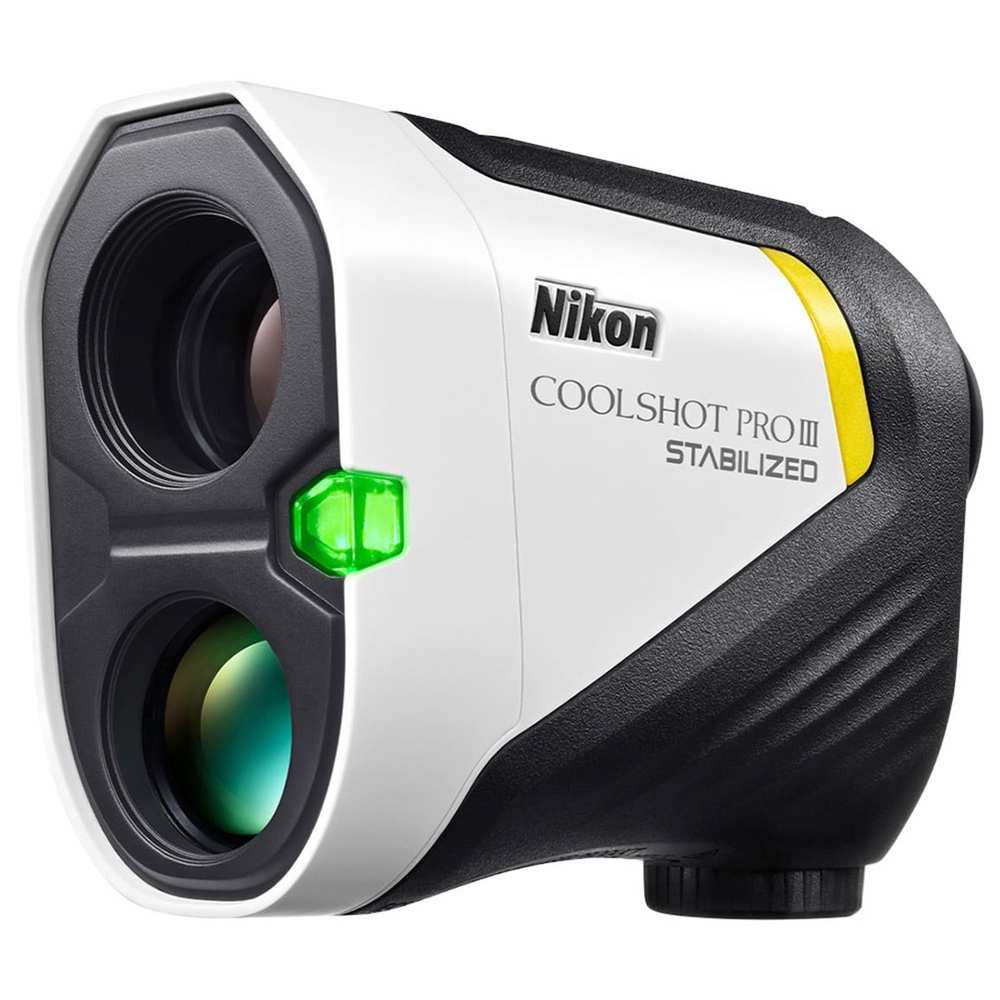
Nikon
Nikon COOLSHOT PROIII Stabilized Rangefinder
Voice Caddie
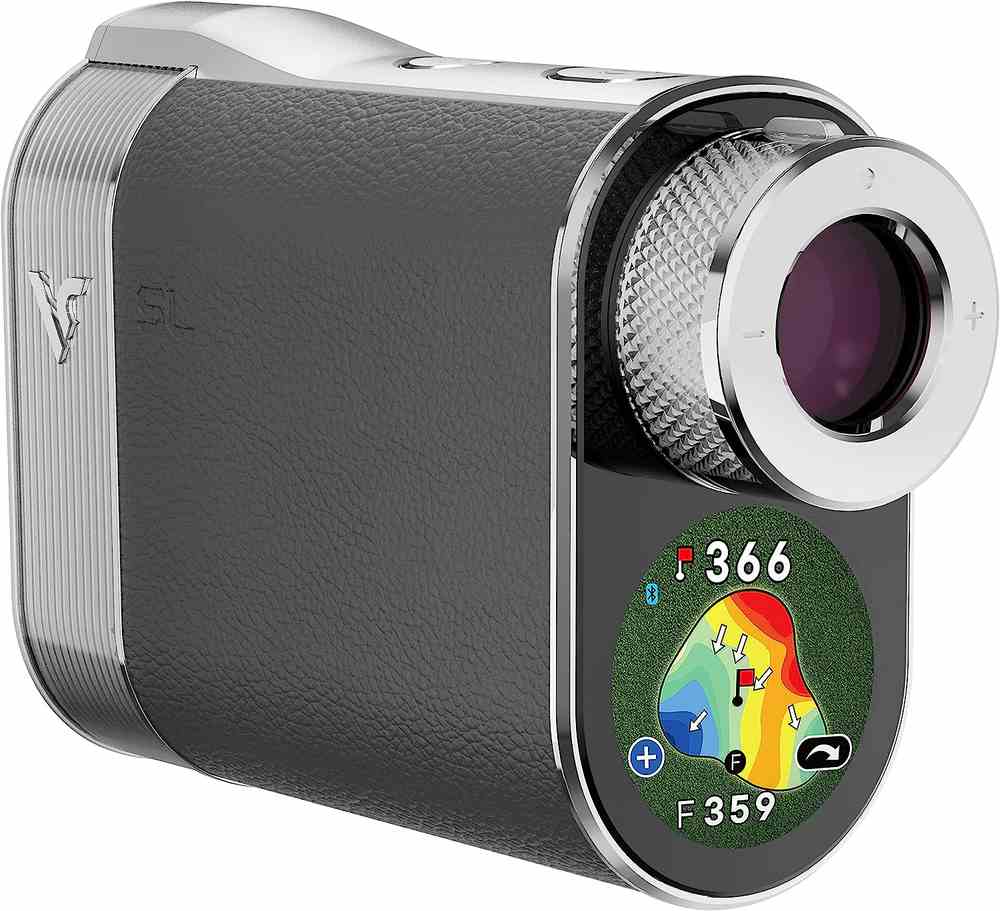
Voice Caddie SL3 Active Hybrid GPS Rangefinder
Bushnell
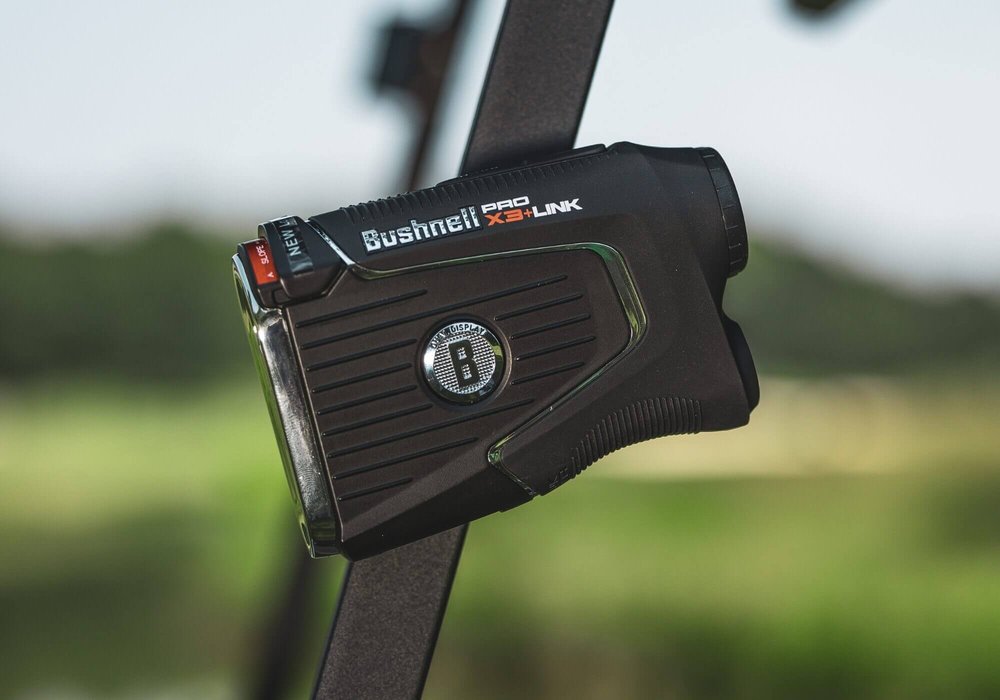
Bushnell Pro X3+LINK Rangefinder
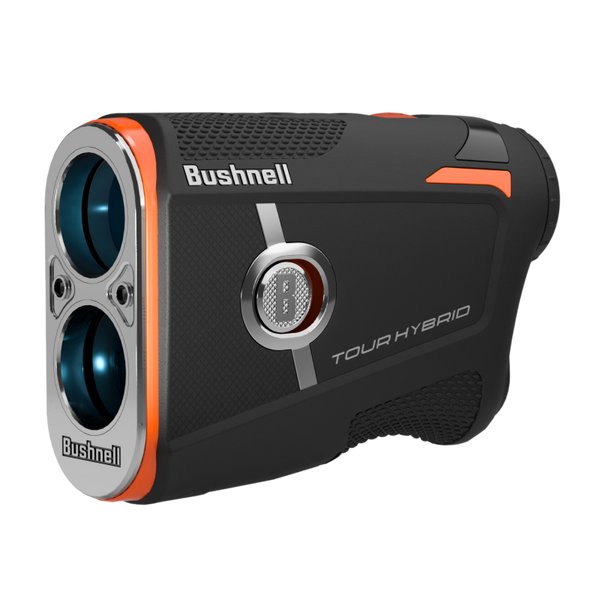
Bushnell
Bushnell Tour Hybrid Rangefinder
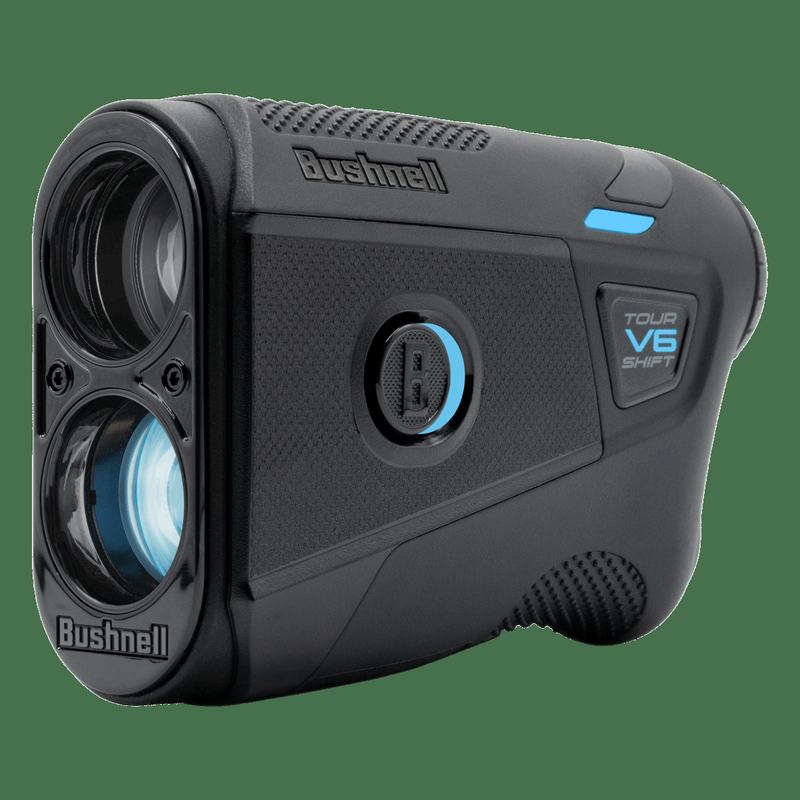
Bushnell
Bushnell Tour V6 Shift Rangefinder
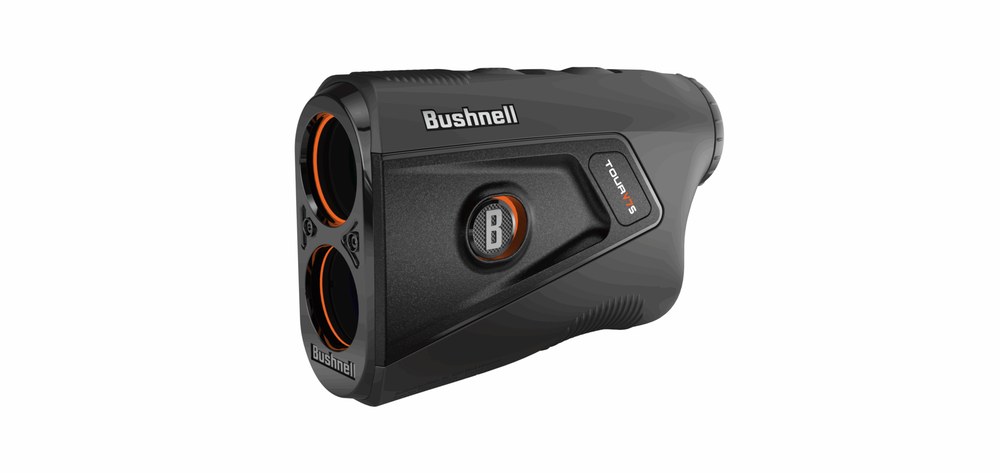
Bushnell
Bushnell Tour V7 Shift Patriot Pack Rangefinder
FlightScope
FlightScope Mevo Gen 2 Launch Monitor
Voice Caddie