
Bushnell · Launch Monitors Review
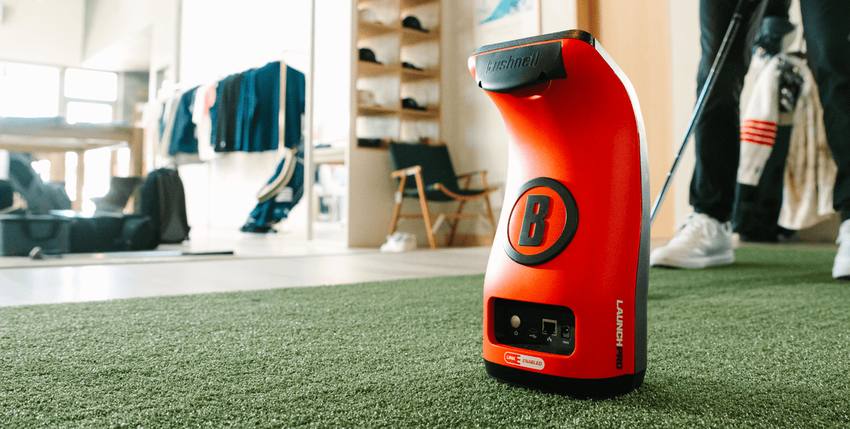
Bushnell Launch Pro Launch Monitor Review
GC3-class camera accuracy with a built-in screen, at a personal-monitor price
Excellent
Tour Issue Score 8.9 · Ranked #3 of 12 in Launch Monitors
Best for: Serious improvers, home-simulator builders and budget-minded fitters who want GC3-class ball data indoors and outdoors
The Bottom Line
GC3-class camera accuracy with a built-in screen, at a personal-monitor price. The Bushnell Launch Pro Launch Monitor scores 8.9 out of 10 in our research-based review, a excellent mark that puts it at #3 of 12 Launch Monitors in our rankings. Its strongest fit: Serious improvers, home-simulator builders and budget-minded fitters who want GC3-class ball data indoors and outdoors.
Full Review
The Short Version
The Bushnell Launch Pro is a camera-based launch monitor built on Foresight Sports' three-camera photometric technology, the same measurement approach as the Foresight GC3, packaged with a built-in touchscreen display, a battery for range use, and a lower entry price than Foresight's own hardware. The Amazon listing here is the Ball Data model: it reports carry distance, ball speed, launch angles, total spin, back and side spin, and spin axis out of the box, indoors or outdoors, with club data and full simulator software available through subscription. Independent reviewers consistently rank its accuracy at or near the top of the personal launch monitor class.
Performance
Accuracy is the product. Because the Launch Pro photographs the ball at impact with three high-speed infrared cameras rather than tracking it with radar, it needs almost no ball flight to produce a reading, which makes it unusually reliable indoors and in tight spaces, and its spin and start-line measurements are the reason fitters trust this hardware family. Published comparisons have repeatedly found its numbers matching a GC3 shot for shot, and reviewers describe carry and spin figures that hold up against outdoor rangefinder checks. Ball data is available standalone on the unit's display with no phone or PC required. With an active subscription, club data, club speed, path, angle of attack, and smash factor, measured with the included club markers, unlocks, along with FSX simulator play. The trade-off versus radar rivals is that it watches a small hitting zone beside the ball rather than the full flight, so it reports measured impact data and modeled carry rather than observing the ball to landing outdoors.
Forgiveness
In launch-monitor terms, forgiveness is how much setup and user error the device tolerates, and the Launch Pro is comparatively kind. It sits beside the ball at the hitting surface, auto-calibrates, and works in rooms where radar units that need many feet behind the ball simply cannot be used. The onboard screen removes the most common friction point in this category, pairing and app problems, for basic practice, since core numbers appear on the device itself. Setup is a matter of placing the unit, using the included alignment stick, and swinging. The less forgiving points are structural: full functionality requires a periodic internet connection in the United States (at least once every 45 days, per the manufacturer), simulator play requires a gaming PC that is not included, and the deepest data sits behind the subscription tiers rather than in the base price.
Feel and Sound
Feel here is build and interaction quality. At roughly five pounds with a 6 x 6.2 x 12-inch footprint, the Launch Pro feels like a serious instrument rather than a gadget: it stays planted on a mat or range turf, and the touchscreen display is large and readable enough that checking carry and spin between shots becomes part of the practice rhythm rather than an interruption. Battery life of roughly five to seven hours covers long range sessions, and connectivity spans Wi-Fi, USB-C, and Ethernet for stable simulator installations. There is no meaningful sound story, the unit is silent in operation, which, combined with the small required footprint, makes it well suited to garage and spare-room simulator builds where a radar unit's space demands rule it out.
Value
This is the Launch Pro's honest tension. The Ball Data hardware at $2,499 is dramatically cheaper than tour-level camera systems and matches the GC3 on the measurements most golfers use, yet the total cost of ownership climbs once the subscription for club data and FSX Play course play is added, and a capable gaming PC is a further, unavoidable expense for simulator use. Against radar rivals that include more data without a subscription, the Launch Pro counters with measurably better indoor spin and start-line accuracy, the numbers that decide fittings and gapping. For golfers who mainly want trusted ball data at the range and at home, the base package is coherent; for golfers who want full simulation, the subscription should be budgeted as part of the purchase price, not discovered afterward.
Who Should Buy It
Serious improvers who will act on spin, launch, and carry data; golfers building an indoor simulator in a space too small for radar; and players who split practice between the range and home, since the battery and display travel well. Coaches and fitters on a budget will also find the GC3-class ball data compelling. Casual golfers who only want approximate carry distances should buy a far cheaper radar unit, and golfers who refuse subscriptions on principle should compare the fully unlocked pricing of camera and radar rivals before committing.
Verdict
The Launch Pro remains the benchmark for trustworthy personal launch-monitor data: GC3-class camera accuracy, a genuinely portable indoor-outdoor design, and a clear, if subscription-based, path to club data and simulation. Its value depends entirely on buying it with open eyes about the software tiers, but on measurement quality alone it outperforms everything near its price. This is a research-based review synthesized from published reviews, independent test data, and manufacturer specifications; no personal testing was conducted.
What We Like
- Three-camera photometric system shared with the Foresight GC3 delivers accuracy reviewers rank at the top of the personal class
- Works indoors in tight spaces because it measures impact directly and needs almost no ball flight
- Built-in touchscreen display and 5-7 hour battery make standalone range practice simple, with no phone or PC required for ball data
- Ball data includes carry, ball speed, launch angles, total spin, back and side spin and spin axis; club data unlocks with a subscription
- FSX software compatibility provides a genuine simulator upgrade path on the same hardware
What to Consider
- Club data and full FSX simulator play require a paid software subscription on top of the hardware price
- Simulator use requires a gaming PC, screen or projector, mat and net, none of which are included
- Unit must connect to the internet in the United States at least once every 45 days to keep full functionality
- Camera hitting zone is small and fixed beside the ball, unlike radar units that track full flight outdoors
Specifications
| Ball Data | Carry distance, ball speed, vertical and horizontal launch angle, total spin, back spin, side spin, spin axis |
|---|---|
| Club Data | Club speed, club path, angle of attack and smash factor with active subscription (club markers included) |
| Connectivity and Power | Wi-Fi, USB-C and Ethernet; rechargeable battery rated at roughly 5-7 hours |
| Display | Built-in touchscreen LCD showing core ball data without a phone or PC |
| Tracking | Three high-speed infrared cameras (photometric, Foresight Sports technology); indoor and outdoor use |
Score Breakdown
Scores are research-based, drawn from manufacturer specs, tour adoption, and published independent test data. How we score
More Rangefinders Reviews
All Rangefinders →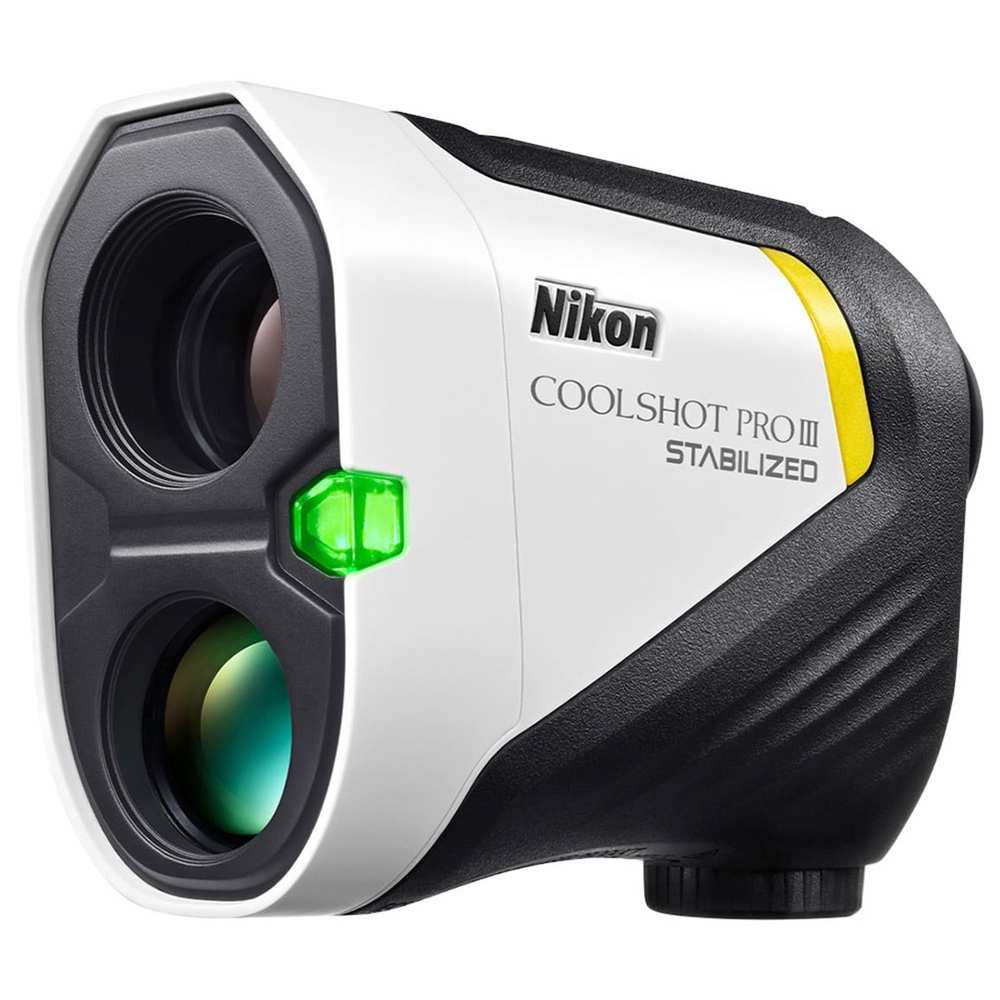
Nikon
Nikon COOLSHOT PROIII Stabilized Rangefinder
Voice Caddie
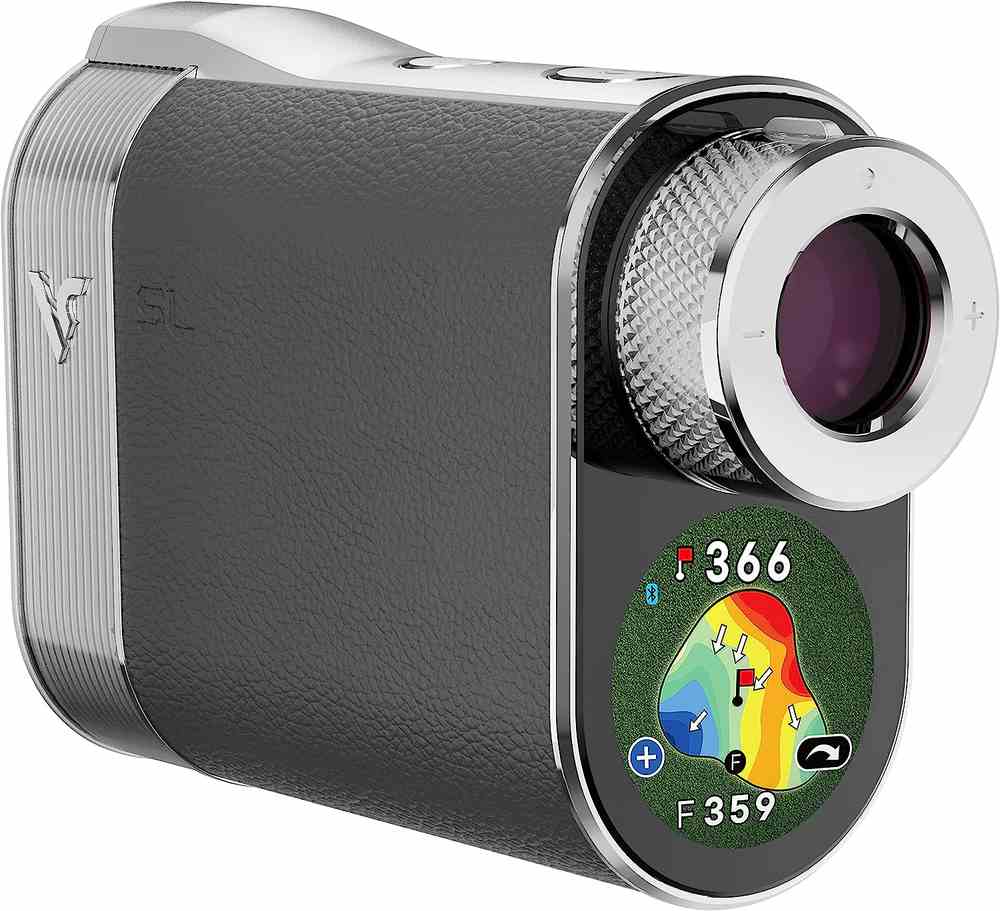
Voice Caddie SL3 Active Hybrid GPS Rangefinder
Bushnell
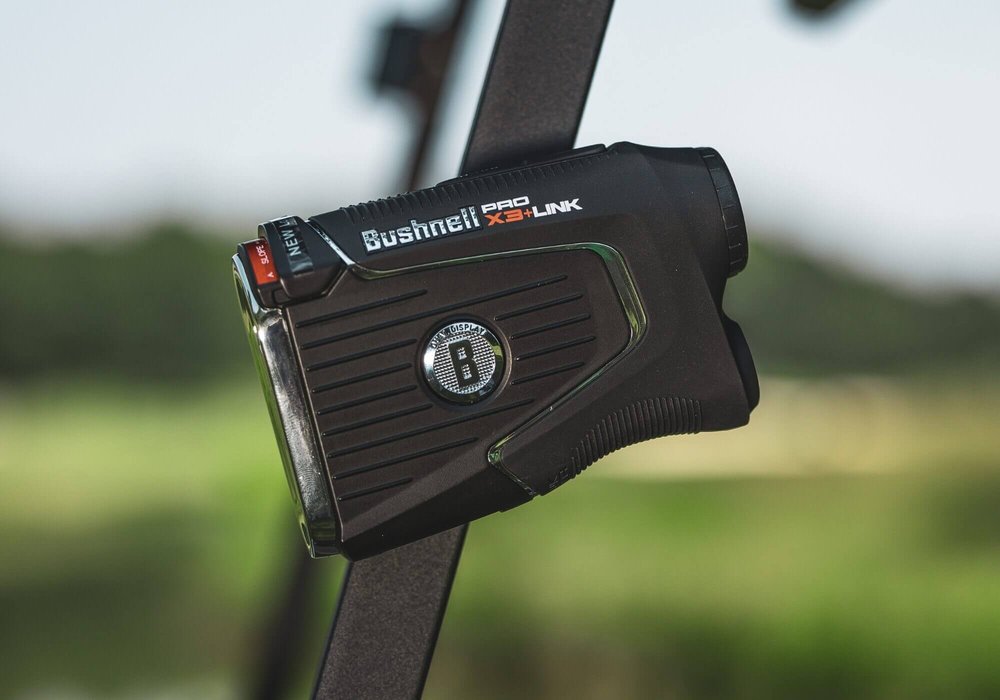
Bushnell Pro X3+LINK Rangefinder
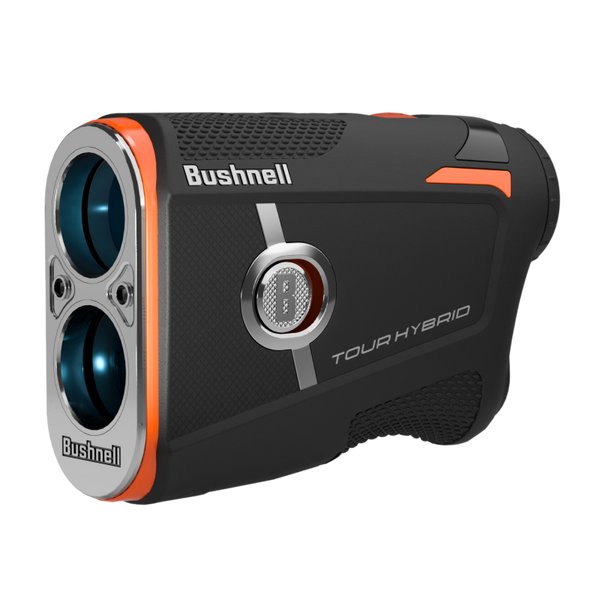
Bushnell
Bushnell Tour Hybrid Rangefinder
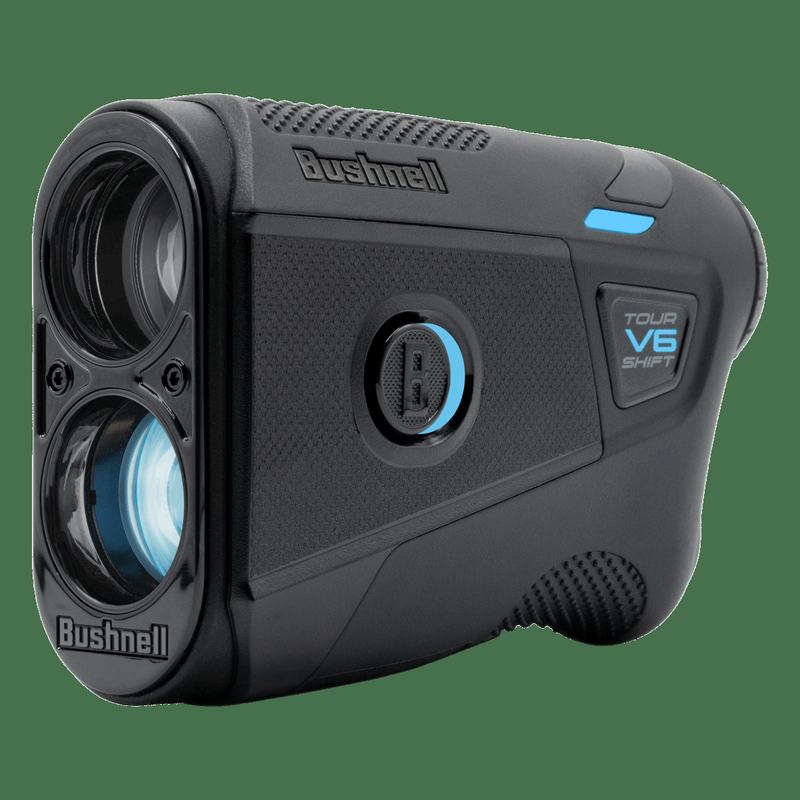
Bushnell
Bushnell Tour V6 Shift Rangefinder
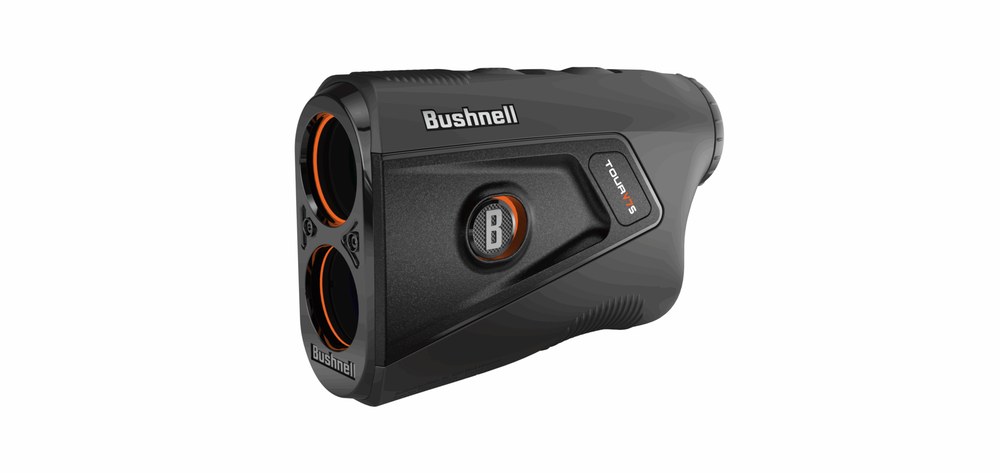
Bushnell
Bushnell Tour V7 Shift Patriot Pack Rangefinder
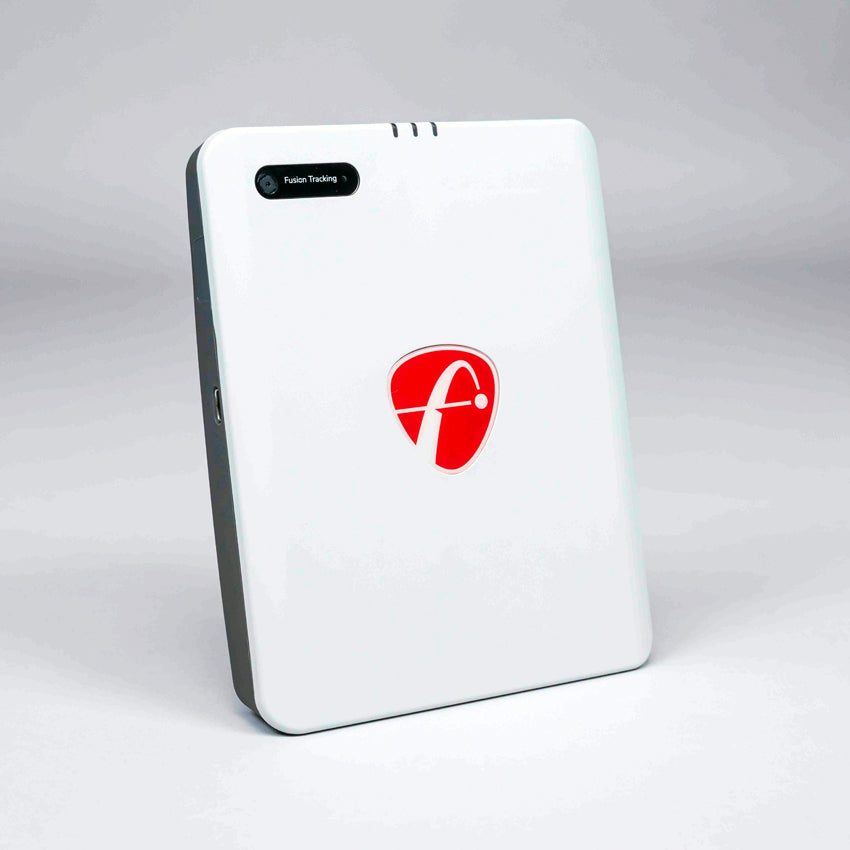
FlightScope
FlightScope Mevo Gen 2 Launch Monitor
Voice Caddie