
Uneekor · Launch Monitors Review
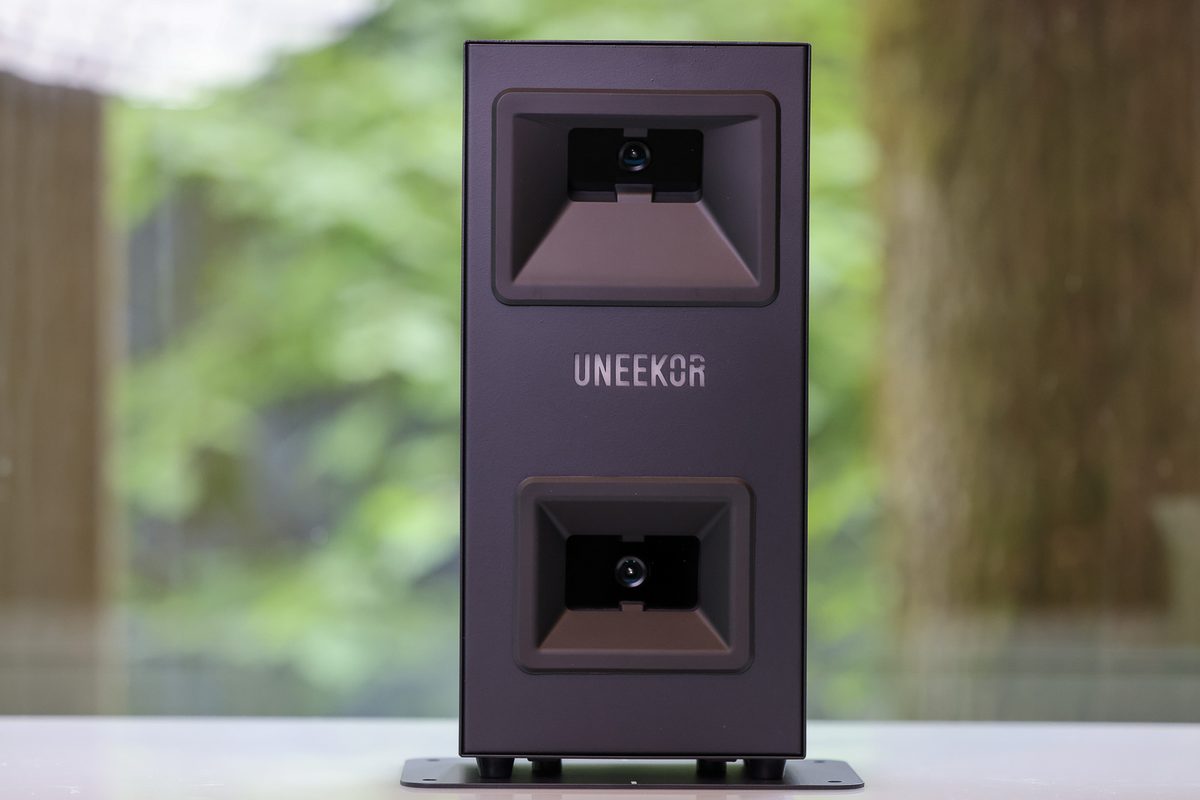
Uneekor EYE MINI Lite Launch Monitor Review
Full Uneekor camera data for a fixed indoor bay, without paying for portability
Excellent
Tour Issue Score 8.7 · Ranked #7 of 12 in Launch Monitors
Best for: Golfers building a fixed indoor simulator bay who want camera based accuracy and will never take the unit outdoors
The Bottom Line
Full Uneekor camera data for a fixed indoor bay, without paying for portability. The Uneekor EYE MINI Lite Launch Monitor scores 8.7 out of 10 in our research-based review, a excellent mark that puts it at #7 of 12 Launch Monitors in our rankings. Its strongest fit: Golfers building a fixed indoor simulator bay who want camera based accuracy and will never take the unit outdoors.
Full Review
The Short Version
The EYE MINI Lite is Uneekor stripping its EYE MINI down to the part a fixed simulator bay actually uses. The dual high speed cameras, Dimple Optix ball reading and 19 data points stay. The battery, the onboard screen, Wi-Fi and outdoor use go. Uneekor currently lists it at $1,699, which makes it the cheapest way into genuine camera based club and ball data in the Uneekor line, provided your launch monitor is never leaving one room.
Performance
Performance is the reason to buy it, and published testing is strong. Breaking Eighty ran the Lite beside a Trackman and reported spin numbers almost always within 200 rpm, often under 100 rpm, ball speed and club speed within 1 mph, and carry distances within 3 yards on irons and wedges, usually under 2 yards. Driver carry varied a little more, rarely beyond 3 to 5 yards, while total distance differed by algorithm, as it does between any two launch monitor brands. The measurement method helps explain the consistency: Dimple Optix reads the dimple pattern of any standard ball through impact instead of estimating flight from radar, so no marked balls are needed. Uneekor lists 15 ball data points and 4 club data points, covering club speed, club path, attack angle and smash factor, with Club Optix impact video on top.
Forgiveness
Forgiveness here means how much the unit tolerates an imperfect setup and an imperfect user. The hitting area is 12 by 8 inches, workable but not large, and reviewers note the zone can feel smaller than it looks. Breaking Eighty reported no missed shots in its testing, but did see occasional shots where club data failed to register even with stickers fitted, and its first attempt at setup took hours of troubleshooting before a software update fixed it, while two other owners it spoke to had no such trouble. The launcher and settings also feel more technical than rivals that simply pair with an iPad. Once it is installed and level in a permanent bay, that friction mostly disappears, which is the whole design bet.
Feel and Sound
A launch monitor has no strike feel, so this section is about feedback quality. Club Optix is the standout: high speed video of the club and ball through contact lets you see strike location and delivery instead of guessing why a number moved. The VIEW software drew particular praise from Breaking Eighty for being professional level and highly configurable, with shot grouping, club tagging and a shot tracer view. The unit itself is a heavy metal box at 8.4 pounds with recessed cameras, and Breaking Eighty reported balls bouncing back off the screen and hitting it without a scratch. Feedback is effectively instant, with Uneekor quoting 0.02 ms shot detection latency.
Value
At $1,699 the hardware case is excellent for camera data with club numbers included, and the free Player package covers VIEW practice and the full data set. The running costs need honest accounting, though. Third party simulator play requires the Pro membership at $199 per year, and GSPro adds its own $250 per year in Breaking Eighty's accounting, for $449 per year combined. That is still well below the equivalent Foresight route it compared against, but it is not free in the way FlightScope or Square handle third party connections. Add the capable Windows gaming PC the system requires, and the Lite is cheap hardware inside a not cheap room.
Who Should Buy It
Buy the EYE MINI Lite if you are building a dedicated indoor bay, you already have or will buy a suitable Windows PC, and measured club data matters more to you than portability. It suits practice focused golfers and home simulator players who will live in VIEW and GSPro. Skip it if you want range sessions, iPad convenience, putting analysis on the go, or a unit you can hand to a friend for the weekend. That buyer wants the standard EYE MINI and should pay the extra for it.
Verdict
The EYE MINI Lite earns its place by refusing to charge for portability its buyer will never use. The camera data holds up against far more expensive hardware in published testing, the impact video is genuinely useful, and the compromises are all visible before you buy: wired, indoor only, PC only, and a subscription gate for third party software. For a permanent bay, it is one of the clearest value picks in its class. This is a research-based review synthesized from published reviews, independent test data, and manufacturer specifications; no personal testing was conducted.
What We Like
- Same dual camera Dimple Optix tracking and 19 data points as the pricier EYE MINI, per Uneekor
- Breaking Eighty testing put spin within about 200 rpm of a Trackman, with ball and club speed within 1 mph
- Club Optix impact video shows strike and delivery on every shot, not just a numbers table
- Any standard ball works, with no marked balls required
- Free Player package covers VIEW practice, ball data and club data, and the current $1,699 price undercuts the EYE MINI by $300
What to Consider
- Indoor only, with no battery, no onboard screen and no Wi-Fi, so it cannot go to the range
- Windows PC only over wired Ethernet, with no phone or iPad path
- Third party simulator software needs the paid Pro membership at $199 per year, plus the software license itself
- Club data requires stickers, and Breaking Eighty noted occasional shots where club data did not register despite them
- Setup is more technical than rival units, and the 12 by 8 inch hitting area is not generous
Specifications
| Connection | Wired Ethernet to Windows PC only, no Wi-Fi |
|---|---|
| Data Points | 19 total, 15 ball and 4 club (club stickers required for club data) |
| Dimensions and Weight | 13.9 in H x 4.7 in W x 8.6 in L, 8.4 lb |
| Hitting Area | 12 in L x 8 in W |
| Power and Use | Mains power only, no battery, indoor use only, 1 year warranty |
| Sensor | Dual high speed infrared cameras with Dimple Optix ball reading and Club Optix impact video |
Score Breakdown
Scores are research-based, drawn from manufacturer specs, tour adoption, and published independent test data. How we score
More Rangefinders Reviews
All Rangefinders →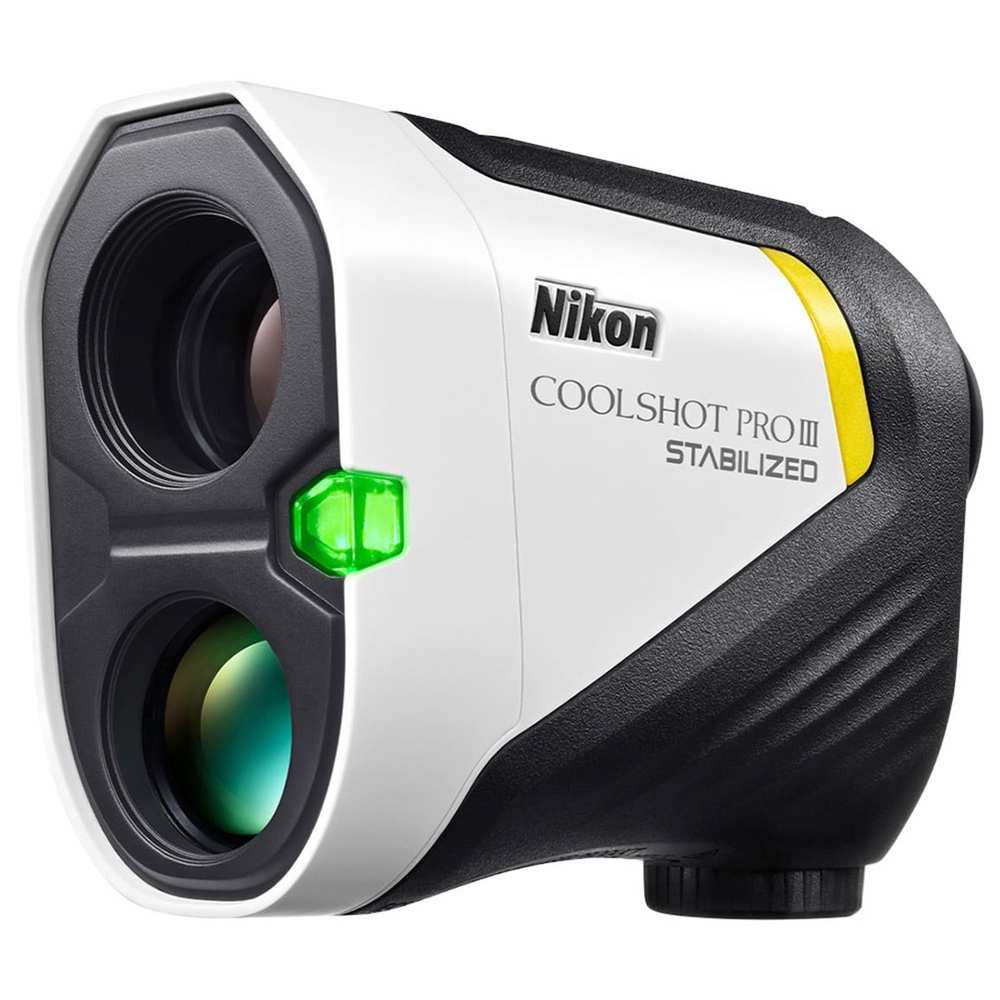
Nikon
Nikon COOLSHOT PROIII Stabilized Rangefinder
Voice Caddie
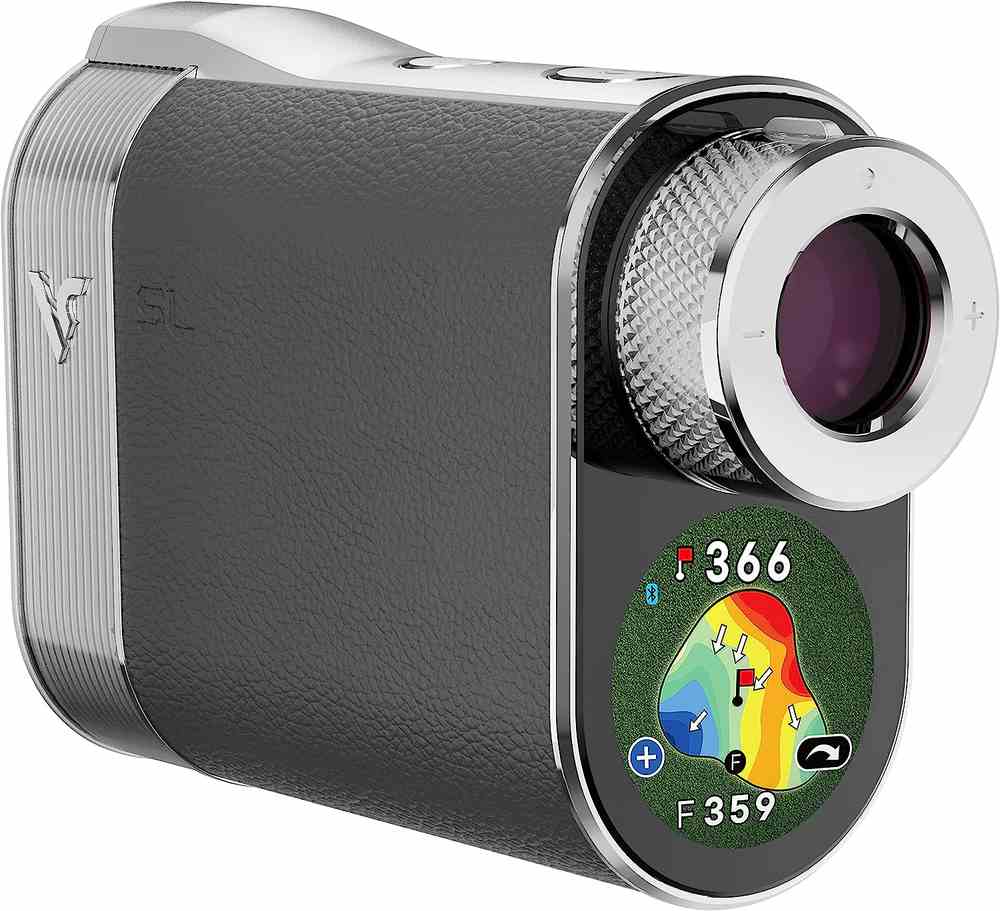
Voice Caddie SL3 Active Hybrid GPS Rangefinder
Bushnell
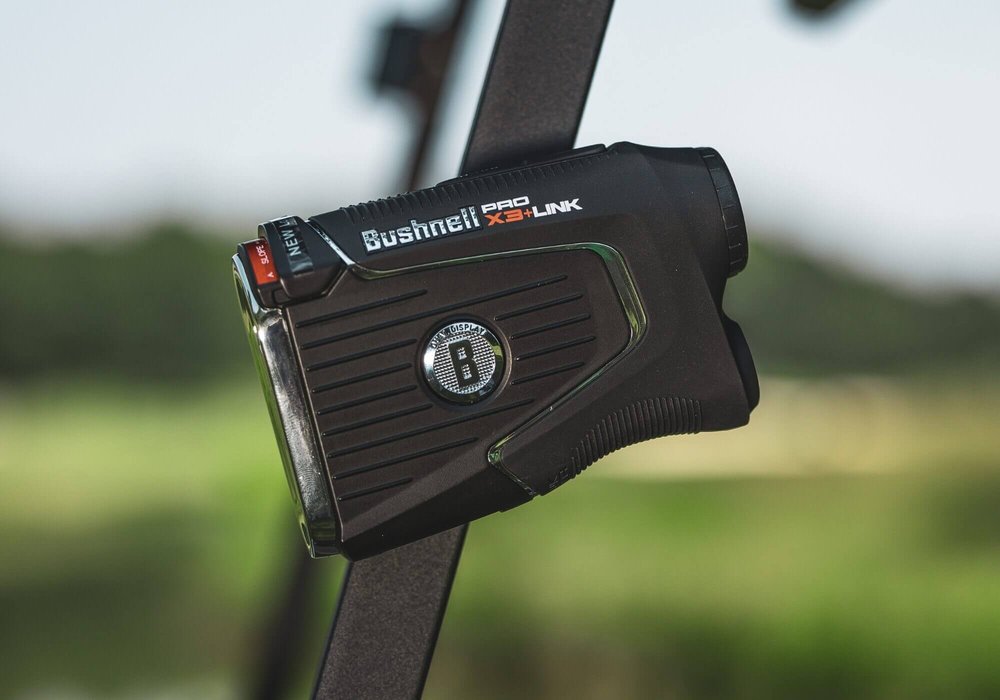
Bushnell Pro X3+LINK Rangefinder
Bushnell
Bushnell Tour Hybrid Rangefinder
Bushnell
Bushnell Tour V6 Shift Rangefinder
Bushnell
Bushnell Tour V7 Shift Patriot Pack Rangefinder
FlightScope
FlightScope Mevo Gen 2 Launch Monitor
Voice Caddie