
Medicus · Training Aids Review
Medicus Dual Hinged Driver Review
The original hinged trainer, now outpriced and outargued by its own record
Below Average
Tour Issue Score 6.4 · Ranked #17 of 18 in Training Aids
Best for: Golfers considering it should read the verdict first: only a narrow slice of patient, plane obsessed practice golfers, and most buyers are better served elsewhere
The Bottom Line
The original hinged trainer, now outpriced and outargued by its own record. The Medicus Dual Hinged Driver scores 6.4 out of 10 in our research-based review, a below average mark that puts it at #17 of 18 Training Aids in our rankings. Its strongest fit: Golfers considering it should read the verdict first: only a narrow slice of patient, plane obsessed practice golfers, and most buyers are better served elsewhere.
Full Review
The Short Version
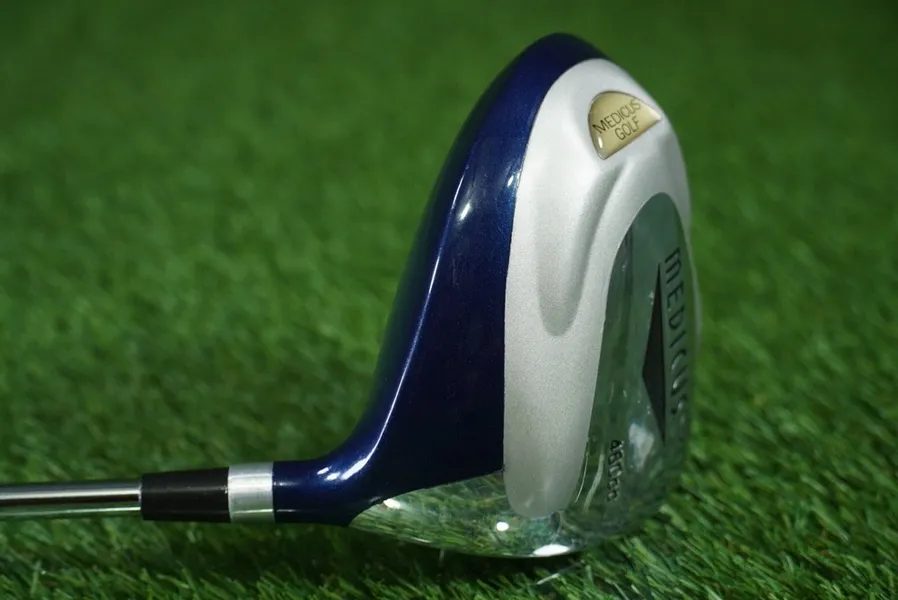
The Medicus Dual Hinged Driver is the original hinged swing trainer: a 460cc, 10.5 degree driver head on a shaft with two adjustable hinges that break when the swing leaves the plane or gets jerky. The idea is sound and the feedback is instant. The problem is everything around the idea in 2026: a driver price around $250 in recent pricing coverage, a 3.4 out of 5 aggregate from 68 user reviews on GolfReview, instructors in GolfWRX discussion calling it useless for most golfers, and repeated reports that golfers learn to fool the hinge instead of fixing the swing. This is our unfavorable pick in this batch, and the low score is earned by that record, not by the concept.
Performance
When it works, it works in one narrow way. Golf Training Daily, testing hinged trainers in November 2026, describes the dual hinge breaking in two places, in the shaft and near the hosel, catching an off plane backswing and an over the top downswing, and calls the Medicus the standard of the category it invented. There is also a genuine positive data point: Medicus quotes a TaylorMade Performance Lab session in which 20 golfers were measured, then measured again after 15 to 20 minutes with the Medicus driver, with three quarters gaining swing speed and improvements reported in path and face angle. That study was arranged by Medicus to validate its claims, was short, and had no control group, so it shows the drill can move numbers in a session, not that the change survives on the course. Against that, Golf Training Daily reports the transfer problem directly: players swing the Medicus smoothly, pick up their real driver, and the old over the top move creeps back.
Forgiveness
Forgiveness is where the divided reception lives. GolfWRX's long running discussion includes a teaching professional answering that the device is good for nothing, a commenter summing up the used market reality that there are a lot of them in garages, basements and landfills, and, most damaging, a specific mechanical objection repeated by several golfers: you can learn to manipulate your wrists so it does not flip and still have a faulty swing, and going slowly enough keeps it from hinging at all. One golfer wrote that he could not get the double hinged iron waist high without cheating or going at a snail pace. Defenders in the same thread argue it rewards moving the body as one piece, which is a fair description of the one swing model it teaches, and also the limit: it is built for a one plane pattern and punishes other functional patterns. A trainer that can be beaten by the fault it is meant to expose is not forgiving, it is negotiable.
Feel and Sound
Feel is a collapse. A good swing feels like a normal, if heavy, practice driver; a flawed one folds at the hinge with an unmistakable give in the hands, and that binary signal is the entire product. There is no ball flight diagnosis here in normal use, no data, and no way to tell whether a break came from takeaway, transition or release without outside help or video, a gap several user reviews work around with mirrors and lessons. Durability reports do the product no favors either: a GolfWRX poster described his as too rusty to be anything but heavy, and resale listings for used examples note rust on the hinge mechanism, the one part of this club that has to stay precise.
Value
Value is the weakest section. Golf Training Daily prices the 460cc driver at around $250 and the 5 iron at about $144, calls the iron a hinged rod with a grip rather than a real club, and concludes a $30 budget hinged option does about 80 percent of the job while an $80 rival feels more like a real driver. On this site, the Lag Shot 7 Iron Trainer costs $119, is a hittable real iron, and comes with a structured video series, so its feedback arrives through actual ball flight instead of a folding shaft. The Tour Striker Smart Ball, also in this catalog, attacks connection and arm structure for far less money. Against those alternatives, $250 for a dated, single fault drill club is hard to defend.
Who Should Buy It
Almost nobody should buy this new at full price, and that is the honest answer. The exception is a golfer who has already tried one under a coach's eye, knows the hinge exposes their specific takeaway or transition fault, and will actually swing it daily in short rehearsed sets, ideally bought used, where these are plentiful and cheap. Everyone else should avoid it: beginners, who cannot yet tell a good break from a bad one, golfers with a two plane or strongly wrist driven pattern, and anyone hoping a trainer replaces instruction. Start with the Lag Shot 7 Iron Trainer or the Tour Striker Smart Ball in this catalog instead.
Verdict
The Medicus Dual Hinged Driver is a historically important trainer selling at a modern premium price on a divided record: instant feedback for one fault, a hinge that can be gamed, weak transfer in published accounts, and a 3.4 out of 5 user aggregate. The concept deserves its place in training aid history. The purchase, at around $250 in 2026, does not. Not recommended. This is a research-based review synthesized from published reviews, independent test data, and manufacturer specifications; no personal testing was conducted.
What We Like
- Dual hinge gives instant, binary feedback: an off plane or jerky swing breaks the shaft, a smooth on plane swing stays solid
- Adjustable hinge tension can be loosened while learning and tightened as the swing improves
- 460cc, 10.5 degree head gives it the look and size of a real driver at address
- A TaylorMade Performance Lab session quoted by Medicus found path and speed improvements in a small group after 15 to 20 minutes of use
- Long track record as the original hinged trainer, with a large base of instructional material built around it
What to Consider
- Divided expert reception: GolfWRX discussion includes instructors calling it useless for most golfers, and GolfReview aggregates just 3.4 out of 5 from 68 user reviews
- The hinge can be gamed: forum golfers and an instructor quoted there note you can manipulate the wrists or swing at a snail pace to keep it from breaking with a faulty swing intact
- Transfer is not guaranteed: Golf Training Daily reports players swing the Medicus smoothly, then watch the old over the top move return with their real driver
- Premium price for the driver, around $250 in recent pricing coverage, when cheaper hinged and hittable alternatives exist
- Dated presentation and support stories: user reviews include rusted hinges and poor customer service reports
Specifications
| Feedback | Shaft breaks at the hinges on off plane or out of tempo swings, stays solid on a smooth on plane swing |
|---|---|
| Head | 460cc driver head |
| Hinge | Patented adjustable dual hinge, tension set by screw and Allen key |
| Loft | 10.5 degrees |
| Orientation | Right hand standard model, other hand and gender variants have been offered |
| Origin | Original hinged trainer line dating to the 1980s, per the manufacturer product description |
Score Breakdown
Scores are research-based, drawn from manufacturer specs, tour adoption, and published independent test data. How we score
More Training Aids Reviews
All Training Aids →
Callaway
Callaway Alignment Stix
PuttOut
PuttOut Pressure Putt Trainer
Divot Board
Divot Board Swing Training Aid
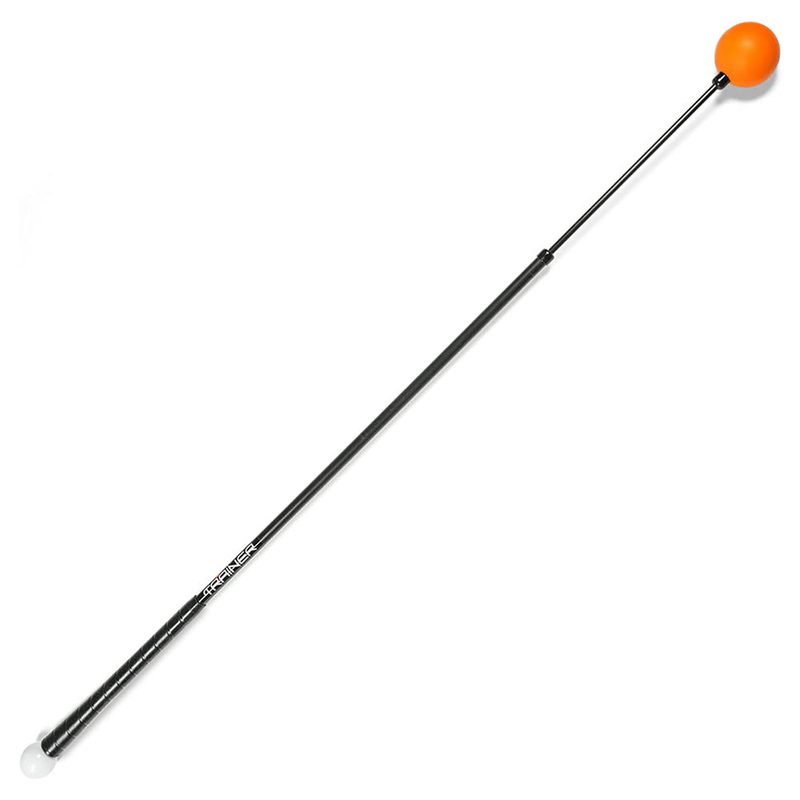
Orange Whip
Orange Whip Full Size Swing Trainer
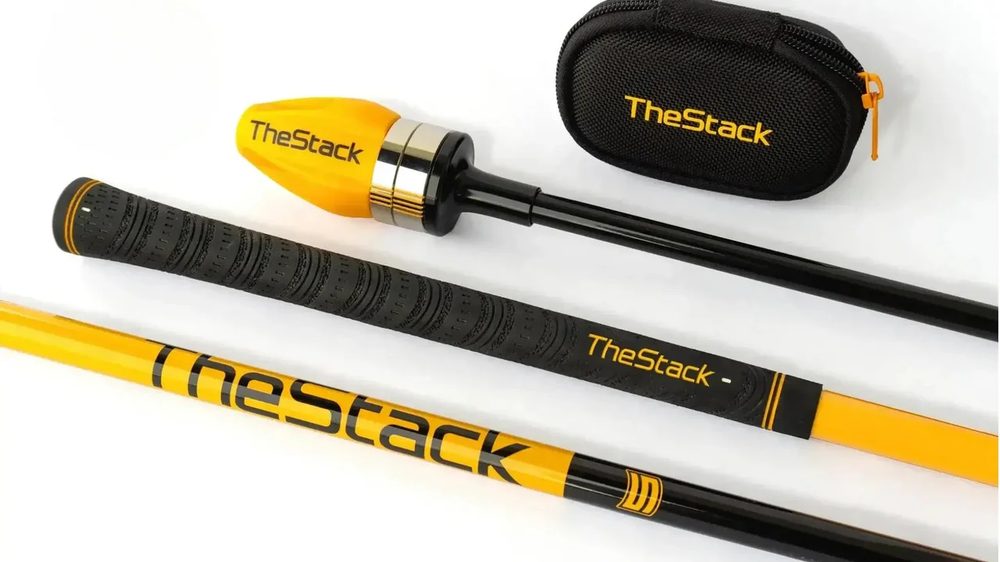
TheStack
TheStack System Swing Speed Trainer
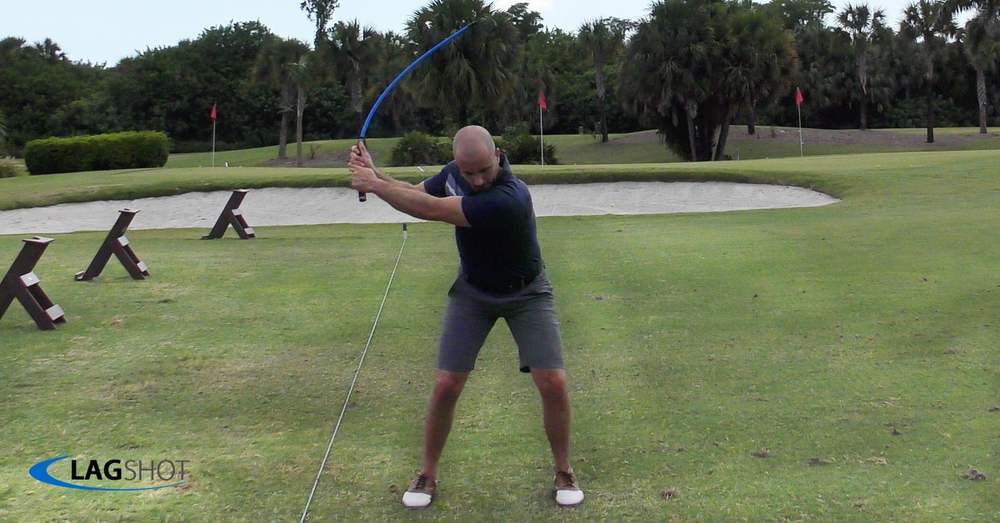
Lag Shot
Lag Shot 7 Iron Swing Trainer
DJI
DJI Osmo Pocket 3 Vlogging Camera

EyeLine Golf