DJI
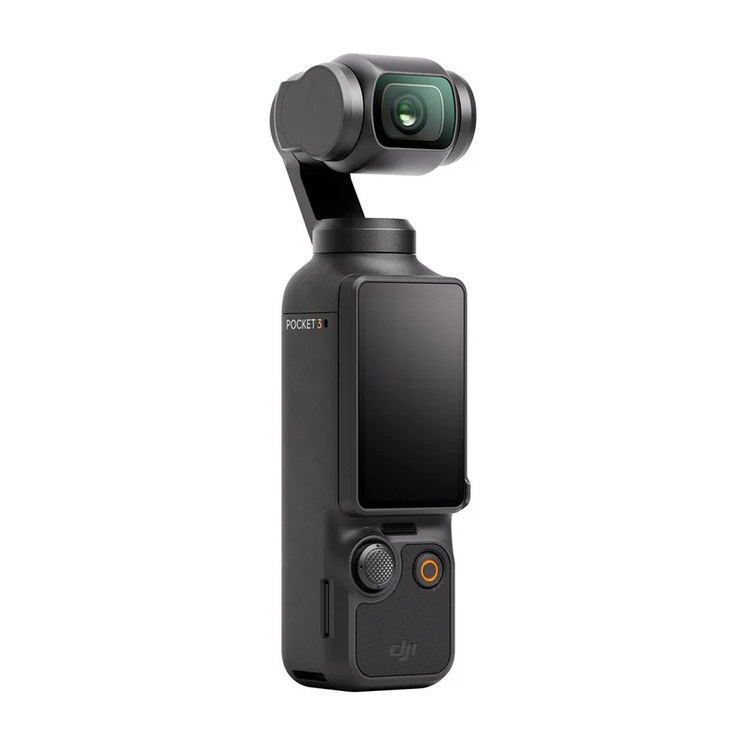
DJI Osmo Pocket 3 Vlogging Camera
$519
In stock at partner retailer
As an Amazon Associate and affiliate partner, we earn from qualifying purchases at no extra cost to you.
Highlights
- 1-inch CMOS sensor delivers the best image quality of any sub-$500 pocket camera, with strong low-light and high-contrast performance on the range
- 4K120 slow-motion in a dedicated Slow Motion mode captures buttery swing sequences for analysis and Reels content
- 3-axis mechanical gimbal stabilization keeps footage smooth even when repositioning between shots
- 2-inch rotatable OLED touchscreen shoots native vertical video: rotate the screen and you are filming 9:16 for Reels and TikTok
- ActiveTrack 6.0 with Face Auto-Detect and Dynamic Framing keeps a handheld subject locked and composed
Tour Issue Golf
Independent reviews · Research-based scores
Item details
- Battery
- 1300mAh internal; about 166 minutes typical use; 80 percent charge in 16 minutes with PD fast charging (charger sold separately)
- Imaging
- 1-inch CMOS sensor; up to 4K120 in Slow Motion mode; 9.4MP stills; 10-bit D-Log M color; full-pixel fast focusing with Product Showcase mode
- Mounting
- 1/4-inch thread on included handle; 179 grams; microSD storage (U3/V30 recommended)
- Stabilization and Tracking
- 3-axis mechanical gimbal with multiple rotation speeds; ActiveTrack 6.0 with Face Auto-Detect and Dynamic Framing; 2-inch rotatable OLED touchscreen with native vertical shooting
- Video Modes
- 4K up to 120fps (Slow Motion mode); standard 4K60; 1080p high-frame-rate options; MOV/MP4; stereophonic 3-mic audio with noise reduction
Best for: Golf content creators who film solo and want the best slow-motion swing footage under $500 without tying up their phone
Score breakdown
Our Review
The Short Version
The DJI Osmo Pocket 3 is the pocket camera that serious solo golf creators keep coming back to: a 1-inch sensor, 4K120 slow-motion, and a 3-axis gimbal in a body that fits in a golf bag pocket, with a rotating screen that shoots native vertical video for Reels. It is the best slow-motion image you can buy under $500. The catch for golfers is that its tracking assists handheld filming rather than replacing a tripod: there is no unattended auto-operator mode, so it will not film your swing while you stand at address the way a Pivo or an OBSBOT Tail will. On the range, where you can take a beat between shots, it is superb. During a real round, reviewers found it fiddly.
Performance
The headline spec is the 1-inch CMOS sensor paired with 4K recording up to 120fps in the dedicated Slow Motion mode. In practical terms that means swing sequences rendered at a quarter speed with genuine detail rather than the mushy interpolated slow-mo of smaller sensors. Full-pixel fast focusing keeps the clubhead and ball sharp through the hitting zone, and the sensor's dynamic range holds up in the harsh midday contrast of an open range. Three-axis mechanical stabilization smooths out the small movements of repositioning between shots, and multiple rotation speeds run from a calm default to a fast mode for more aggressive moves. For golf, the honest framing is that this is an image-quality play first and a convenience play second: nobody buys the Pocket 3 for hands-free operation.
Tracking and Solo Filming
ActiveTrack 6.0 offers Face Auto-Detect, which locks a tracked subject in the center of the frame as the camera moves, and Dynamic Framing, which uses built-in composition guides to keep shots looking professional. Both are designed around a simple truth: someone is holding the camera. Unlike a Pivo Pod or OBSBOT camera, the Pocket 3 has no mode where you set it on a tripod and it films you automatically while you swing. A golf-specific reviewer who tested it for on-course content praised the image but found the boot-frame-shoot cycle too slow between shots during a real round. The practical workflow is to use it on the range, where the pace is yours to control, and treat on-course filming as a deliberate, occasional thing rather than a set-and-forget setup.
Feel and Setup
DJI kept the body genuinely pocketable at 179 grams and about 5.5 inches tall, and the 2-inch OLED touchscreen rotates to wake the camera and switch orientation: spin it and you are shooting vertical 9:16 without digging through menus. The handle includes a 1/4-inch thread, so it mounts directly to a golf tripod like a Golfpod or GPOD. Battery life runs about 166 minutes of typical use, and the 1300mAh cell charges to 80 percent in 16 minutes with a fast PD charger. Two things to know before buying: DJI requires app activation through the Mimo app before first use, and the 3-axis gimbal, while excellent, is a precision mechanism that deserves the included protective cover in a golf bag full of metal.
Value
The standard combo lists at $519, and US street prices in late 2026 have touched as low as $395 during sales, which makes this a remarkable amount of camera for the money. The Creator Combo, typically around $669, adds the DJI Mic transmitter, battery handle, and carrying bag: worth it if you do any talking-head instruction content, skippable if you only film swings. The awkward wrinkle is the Pocket 4, launched April 2026 with 4K240 and a big built-in storage bump at $499, which is not sold in the United States over FCC authorization issues. American buyers are not missing a purchasable upgrade; the Pocket 3 remains the current US flagship in this line.
Who Should Buy It
The Pocket 3 fits solo golf creators who prioritize image quality and slow-motion swing footage above all else, range rats who film at their own pace, and anyone who wants a second camera that does not tie up their phone. It is less suited to golfers who want true set-and-forget auto-tracking while they play, anyone who needs a weather-sealed beater for all-conditions rounds, or buyers who want the absolute newest hardware regardless of region.
Verdict
For filming golf swings that look genuinely premium, nothing under $500 touches the Osmo Pocket 3. Buy it for the range and for deliberate content days, pair it with a tripod you already own, and accept that on-course automation belongs to a different class of device. This is a research-based review.
Strengths
- 1-inch CMOS sensor delivers the best image quality of any sub-$500 pocket camera, with strong low-light and high-contrast performance on the range
- 4K120 slow-motion in a dedicated Slow Motion mode captures buttery swing sequences for analysis and Reels content
- 3-axis mechanical gimbal stabilization keeps footage smooth even when repositioning between shots
- 2-inch rotatable OLED touchscreen shoots native vertical video: rotate the screen and you are filming 9:16 for Reels and TikTok
- ActiveTrack 6.0 with Face Auto-Detect and Dynamic Framing keeps a handheld subject locked and composed
- 10-bit D-Log M color profile gives serious grading headroom for creators who edit their footage
Considerations
- There is no true unattended auto-operator mode: ActiveTrack and dynamic framing stabilize handheld shots, but the camera will not film you solo the way a Pivo or OBSBOT does.
- Reviewers who tested it for golf found it fiddly to boot, frame, and reframe between shots during a real round; it shines on the range, less so on the course.
- The 3-axis gimbal is mechanically delicate and the Pocket 3 is not weather-sealed, so it needs care in a golf bag and in wind-blown range conditions.
- DJI requires app activation before first use, and the DJI Mimo app has been removed from Google Play, complicating the Android setup path.
- The Pocket 4 successor launched in April 2026 with 4K240, but it is not sold in the US due to FCC authorization issues, so American buyers cannot step up to the newer model.
You may also like
More Training Aids →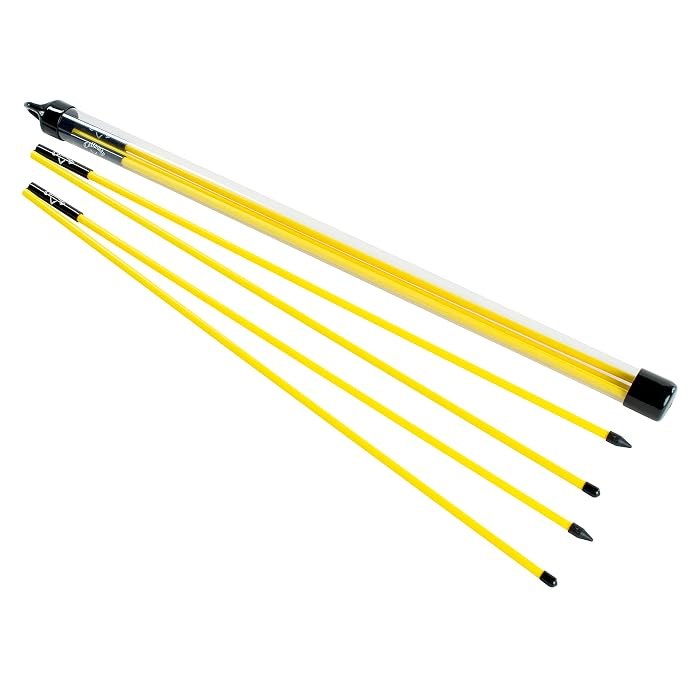
Callaway
Callaway Alignment Stix
PuttOut
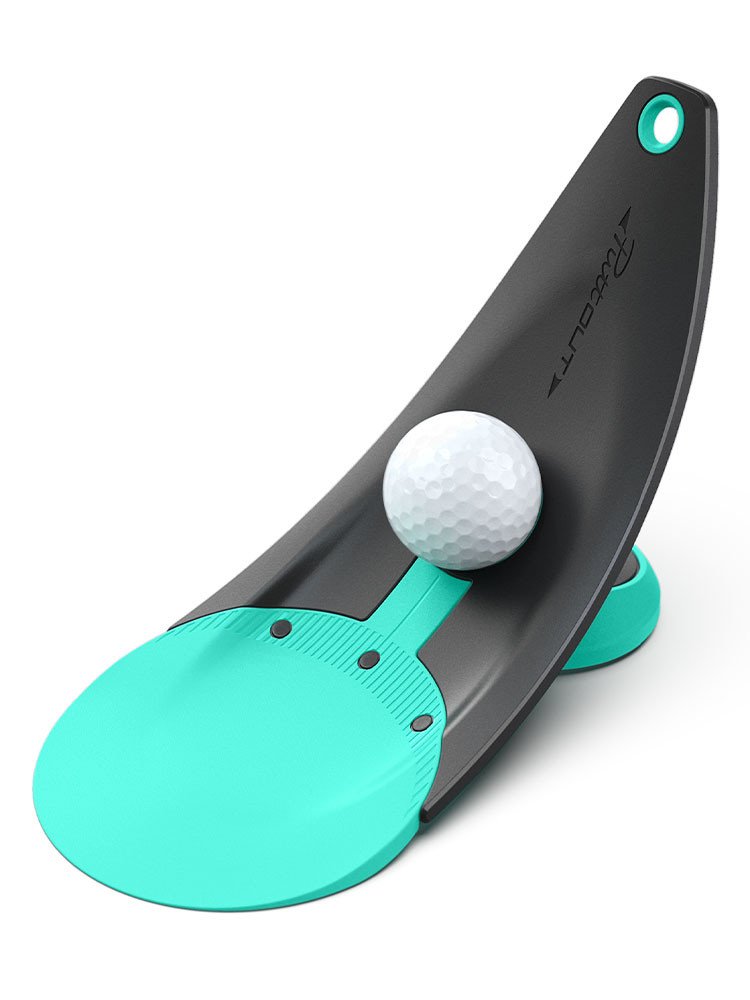
PuttOut Pressure Putt Trainer
Orange Whip
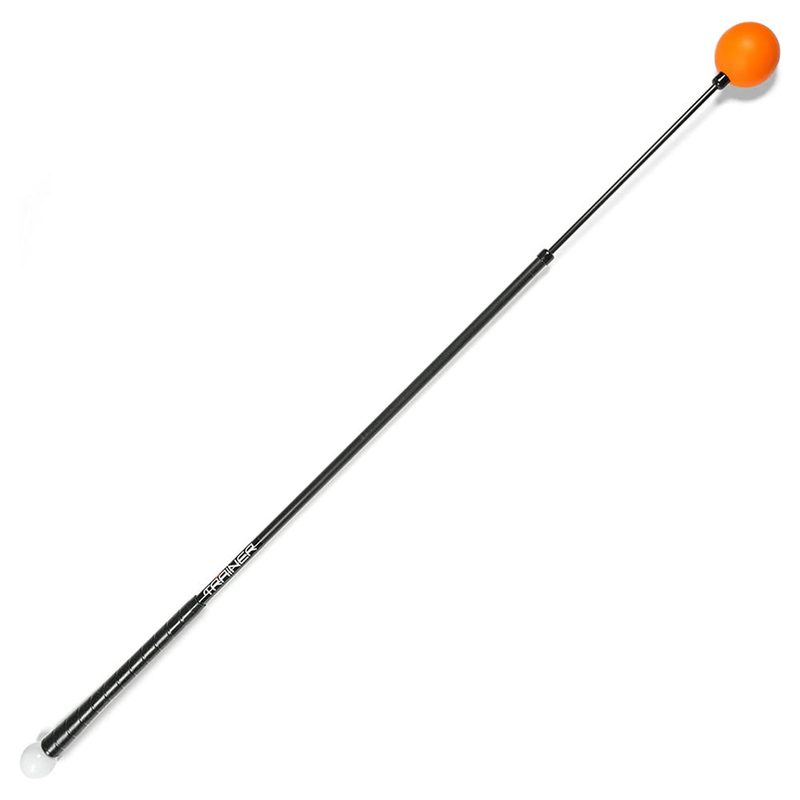
Orange Whip Full Size Swing Trainer

EyeLine Golf
EyeLine Golf Putting Alignment Mirror
PRGR
PRGR HS-130A Portable Launch Monitor
SKLZ
SKLZ Gold Flex Golf Swing Trainer
Perfect Practice
Perfect Practice Putting Mat

GoSports