
IZZO · Training Aids Review
IZZO Splash Out Bunker Trainer Review
A plastic version of the free line in the sand drill, with no transfer evidence behind it
Below Average
Tour Issue Score 5.8 · Ranked #18 of 18 in Training Aids
Best for: Beginners who can already reach a practice bunker and want a visual entry point cue; anyone seeking distance control, all lie bunker help, or practice away from a bunker should avoid it
The Bottom Line
A plastic version of the free line in the sand drill, with no transfer evidence behind it. The IZZO Splash Out Bunker Trainer scores 5.8 out of 10 in our research-based review, a below average mark that puts it at #18 of 18 Training Aids in our rankings. Its strongest fit: Beginners who can already reach a practice bunker and want a visual entry point cue; anyone seeking distance control, all lie bunker help, or practice away from a bunker should avoid it.
Full Review
The Short Version
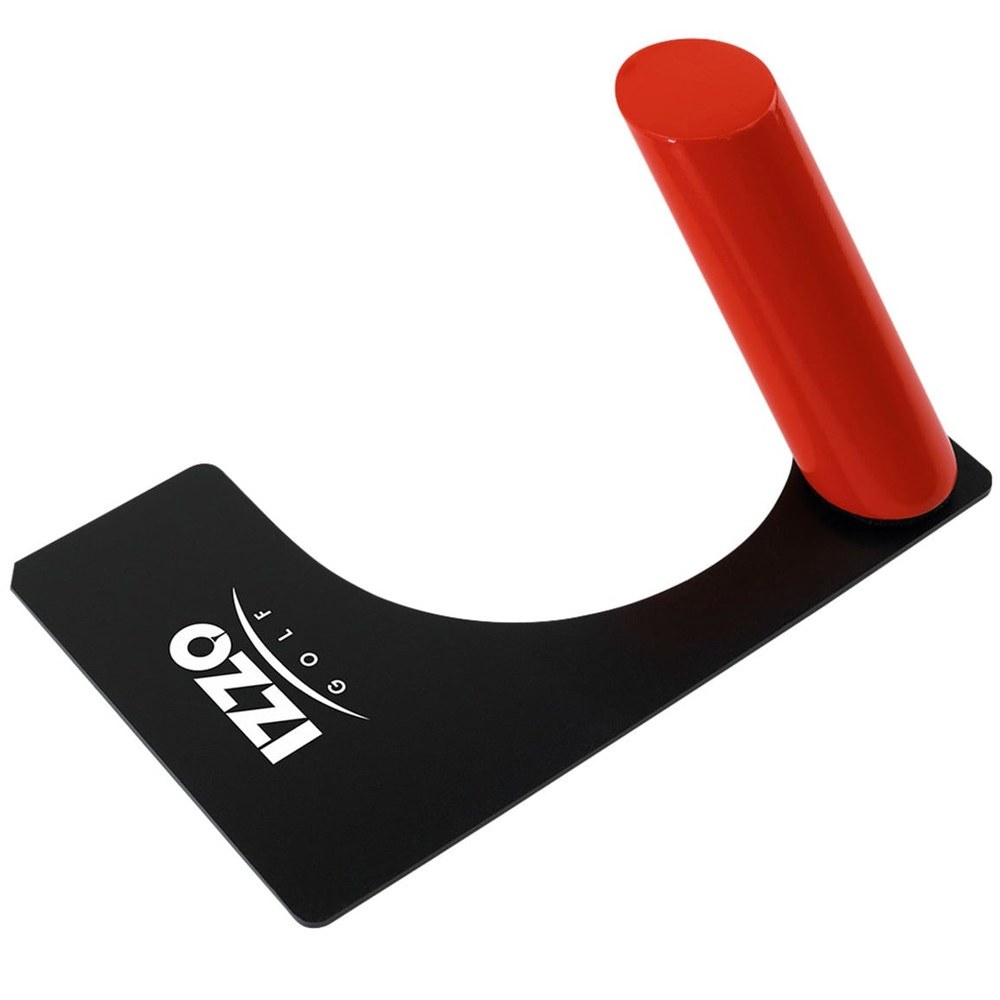
The IZZO Splash Out Bunker Trainer is a crescent shaped plastic guide that sits in a practice bunker with the ball placed 2 to 3 inches in front of it. A foam guide arm and the crescent itself show you where your club entered the sand, which is the first skill in a greenside bunker shot. It is cheap, simple, and honestly described. The research problem is scope and evidence: it addresses one slice of one shot, there is no independent testing or major outlet review showing that using it makes golfers better from real bunkers, and the drill it physicalizes is one that top teachers have taught for decades using nothing but a line drawn in the sand.
Performance
On its own narrow terms, the feedback loop is legitimate. Bunker instruction consistently identifies entry point, striking the sand roughly 2 inches behind the ball and letting the sand carry the ball out, as the foundational greenside skill, and the Splash Out makes that entry visible after every swing. The crescent shows where the club arrived, the foam arm gives a target reference without risking your wedge, and reversing the unit serves left handed players. That is the whole performance story, and it ends quickly, because entry point is where bunker competence starts, not where it ends. The trainer offers nothing on swing speed or distance control, nothing on using the bounce of the wedge, nothing on opening the face, and nothing on the adjustments that real bunker play demands when sand is firm, wet, shallow, or the ball is plugged. Published bunker instruction stresses exactly those variables: the same entry point that works in fluffy sand fails in compacted sand, where teachers change weight distribution, club selection, and angle of attack.
Where It Falls Short
The deepest problem is transfer, and the absence of evidence for it. We found no independent test, no published study, and no review from a major golf outlet measuring whether Splash Out practice improves bunker outcomes. Practice research on bunker skills points the other way on method: blocked, single condition repetition is the weakest form of practice for transfer, while varied practice across lies and targets is what carries to the course. The Splash Out locks practice into the opposite pattern, one lie and one visual, in a practice bunker the golfer must already have access to. And that access point kills the convenience case too: unlike a putting mirror or an alignment stick, this aid cannot be used at home or on a range mat. If you are standing in a practice bunker, you already have the one thing the drill actually needs, which is sand.
Value
At $29.99 the absolute price is low, but value is measured against the alternative, and the alternative is free. GOLF.com's Top 100 teacher bunker coverage teaches the identical entry point skill by drawing a line in the sand and trying to start the divot on it, and Golf Digest's Tom Watson bunker drill uses a rake mark or a club shaft impression the same way. Both cost nothing, both let you vary the target line freely, and both scale naturally into distance and lie variation as you improve. Thirty dollars for a plastic version of a line in the sand buys no extra feedback and no proven transfer.
Who Should Avoid It
Avoid it if your bunker problem is distance control, fear and deceleration, buried or firm lies, or simply not owning a wedge that can splash sand, because it addresses none of those. Avoid it if you lack regular practice bunker access, since it is unusable anywhere else. Avoid it if you are choosing between this and a lesson: one session with a local professional covers entry point plus everything this aid leaves out.
Better Alternatives
The strongest alternative in our catalog is the Cleveland Smart Sole Full-Face wedge, rated 8.4, whose extra wide sole is engineered to resist digging and to make the standard bunker escape dramatically easier with ordinary technique. Pair it with the free line drill in a practice bunker and you have covered both the equipment and the skill side of the shot, which no $29.99 plastic crescent can do alone.
Verdict
A simple, honest, single purpose cue with no evidence behind its transfer, no use outside a practice bunker, and a free equivalent taught by the game's best known teachers. The idea is sound. The purchase is hard to justify. This is a research-based review.
What We Like
- Clear, simple feedback: the crescent marks where the club entered the sand relative to the ball
- Foam guide arm is safe on wedge soles and will not damage a club on contact
- Reversible for right and left handed golfers, with the ball placed 2 to 3 inches in front of the trainer
- Durable plastic build at a low absolute price
What to Consider
- Teaches one sub skill only, entry point, and says nothing about distance control, bounce use, face angle, or adapting to firm, wet, or plugged lies
- No independent test, study, or major outlet review exists showing that practice with it transfers to better bunker results on the course
- Replicates the classic line in the sand drill that GOLF.com and Golf Digest teachers run for free with a rake or a tee, so the $29.99 buys a plastic version of a free drill
- Only usable inside a real practice bunker, so it offers no at home or range mat practice value
Specifications
| Compatibility | Right and left handed (reversible) |
|---|---|
| Feedback | Crescent marks club entry point in the sand |
| Guide Arm | Durable foam, safe on club contact |
| Material | High quality plastic |
| Setup | Ball placed 2 to 3 inches in front of the trainer |
Score Breakdown
Scores are research-based, drawn from manufacturer specs, tour adoption, and published independent test data. How we score
More Training Aids Reviews
All Training Aids →
Callaway
Callaway Alignment Stix
PuttOut
PuttOut Pressure Putt Trainer
Divot Board
Divot Board Swing Training Aid
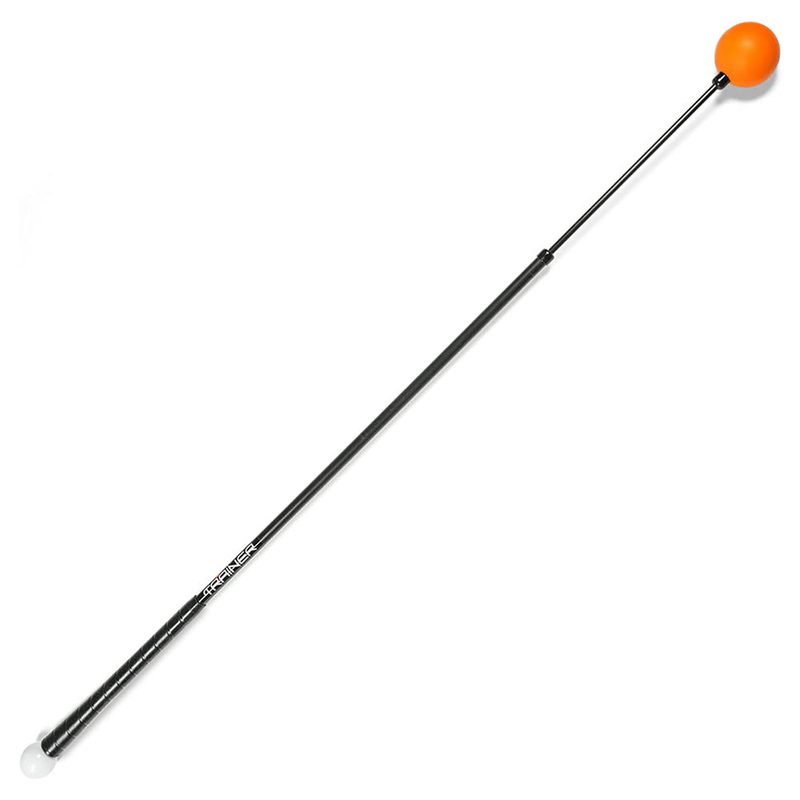
Orange Whip
Orange Whip Full Size Swing Trainer
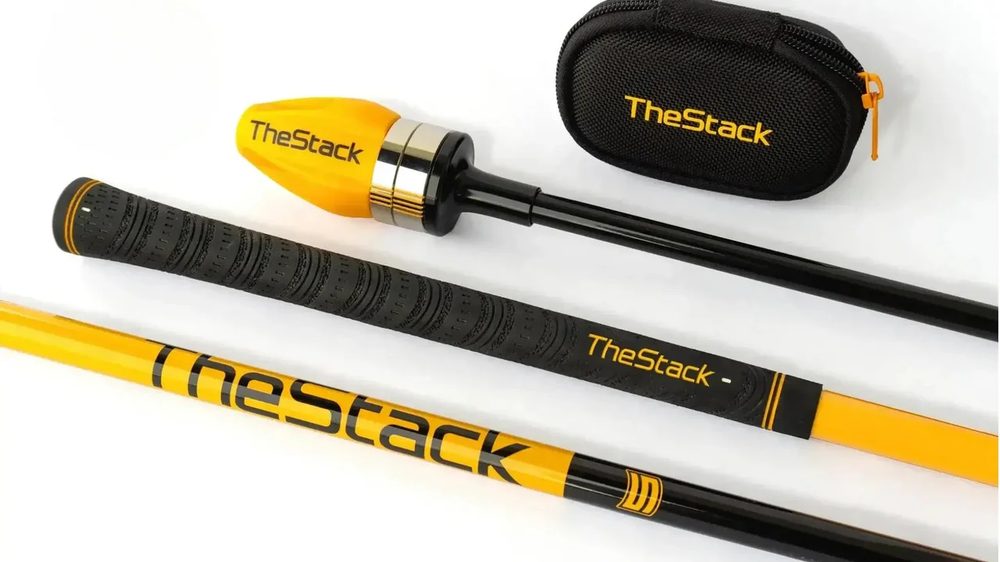
TheStack
TheStack System Swing Speed Trainer
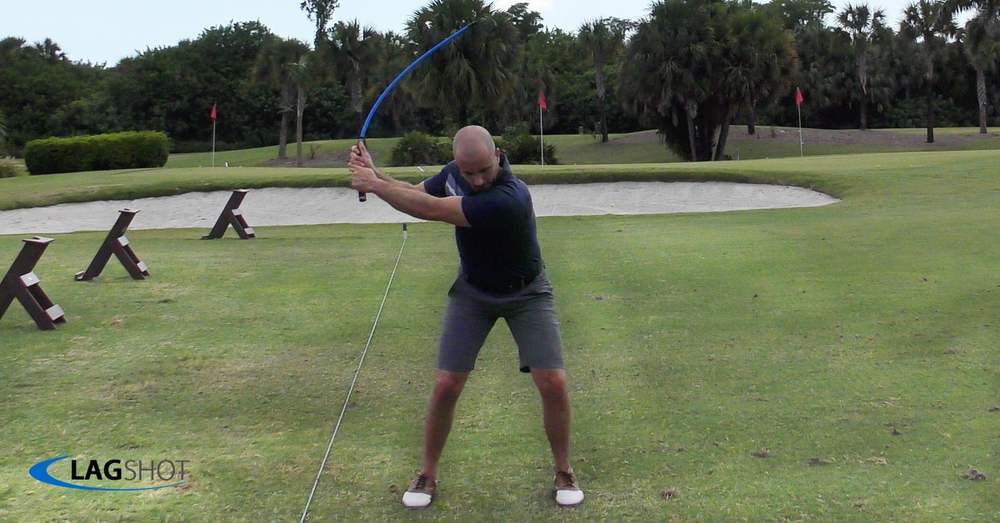
Lag Shot
Lag Shot 7 Iron Swing Trainer
DJI
DJI Osmo Pocket 3 Vlogging Camera

EyeLine Golf