AlmostGolf · Training Aids Review
AlmostGolf Practice Golf Balls Review
Real shot shape at one third distance, at three to six times the price of basic foam
Below Average
Tour Issue Score 6.4 · Ranked #16 of 18 in Training Aids
Best for: Backyard and garage golfers who want shot shape feedback in a very small space and accept the limits
The Bottom Line
Real shot shape at one third distance, at three to six times the price of basic foam. The AlmostGolf Practice Golf Balls scores 6.4 out of 10 in our research-based review, a below average mark that puts it at #16 of 18 Training Aids in our rankings. Its strongest fit: Backyard and garage golfers who want shot shape feedback in a very small space and accept the limits.
Full Review
The Short Version
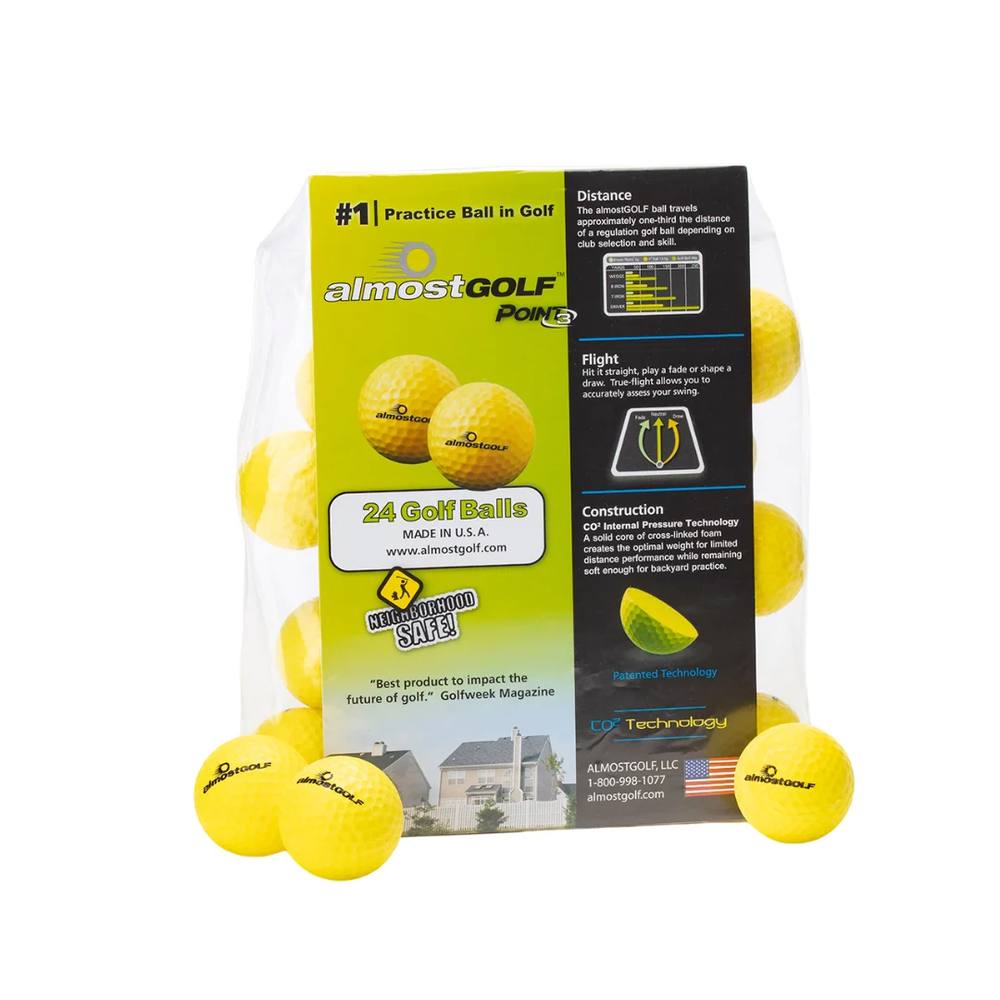
The AlmostGolf Point3 is the best known limited flight practice ball in golf: a 13.5 gram cross linked foam ball with a published .32 COR rating that flies about one third as far as a regulation ball while curving, spinning, and checking in a recognizably golf like way. Skilled Golf names the AG version its best premium practice ball, and GolfWRX users prefer it to Birdie Balls and basic Callaway foam. So why the low score? Because at about $24.99 for ten balls on Amazon, roughly $2.50 a ball, it asks three to six times the per ball price of ordinary practice balls for feedback that still cannot teach distance, and the gap between its promise and its transfer to real golf is where the money leaks.
Performance
Judge the flight on its own terms first. Par2Pro, which sells and tests the ball, credits its CO2 Pressure Tech and True Flight design with genuine shot shaping: hit it straight, fade it, or draw it, and use the shape to assess the swing. That is a real advantage over wiffle balls, which flutter, and over soft foam, which barely curves. The problems start when golfers ask the ball to do more. Flight is capped at about one third of regulation by design, and Shot Talk users describe pronounced ballooning, warning against hitting it on a windy day because the light ball gets pushed massively offline. A 13.5 gram ball in wind is not measuring your swing; it is measuring the weather.
Forgiveness
As a safety product, the Point3 is forgiving in the way that matters most: it is soft enough for backyard and indoor use, it floats, and Par2Pro states it will not crack, shred, or become deformed from regular play, a durability claim GolfWRX users support by rating it more durable than wiffle balls. To be clear, durability is not the failure here, and this review does not pretend otherwise. The unforgiving part is data. Garmin forum users running Approach R10 units report ball speed and launch readings well below real ball numbers, one citing 7 iron club speed readings of 45 to 50 mph against about 67 mph with real balls, with driver and long irons often not registering at all. One detailed thread ends with the user abandoning AlmostGolf balls for heavier Sci Core balls that read on every shot. MyGolfSimulator's SkyTrak analysis likewise notes no official compatibility statement from either company and carry numbers that read short and fall off with longer clubs.
Feel and Sound
Feel is the strongest argument for the ball. The cross linked foam and internal pressure produce a firmer, more ball like strike than hollow plastic or soft foam, and reviewers consistently describe real pop off the face and credible spin response on chips and partial shots. That feedback is useful for strike quality in a net or a small yard. It is still not a regulation strike: at a quarter of a real ball's weight, impact sound, shaft loading, and turf interaction all differ, and Skilled Golf's own buying guidance warns that foam feel requires adjustment when you return to a real ball, and that practice balls should never be used for putting work because the feel gap is too large.
Value
Value is where this product loses the review. Comparison pricing collected in MyGolfSpy's practice ball forum puts plastic practice balls at about 39 cents each and standard foam at about 67 cents each, with AlmostGolf at the top of the market, historically around a dollar a ball and now about $2.00 to $2.50 a ball in the common ten packs. Sports Foundation's practice ball roundup calls the Point3 the most expensive pack in its test and notes that ten balls is a small set for full swing sessions, which means constant retrieval breaks up practice or a second pack doubles the spend. For the price of two ten packs, a golfer is within sight of a bucket of real range balls or a dozen proper value balls. A better use of the same money for most golfers is a real ball session: the Srixon Soft Feel, reviewed on this site at 8.1, costs about what two Point3 ten packs cost per dozen and gives flight, feel, and numbers that transfer directly to the course.
Who Should Buy It
Buy a single ten pack, at the lowest price you can find, only if your practice space is a small yard or garage, you have no launch monitor expectations, and you want shot shape feedback while chipping and hitting partial shots into a net. Avoid it if you own or plan to buy a launch monitor, if you practice outdoors in wind, if you want to groove full swing distances, or if basic foam at a third of the price would cover your backyard reps, which for most golfers it would. Serious players are better served by real balls at a range.
Verdict
The Point3 does one thing better than any basic foam ball: it shows shot shape at one third distance. It charges a steep premium for that single advantage, and the research shows the premium buys no distance learning, unreliable launch monitor numbers, and wind blown feedback outdoors. Not recommended at current ten pack pricing; buy it only on sale, for the narrow backyard feedback job, with eyes open. This is a research-based review synthesized from published reviews, independent test data, and manufacturer specifications; no personal testing was conducted.
What We Like
- Genuine shot shaping at limited distance: draws and fades show, per Par2Pro testing notes and Skilled Golf
- Firmer, more ball like strike feel than wiffle or soft foam balls, per multiple reviews
- Durable cross linked foam: maker states it will not crack, shred, or deform in regular play, and GolfWRX users rate it more durable than wiffle balls
- Safe for backyard and indoor use, and the balls float
What to Consider
- About $2.00 to $2.50 per ball in ten packs, roughly three to six times basic foam or plastic practice ball pricing
- One third flight by design, so it cannot teach real carry distances or dispersion
- 13.5 gram ball balloons and blows offline in wind, per user reports
- Launch monitor numbers read far below real ball numbers, and driver and long irons often fail to register on radar units, per Garmin forum users
- Only ten balls in the entry pack, so full swing sessions mean constant retrieval
Specifications
| Construction | Cross linked foam with CO2 internal pressure technology, .32 COR rating |
|---|---|
| Flight | About one third the distance of a regulation ball, maximum about 100 yards |
| Pack Sizes | 10, 24, 60, and 240 ball packs, white and hi-vis yellow |
| Use | Backyard, indoor, and net practice, not USGA conforming for competition |
| Weight | 13.5 grams, about one quarter of a regulation ball |
Score Breakdown
Scores are research-based, drawn from manufacturer specs, tour adoption, and published independent test data. How we score
More Training Aids Reviews
All Training Aids →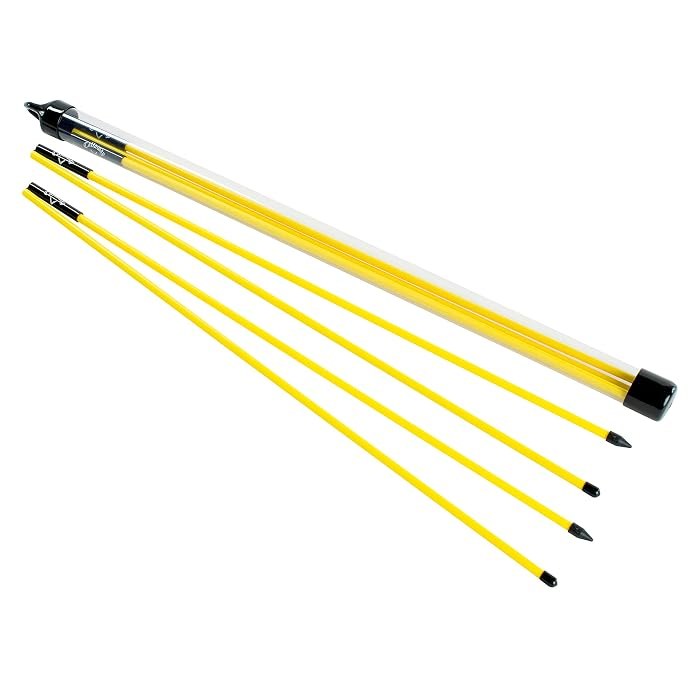
Callaway
Callaway Alignment Stix
PuttOut
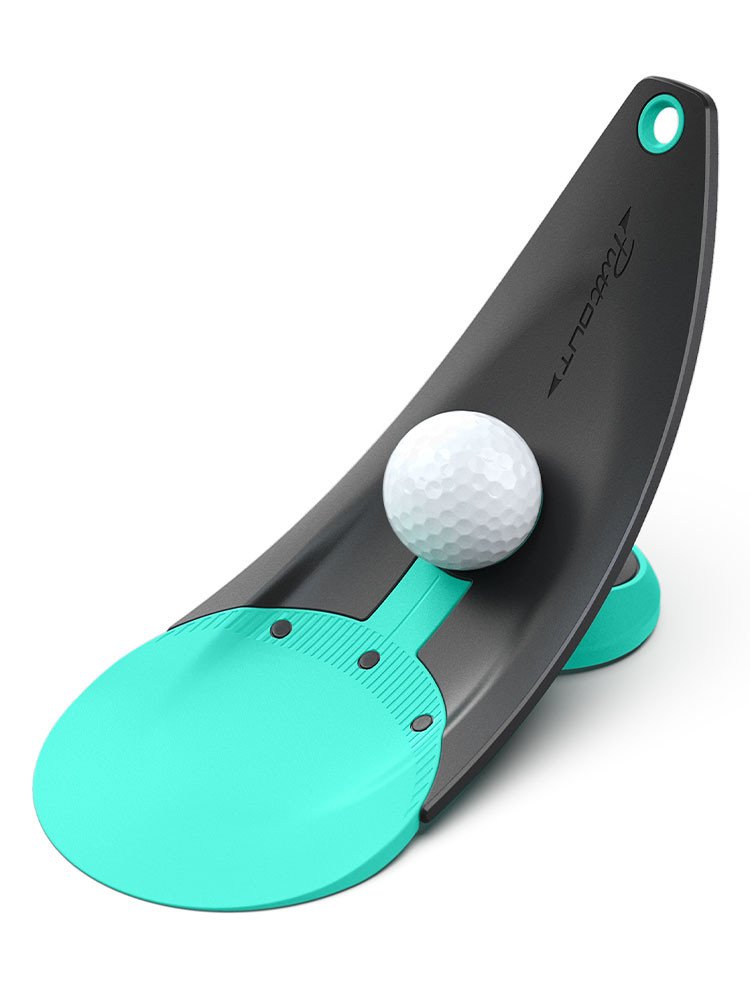
PuttOut Pressure Putt Trainer
Divot Board
Divot Board Swing Training Aid
Orange Whip
Orange Whip Full Size Swing Trainer
TheStack
TheStack System Swing Speed Trainer
Lag Shot
Lag Shot 7 Iron Swing Trainer
DJI
DJI Osmo Pocket 3 Vlogging Camera

EyeLine Golf