
Titleist · Golf Balls Review
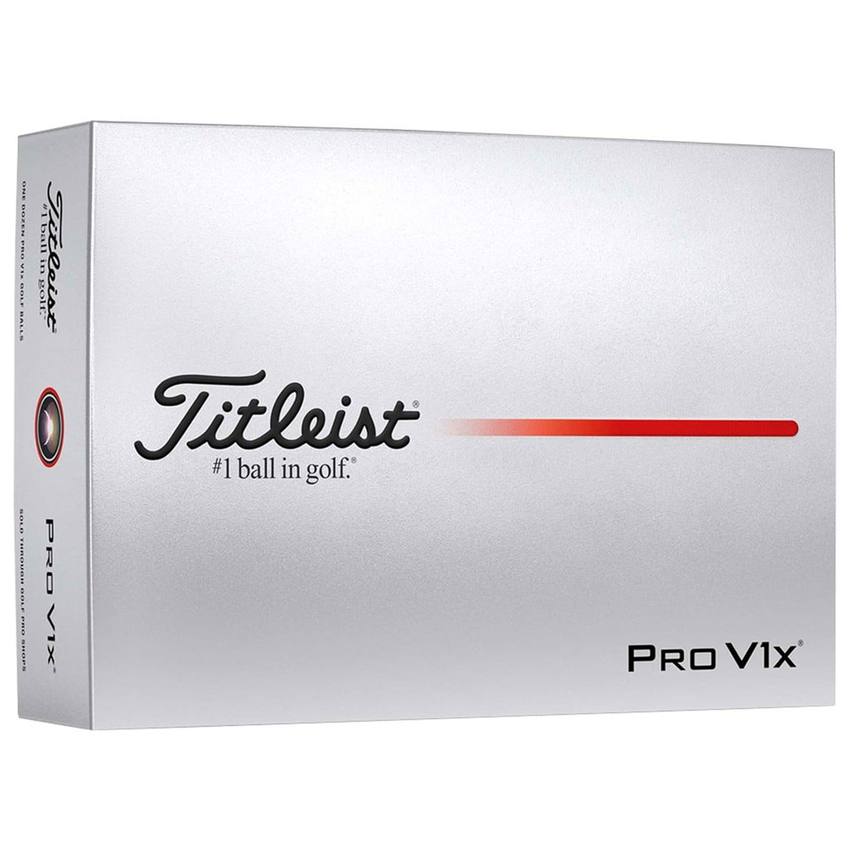
Titleist Pro V1x Golf Balls (2025) Review
Higher flight, more spin, firmer feel, the other half of the tour benchmark
Exceptional
Tour Issue Score 9.3 · Ranked #1 of 76 in Golf Balls
Best for: Better players and fast swingers who want high launch, high iron and wedge spin, and a firmer feel
The Bottom Line
Higher flight, more spin, firmer feel, the other half of the tour benchmark. The Titleist Pro V1x Golf Balls (2025) scores 9.3 out of 10 in our research-based review, a exceptional mark that puts it at #1 of 76 Golf Balls in our rankings. Its strongest fit: Better players and fast swingers who want high launch, high iron and wedge spin, and a firmer feel.
Full Review
The Short Version
The 2025 Titleist Pro V1x is the firmer, higher-flying half of the Pro V1 franchise: a four-piece urethane ball built for players who want a towering trajectory, extra spin on scoring shots, and a crisp feel at impact. Titleist says the 2025 update is about more speed off the tee and more spin where it scores, and published testing generally supports that framing. It shares top billing with the Pro V1 rather than sitting above it, the choice between them is about flight and feel, not quality.
Performance
The engineering headline is a new, faster high-gradient dual core. The inner and outer core arrangement is designed to generate ball speed while steepening the spin slope: restrained spin on driver swings for distance, then progressively more spin as clubs get shorter. A high-flex casing layer amplifies speed on full shots and helps hold long-game spin down, while the soft cast urethane elastomer cover does the gripping work on chips, pitches, and bunker shots. Aerodynamically, a spherically tiled pattern of 348 tetrahedral dimples, fewer and arranged differently than the Pro V1's 388, produces the higher, more consistent flight that defines the model. Independent robot comparisons of the current generation typically find the Pro V1x launching higher and spinning measurably more with wedges and short irons than the Pro V1, which is exactly the separation Titleist intends.
Flight, Spin and Feel
On course, the Pro V1x identity is height and hold. The higher trajectory gives approach shots a steeper descent angle, so the ball lands and stops rather than releasing forward, valuable on firm greens and back pins. Around the green, the urethane cover produces genuine check on well-struck pitches. Feel is the clearest differentiator from its sibling: firmer and more responsive through the bag, with a distinct click off the putter face that many better players prefer for distance feedback. Golfers who love a soft, muted strike will gravitate to the Pro V1 instead; golfers who want to hear and feel the compression tend to pick the X. The trade-off for the high flight is wind: in a strong headwind the trajectory can climb and lose yards where a flatter ball would bore through.
Value
At roughly $55 per dozen the Pro V1x sits at the ceiling of the premium ball market, level with its direct rivals from Callaway and TaylorMade. There is no discount story here. The value argument is completeness and trust: tour adoption is extensive, quality control is widely regarded as the industry standard, and the performance profile, low driver spin, high scoring spin, high flight, is difficult to replicate at lower price points. Players who lose multiple balls per round will feel the cost keenly; players who keep a ball for most of a round get tour-level performance for a few dollars a round.
Who Should Buy It
The Pro V1x fits skilled ball-strikers and moderate-to-fast swingers who flight the ball on the lower side and want help getting approaches up and stopping, or who simply prefer a firmer feel and maximum short-game spin. It is also the natural pick for former Pro V1 players who find that ball too low or too soft. Low swing-speed players who struggle to compress firmer balls, and habitual high-ball hitters playing in constant wind, should demo the standard Pro V1 or the lower-spinning Left Dash variant before committing.
Verdict
The 2025 Pro V1x does precisely what its brief demands: it flies higher, spins more where scoring happens, and feels firmer and more responsive than the Pro V1, without giving away driver distance. It is one of the two reference tour balls for a reason. This is a research-based review: we analyzed manufacturer specs and published test data from sources including Golf.com, Golf Digest and independent robot testing; no personal testing was conducted.
What We Like
- Highest flight in the Pro V1 family from the 348-dimple aerodynamic design, helping approach shots land steeply and stop
- Published robot and tour-level testing credits it with more iron and wedge spin than the Pro V1 for added control
- New faster high-gradient dual core adds ball speed while the casing layer keeps driver spin low
- Soft cast urethane cover delivers elite greenside check and short-game touch
- Titleist manufacturing consistency is the benchmark, ball-to-ball uniformity reviewers trust most
What to Consider
- Premium pricing at about $55 per dozen, the joint-highest in the tour-ball class
- Firmer feel will not suit golfers who prefer the softer strike of the standard Pro V1
- Higher flight can balloon in strong headwinds compared with lower-launching rivals
- Maximum benefit requires a reasonably fast, consistent swing to compress the firmer dual core
Specifications
| Construction | 4-piece with high-gradient dual core and high-flex casing layer |
|---|---|
| Cover | Soft cast urethane elastomer |
| Dimples | Spherically tiled 348 tetrahedral dimple design |
| Flight | High trajectory; low long-game spin, high iron and wedge spin |
| Options | White and yellow; AIM Enhanced Alignment versions offered |
Score Breakdown
Scores are research-based, drawn from manufacturer specs, tour adoption, and published independent test data. How we score
More Balls Reviews
All Balls →
Callaway
Callaway Chrome Tour X Golf Balls
Titleist
Titleist Pro V1 Golf Balls (2025)
Callaway
Callaway Chrome Tour Triple Diamond Golf Balls
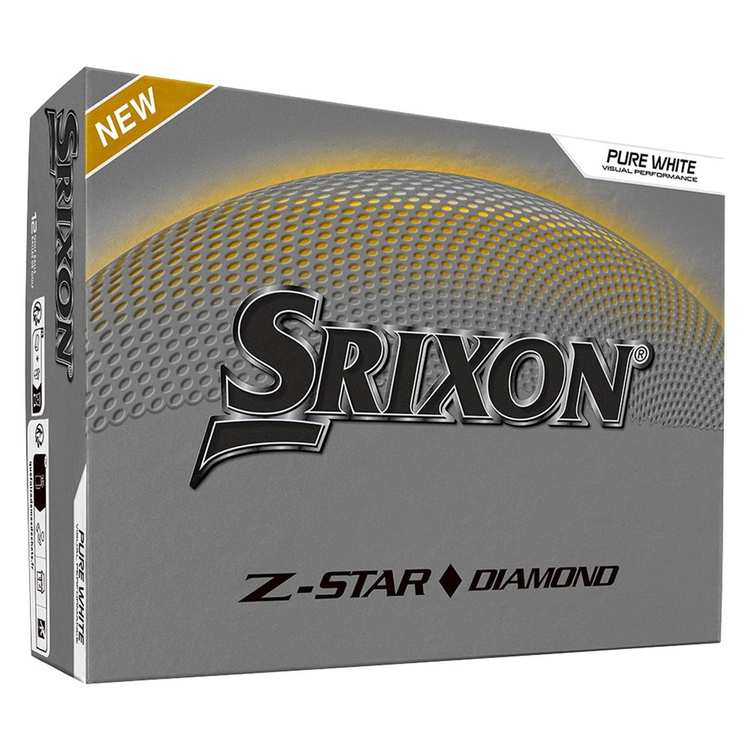
Srixon
Srixon Z-Star Diamond Golf Balls
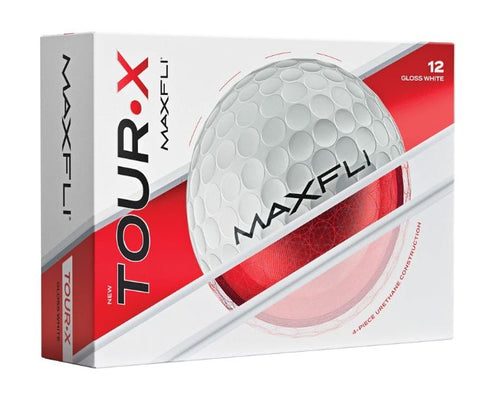
Maxfli
Maxfli Tour X Golf Balls
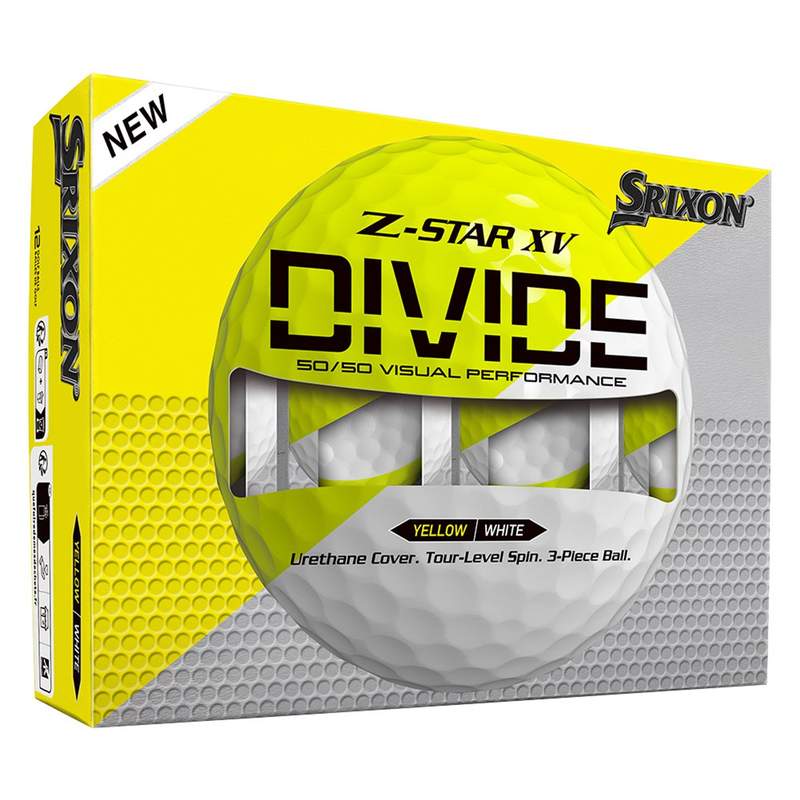
Srixon
Srixon Z-STAR XV DIVIDE Golf Balls
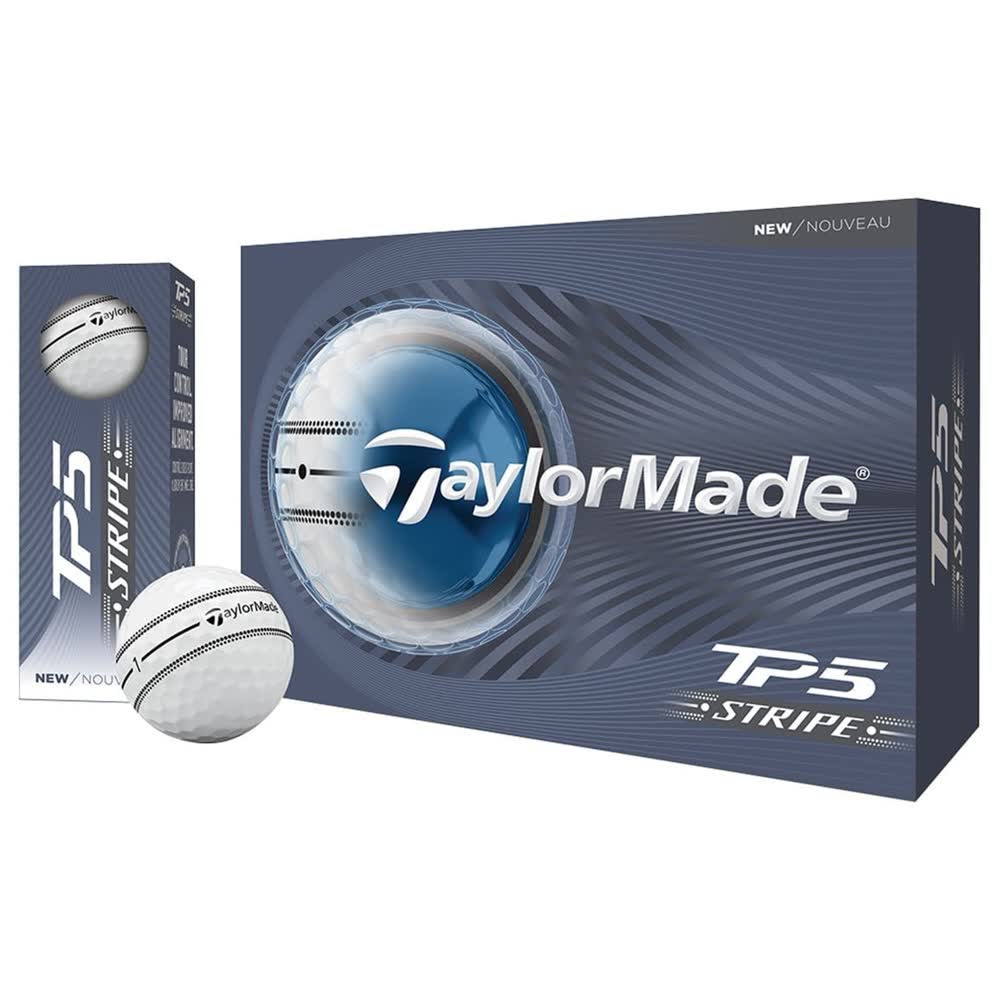
TaylorMade
TaylorMade TP5 Stripe Golf Balls

TaylorMade