
Vice Golf · Golf Balls Review
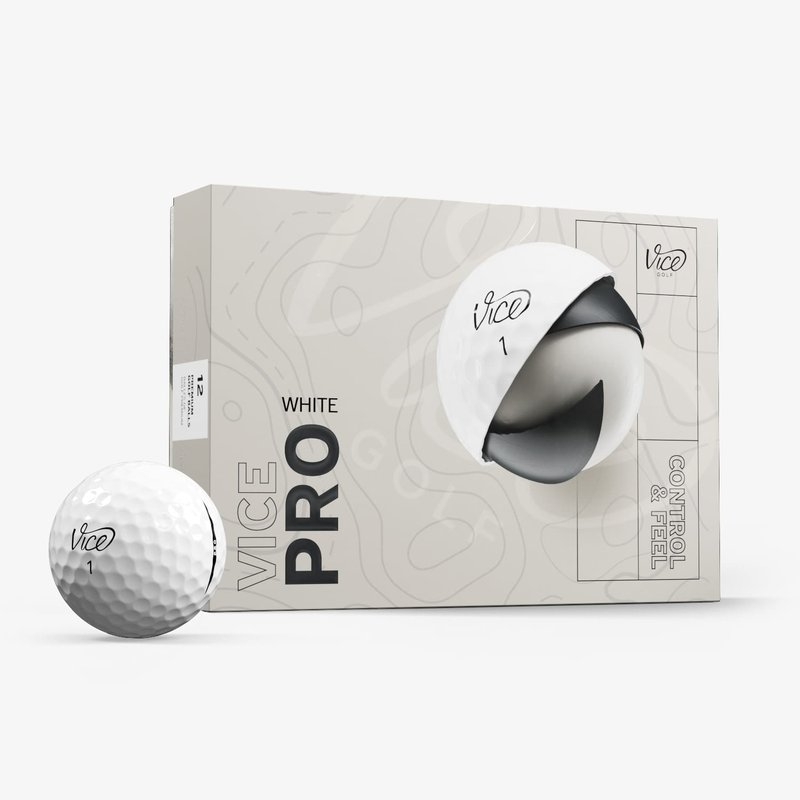
Vice Pro Golf Balls Review
Tour-urethane performance at two-thirds the price
Very Good
Tour Issue Score 8.6 · Ranked #30 of 76 in Golf Balls
Best for: Mid-handicappers wanting tour-ball performance near $35
The Bottom Line
Tour-urethane performance at two-thirds the price. The Vice Pro Golf Balls scores 8.6 out of 10 in our research-based review, a very good mark that puts it at #30 of 76 Golf Balls in our rankings. Its strongest fit: Mid-handicappers wanting tour-ball performance near $35.
Full Review
The Short Version
The Vice Pro is a 3-piece cast-urethane tour ball for $34.99 a dozen, roughly $20 less than the Pro V1. Independent robot testing confirms it belongs in the premium conversation: balanced spin, strong iron distance, and real greenside control.
Performance
In the 2025 MyGolfSpy ball test, the Vice Pro profiled as the true middle ground of the Vice lineup: mid-spin off the driver, strong carry with irons across swing speeds, and 5,773 rpm of wedge spin, comfortably in urethane territory, between the higher-spinning Pro Plus and the softer Pro Air. It is a higher-flying ball that does not balloon, which suits the mid-handicapper's typical miss.
Off the tee, spin stays in a playable window and the ball holds its line. There is no weird gear-effect quirk to tune around, which makes it an easy switch from any major OEM ball.
Feel
Compression sits around 90, medium-firm, with a clean click off the putter face and enough softness on chips to feel premium. It splits the difference between the Pro V1 and TP5 in firmness. Durability is a genuine strength: the cover shrugs off cart paths and tree bark as well as balls costing far more.
Distance and Flight
The Vice Pro is a higher-flying ball that still produces strong distance. In high-speed iron testing it ranked among the longest firm options, and its neutral flight means it does not balloon in the wind or dive unexpectedly. For the mid-handicapper's typical 90-105 mph driver swing, it delivers tour-level ball speeds with a spin profile that keeps the ball in play.
Short Game
This is where urethane earns its money. Chips check, pitches stop, and full wedges generate the kind of one-hop-and-stop action that Surlyn balls simply cannot produce. At 5,773 rpm on a 35-yard wedge test, the Vice Pro sits squarely in the playable urethane band, not the spinniest ball tested, but comfortably clear of the low-spin pretenders. Most golfers will never notice the few hundred rpm gap to the Pro V1.
Value
This is the entire argument. At $34.99 a dozen (less in bulk or multi-dozen bundles), the Vice Pro undercuts every big-OEM urethane ball by $10-$20 while giving up very little in measured performance. For golfers who lose a few balls a round, the math is overwhelming.
Who Should Buy It
Mid-handicappers (roughly 8-20) who want tour-ball spin and feel without tour-ball pricing. Competitive amateurs on a budget. Golfers who like expressive designs, the Drip patterns are genuinely fun. Very high-speed players chasing maximum wedge spin should look at the Pro Plus or Pro V1 instead.
Verdict
The best price-to-performance ratio in urethane golf balls. It will not beat a Pro V1 in every category, but at two-thirds the price it does not need to. This is a research-based review: we analyzed specs, independent robot test data, and published reviews.
What We Like
- Cast urethane cover at $34.99/dozen
- MyGolfSpy: balanced mid-spin profile, 5,773 rpm wedge spin
- Strong iron distance across swing speeds
- Excellent durability round after round
- Bold designs plus classic white
What to Consider
- Wedge spin trails Pro V1/TP5 slightly
- Direct-to-consumer model means no pro shop fitting
- Drip designs cost the same but divide opinion
- Not the longest option for very high swing speeds
Specifications
| Compression | ~90 |
|---|---|
| Construction | 3-piece, cast urethane cover |
| Price | $34.99/dozen |
| Spin (35-yd wedge) | ~5,773 rpm (MyGolfSpy 2025) |
| Variants | White, Drip designs, colors |
Score Breakdown
Scores are research-based, drawn from manufacturer specs, tour adoption, and published independent test data. How we score
More Balls Reviews
All Balls →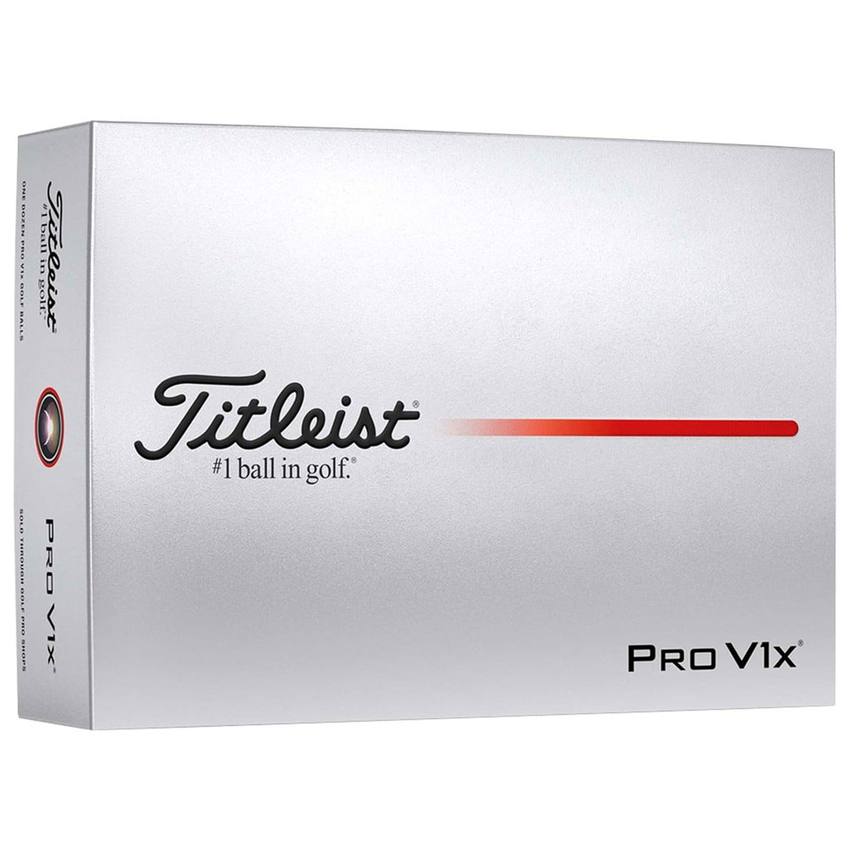
Titleist
Titleist Pro V1x Golf Balls (2025)
Callaway
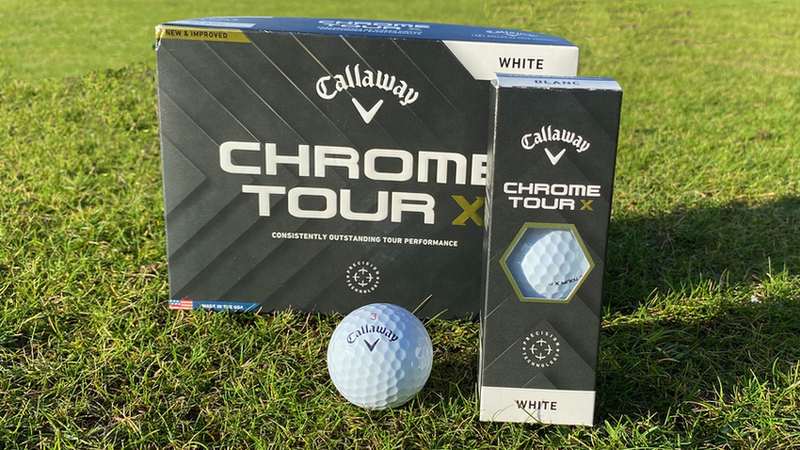
Callaway Chrome Tour X Golf Balls
Titleist
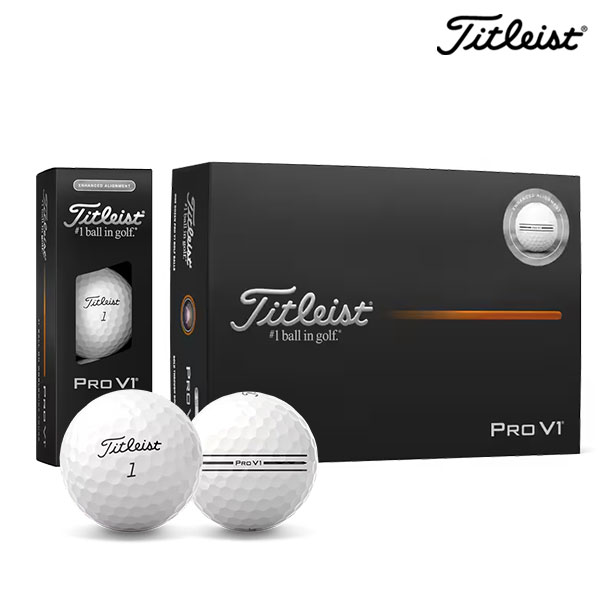
Titleist Pro V1 Golf Balls (2025)
Callaway
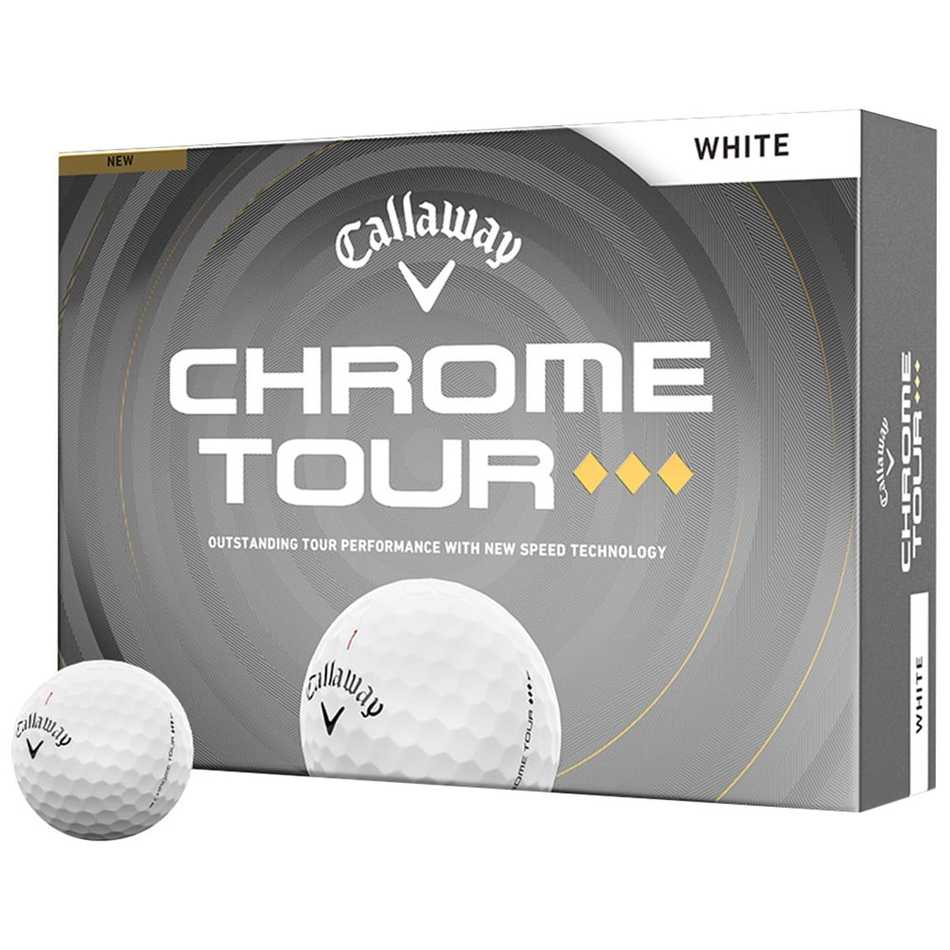
Callaway Chrome Tour Triple Diamond Golf Balls
Srixon
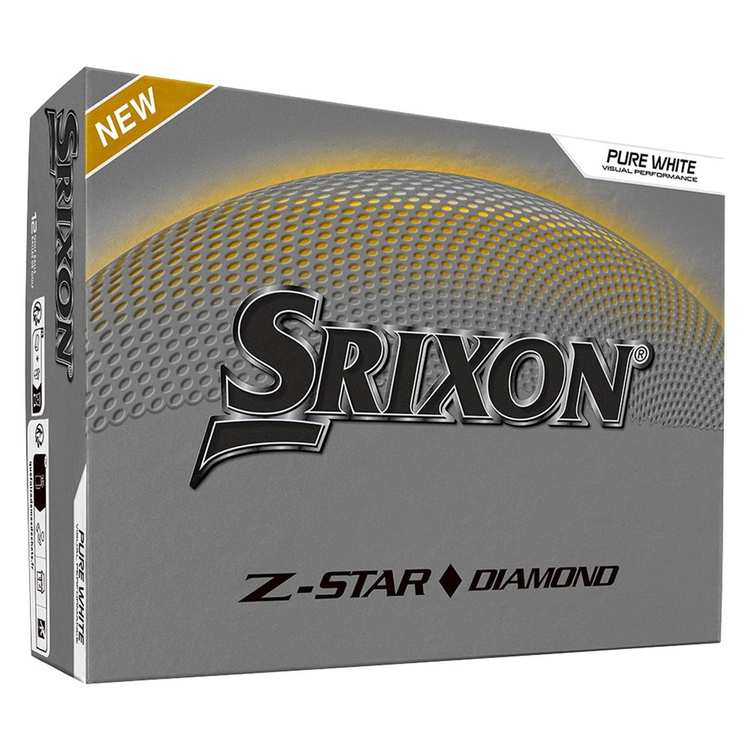
Srixon Z-Star Diamond Golf Balls
Maxfli
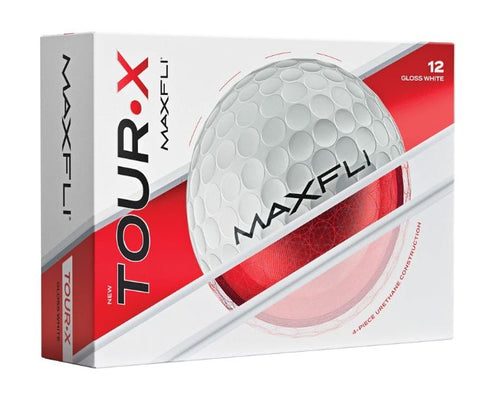
Maxfli Tour X Golf Balls
Srixon
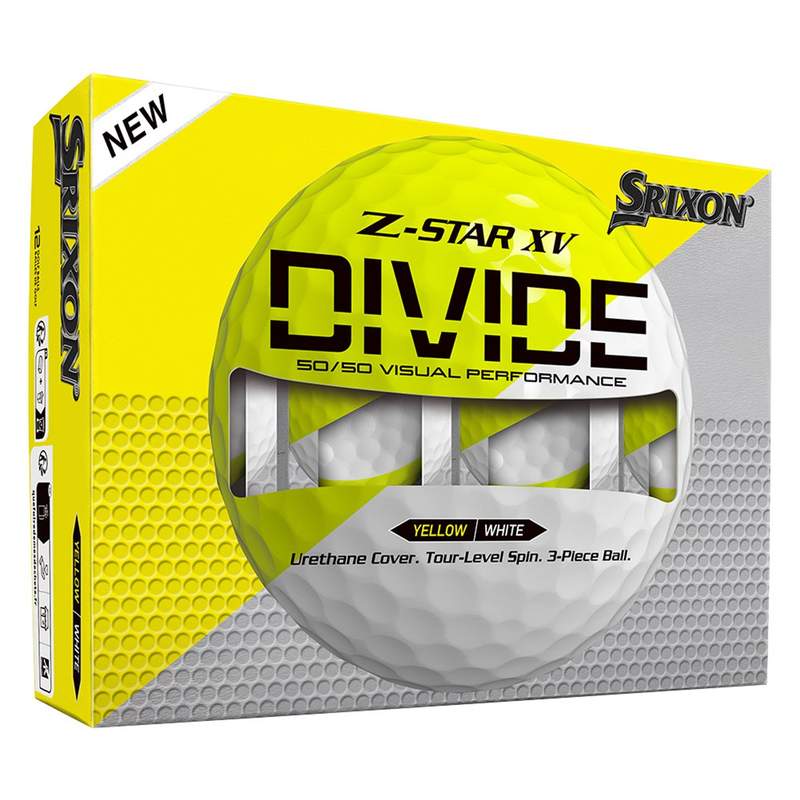
Srixon Z-STAR XV DIVIDE Golf Balls
TaylorMade