
Top Flite · Golf Balls Review
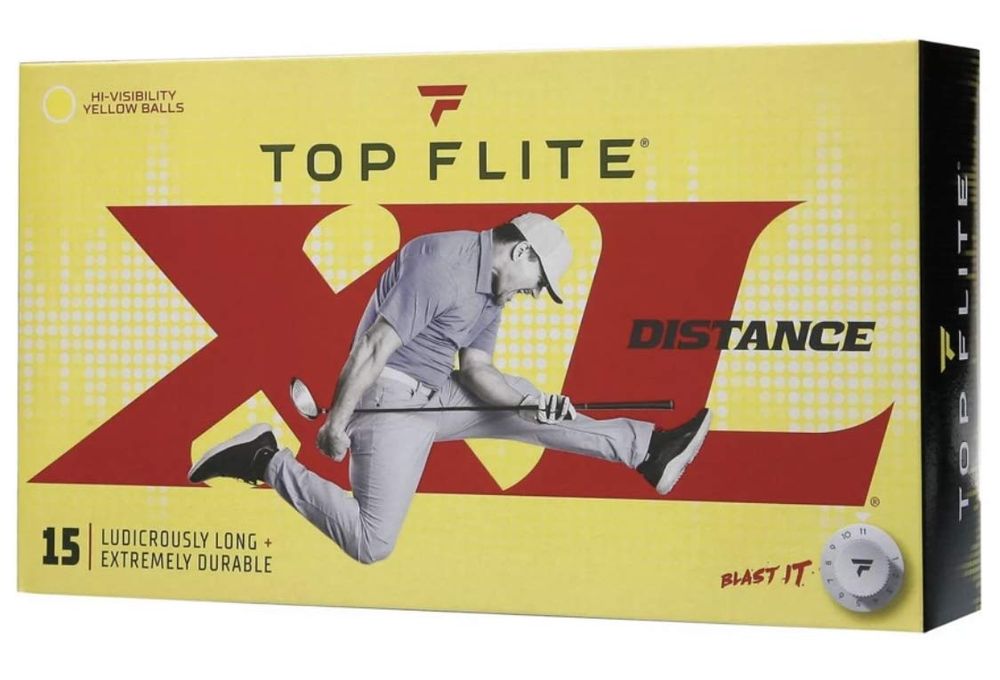
Top Flite XL Distance Golf Balls Review
The 'Rock Flite' nickname is documented, and so is the spin it cannot make
Below Average
Tour Issue Score 5.9 · Ranked #69 of 76 in Golf Balls
Best for: Brand new golfers buying bulk practice and water hole balls who expect to lose several balls per round
The Bottom Line
The 'Rock Flite' nickname is documented, and so is the spin it cannot make. The Top Flite XL Distance Golf Balls scores 5.9 out of 10 in our research-based review, a below average mark that puts it at #69 of 76 Golf Balls in our rankings. Its strongest fit: Brand new golfers buying bulk practice and water hole balls who expect to lose several balls per round.
Full Review
The Short Version
The Top Flite XL Distance is a two piece budget ball sold only through Dick's Sporting Goods and Golf Galaxy, Top Flite being a Dick's house brand, in 15 ball packs at $19.99 and bulk packs up to 60 balls. Its reputation precedes it: golfers have called Top Flite balls 'Rock Flites' for decades, and the published evidence says the nickname is earned. The manufacturer's own product copy states that the thin ionomer cover minimizes spin, and when MyGolfSpy put a launch monitor behind one, a gap wedge produced 3,675 rpm against 5,307 rpm for a premium ball from the same swing. Hard, low spinning, and hard to stop: that is the whole profile.
Performance
Start with the maker's own words, because they settle the argument. The Dick's product listing describes a large, high speed core and a 'thin, cut-proof ionomer cover' that 'minimizes spin and enhances durability.' Minimized spin is a feature off the driver and a defect everywhere else. MyGolfSpy's Scratch By 50 series measured it directly: the same golfer, same gap wedge, same hole produced 5,307 rpm of backspin with a Titleist Pro V1, which checked and pulled back, and 3,675 rpm with the Top Flite XL, which landed and rolled away. MyGolfSpy also notes the XL Distance has never earned a place in its annual ball test field and that no ionomer ball performed well greenside in its most recent test. Independent worst ball roundups go further, reporting that the XL Distance does not even deliver the extra distance its name promises against comparable budget balls.
Forgiveness
The low spin flight does forgive a slice off the tee, and the cut proof cover survives mishits that would shred a urethane ball, which is why the bulk packs sell to beginners. But forgiveness for a developing player means predictable scoring shots, and this ball offers the opposite. Golf Club Nation's high handicapper roundup calls the cover rock hard and jarring at impact, especially for players who do not find the sweet spot, and flags the lack of spin and poor greenside performance as a direct obstacle for players still building a short game. A beginner learning on a ball that cannot check learns distances that no better ball will repeat.
Feel and Sound
Feel is the most documented weakness in the entire research file. GolfersAuthority's Top Flite retrospective recalls the balls being called 'Rock Flites' because of how hard they were around the green. Golf Workout Program's worst balls list describes the XL Distance as hard as a rock with an awful sound at impact, and owner feedback in review roundups repeats the theme, including reports of a harsh, rock like strike on short shots where touch matters most. On the putting green, where pace feedback is the whole job, a hard ionomer ball gives back the least information in the category.
Value
The bulk math is the one real argument: 48 and 60 count packs drop the per ball cost under a dollar, so a lost ball is painless. The 15 pack at $19.99, however, sits on the same shelf as far better balls. Our catalog reviews the Srixon Soft Feel at 8.1 out of 10 and the TaylorMade SpeedSoft at 8.2, both at $24.99 a dozen, with soft feel and published greenside spin the XL Distance cannot approach. Paying near name brand budget money for a ball whose own manufacturer advertises minimized spin is poor value; paying bulk practice ball money for it is the only version of the deal that works.
Who Should Buy It
Buy the bulk packs only as practice balls, water hole balls, or first ever balls for a brand new golfer who expects to lose a sleeve a round. Avoid it if you keep score, if you are learning to chip and pitch, if your greens are firm, or if feel off the putter matters to you. The same money, spent on the Srixon Soft Feel or TaylorMade SpeedSoft from our catalog, buys a ball that helps a developing short game instead of fighting it.
Verdict
The XL Distance is a durability product wearing a performance name. Its own product copy promises minimized spin, launch monitor data shows exactly that around the greens, and its feel is a byword in the game for a reason. Cheap in bulk is a use case, not a recommendation. This is a research-based review synthesized from published reviews, independent test data, and manufacturer specifications; no personal testing was conducted.
What We Like
- Bulk 48 and 60 count packs drop the cost to under a dollar a ball on sale
- Cut proof ionomer cover is extremely durable and resists scuffs and cuts
- Low spin flight reduces slice curvature off the tee
- Distance Dimple design promotes a high launch that helps slower swing speeds
What to Consider
- Hard, rock like feel documented across decades of reviews, the source of the 'Rock Flite' nickname, with a harsh sound at impact
- Launch monitor comparison published by MyGolfSpy measured 3,675 rpm of gap wedge spin versus 5,307 rpm for a premium ball from the same swing
- The manufacturer's own Dick's listing states the thin ionomer cover minimizes spin, so weak greenside control is built in by design
- Independent worst ball roundups report it does not deliver the extra distance its name promises against comparable budget balls
Specifications
| Construction | 2 piece |
|---|---|
| Core | Large, high speed core |
| Cover | Thin, cut proof ionomer cover |
| Dimples | Distance Dimple Technology |
| Pack Sizes | 15, 48 and 60 count packs |
Score Breakdown
Scores are research-based, drawn from manufacturer specs, tour adoption, and published independent test data. How we score
More Balls Reviews
All Balls →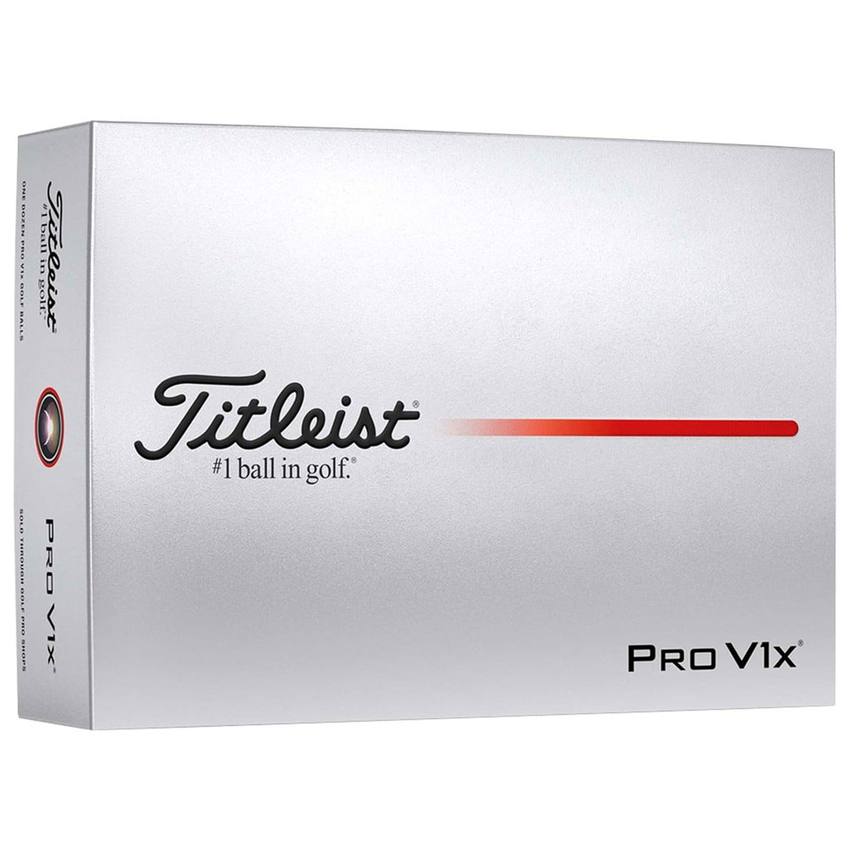
Titleist
Titleist Pro V1x Golf Balls (2025)
Callaway
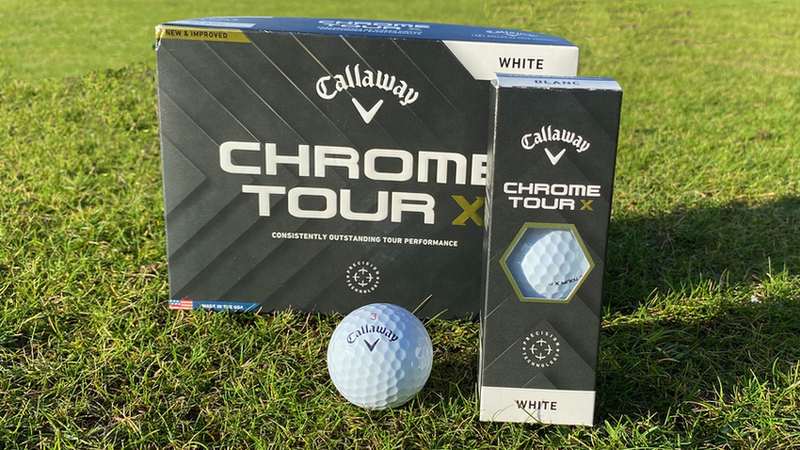
Callaway Chrome Tour X Golf Balls
Titleist
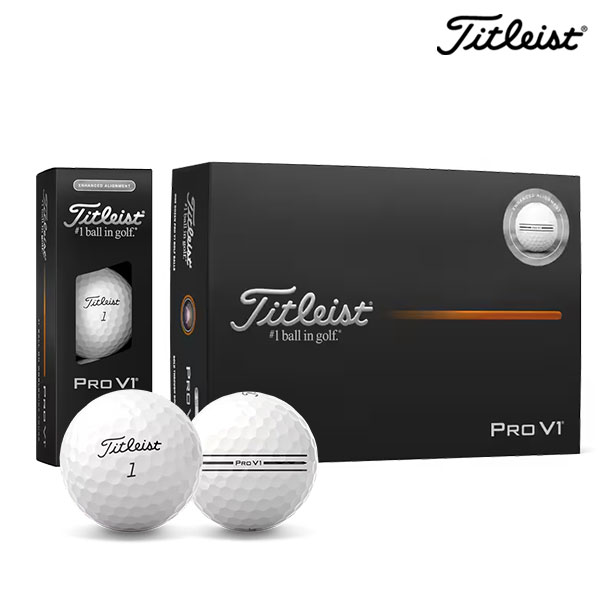
Titleist Pro V1 Golf Balls (2025)
Callaway
Callaway Chrome Tour Triple Diamond Golf Balls
Srixon
Srixon Z-Star Diamond Golf Balls
Maxfli
Maxfli Tour X Golf Balls
Srixon
Srixon Z-STAR XV DIVIDE Golf Balls
TaylorMade