
Titleist · Golf Balls Review
Titleist Pro V1 Refinished Golf Balls Review
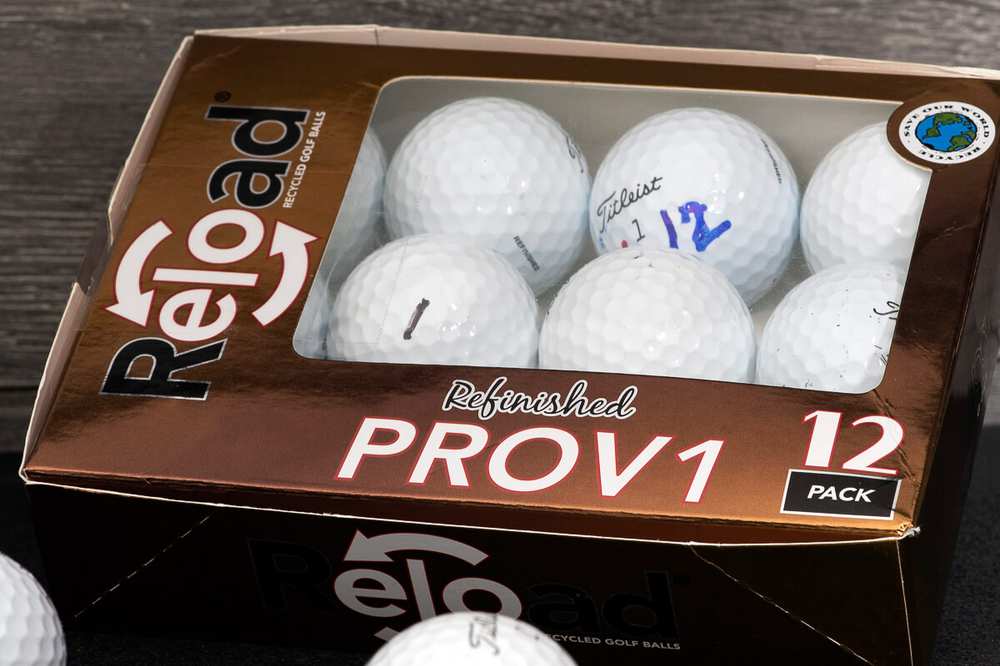
The Pro V1 stamp without the Pro V1 inside
Below Average
Tour Issue Score 5.4 · Ranked #75 of 76 in Golf Balls
Best for: Casual golfers who lose many balls and do not track score or play competition golf
The Bottom Line
The Pro V1 stamp without the Pro V1 inside. The Titleist Pro V1 Refinished Golf Balls scores 5.4 out of 10 in our research-based review, a below average mark that puts it at #75 of 76 Golf Balls in our rankings. Its strongest fit: Casual golfers who lose many balls and do not track score or play competition golf.
Full Review
The Short Version
A refinished Pro V1 is not a Titleist product in any meaningful sense. It is a used ball, often years old and often recovered from water, that a third party has chemically stripped, repainted, restamped and clear coated to look new. The cosmetics are the only new thing about it. MyGolfSpy subjected the best known example, the Reload refinished Pro V1, to its full robot ball test and Ball Lab measurement program, and the results were the worst in the test. If you care what your ball does, this is the wrong way to save money. For a ball that actually performs, buy the new Titleist Pro V1 (2025) reviewed on this site instead.
Performance
The numbers are stark. In MyGolfSpy robot testing against a new 2021 Pro V1, the refinished ball was almost 3 mph slower off the driver at 115 mph swing speed despite measuring about 12 points firmer, and it finished 13 yards shorter at that speed, 7.5 yards shorter at 100 mph and 6 yards shorter at 85 mph. With irons it was slower at all three speeds as well, losing up to 7 yards, while launching lower, flying lower and spinning considerably more than the new ball. MyGolfSpy noted the refinished balls were consistently among the slowest, and very often the slowest, balls in the entire test for both driver and irons. The mechanism is visible: extra paint fills the dimples, leaving them shallower with smoother edges, and MyGolfSpy concluded the ball cannot fly as originally designed.
Forgiveness
For a ball, forgiveness is consistency, and consistency is where refinished balls collapse. MyGolfSpy Ball Lab measured the refinished sample as bigger, heavier and far less consistent than a new Pro V1. Average weight was 1.6301 ounces against a USGA limit of 1.62, with 23 of 24 balls over the limit. Compression averaged 99 but ranged from 93 to an astounding 126 inside the sample, a spread MyGolfSpy said would redefine its Poor grade. One box also mixed 2015 and 2017 model years, two different balls sold under one stamp, and the lab found damage simply painted over rather than repaired. Two balls from the same dozen can fly like two different products, which is the opposite of forgiveness.
Feel and Sound
Feel follows the compression chaos. A ball that measures anywhere from 93 to 126 compression cannot offer a predictable sensation, and the refinishing adds a repainted, clear coated surface over a used urethane cover whose original greenside friction is gone. Forum discussion summarized by MyGolfSpy community members returns to the same complaint: refinished balls do not feel or spin like the original around the green. Sellers own disclosures concede the point in legal language, stating refinished balls are not endorsed or approved by the original manufacturer, carry no manufacturer warranty, and are subject to performance variations from new balls.
Value
The pitch is price: roughly $25 to $30 a dozen against about $55 for new Pro V1. It is a false economy. You are paying half price for a ball that gives up 6 to 13 yards, flies inconsistently, sits outside USGA weight limits in most samples, and cannot be trusted in any round you post or compete in. MyGolfSpy takeaway was blunt: do not buy refinished balls, and if saving money is the goal, buy a well regarded direct to consumer urethane ball or premium grade recycled balls that were only cleaned, never stripped and repainted, from a reputable seller. Both routes cost similar money and deliver a ball whose identity you actually know.
Who Should Buy It
Almost nobody who keeps score. The only defensible use is as a disposable water ball or backyard practice ball for a casual golfer who loses a dozen a round and places zero value on flight or feel. Everyone else should avoid it: competitive players, handicap posters, and anyone who chose the Pro V1 name expecting Pro V1 performance. The better alternative is already on this site: the new Titleist Pro V1 (2025) for golfers who want the real ball, or a new value urethane ball at a similar street price to the refinished dozen.
Verdict
Refinished Pro V1s sell you the stamp and keep the performance. The published robot and lab evidence shows a slower, shorter, heavier and wildly inconsistent ball that Titleist did not make, does not endorse and does not warrant. This is the rare product where the cheap option costs you strokes as well as dollars. Do not buy them. This is a research-based review synthesized from published reviews, independent test data, and manufacturer specifications; no personal testing was conducted.
What We Like
- Costs roughly half the price of a new dozen Pro V1, typically around $25 to $30
- Looks clean and unmarked on the shelf, with logos and player marks removed in refinishing
- Fine as a water ball or practice ball where losing it carries no scoring cost
What to Consider
- MyGolfSpy robot testing: 13 yards shorter off the driver at 115 mph, and slower at every speed with driver and irons
- Ball Lab found 23 of 24 sampled balls over the USGA weight limit, with compression ranging from 93 to 126 in one box
- Repainting fills dimples, making them shallower with smoother edges, so the ball cannot fly as originally designed, per MyGolfSpy
- A single box can mix model years (MyGolfSpy found 2015 and 2017 Pro V1s together), and there is no Titleist warranty or endorsement
Specifications
| Construction | Used Pro V1 balls, chemically stripped, repainted, restamped and clear coated by third party refinishers; not made or endorsed by Titleist |
|---|---|
| Identity | Model years mixed within boxes (2015 and 2017 found together by MyGolfSpy); stamped Refinished where labeled |
| Key Facts | No Titleist warranty; MyGolfSpy Ball Lab average weight 1.6301 oz vs 1.62 oz USGA limit; compression spread 93 to 126 |
| Options | Sold by the dozen under brands such as Reload and assorted marketplace sellers |
Score Breakdown
Scores are research-based, drawn from manufacturer specs, tour adoption, and published independent test data. How we score
More Balls Reviews
All Balls →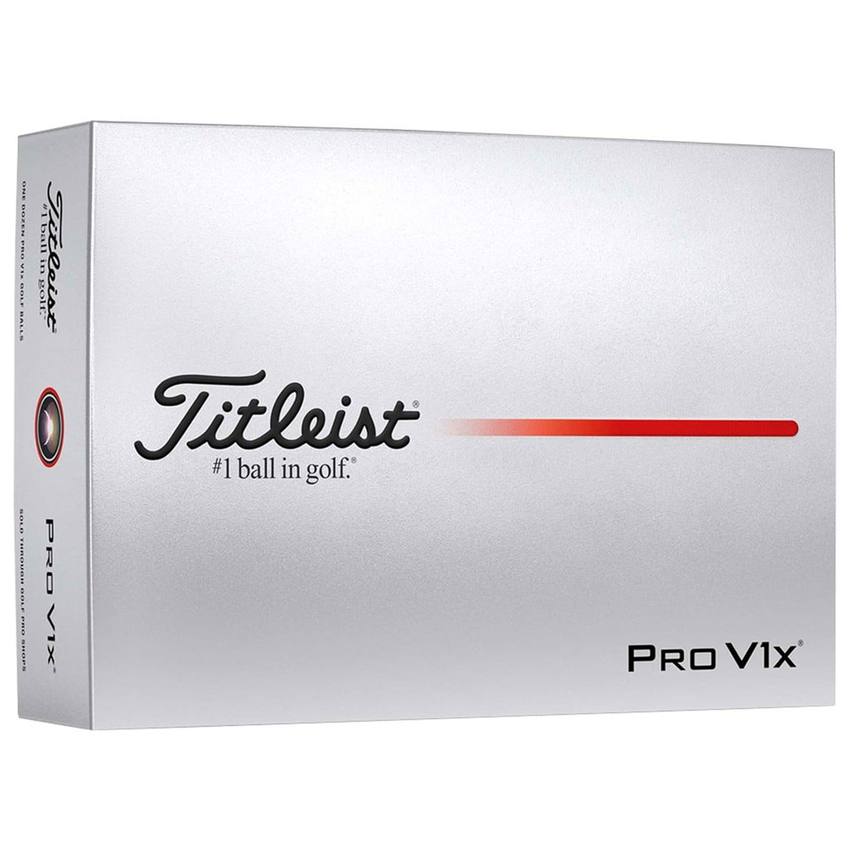
Titleist
Titleist Pro V1x Golf Balls (2025)
Callaway
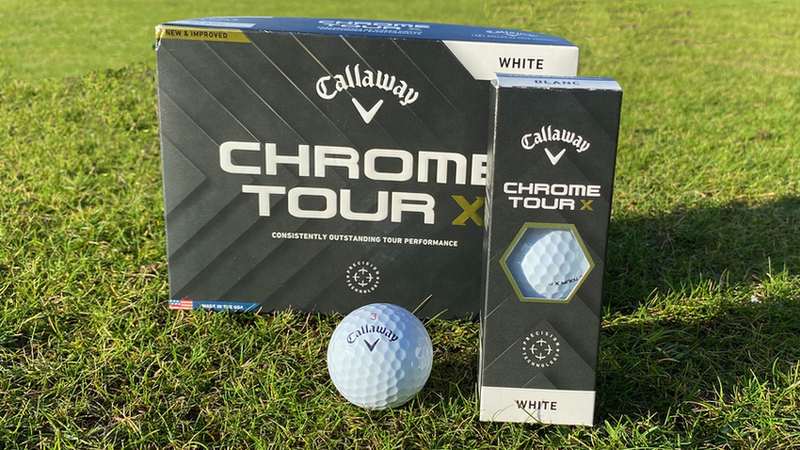
Callaway Chrome Tour X Golf Balls
Titleist
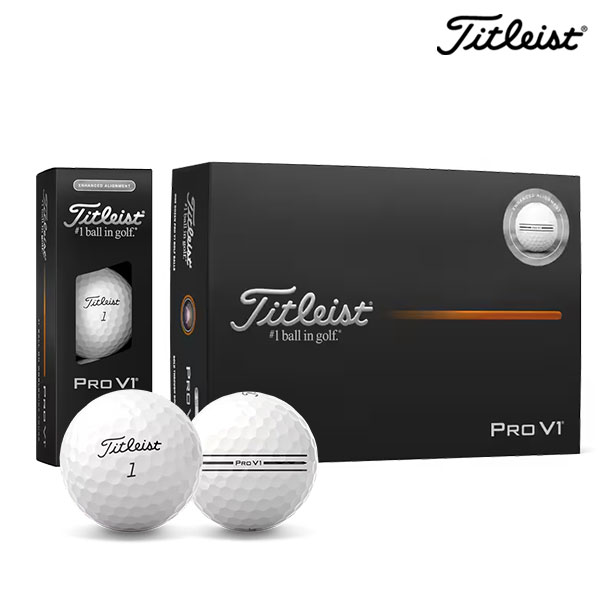
Titleist Pro V1 Golf Balls (2025)
Callaway
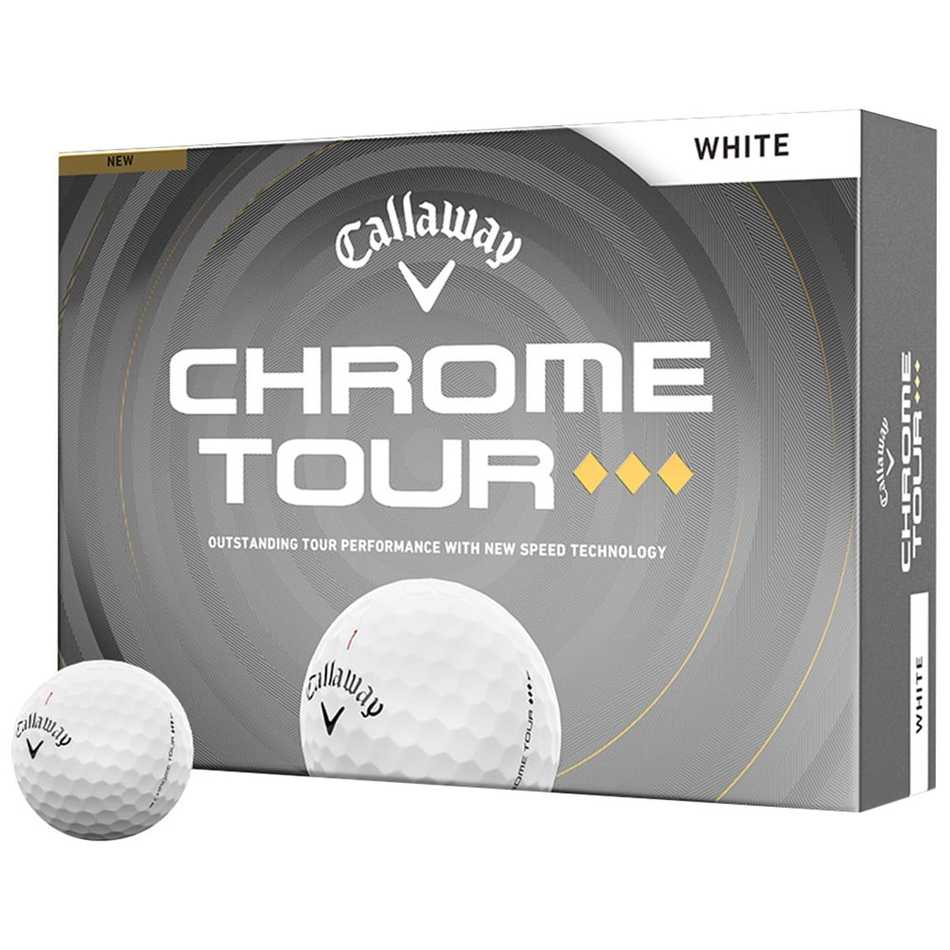
Callaway Chrome Tour Triple Diamond Golf Balls
Srixon
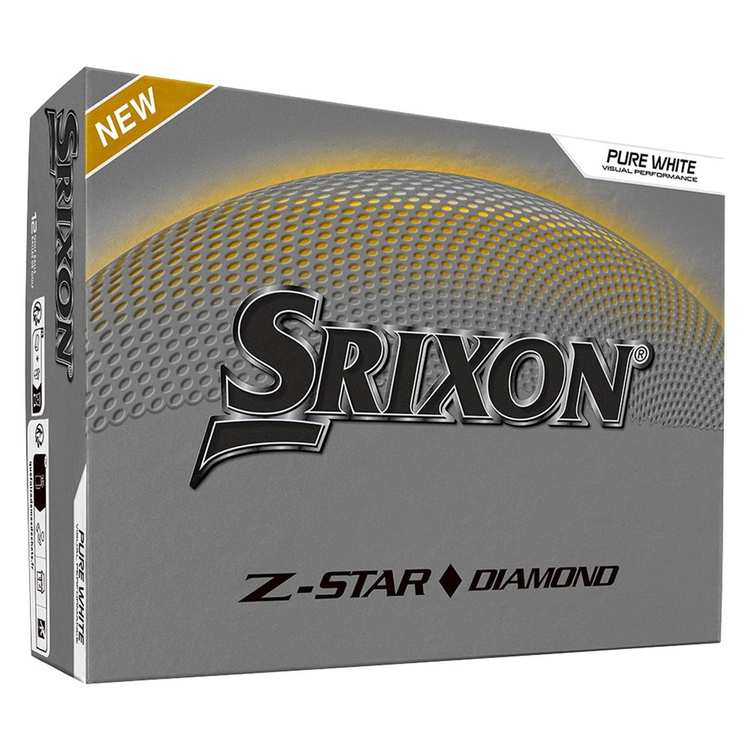
Srixon Z-Star Diamond Golf Balls
Maxfli
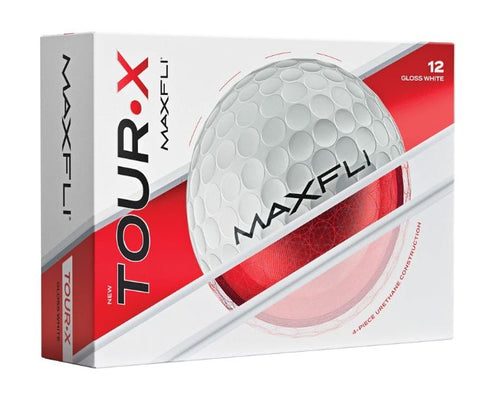
Maxfli Tour X Golf Balls
Srixon
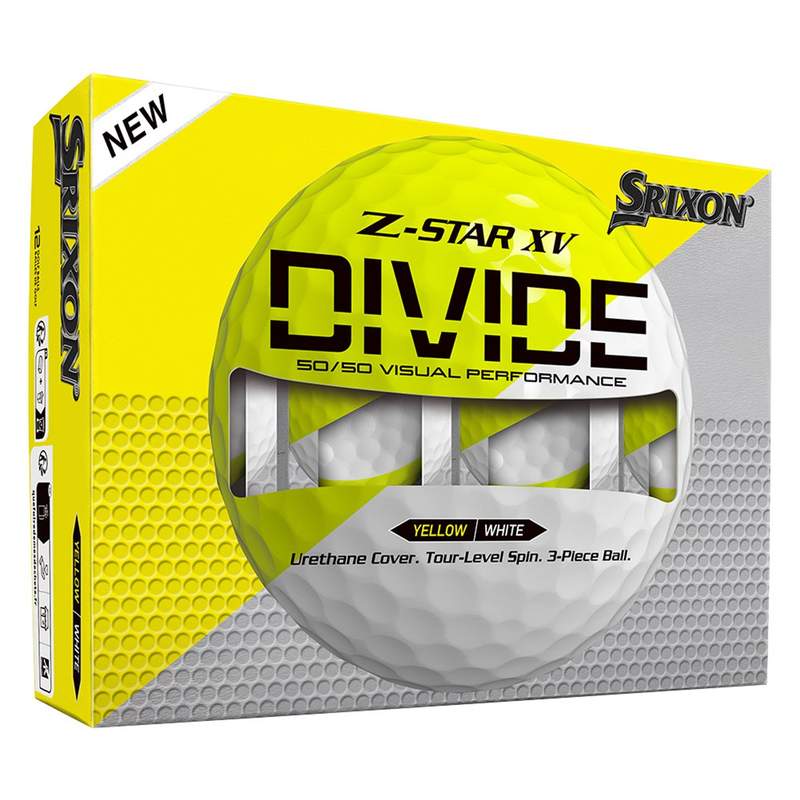
Srixon Z-STAR XV DIVIDE Golf Balls
TaylorMade