
TaylorMade · Golf Balls Review
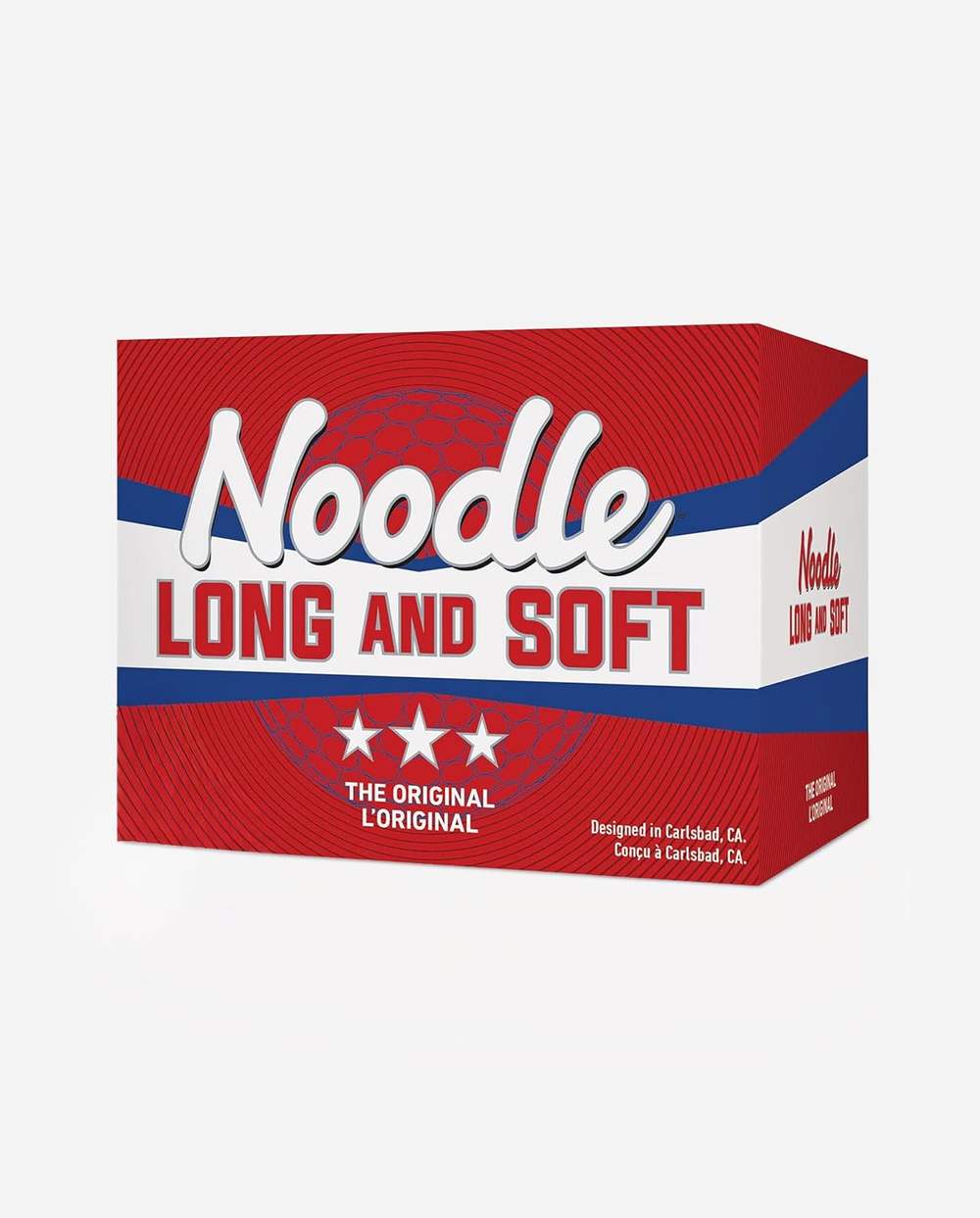
TaylorMade Noodle Long & Soft Golf Balls Review
A dollar-a-ball staple whose softness claim and quality control do not survive independent measurement
Below Average
Tour Issue Score 6.2 · Ranked #65 of 76 in Golf Balls
Best for: Casual and recreational golfers who lose balls often and want the lowest possible cost per ball
The Bottom Line
A dollar-a-ball staple whose softness claim and quality control do not survive independent measurement. The TaylorMade Noodle Long & Soft Golf Balls scores 6.2 out of 10 in our research-based review, a below average mark that puts it at #65 of 76 Golf Balls in our rankings. Its strongest fit: Casual and recreational golfers who lose balls often and want the lowest possible cost per ball.
Full Review
The Short Version
The Noodle Long & Soft is a two-piece Surlyn-type ball sold in 15-ball packs for roughly a dollar a ball, and it has been a big-box staple for two decades. Its reputation rests on the name: long, and soft. Independent measurement supports only half of that. MyGolfSpy Ball Lab gauged the ball at 69 compression against a marketed figure of 34, flagged 11 percent of its sample as bad balls, and found one sample dozen that differed measurably from the other two in compression, weight, and diameter. It is a cheap, straight, serviceable ball. It is not the ultra-soft, consistent product the packaging implies, and better budget balls now exist at similar money.
Performance
At moderate swing speeds the Noodle does its basic job. Independent coverage places it in the 70 to 95 mph driver window, where its low-spin flight keeps the ball straighter and carry is respectable for the class. The ceiling is the cover. The ionomer cover produces roughly 30 to 40 percent less wedge spin than a urethane cover, a figure repeated across independent reviews, so approach shots and pitches land and release rather than check. Big Tees Golf World, scoring the ball category by category, rated distance 4.3 out of 5 but greenside performance just 2.5 out of 5, which matches the pattern in most published coverage: acceptable tee to green, weak where scoring shots are played. Faster swingers get less from it, because the design has no extra ball speed to give.
Forgiveness
Forgiveness is the Noodle's best trait, and it is the ordinary two-piece kind. Low driver spin tames the curvature on slices and hooks, the flight is stable, and at about a dollar a ball the financial forgiveness is real: a lost ball costs almost nothing. What undercuts it is consistency. Ball Lab's finding that 11 percent of sampled balls failed for concentricity, with a whole dozen measuring differently from its siblings, means some balls in the pack will not fly like the others. Forgiveness you cannot trust from ball to ball is a weaker product than the straight flight alone suggests, particularly for a golfer trying to build repeatable distances.
Feel and Sound
The name promises soft, and the gauge disagrees. A ball marketed at 34 compression that measures 69 on MyGolfSpy's Ball Lab gauge sits squarely in mid-compression territory, alongside ordinary two-piece balls that make no softness claim at all. Truly soft rivals measured by the same lab, such as the Wilson Duo Soft at 35 and the Callaway Supersoft at 38, feel noticeably softer. In play the Noodle feels firmer and clickier than its name, especially off the putter, and buyer feedback is mixed in exactly the way that predicts: many golfers call it soft enough, while others report a harder strike than expected and, in some Amazon reviews, balls that split in play. Feel is not bad. It is simply not the headline feature it is sold as.
Value
The sticker is the argument: 15-ball packs commonly sell around $20, and 24-ball packs push the per-ball cost close to a dollar. Ball Lab's True Price metric, which adjusts for off-spec balls in each pack, put the effective cost about 13 percent above retail, a quiet tax on the headline price. The deeper value problem is the neighborhood. TaylorMade's own SpeedSoft, at $24.99 a dozen, is a current, genuinely sub-50 compression design with published robot data behind it, and the Noodle's dated two-piece design has not been developed alongside TaylorMade's mainline balls: TaylorMade's own store currently lists its Noodle packs as unavailable. Cheap is a virtue. Cheap, inconsistent, and standing still is a weaker one.
Who Should Buy It
Buy it if the brief is purely recreational: casual rounds, practice balls you intend to lose, and a hard ceiling of about a dollar a ball. Avoid it if you play competition golf and need ball-to-ball consistency, if you depend on wedge check around the greens, if you swing the driver above roughly 95 mph, or if genuinely soft feel is what drew you to the name, because the measured ball does not deliver it. The better alternative is the TaylorMade SpeedSoft (reviewed in this catalog): it is TaylorMade's current soft budget ball, it is softer by measurement, and its performance has been verified in independent robot testing rather than carried by a twenty-year-old reputation.
Verdict
The Noodle Long & Soft survives on price and familiarity, and the research supports only modest claims beyond that. The softness is a marketing figure that independent measurement contradicts, quality control flagged one ball in nine as bad, and greenside spin is near the bottom of its class. For a dollar a ball it remains playable. As a recommendation, it has been passed by better budget balls, including one from its own brand. This is a research-based review synthesized from published reviews, independent test data, and manufacturer specifications; no personal testing was conducted.
What We Like
- Among the cheapest branded balls sold, often near a dollar a ball in 15 and 24 ball packs
- Low-spin flight helps moderate swing speeds, roughly 70 to 95 mph, keep the ball straighter
- Respectable distance for its class at moderate swing speeds in independent coverage
- USGA conforming and easy to find at big-box retailers
What to Consider
- Marketed 34 compression measured 69 by MyGolfSpy Ball Lab, squarely mid-compression, so the soft in the name overpromises
- Ball Lab flagged 11 percent of its sample as bad balls for concentricity, and one sample dozen differed in compression, weight, and diameter
- Ionomer cover produces roughly 30 to 40 percent less wedge spin than urethane, so short shots run out
- Some buyer reviews report balls splitting in play, and the clicky putter feel contradicts the soft branding
- Dated design TaylorMade no longer develops in its mainline range: its own store lists Noodle packs as unavailable
Specifications
| Construction | 2-piece |
|---|---|
| Cover | Soft iothane (Surlyn-type ionomer) |
| Compression | 34 marketed, 69 measured by MyGolfSpy Ball Lab |
| Dimples | 342 |
| Core | Impact Propulsion Core |
| Pack | 15 balls |
Score Breakdown
Scores are research-based, drawn from manufacturer specs, tour adoption, and published independent test data. How we score
More Balls Reviews
All Balls →
Titleist
Titleist Pro V1x Golf Balls (2025)
Callaway
Callaway Chrome Tour X Golf Balls
Titleist
Titleist Pro V1 Golf Balls (2025)
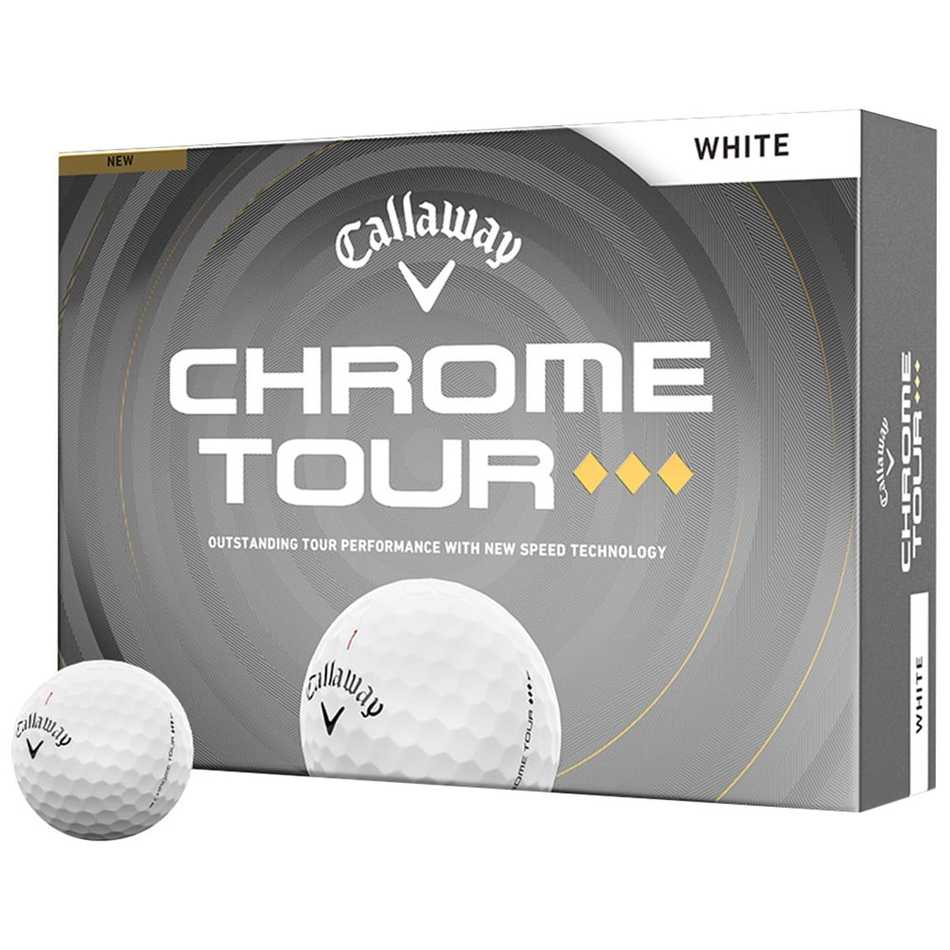
Callaway
Callaway Chrome Tour Triple Diamond Golf Balls
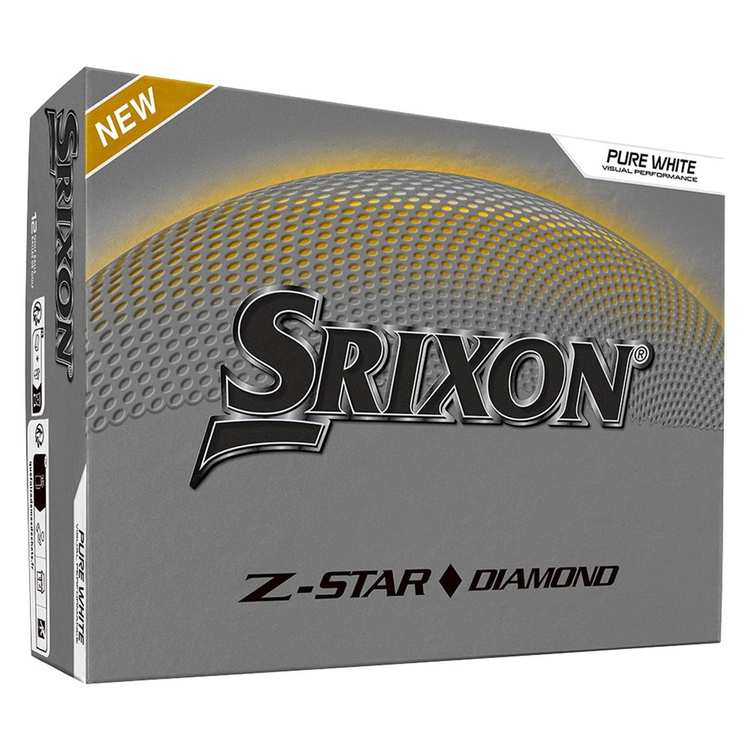
Srixon
Srixon Z-Star Diamond Golf Balls
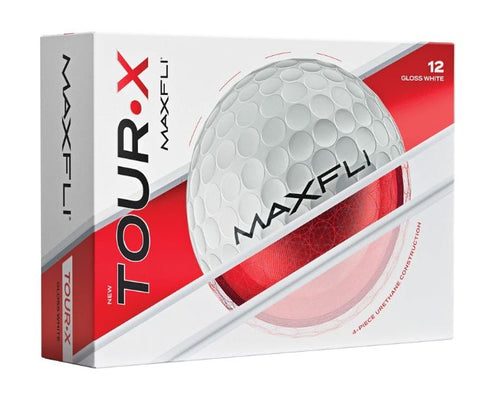
Maxfli
Maxfli Tour X Golf Balls
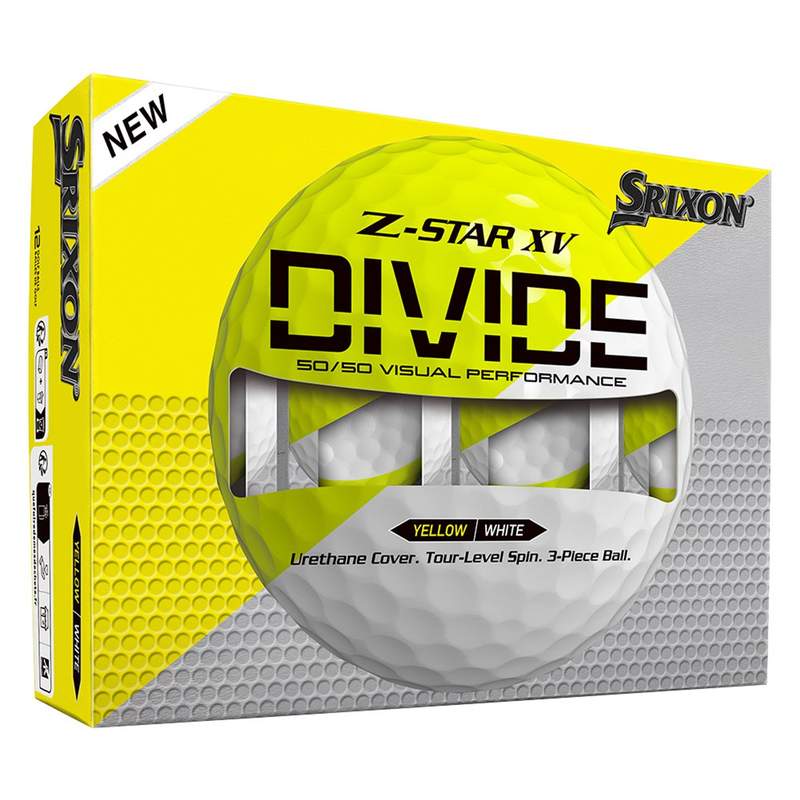
Srixon
Srixon Z-STAR XV DIVIDE Golf Balls
TaylorMade