
Snell · Golf Balls Review
Snell MTB Prime Golf Balls Review
A urethane tour ball at a direct-to-consumer price
Very Good
Tour Issue Score 8.4 · Ranked #39 of 76 in Golf Balls
Best for: Moderate swing speed golfers who want urethane tour ball spin and soft feel at a direct-to-consumer price
The Bottom Line
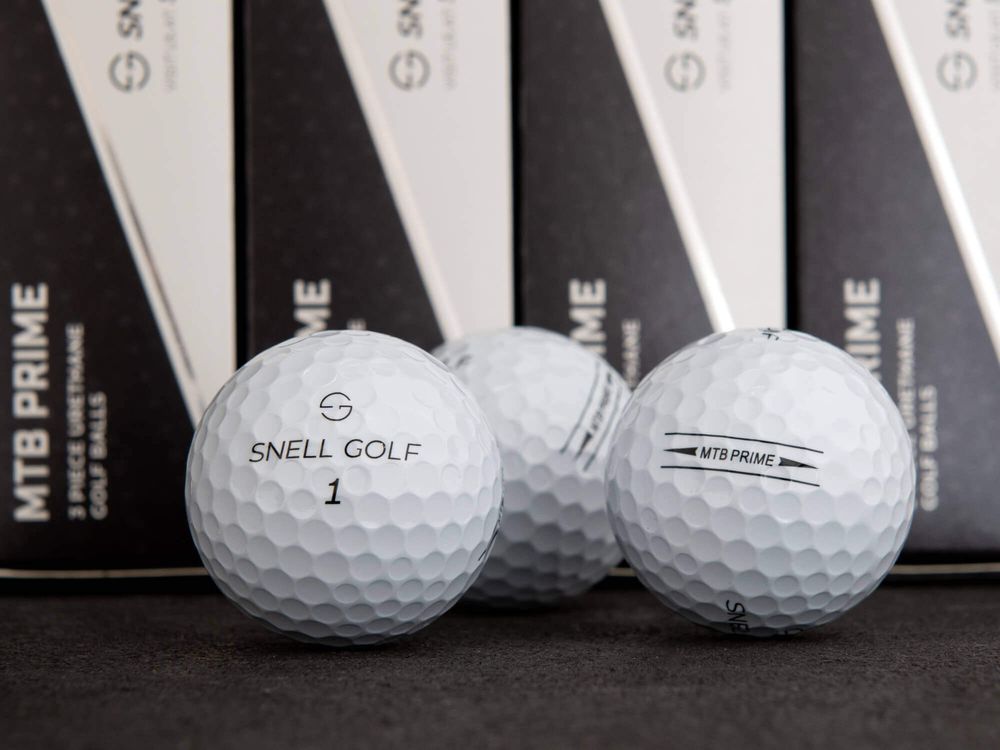
A urethane tour ball at a direct-to-consumer price. The Snell MTB Prime Golf Balls scores 8.4 out of 10 in our research-based review, a very good mark that puts it at #39 of 76 Golf Balls in our rankings. Its strongest fit: Moderate swing speed golfers who want urethane tour ball spin and soft feel at a direct-to-consumer price.
Full Review
The Short Version
The MTB Prime carried Snell's direct-to-consumer promise into its second generation: a three-piece urethane ball designed by Dean Snell, a co-inventor of the original Pro V1, sold at $32.99 a dozen when big-brand tour balls cost far more. It pairs a soft, low to mid 80s compression feel with low driver spin, a slightly lower flight and a bit more iron spin than its firmer Prime X sibling, and a 332-dimple pattern tuned to match that spin profile. Published coverage praised the performance and the value in equal measure. The honest caveats are durability reports that dogged this generation, the switch from cast to injection molded urethane, and the fact that Snell has since replaced the MTB Prime with its numbered Prime line, so availability now runs through remaining stock.
Performance
The performance brief was tour ball behavior without the tour ball markup, and the MTB Prime largely delivered. MyGolfSpy's launch coverage measured early samples in the low to mid 80s compression range, the softer of the two Prime models, with low spin off the driver, a lower and more controlled flight than the Prime X, and slightly higher spin in the iron game where scoring shots are played. The 332-dimple pattern was revised in depth and edge angle to create what Snell calls a spin-matched design, tuning aerodynamics to each model's spin characteristics. Reviewers and long-term player reports describe a ball that performs close to the mainstream tour balls it was priced against, with strong greenside check from the urethane cover and stable flight in wind. Nothing in the published record suggests it gives away meaningful yardage or control to balls costing $20 more a dozen.
Forgiveness
A three-piece urethane ball forgives differently from a distance ball. The MTB Prime will not straighten a slice the way a low-spin ionomer design can, and its iron spin, higher than the Prime X by design, will curve more when the swing adds sidespin. What it offers instead is consistency: a flight that repeats, spin that holds greens rather than releasing through them, and a compression moderate swing speeds can work with, unlike 100-plus compression tour balls that only reward fast swings. For the mid-handicap golfer whose misses are thin contact and inconsistent distance rather than wild direction, that predictability is the useful kind of forgiveness.
Feel and Sound
Feel is a strength. The standard Prime is the soft ball of its pair, and player reports describe a soft yet solid strike on full shots and a responsive, checky response on chips and pitches, the urethane signature ionomer balls cannot copy. The qualification is durability, which belongs in any honest feel discussion for this generation: the injection molded TPU cover, a change from the cast urethane Dean Snell had long championed, drew repeated forum reports of scuffing faster than rival tour balls, and the Prime X variant produced well-documented cracking complaints after only a handful of wedge shots. Standard Prime owners reported milder versions of the same wear, including markings fading quickly. The ball feels premium in play; it just may not stay pretty, or intact, as long as the most durable tour balls.
Value
Value is the headline and it is not close. At $32.99 a dozen, dropping to $29.99 in the five-dozen pack, the MTB Prime undercut the Pro V1 class by roughly $20 a dozen while offering genuine urethane greenside performance and a designer pedigree no other budget ball can match. Two honest deductions apply. First, if the cover scuffs or cracks early, the per-round cost rises and the saving shrinks, so heavy wedge spinners should factor in faster turnover. Second, Snell reorganized its line in 2024 around the Prime 2.0, 3.0, and 4.0, so the MTB Prime is a legacy model: buy it where stock remains at or below its old price, and do not pay a scarcity premium for a discontinued ball.
Who Should Buy It
Buy the MTB Prime if you want urethane spin and a soft tour-style feel, swing at moderate speeds, and refuse to pay flagship prices for it, especially if you can still find multipack pricing. It suits the improving golfer moving up from ionomer balls who wants to learn to check a wedge shot. Look elsewhere if you are hard on covers with high-spin wedge play and expect a ball to survive several rounds unscuffed, if you need to buy balls in a pro shop rather than online, or if you want a current model with full factory support, in which case Snell's own Prime 3.0 is the direct successor to compare.
Verdict
The MTB Prime made the strongest value argument in the urethane category: real tour-ball ingredients, a soft playable flight, and a price that embarrassed the big brands. Its legacy is qualified by cover durability complaints and by Snell's decision to rebuild the line, but as a performance-per-dollar proposition it remains easy to recommend where stock and pricing hold. This is a research-based review synthesized from published reviews, independent test data, and manufacturer specifications; no personal testing was conducted.
What We Like
- Three-piece urethane cover delivers genuine greenside check at $32.99 a dozen, about $20 under flagship tour balls
- Soft low to mid 80s compression that moderate swing speeds can compress, unlike 100-plus compression tour balls
- Low driver spin with a lower flight and slightly more iron spin than the firmer Prime X
- 332-dimple pattern with revised depth and edge angles tuned to the ball's spin profile
- Designed by Dean Snell, co-inventor of the original Pro V1, with multipack pricing down to $29.99 a dozen
What to Consider
- Cover durability is the documented weak point of this generation, with scuffing reports on the Prime and cracking complaints on the Prime X
- Injection molded TPU cover replaced the cast urethane Snell was known for
- Direct-to-consumer only, so there is no pro shop or big-box option to buy in person
- Superseded by the numbered Prime 2.0, 3.0, and 4.0 line, so availability depends on remaining stock
- Higher iron spin than the Prime X means more curve when the swing adds sidespin
Specifications
| Colors | White, with yellow added after launch |
|---|---|
| Compression | Low to mid 80s (MyGolfSpy gauge measurement at launch) |
| Construction | 3-piece |
| Cover | TPU injection molded urethane |
| Dimples | 332, spin-matched pattern |
| Flight | Lower flight than MTB Prime X, low driver spin, moderate iron spin |
Score Breakdown
Scores are research-based, drawn from manufacturer specs, tour adoption, and published independent test data. How we score
More Balls Reviews
All Balls →
Titleist
Titleist Pro V1x Golf Balls (2025)
Callaway
Callaway Chrome Tour X Golf Balls
Titleist
Titleist Pro V1 Golf Balls (2025)
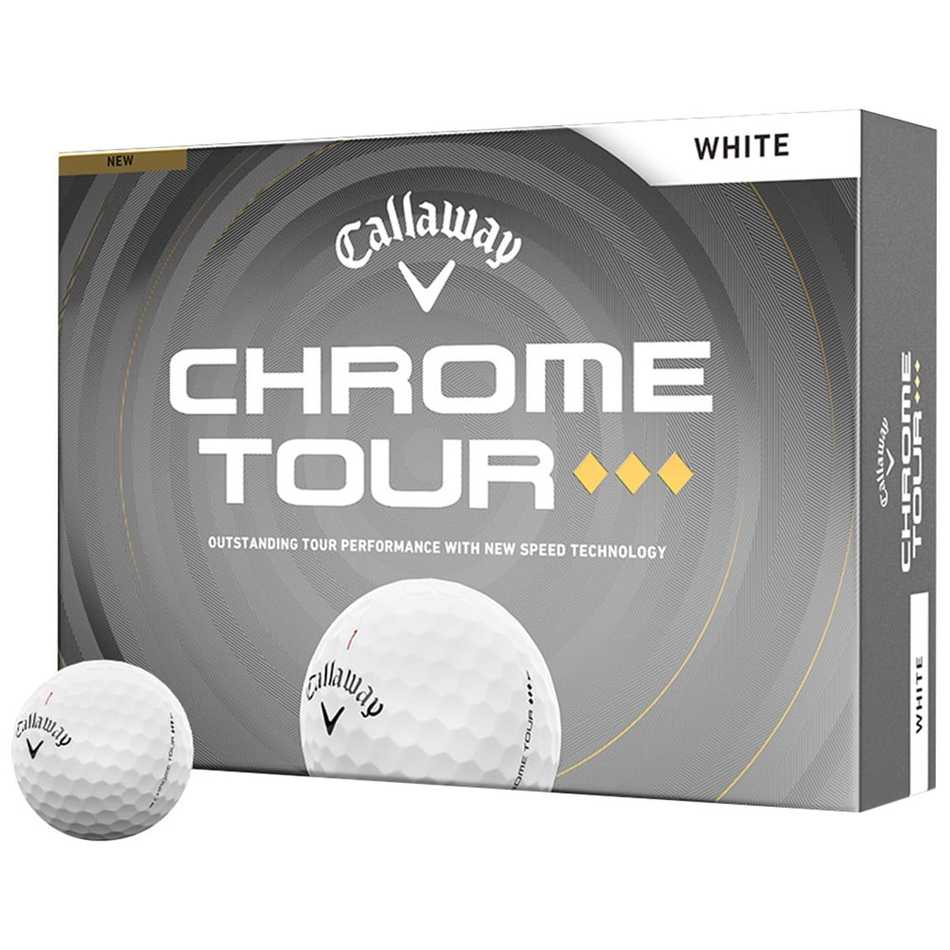
Callaway
Callaway Chrome Tour Triple Diamond Golf Balls
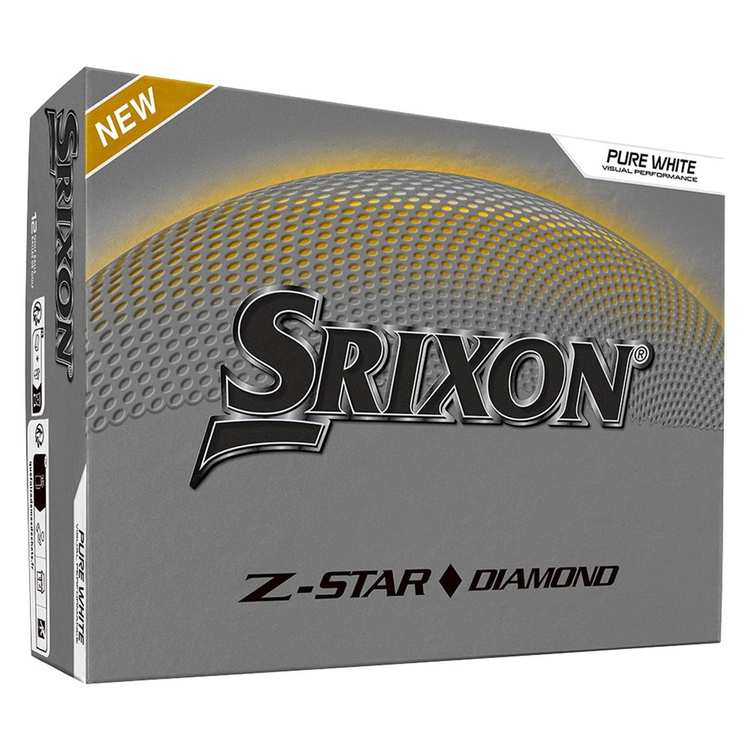
Srixon
Srixon Z-Star Diamond Golf Balls
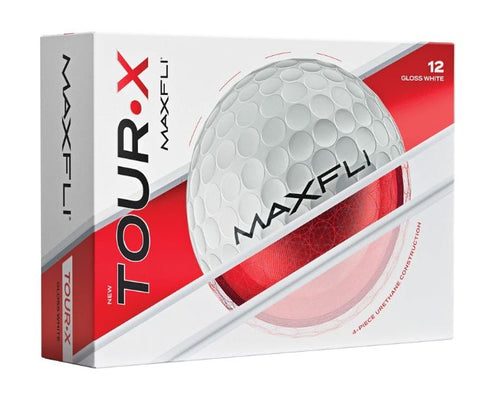
Maxfli
Maxfli Tour X Golf Balls
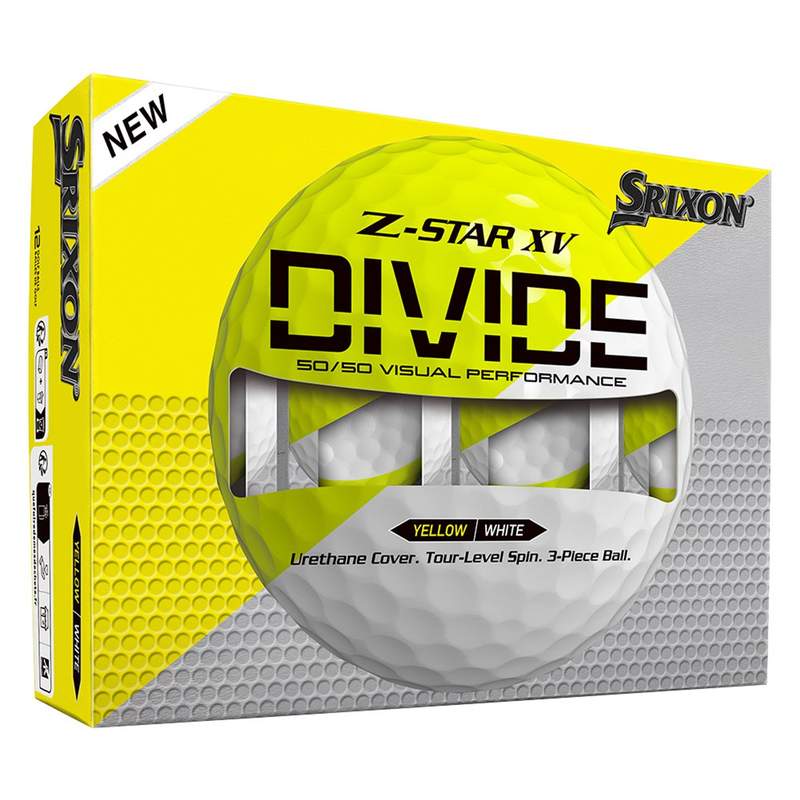
Srixon
Srixon Z-STAR XV DIVIDE Golf Balls
TaylorMade