
Polara · Golf Balls Review
Polara Ultimate Straight Golf Balls Review
Straighter by design, but non conforming and beaten everywhere else
Below Average
Tour Issue Score 5.3 · Ranked #76 of 76 in Golf Balls
Best for: Casual non handicap recreational players with a severe slice who never play events; all handicap, competition, and improving golfers should avoid it
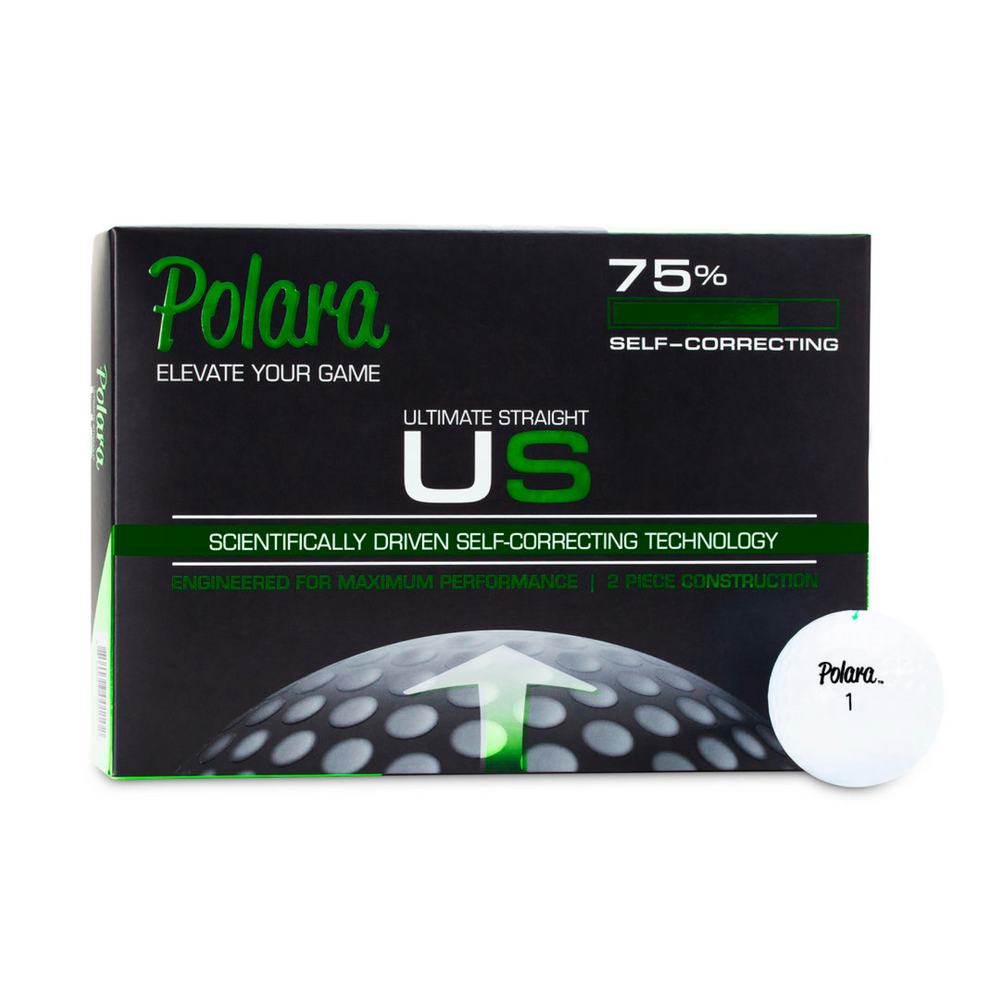
The Bottom Line
Straighter by design, but non conforming and beaten everywhere else. The Polara Ultimate Straight Golf Balls scores 5.3 out of 10 in our research-based review, a below average mark that puts it at #76 of 76 Golf Balls in our rankings. Its strongest fit: Casual non handicap recreational players with a severe slice who never play events; all handicap, competition, and improving golfers should avoid it.
Full Review
The Short Version
The Polara Ultimate Straight is a two piece ball, priced at about thirty five dollars per dozen and higher at the manufacturer store, built around an asymmetric dimple pattern that Polara says reduces hooks and slices by up to 75 percent. The correction effect is real in the sense that multiple reviews confirm straighter flight when the arrow on the ball is pointed at the target. The costs are decisive. The ball is not on the USGA Conforming Ball List, so it cannot be used for competition or handicap play, test reports note a distance loss compared with normal balls, it cannot be worked or shaped on purpose, and its greenside spin and feel sit well below mainstream balls that cost less. It is a training wheels product sold at a near premium price.
Performance
Performance has to be split in two. On a slice or a hook, the self correcting dimple design does what it claims to a meaningful degree: reviews from Independent Golf Reviews and other outlets confirm noticeably straighter tee shots, with the design converting side spin effect into a more stable flight when the ball is aligned correctly and launched with a driver loft of 10.5 degrees or higher, as Polara directs. On every other measure, performance trails. Independent Golf Reviews noted the Ultimate Straight was not as long as a normal ball, and other published testing reported a distance loss in the range of 10 to 20 yards with the driver. The ionomer cover and two piece construction deliver low greenside spin, so wedges and chips release rather than check. A ball that trades length, spin, and versatility for one directional trick is not a high performance ball. It is a specialized correction device with golf ball shaped limits.
Forgiveness
This is the one category the Polara genuinely leads, and the review credits it. For a recreational player whose slice routinely puts tee shots in trees or out of bounds, reducing that curve by a large fraction keeps more balls in play, speeds up a round, and removes real frustration. The mechanism needs no swing change: point the side stamp arrow at the target, use enough loft, and the asymmetric dimples, shallow at the equator and deeper at the poles in the published specifications, favor a straighter axis in flight. The forgiveness is conditional, though. Misalign the arrow and the benefit drops, the ball still requires a playable swing to get airborne, and it does nothing for thin, topped, or pushed contact except fly straighter in the wrong direction. It also creates a dependency problem: the correction masks the swing fault instead of fixing it, so a player who improves with lessons eventually has to relearn ball flight with a conforming ball anyway.
Feel and Sound
With an 85 compression rating in published specifications, a polybutadiene core, and an ionomer cover at 62 Shore D, the Ultimate Straight sits on the firm side of the two piece market, far from the soft feel modern low compression balls deliver. Reviews describe functional rather than pleasant feedback, and the low spin design that helps off the tee leaves chips and pitches feeling skiddy, with the ball sliding across the wedge face instead of gripping it. Around the green that translates to less touch and less confidence on the short shots that decide scores. Off the putter the feel is firm and clicky compared with a Srixon Soft Feel or a Titleist TruFeel, both mainstream balls already reviewed on this site that cost less per dozen. No published source praises this ball for feel or sound, and that silence is itself informative. Feel is not a side issue sacrificed for the correction. For many players it will be the first thing they dislike after the novelty of a straight drive wears off.
Value
Value is the weakest part of the case. At about $35 per dozen in the brief for this review, and listed at $44.95 per dozen on Polara's own comparison page at the time of research, the Ultimate Straight costs more than many conforming balls that beat it on distance, spin, feel, and legality at the same time. The Srixon Soft Feel at about twenty five dollars and the Titleist TruFeel at a similar mainstream price are both USGA conforming, softer, better around the green, and usable in any round a golfer will ever play. Paying a premium for a ball that cannot be posted for a handicap, cannot be used in a club event, loses distance, and cannot be shaped is difficult to justify on any budget. Its only value scenario is narrow: a purely recreational player with a severe slice who never keeps a handicap, never enters events, and values staying in the fairway today more than every other quality in a ball. Even that player should understand the price buys a workaround, not a better golf ball.
Who Should Buy It
Avoid the Polara Ultimate Straight if you keep a handicap, play in any competition, league, or club event, want to learn to shape shots, care about greenside spin, or expect a ball at this price to feel good. That is the large majority of golfers who buy balls by the dozen. The only player it suits is a casual, non handicap recreational golfer with a persistent, severe slice or hook who plays purely for fun, accepts the distance loss, and is willing to align the arrow on every tee shot. For everyone else, and frankly for most slicers who plan to improve, the better alternative is a conforming low spin ball such as the Srixon Soft Feel or the Titleist TruFeel, both reviewed on this site, paired with one lesson aimed at the swing path that causes the slice. That combination keeps every round legal and builds a skill the Polara cannot give you.
Verdict
The Polara Ultimate Straight does reduce slice and hook curvature, and this review does not pretend otherwise. It still scores low because that single benefit comes packaged with non conforming status that bars it from handicap and competition play, a reported distance loss, no ability to work the ball, and below average greenside spin and feel, all at a price above better mainstream balls. A product that is illegal for the official game and outperformed everywhere except straightness is a niche workaround, not a recommendation. This is a research-based review synthesized from published reviews, independent test data, and manufacturer specifications; no personal testing was conducted.
What We Like
- Genuinely reduces slice and hook curvature when the arrow is aligned, with Polara claiming up to 75 percent correction
- Keeps more tee shots in play for severe slicers, which can make casual rounds faster and less frustrating
- Simple to use, point the side stamp arrow at the target and swing, with no swing change required
- Durable two piece ionomer construction holds up well in casual play
What to Consider
- Not on the USGA Conforming Ball List, so it is illegal for competition, tournament, and handicap play
- Correction only reduces slice and hook curvature, it does not fix the swing fault and requires the arrow to be aligned at the target
- Cannot be worked or shaped deliberately, because the design fights any intentional curve
- Published testing reports a distance loss versus normal balls, noted at about 10 to 20 yards with the driver in some reviews
- Greenside spin and feel are well below mainstream balls, at a price above the Srixon Soft Feel and Titleist TruFeel
Specifications
| Construction | 2-piece |
|---|---|
| Compression | 85 |
| Cover | Ionomer, 62 Shore D |
| Dimples | 386, asymmetric self correcting pattern |
| Core | Polybutadiene |
| USGA Status | Non conforming, not on the USGA Conforming Ball List |
Score Breakdown
Scores are research-based, drawn from manufacturer specs, tour adoption, and published independent test data. How we score
More Balls Reviews
All Balls →
Titleist
Titleist Pro V1x Golf Balls (2025)
Callaway
Callaway Chrome Tour X Golf Balls
Titleist
Titleist Pro V1 Golf Balls (2025)
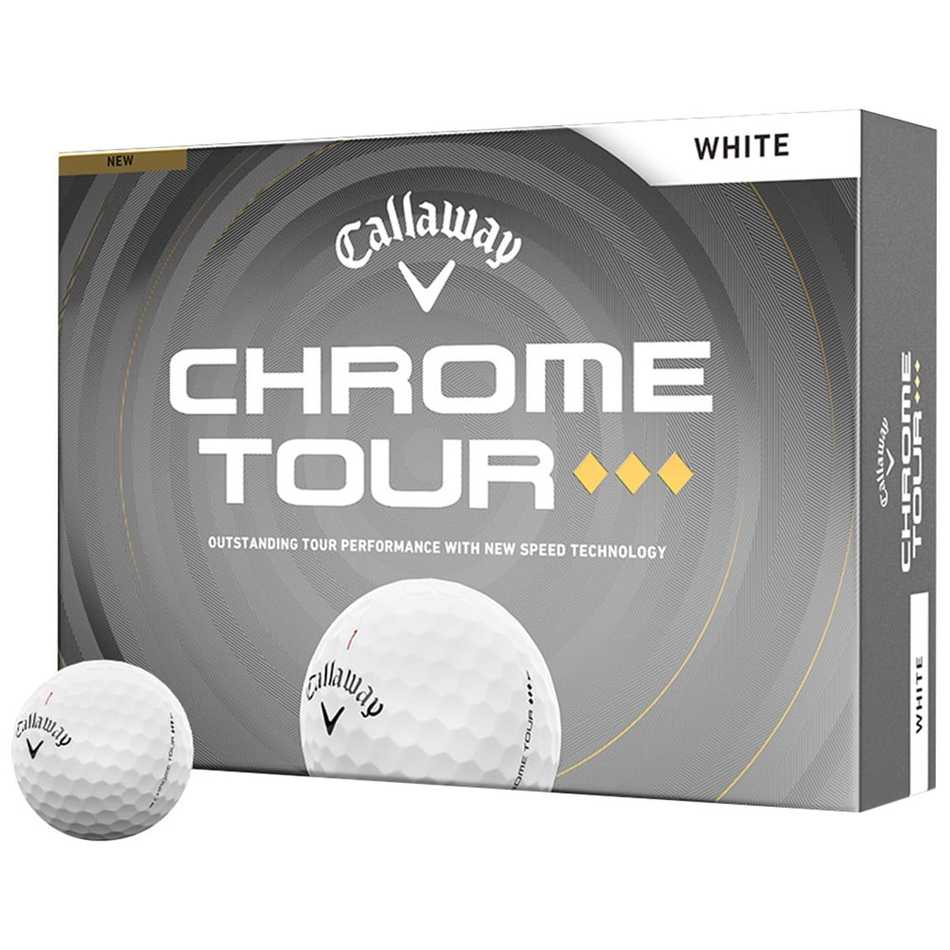
Callaway
Callaway Chrome Tour Triple Diamond Golf Balls
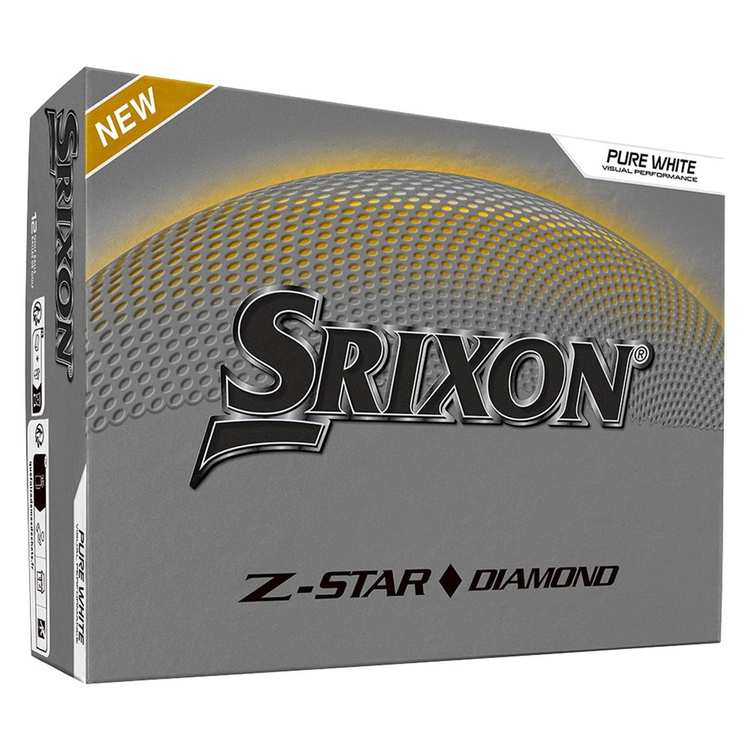
Srixon
Srixon Z-Star Diamond Golf Balls
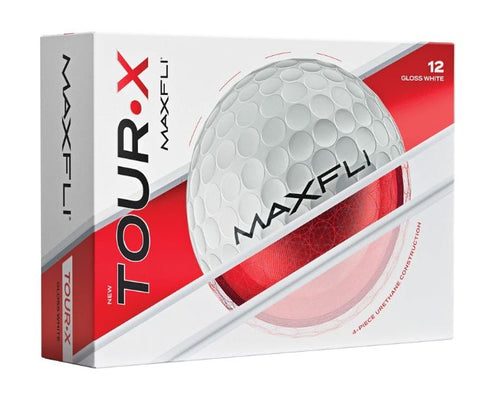
Maxfli
Maxfli Tour X Golf Balls
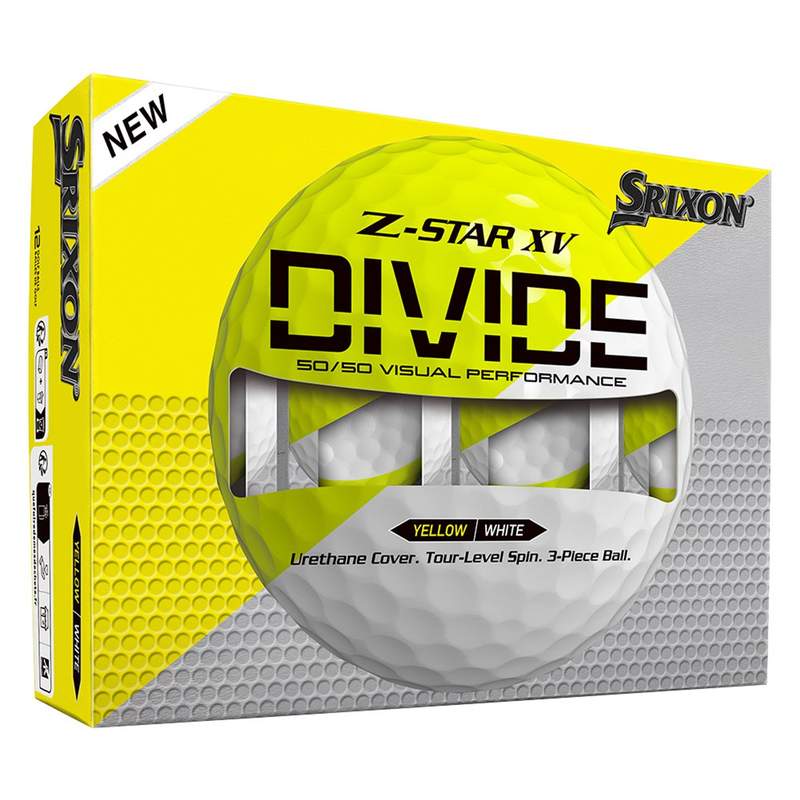
Srixon
Srixon Z-STAR XV DIVIDE Golf Balls
TaylorMade