
Pinnacle · Golf Balls Review
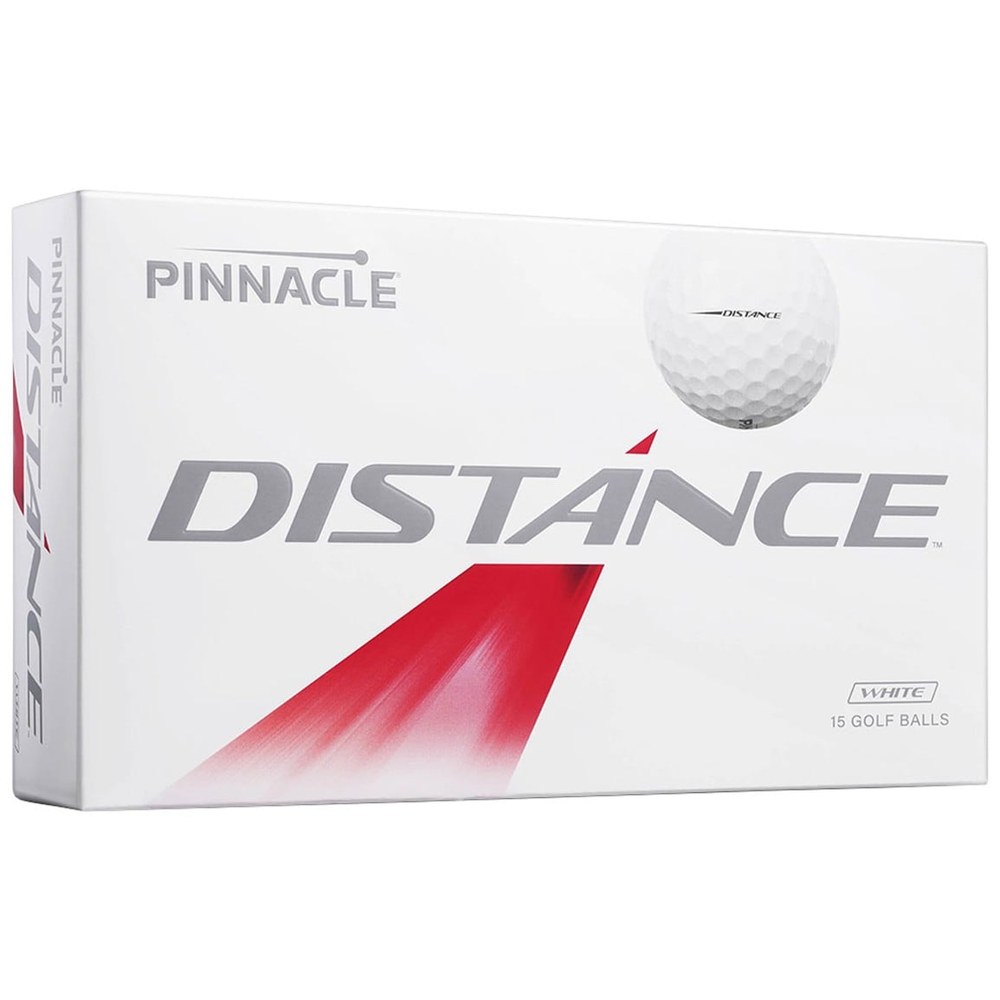
Pinnacle Distance Golf Balls Review
A renamed Rush formula: straight and cheap, with the measured greenside spin problem intact
Below Average
Tour Issue Score 6.3 · Ranked #62 of 76 in Golf Balls
Best for: Casual high handicappers who lose balls often and play run up shots; golfers who chip for position, play firm greens, or want soft feel should avoid it
The Bottom Line
A renamed Rush formula: straight and cheap, with the measured greenside spin problem intact. The Pinnacle Distance Golf Balls scores 6.3 out of 10 in our research-based review, a below average mark that puts it at #62 of 76 Golf Balls in our rankings. Its strongest fit: Casual high handicappers who lose balls often and play run up shots; golfers who chip for position, play firm greens, or want soft feel should avoid it.
Full Review
The Short Version
The Pinnacle Distance is Acushnet's budget distance ball, sold in 15 ball packs for $19.99 and positioned, per Golf Digest's March 2025 launch coverage, as the single replacement for the old Pinnacle Rush and Pinnacle Soft pairing. It keeps the Rush formula: a two piece build with a large, high energy core, an ionomer cover, and a 332 icosahedral dimple pattern, and it is now the official ball of World Long Drive. That pedigree sounds exciting. The research problem is that everything independent testing has measured about this formula points the same way: long and straight off the tee, and among the weakest balls in golf around the green.
Performance
Start with what the class data actually shows. The Distance has no published robot test or Ball Lab report of its own, so the honest proxy is the Rush it directly replaces, tested in the same construction. In MyGolfSpy's 2025 golf ball test, the Rush spun at 3,227 rpm on a 35 yard wedge shot, barely half the 6,026 rpm of the test leader, the TaylorMade TP5, and MyGolfSpy described it plainly as a fast, firm ball whose Surlyn cover gives up a lot of control. Published class testing tells the same story more broadly: ionomer balls spin far less than urethane balls on full wedges, and they lose a much larger share of that spin when the shot is wet. Golf Monthly's on course Rush review adds the human version of the numbers: one to two clubs of extra iron distance, a high and stable flight, and, in its words, not very much greenside spin on offer. The Distance inherits that profile by design, because low spin is the product.
Where It Falls Short
Three places. First, greenside control: a ball in this spin range cannot check a pitch or hold a firm green, so approach shots land hot and release, handing back on the scoring shots what the long game gained. Second, feel: published catalog data puts the Distance near 80 compression, which is firm territory, and noticeably firmer than the soft budget balls it sits beside on the shelf. Off the putter and wedges the response is hard and clicky, with little feedback for touch shots. Third, evidence: for a ball launched on distance claims, there is no independent test of this model to verify them. Buyers are asked to trust that a renamed Rush performs like a Rush, which is likely true, but it cuts both ways, because the Rush's weaknesses are the measured part of the record.
Value
At $19.99 for 15 balls, the sticker is genuinely cheap, and the durable cover means a pack lasts. Value collapses on comparison. Our catalog rates the Srixon Soft Feel at 8.1 and the Titleist TruFeel at 8.4, both two piece balls in the same budget family that add softer feel and meaningfully better short game behavior for only a few dollars more per dozen. The TruFeel also brings Titleist quality control and a lower compression, softer cover feel. When the better ball costs roughly the price of a sleeve more, cheap stops being a defense.
Who Should Avoid It
Avoid the Distance if you play chips and pitches that need to check, if your home greens are firm or fast, if you are learning distance control with your wedges, or if you dislike a firm, clicky feel off the putter. Improving mid handicappers should avoid it for the same reason: it trains you to play for release you cannot adjust.
Better Alternatives
Read our Srixon Soft Feel review for the soft, high launching budget ball most beginners actually need, and our Titleist TruFeel review for the better built option with stronger iron play and Titleist consistency. Both cost a little more and give back far more where shots are scored.
Verdict
The Pinnacle Distance does one job, straight line distance at a low price, and the published record on its formula says it does that job at the cost of greenside spin, feel, and any independent proof for this model. That is a narrow ball in a category that has moved on. This is a research-based review.
What We Like
- Low spin, penetrating flight off the driver reduces slice and hook curvature for beginners
- Durable ionomer cover resists cuts and scuffs over many rounds
- 15 ball pack from Acushnet at a genuine budget price, in white and yellow
- 332 dimple pattern carried over from the Rush, which independent testing found long with the irons
What to Consider
- Two piece ionomer construction in the Rush lineage that MyGolfSpy measured at 3,227 rpm on a 35 yard wedge shot, barely half the 6,026 rpm test leader, so chips and pitches release instead of checking
- Firm feel at roughly 80 compression in published catalog data, a clear step firmer than the Srixon Soft Feel and Titleist TruFeel it competes with
- No independent robot or Ball Lab test exists for the Distance model itself, so every distance claim rests on its predecessor and on class data
- Priced within a few dollars of softer budget balls with better greenside behavior, which erodes the value case
Specifications
| Colors | White and yellow |
|---|---|
| Construction | 2 piece |
| Cover | Ionomer |
| Dimples | 332 icosahedral dimple design |
| Pack Size | 15 ball pack |
Score Breakdown
Scores are research-based, drawn from manufacturer specs, tour adoption, and published independent test data. How we score
More Balls Reviews
All Balls →
Titleist
Titleist Pro V1x Golf Balls (2025)
Callaway
Callaway Chrome Tour X Golf Balls
Titleist
Titleist Pro V1 Golf Balls (2025)
Callaway
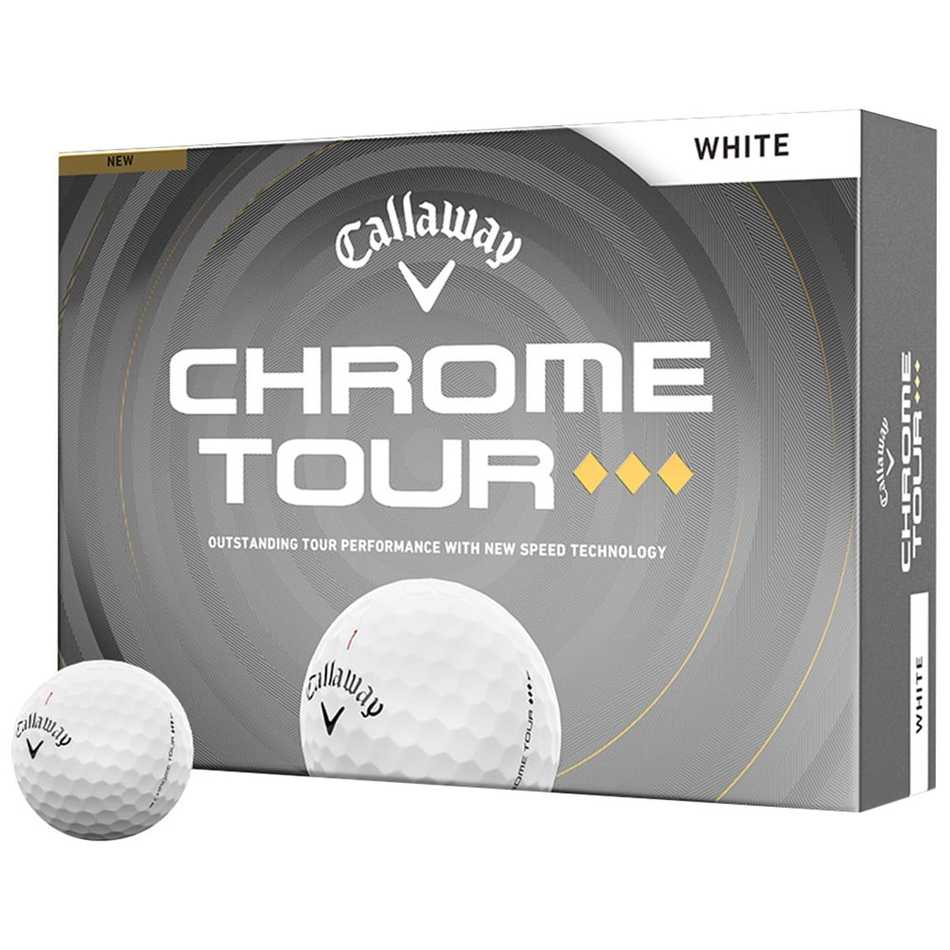
Callaway Chrome Tour Triple Diamond Golf Balls
Srixon
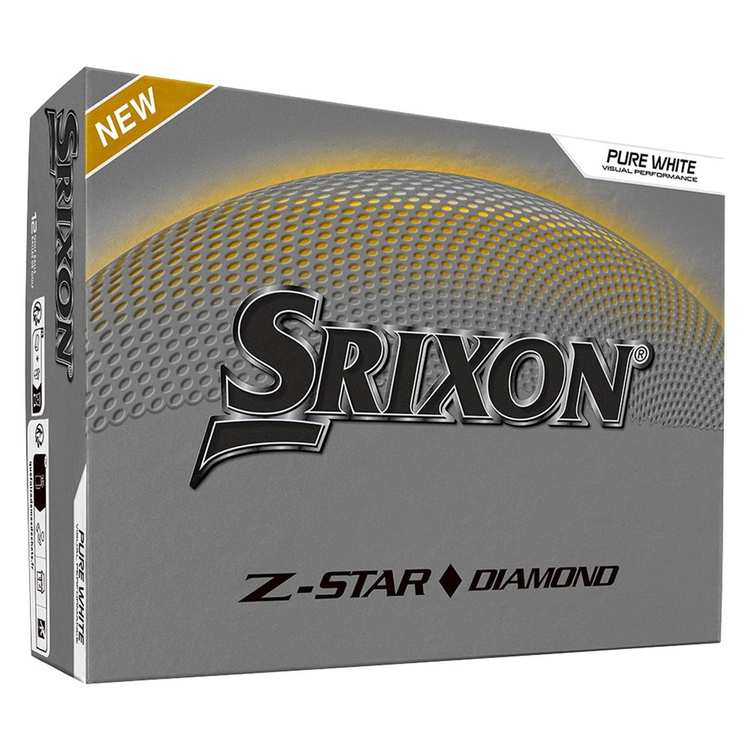
Srixon Z-Star Diamond Golf Balls
Maxfli
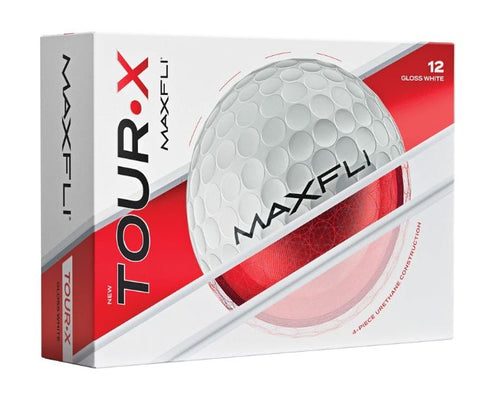
Maxfli Tour X Golf Balls
Srixon
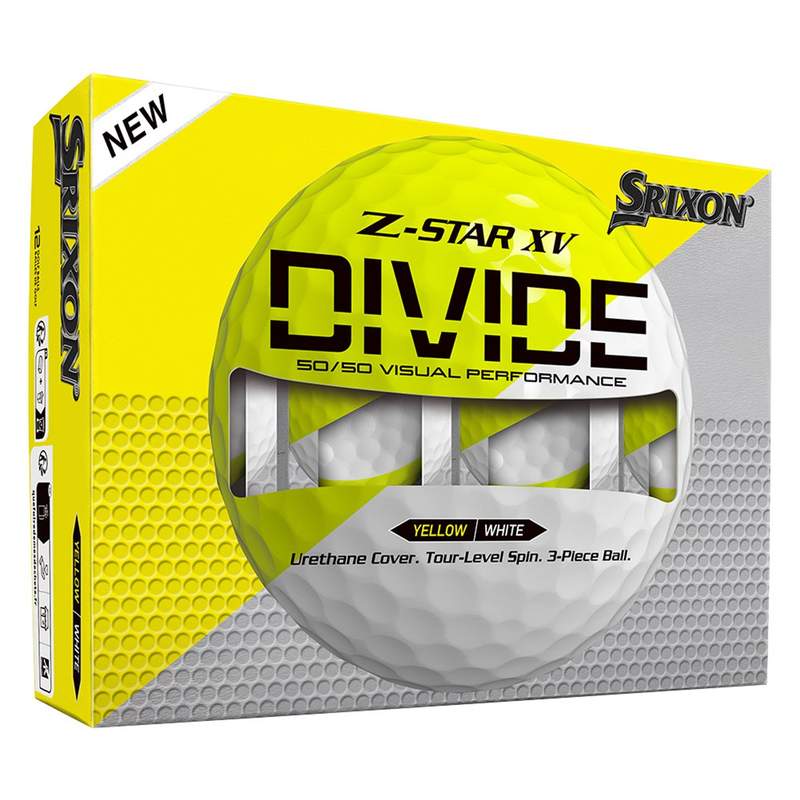
Srixon Z-STAR XV DIVIDE Golf Balls
TaylorMade