
PING · Bags Review
PING Pioneer Cart Bag Review
The organization leader among premium cart bags, with a putter well built for modern grips.
Excellent
Tour Issue Score 9.0 · Ranked #2 of 4 in Bags
Best for: Riders who carry a full kit and want every item in its own organized place
The Bottom Line
The organization leader among premium cart bags, with a putter well built for modern grips.. The PING Pioneer Cart Bag scores 9.0 out of 10 in our research-based review, a excellent mark that puts it at #2 of 4 Bags in our rankings. Its strongest fit: Riders who carry a full kit and want every item in its own organized place.
Full Review
The Short Version
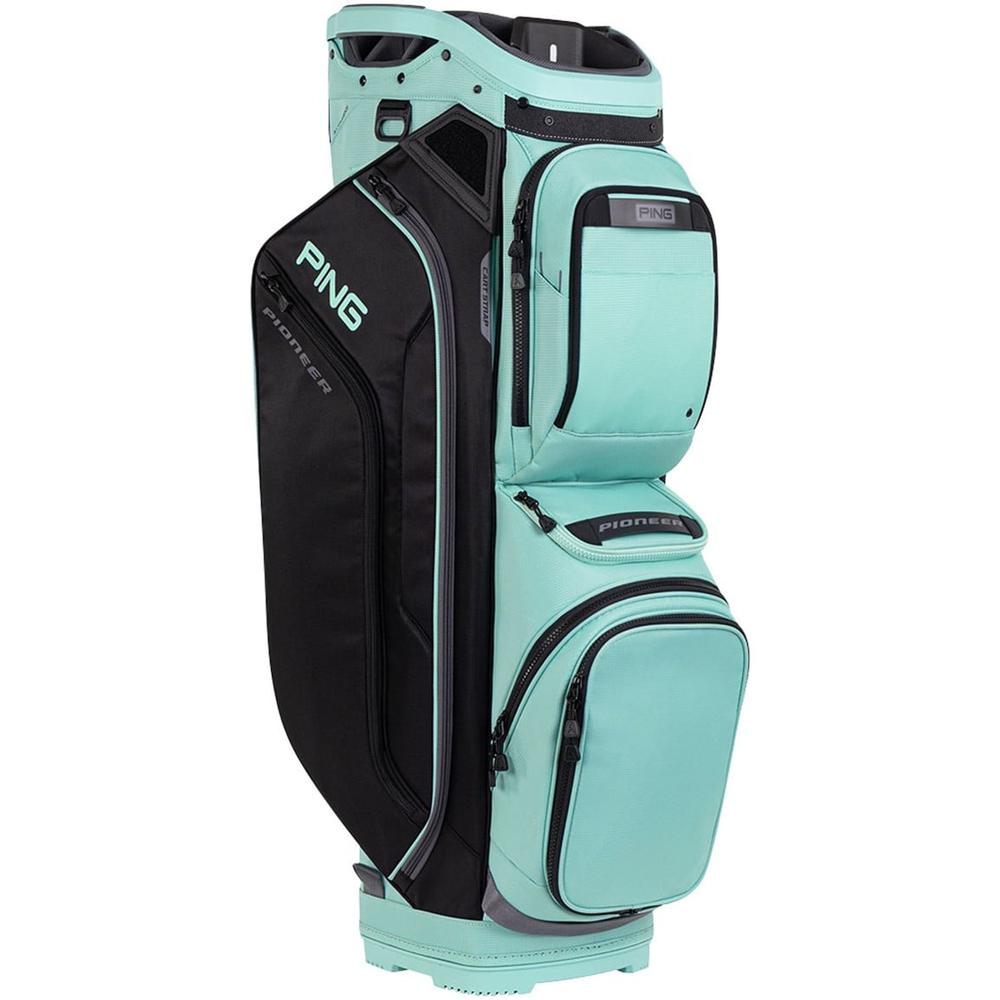
The PING Pioneer is the organization first cart bag for golfers who ride and bring everything. The current model pairs a redesigned 15-way top with 16 pockets and 35 liters of pocket volume, plus an enlarged putter well built for modern oversized grips. At 8 pounds and $330 it is neither light nor cheap, but published roundups consistently place it at or near the top of the premium cart bag class because the details solve real problems instead of adding decoration.
Performance
Performance for a cart bag means stability on the cart, quick access at the tee, and no fighting with clubs between shots. The Pioneer delivers on all three. The cart strap channel is the signature feature: the cart strap passes through the bag itself, so the bag stays locked down while every forward facing pocket remains fully reachable. Reviewers and buyer feedback repeatedly single this out as the difference between a bag that was designed for a cart and a large stand bag that merely tolerates one. The bag sits square, resists twisting on uneven ground, and the top cuff layout keeps driver, woods, and irons in a logical order that speeds up club selection during a round.
Carry and Organization
The redesigned 15-way top gives each club its own slot, which reduces grip tangling and shaft contact compared with grouped dividers. The enlarged putter well deserves special attention. Many golfers now use a large mallet with an oversized grip and a bulky headcover, and older putter wells forced that combination in at an angle. PING widened the well so the putter slides in and out cleanly, a small change that removes a daily annoyance. Full length organization also makes it easier to spot a missing club at a glance before driving away from the green. For golfers who value a calm, repeatable routine, this top is the strongest reason to choose the Pioneer over a 14-way rival.
Storage
Sixteen pockets is the headline number, but the layout matters more than the count. Alongside the apparel pockets and ball storage, there is an insulated cooler pocket for drinks, a magnetic pocket for fast access to a rangefinder or phone, and a removable built in valuables pouch that can travel into the clubhouse at the turn. An alignment stick sleeve acknowledges how many riders now carry training aids to the range before a round. With 35 liters of total pocket volume, the Pioneer swallows rain gear, an extra layer, gloves, and snacks without bulging. The trade off is segmentation over sheer cavernous space: a rival such as the Sun Mountain C-130 offers more raw liters, while the Pioneer offers more individual homes for small items, which most riders use better.
Value
At $330 the Pioneer costs as much as any mainstream cart bag, so value has to come from longevity and daily convenience rather than a low sticker. The defense is credible. PING bags have a strong reputation for zipper quality, fabric durability, and resale value, and the feature set leaves nothing important to buy separately. Golfers who only need basic storage will find better value $80 to $100 lower in the market. Golfers who ride several times a week and use the cooler, the magnetic pocket, and the full organization every round will recover the premium quickly in reduced friction.
Who Should Buy It
Buy the Pioneer if you ride almost every round, carry rain gear and extras as a habit, and use a modern putter with an oversized grip. It also suits push cart users who want cart bag storage with a stable base. Walkers should look at the PING Hoofer line instead, and golfers who simply want the largest possible cargo hold should compare the C-130 before deciding.
Verdict
The Pioneer is the most thoughtfully organized premium cart bag in this group: the best pocket segmentation, a genuinely improved 15-way top, and a cart strap channel that works exactly as promised. The weight and the price are real, but for committed riders the design earns both. This is a research-based review synthesized from published reviews, independent test data, and manufacturer specifications; no personal testing was conducted.
What We Like
- Redesigned 15-way top with an enlarged putter well that fits oversized grips and larger mallets
- 16 pockets and 35 liters of pocket volume, the most segmented storage in its class
- Cart strap channel secures the bag without blocking pocket access
- Insulated cooler pocket, magnetic pocket, and removable valuables pouch cover daily needs
- Alignment stick sleeve and multiple grab handles show careful rider focused design
- Durable construction and clean styling that holds up well over multiple seasons
What to Consider
- At 8 lbs empty it is heavy to lift in and out of a trunk when fully loaded
- $330 list price sits at the top of the cart bag market
- 35 liters of volume is generous but smaller than the largest rivals offer
- Too bulky and storage focused for golfers who walk most rounds
Specifications
| Key Features | Cart strap channel, insulated cooler pocket, magnetic pocket, removable valuables pouch, alignment stick sleeve |
|---|---|
| Pockets | 16 pockets, 35L pocket volume |
| Price | $330 list on ping.com |
| Top | 15-way redesigned top with enlarged putter well |
| Weight | 8 lbs |
Score Breakdown
Scores are research-based, drawn from manufacturer specs, tour adoption, and published independent test data. How we score
More Accessories Reviews
All Accessories →
Mizuno
Mizuno JPX ONE Fairway Wood
TaylorMade
TaylorMade Qi4D Fairway Wood
Callaway
Callaway Quantum Max Fairway Wood
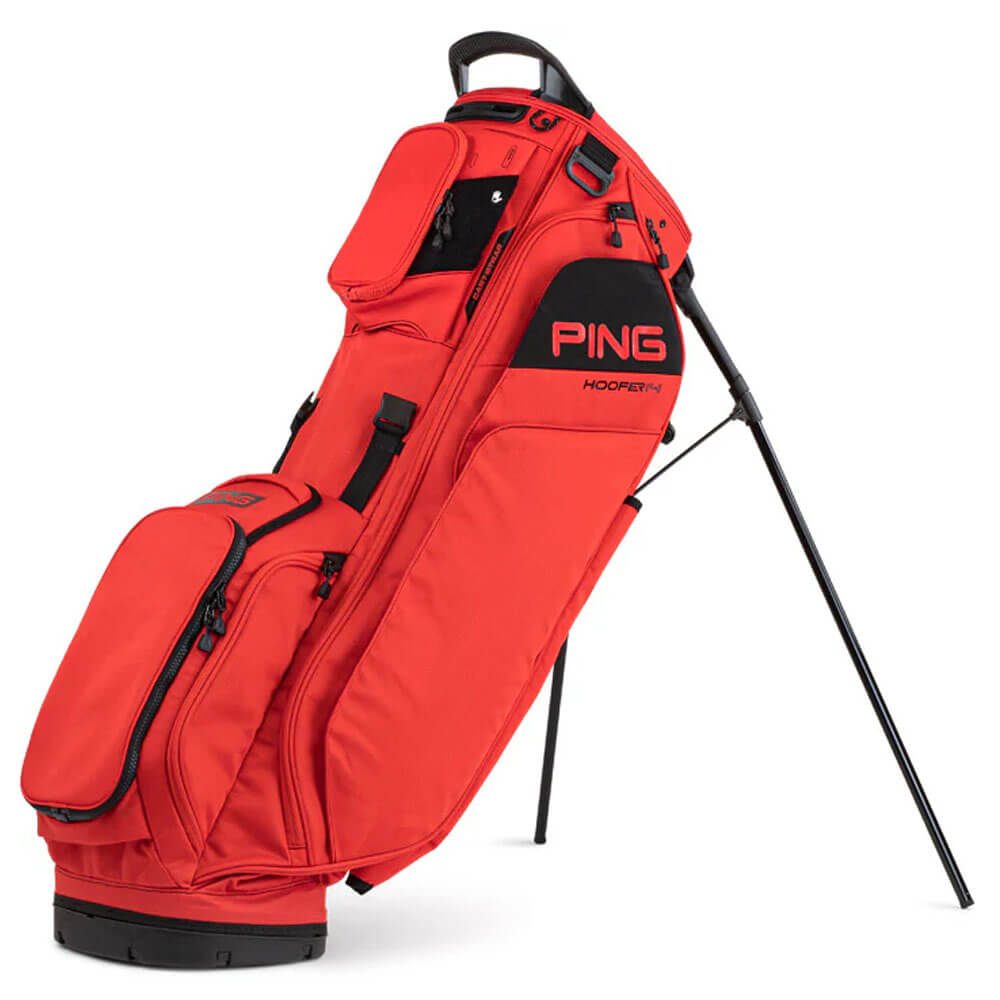
Ping
PING Hoofer 14 Stand Bag
Golf Pride
Golf Pride Tour Velvet Grips
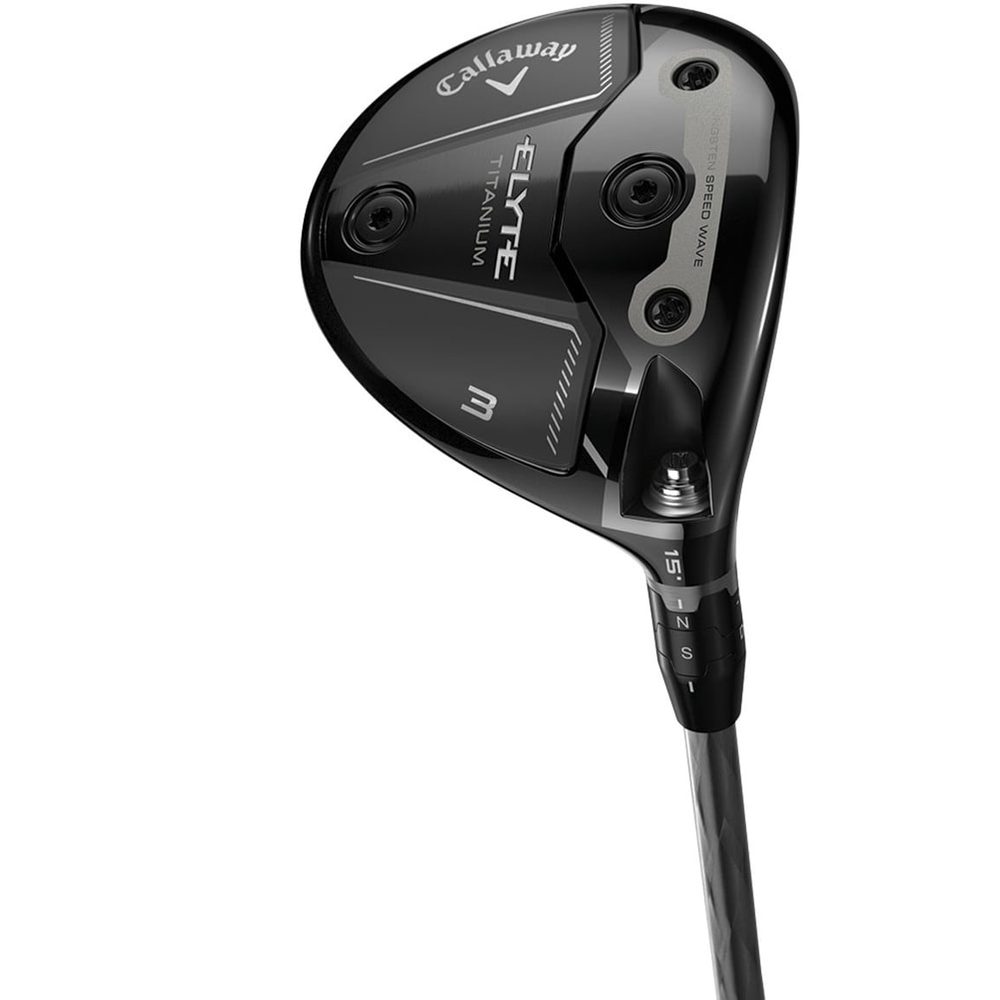
Callaway
Callaway Elyte Ti Fairway Wood
FootJoy
FootJoy StaSof Golf Glove
Golf Pride