
Nitro · Golf Balls Review
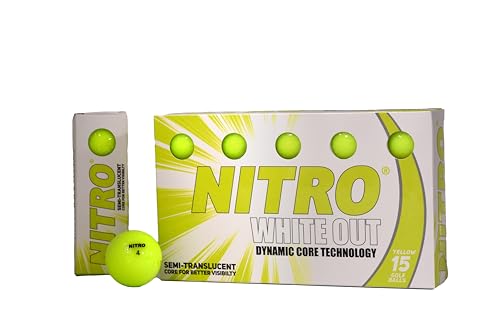
Nitro White Out Golf Balls Review
Cheap and bright, but hard feeling with little greenside control
Below Average
Tour Issue Score 5.6 · Ranked #73 of 76 in Golf Balls
Best for: Very occasional, price first beginners who lose balls often; most golfers should choose a better budget ball instead
The Bottom Line
Cheap and bright, but hard feeling with little greenside control. The Nitro White Out Golf Balls scores 5.6 out of 10 in our research-based review, a below average mark that puts it at #73 of 76 Golf Balls in our rankings. Its strongest fit: Very occasional, price first beginners who lose balls often; most golfers should choose a better budget ball instead.
Full Review
The Short Version
The Nitro White Out, sold as the Nitro Long Distance Peak Performance ball in 15 packs for about twenty dollars, promises a lot in its name: long distance, peak performance, and a soft 70 compression feel. Published roundups deliver a much narrower verdict. The ball is cheap, bright, and hard to cut, but roundup coverage from Ace Golf and other outlets repeatedly notes that it feels much harder than the soft marketing suggests, that the cover surface wears after a few holes, and that the slick cover gives low greenside spin and poor workability. At this price almost every ball has tradeoffs. The problem is that better budget balls sold for only a few dollars more do not force the same ones.
Performance
On full swings the White Out is a conventional two piece distance ball. Nitro lists a White Hot proprietary core, a 352 dimple aerodynamic pattern, and a DuPont Lithium Surlyn cover, all aimed at energy transfer and lift. In practice, published comparisons describe the distance as ordinary rather than exceptional. It flies high and reasonably straight on solid contact, which helps a developing player, but it does not separate itself from other low cost distance balls, and faster players gain nothing special from the core design. The bigger performance gap shows up on scoring shots. The slick Surlyn surface does not grip wedge grooves well, so pitches and chips tend to release and run instead of checking. Roundups also flag spin that is hard to control, meaning the same ball that stays fairly straight off the driver offers little ability to hold a green or shape an approach on purpose. Performance, in short, is one dimensional: acceptable length, limited control.
Forgiveness
Forgiveness is the strongest part of the design, and even here the case is modest. Low spin off the driver reduces the bend on a slice or a hook, and the high launch from the dimple pattern helps slower swing speeds carry hazards they might otherwise find. For a player who loses several balls a round, a 15 pack at this price also lowers the cost of a bad hole, which is a real form of forgiveness. That said, the ball does not correct a swing the way a self correcting design claims to, and mishits still curve. Around the green the lack of check removes forgiveness where many high handicappers need it most, because a chip that lands near the hole and then releases well past it is not a forgiving outcome. The White Out helps a player survive the tee shot, then makes the recovery harder.
Feel and Sound
Feel is where the gap between the box copy and the published record is widest. A 70 compression rating suggests a soft ball for slower swing speeds, and Nitro markets the semi translucent cover as part of that soft story. Reviewers and user reports collected in roundups instead describe a hard, firm sensation, particularly off wedges and the putter. Several roundup summaries note that some users found the balls harder than competing brands and that the lack of softness shows up most on chips and short shots. The sound matches that description, a firmer click rather than a muted thud. Players who grew up on firm distance balls may not mind, but anyone buying the White Out specifically for soft feel is likely to be disappointed. Feedback on mishits is clear, at least, because a hard ball rarely hides where contact was made.
Value
The sticker price is the appeal, at roughly $1.33 per ball in a 15 pack. Judged only on balls per dollar, the White Out looks efficient. Judged on performance per dollar, it falls behind. The cover resists cuts, yet roundups note the surface itself wears after a few holes, so cosmetic and aerodynamic life is shorter than the cut proof claim implies. More importantly, the budget class now includes genuinely soft, better spinning options for only a small step up in price. The Srixon Soft Feel, the Wilson Staff Duo Soft, and the Callaway Supersoft, all reviewed on this site, each deliver a softer feel and more predictable short game behavior while remaining firmly in the value tier. Against that field, saving a few dollars per dozen and giving up feel and greenside control is poor value, not good value.
Who Should Buy It
Almost no one should choose the White Out as a first option, and most golfers should avoid it. Avoid it if feel matters, if you rely on chips and pitches checking near the hole, if you like to shape shots, or if your swing speed is high enough to use a better ball fully. The only narrow case is a brand new or very occasional player who wants the cheapest bright balls possible for practice rounds, casual play, and water holes, and who cares mainly that a lost ball costs very little. Even that player is better served by the Srixon Soft Feel, which costs a little more per dozen, feels genuinely soft, launches easily, and behaves far more predictably around the green. The Wilson Staff Duo Soft and the Callaway Supersoft are equally sensible step up alternatives already reviewed here.
Verdict
The Nitro White Out is not unplayable, and its price, visibility, and cut resistance explain its shelf space. But the published record is consistent: hard feel despite soft claims, a cover surface that wears quickly, low greenside spin from a slick cover, and ordinary distance that better budget balls match or beat. That combination earns a low score, with the Srixon Soft Feel as the clear better alternative in the same budget conversation. This is a research-based review synthesized from published reviews, independent test data, and manufacturer specifications; no personal testing was conducted.
What We Like
- Very low price, about $1.33 per ball in a 15 pack
- Bright semi translucent colors are easy to spot in rough and low light
- Cut resistant Surlyn cover resists cutting and survives mishits, trees, and cart paths
- High launch and low driver spin help slower swing speeds keep tee shots straighter
What to Consider
- Feels much harder than the soft 70 compression marketing suggests, especially on wedges and putts, per published roundups
- Cover surface wears after a few holes despite the cut proof Surlyn claim, shortening cosmetic and aerodynamic life
- Slick Surlyn cover gives low greenside spin, poor check, and poor workability on approach shots
- Spin is hard to control, so shots cannot be shaped or held on greens reliably
- Distance is ordinary next to better budget balls such as the Srixon Soft Feel that cost only a few dollars more
Specifications
| Construction | 2-piece |
|---|---|
| Compression | 70 |
| Cover | DuPont Lithium Surlyn, semi translucent |
| Dimples | 352, aerodynamic symmetrical pattern |
| Pack | 15 balls |
| Core | White Hot proprietary high velocity core |
Score Breakdown
Scores are research-based, drawn from manufacturer specs, tour adoption, and published independent test data. How we score
More Balls Reviews
All Balls →
Titleist
Titleist Pro V1x Golf Balls (2025)
Callaway
Callaway Chrome Tour X Golf Balls
Titleist
Titleist Pro V1 Golf Balls (2025)
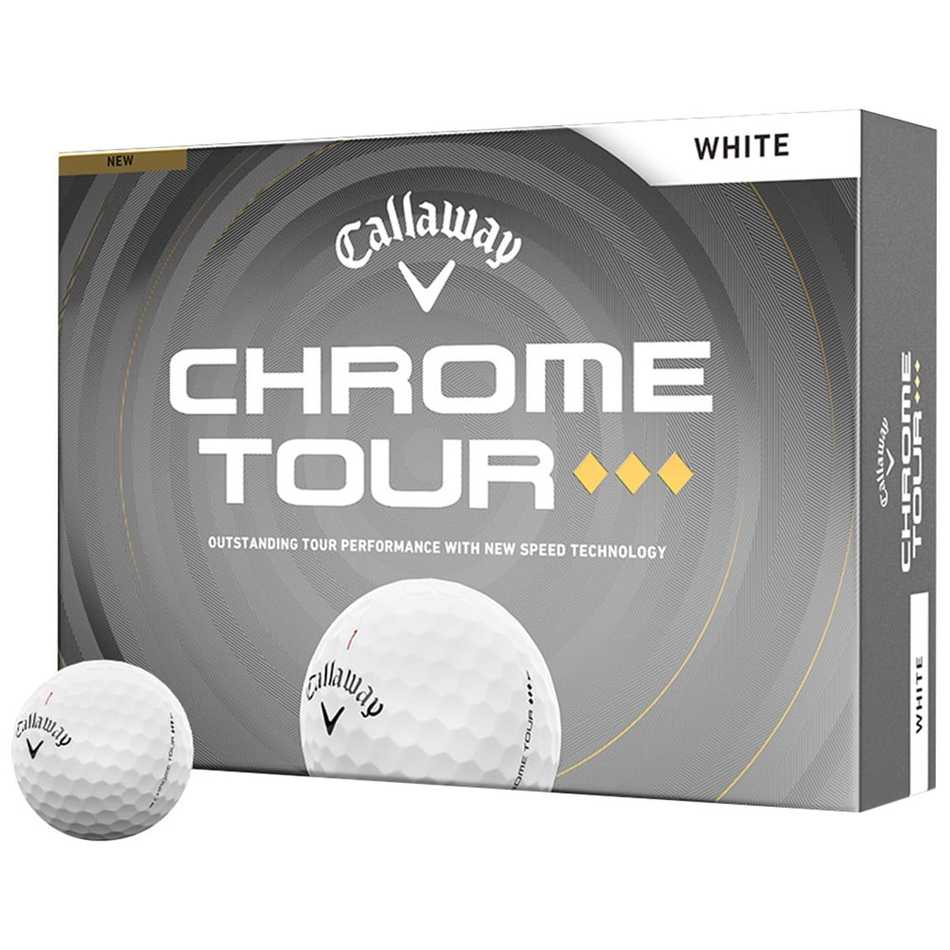
Callaway
Callaway Chrome Tour Triple Diamond Golf Balls
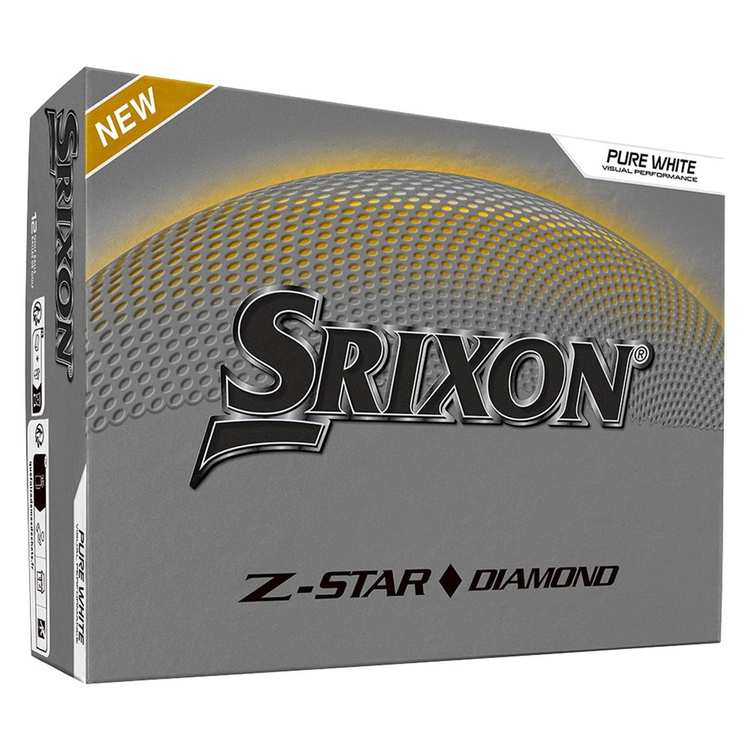
Srixon
Srixon Z-Star Diamond Golf Balls
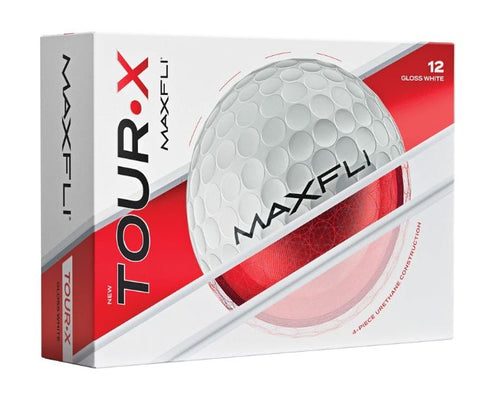
Maxfli
Maxfli Tour X Golf Balls
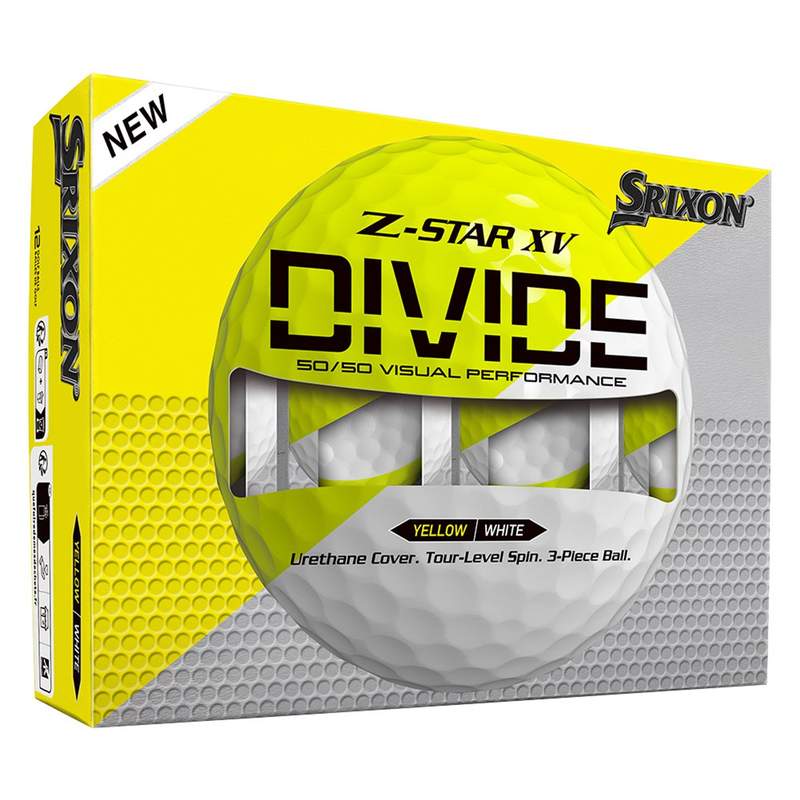
Srixon
Srixon Z-STAR XV DIVIDE Golf Balls
TaylorMade