
Nitro · Golf Balls Review
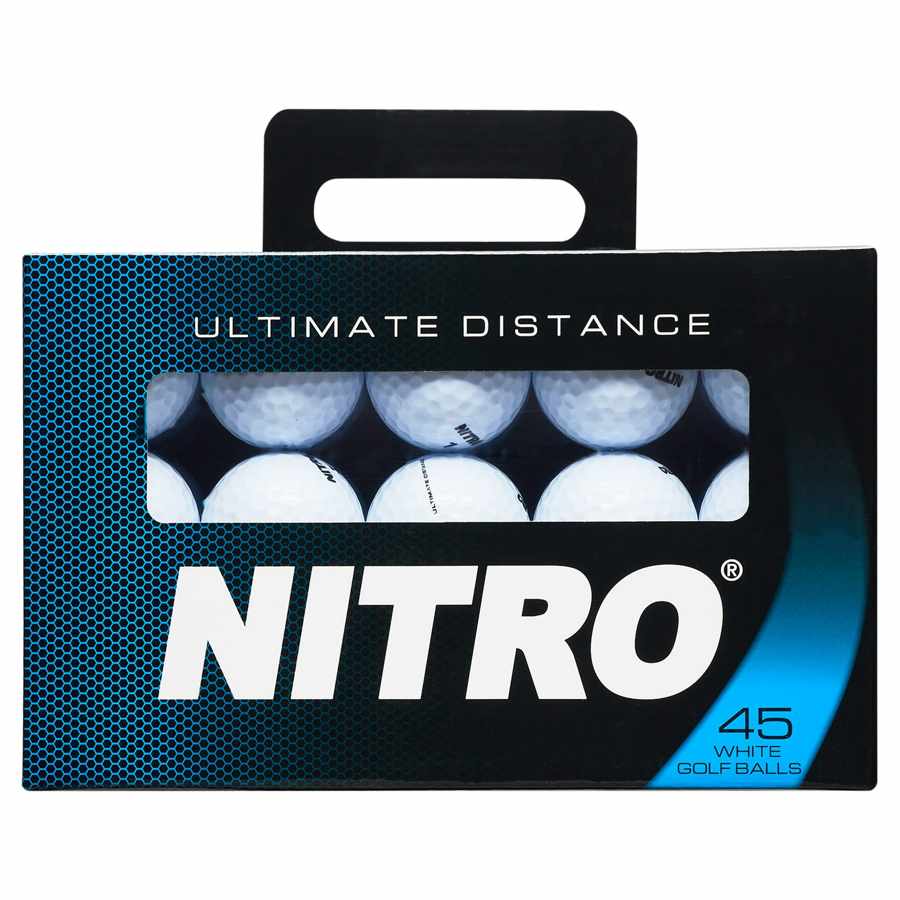
Nitro Ultimate Distance Golf Balls Review
Cheap and straight off the tee, hard and uncontrollable everywhere else
Below Average
Tour Issue Score 5.8 · Ranked #70 of 76 in Golf Balls
Best for: Casual golfers who lose many balls and value price per ball above all else
The Bottom Line
Cheap and straight off the tee, hard and uncontrollable everywhere else. The Nitro Ultimate Distance Golf Balls scores 5.8 out of 10 in our research-based review, a below average mark that puts it at #70 of 76 Golf Balls in our rankings. Its strongest fit: Casual golfers who lose many balls and value price per ball above all else.
Full Review
The Short Version
The Nitro Ultimate Distance is a two piece, titanium core distance ball sold in bargain packs at big box stores. It is cheap, tough, and straight off the tee, and it is also hard feeling, low spinning around the green, and inconsistent enough that better budget balls beat it at every part of the game except price per ball. This is the rare review where the low price does not rescue the score.
Performance
Off the driver, the design does what it promises in one narrow sense. The reactive core and low spin Surlyn cover reduce side spin, so slices curve less, and several review roundups credit Nitro balls with respectable raw distance for the money. The problems start everywhere else. Golfible summary of the Nitro range calls the balls extremely hard, says the dimple design makes spin rate difficult to control, and concludes they lack workability. Independent ball guidance is blunt about the category trade: hard, low spin balls are difficult to keep on the green once they land. A ball that releases through every green gives back on approach shots whatever it saved off the tee.
Forgiveness
For a golf ball, forgiveness means predictable flight and a cover that helps scoring shots. The Ultimate Distance offers the first half for beginners: low driver spin is genuinely forgiving for a slice. It fails the second half. Multiple reviewers note variance between batches and subtle shot to shot differences in flight and behavior, because low cost manufacturing does not match the consistency of established makers. Inconsistent distance on approach shots is the opposite of forgiveness for anyone trying to learn yardages, and the firm cover offers no check on chips, so beginners learn to play for release they did not choose.
Feel and Sound
Feel is where the research is most consistent, and most negative. Review after review describes Nitro balls as rock hard, with a firm, clicky response that becomes a real compromise on delicate shots and on the putting green, where pace feedback matters most. The marketing lists a low compression figure for some Nitro models, but the Ultimate Distance plays firm in every hands on account we found, and one retailer specification lists its compression at 100. If you enjoy the soft thud of a modern low compression ball, this is the opposite experience.
Value
Here is the honest counterargument, and its limit. A 15 pack commonly sells for about $15 to $20, and 45 packs drop the cost well under a dollar per ball, so losing three in a round barely registers. That is real value for a brand new golfer on a water heavy course. It is poor value for anyone keeping score, because the same money buys better balls on sale: our catalog review of the Srixon Soft Feel covers a soft, low compression ball with measurably stronger greenside spin among ionomer balls, and the TaylorMade SpeedSoft review covers another soft option with published robot test data. Saving a few dollars to play a ball that will not hold a green is a false economy.
Who Should Buy It
Almost nobody who is trying to improve should buy it. The only honest case is the casual or first time golfer who expects to lose a sleeve per nine holes and wants the cheapest USGA conforming ball in the store, or a practice ball for water holes. Golfers who chip and putt for score, golfers learning distance control, junior players building touch, and anyone who dislikes a hard feel should avoid it and choose the Srixon Soft Feel or TaylorMade SpeedSoft instead.
Verdict
The Ultimate Distance earns its name only off the tee. Hard feel, very low greenside spin, poor workability, and reported inconsistency make it one of the weakest balls in our catalog despite the bargain price. Spend slightly more on a soft budget ball and keep the change in your score, not your bag. This is a research-based review synthesized from published reviews, independent test data, and manufacturer specifications; no personal testing was conducted.
What We Like
- Very cheap per ball in 15 and 45 packs at big box stores, so a lost ball costs well under a dollar
- Low spin off the driver can straighten slices and hooks for beginners
- Tough Surlyn cover resists cuts and abrasions from cart paths and trees
- USGA conforming and sold in high visibility colors that are easy to follow
What to Consider
- Extremely hard, rock like feel reported across independent reviews, with a clicky response off the putter
- Very low greenside and wedge spin: Surlyn cover cannot check or hold greens like soft ionomer or urethane balls
- Spin is difficult to control and workability is poor, per Golfible testing summary
- Reviewers report batch to batch inconsistency and flight variability versus established budget balls
Specifications
| Colors | White, yellow, orange and multi color packs |
|---|---|
| Construction | 2 piece with reactive titanium core |
| Cover | Dupont Lithium Surlyn cut resistant cover, 352 dimple aerodynamic design |
| Pack Sizes | 15 pack and 45 pack |
| USGA | Conforms to USGA rules |
Score Breakdown
Scores are research-based, drawn from manufacturer specs, tour adoption, and published independent test data. How we score
More Balls Reviews
All Balls →
Titleist
Titleist Pro V1x Golf Balls (2025)
Callaway
Callaway Chrome Tour X Golf Balls
Titleist
Titleist Pro V1 Golf Balls (2025)
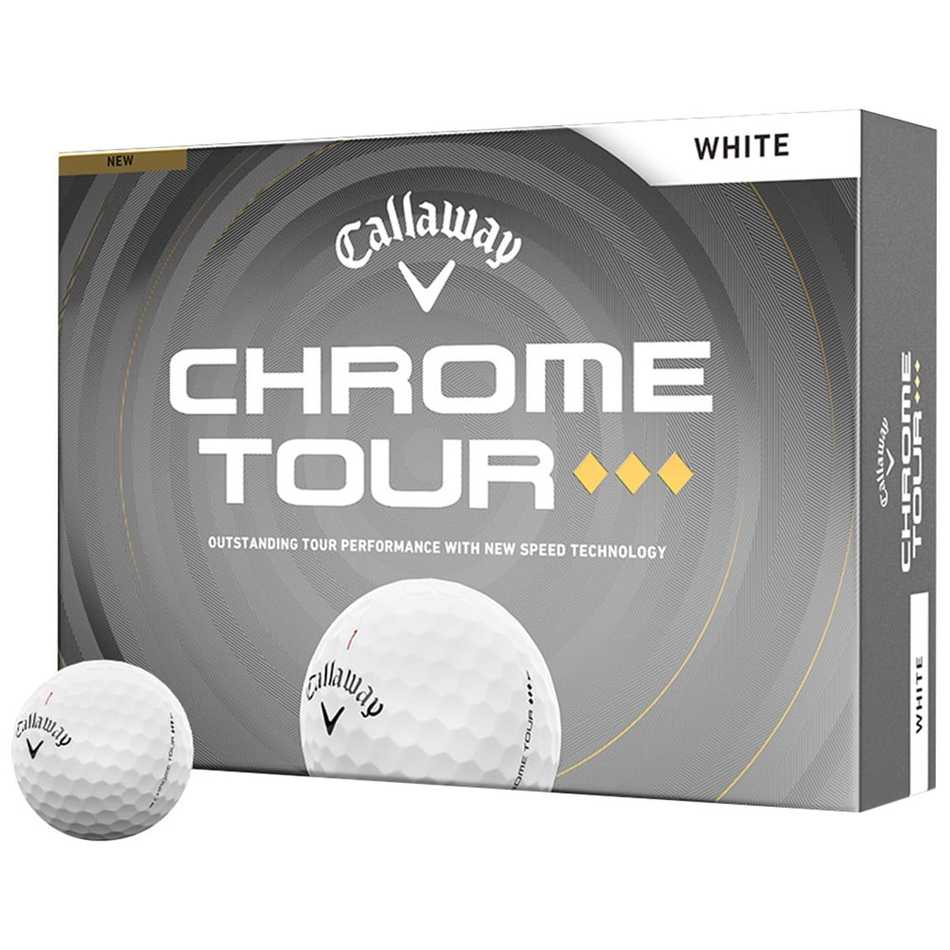
Callaway
Callaway Chrome Tour Triple Diamond Golf Balls
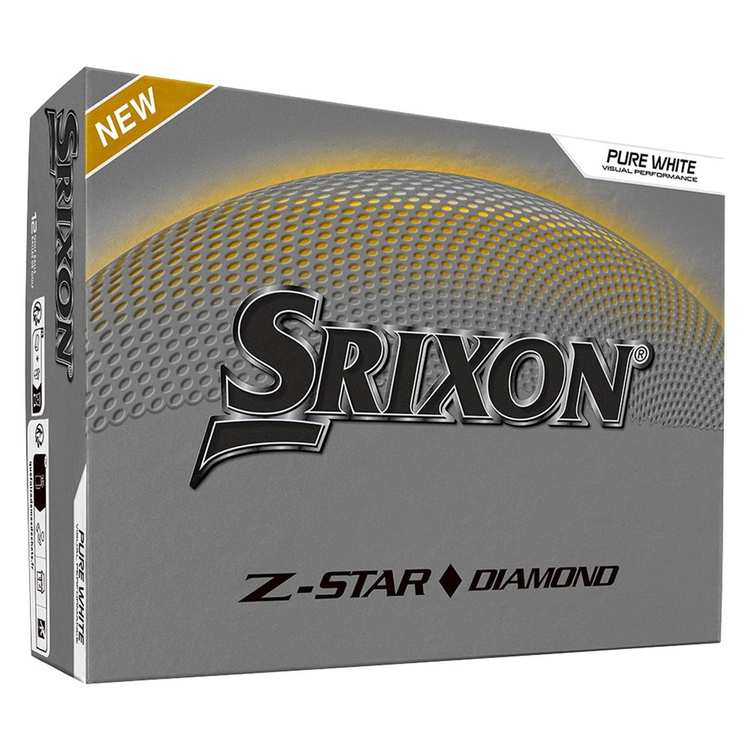
Srixon
Srixon Z-Star Diamond Golf Balls
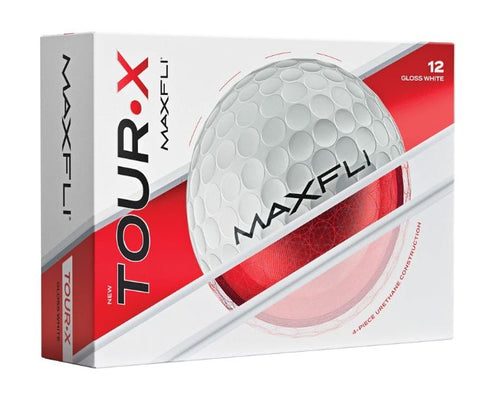
Maxfli
Maxfli Tour X Golf Balls
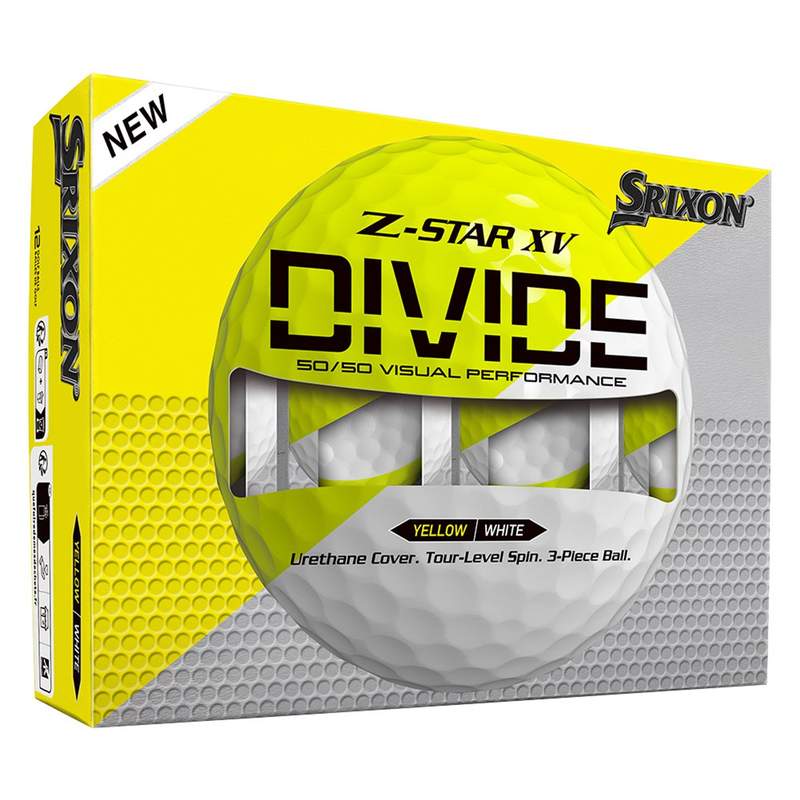
Srixon
Srixon Z-STAR XV DIVIDE Golf Balls
TaylorMade