
Nitro · Golf Balls Review
Nitro Power Distance Golf Balls Review
Hard, low spinning and untested: a budget ball priced out of its one excuse
Below Average
Tour Issue Score 5.7 · Ranked #72 of 76 in Golf Balls
Best for: Casual golfers who lose several balls a round and shop on price per dozen alone

The Bottom Line
Hard, low spinning and untested: a budget ball priced out of its one excuse. The Nitro Power Distance Golf Balls scores 5.7 out of 10 in our research-based review, a below average mark that puts it at #72 of 76 Golf Balls in our rankings. Its strongest fit: Casual golfers who lose several balls a round and shop on price per dozen alone.
Full Review
The Short Version
The Nitro Power Distance at about $19.99 a dozen is a big box distance ball built on the same recipe as the rest of the Nitro distance family: a two piece construction, a super reactive titanium core and a hard DuPont Lithium Surlyn cover. Published coverage of that family is unusually consistent. The balls are cheap, tough and adequately long off the tee, and they are rock hard, very low spinning and difficult to control everywhere else. At this price the Power Distance also gives up the one excuse cheaper Nitro packs have, because better balls from major brands sell in the same band.
Performance
Off the driver, the design goal is narrow and partly met. The firm core and low spin cover reduce side spin, so a slice curves less, and CaddieHQ's breakdown of Nitro construction credits the ionomer cover with straighter flight and more rollout. That is the whole performance story. Golfible's review of the Nitro range, covering the distance models built on this same core and cover, concludes that the dimple design makes the spin rate difficult to control and the balls lack workability, and it says of the Maximum Distance model that the balls are rock-hard and impossible to control the spin, adding that the ball bounces and will be extremely difficult to control on a hard course. A distance ball that cannot hold a green returns its tee shot gains with interest on every approach. No robot test data from MyGolfSpy or Golf Digest ball testing exists for this model to argue otherwise.
Forgiveness
For a ball, forgiveness means a predictable flight and predictable scoring behavior. The Power Distance offers half of that. Low driver spin is genuinely forgiving for a beginner's slice, and the symmetrical dimple pattern Nitro describes is meant to keep flight stable. But a ball that releases an unpredictable amount on every chip and approach teaches a new golfer nothing about distance control, and the family trait Golfible documents, spin that is difficult to control, is the opposite of forgiveness inside 100 yards. Predictability is what a learner needs most, and it is what this construction cannot provide.
Feel and Sound
Feel is the family's most consistent failing. Golfible describes Nitro's distance balls as extremely hard and its hardest model as rock-hard, and notes that even the softer Nitro models feel hard next to modern soft balls. Nitro's own listings put its distance models in the 85 compression class, firm territory, whatever the low compression language on the box suggests. Off the putter the result is a hard click with little pace feedback, and on delicate chips there is no sense of the ball checking or sitting. If feel matters to your short game at all, this is the wrong end of the market.
Value
Value is where the Power Distance loses its last defense. Nitro balls earn their keep at the very bottom of the price ladder, in the 15 and 45 packs that drop the cost toward a dollar a ball. At about $19.99 a dozen, this ball sits within a few dollars of genuinely better options: our catalog review of the Srixon Soft Feel covers a soft, low compression ball with real greenside manners at $24.99, and the Callaway Supersoft review covers another at a similar price, both with published test data behind them. Paying near major brand sale prices for an untested, hard, low spin ball is poor value even by budget standards.
Who Should Buy It
Almost no one keeping score should buy it. The remaining case is the casual golfer who expects to lose a sleeve a round on a water heavy course and wants the cheapest conforming looking dozen on the shelf, or a ball for practice rounds where the score does not count. Golfers learning distance control, golfers who chip and putt for their score, junior players building touch, and anyone who dislikes a hard feel should avoid it and spend the small difference on the Srixon Soft Feel or Callaway Supersoft instead.
Verdict
The Power Distance name promises the one thing its construction delivers least distinctively. It is adequately long, genuinely tough and cheap, and it is also hard, low spinning and hard to control, with no independent test data behind the claims and a price that has drifted into better company. The budget ball to buy is a soft one on sale, not this one. This is a research-based review.
What We Like
- Cheap per dozen at big box stores, commonly in the $10 to $20 range, so a lost ball costs little
- Low spin off the driver can reduce slice curvature for beginners, a documented trait of the hard ionomer construction, per CaddieHQ
- Tough DuPont Lithium Surlyn cover resists cuts and abrasions from cart paths and trees, per Nitro and Golfible
- Two piece titanium core design produces respectable raw distance for the money in Nitro family roundups
What to Consider
- Rock hard feel across the Nitro distance family: Golfible calls the distance models rock-hard, with a firm, clicky response that is worst on putts and touch shots
- Very low and hard to control greenside spin: Golfible found the dimple design makes spin rate difficult to control and the balls lack workability
- Approach shots bounce and release through greens, per Golfible, which is especially costly on firm courses
- At about $19.99 a dozen it is not the cheapest way to buy a Nitro ball, and softer, better tested budget balls regularly sell in the same price band
- No published robot or launch monitor data from the major independent ball tests backs the power and distance claims, which rest on the same titanium core language Nitro has used for years
Specifications
| Compression | 85 class, per Nitro listings for its distance models |
|---|---|
| Construction | 2-piece |
| Core | Super reactive titanium core, per Nitro |
| Cover | DuPont Lithium Surlyn cut resistant cover, per Nitro |
| Flight and USGA | Low spin distance design with aerodynamic symmetrical dimple pattern, per Nitro; check the current USGA conforming list for this exact model before competition play, as Golfible notes only some Nitro models are approved for tournament play |
Score Breakdown
Scores are research-based, drawn from manufacturer specs, tour adoption, and published independent test data. How we score
More Balls Reviews
All Balls →
Titleist
Titleist Pro V1x Golf Balls (2025)
Callaway
Callaway Chrome Tour X Golf Balls
Titleist
Titleist Pro V1 Golf Balls (2025)
Callaway
Callaway Chrome Tour Triple Diamond Golf Balls
Srixon
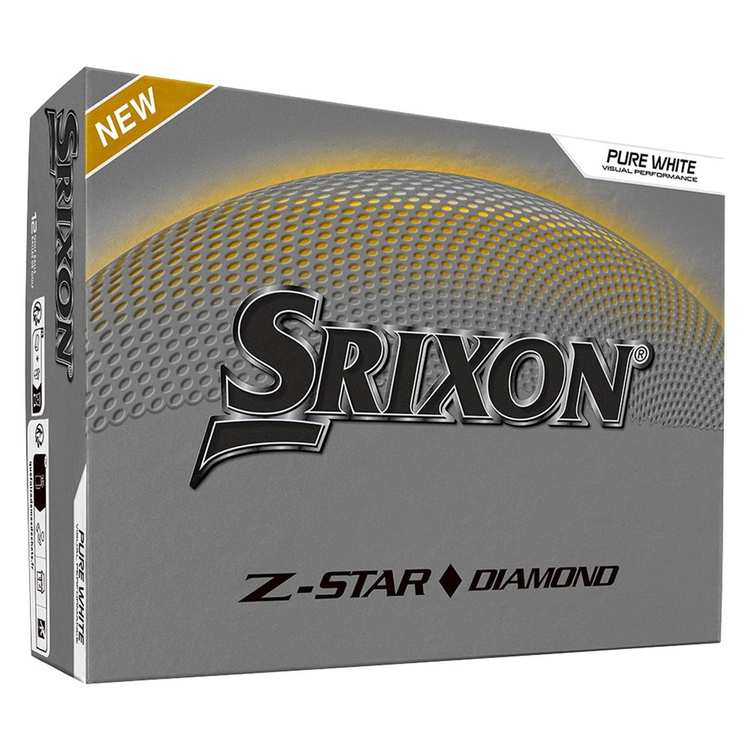
Srixon Z-Star Diamond Golf Balls
Maxfli
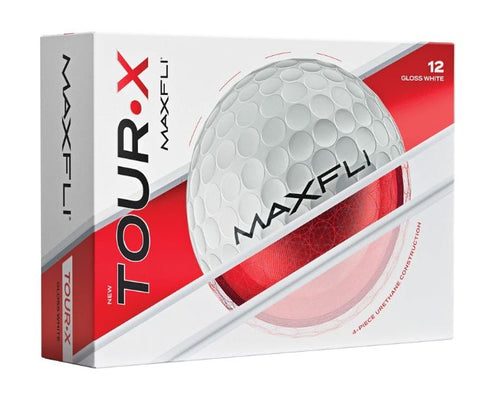
Maxfli Tour X Golf Balls
Srixon
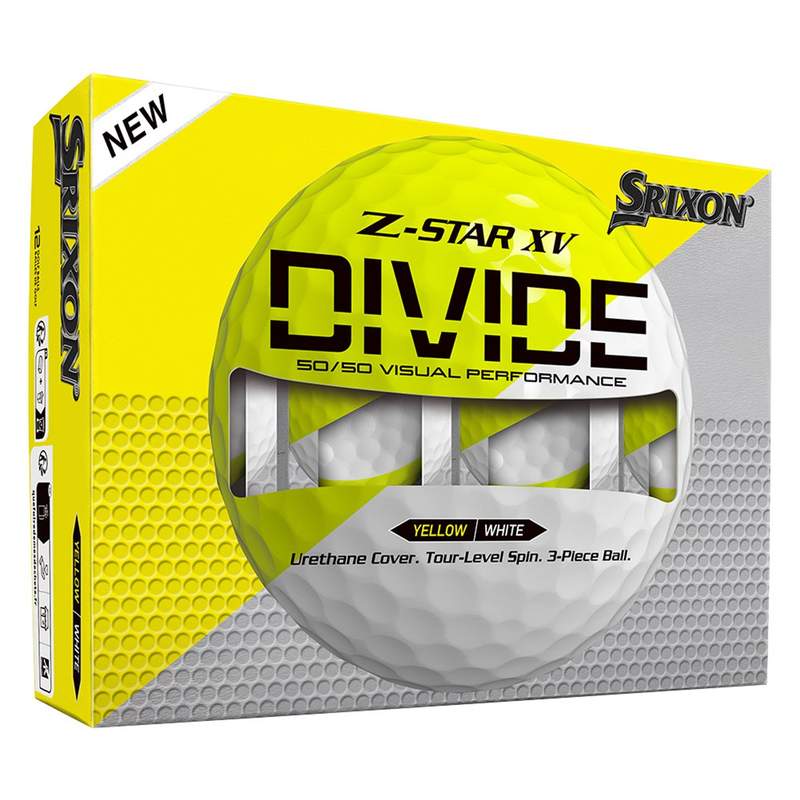
Srixon Z-STAR XV DIVIDE Golf Balls
TaylorMade