
Nitro · Golf Balls Review
Nitro Crossfire Golf Balls Review
Well under a dollar a ball, and it plays like it around the greens
Below Average
Tour Issue Score 6.3 · Ranked #61 of 76 in Golf Balls
Best for: Brand new and casual golfers who lose several balls a round and want the cheapest USGA conforming ball per ball, not golfers playing for score
The Bottom Line
Well under a dollar a ball, and it plays like it around the greens. The Nitro Crossfire Golf Balls scores 6.3 out of 10 in our research-based review, a below average mark that puts it at #61 of 76 Golf Balls in our rankings. Its strongest fit: Brand new and casual golfers who lose several balls a round and want the cheapest USGA conforming ball per ball, not golfers playing for score.
Full Review
The Short Version
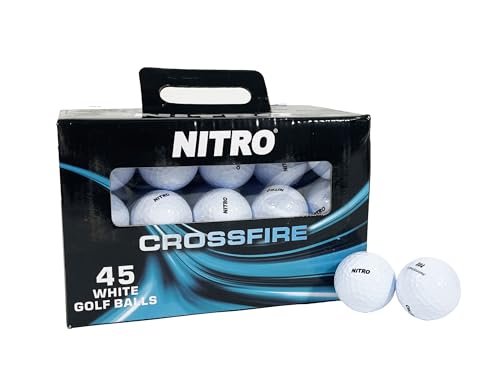
The Nitro Crossfire is a two piece, titanium core distance ball sold in a 45 ball handle pack for about $30, which works out to well under a dollar a ball. That price is the entire story, because the published record on everything else is weak: reviewers describe a firm, hard feel despite an 85 compression soft feel claim, very low greenside spin, inconsistent distance, and colors that fade. As a practice ball or a first season ball for someone losing a sleeve a round, it has a narrow use. As a ball to play for score, better budget balls in this catalog beat it for a few dollars more, which is why this review is not a recommendation.
Performance
The design brief is energy transfer and low spin. The solid two piece titanium core and DuPont Lithium Surlyn cover are built to fly straight and tolerate abuse, and published reviews credit the Crossfire with respectable raw distance off the woods on its best strikes. The problems are consistency and control. One published review roundup lists as a standing con that golfers constantly find they are losing distance with the Crossfire, and the GolfGuy review notes the ball tends to fly high, which helps a beginner get it airborne but makes it a liability in wind. Around the green the same review is blunt that the ball may not offer enough greenside spin for golfers who rely on spin, and that is the defining performance limit: approach shots and chips release through greens instead of checking, so you give back on scoring shots what the price saved at checkout.
Forgiveness
Off the tee, the Crossfire is forgiving in one narrow sense. Low driver spin means less side spin, so a beginner's slice curves less and stays findable, and the high launch helps slower swings get the ball up. Everywhere else, forgiveness runs the other way. A ball with minimal greenside spin is unforgiving on approach shots, because there is no check to rescue a shot that lands past the pin, and inconsistent distance from ball to ball makes yardages hard to learn, which is the opposite of what a developing golfer needs. Predictability is a form of forgiveness, and the published record says this ball does not reliably provide it.
Feel and Sound
Feel is where the marketing and the research disagree most sharply. Nitro lists an 85 compression rating and describes a soft feel with hit and stick action, but 85 is a firm figure by modern standards, and hands on accounts line up with the number, not the adjective. The GolfGuy review states the ball has a soft feel but is still much harder than some of the most commonly played balls in the game, and Amazon buyer reviews are blunter, calling the Crossfire very hard on contact and the exact opposite of hitting a Supersoft. On the putting green that firm, clicky response makes pace feedback coarse, and on delicate chips there is little sense of the ball gripping the face. Golfers who enjoy a soft, low compression feel should treat this as a hard distance ball, because that is what the research describes.
Value
The arithmetic is genuinely extreme: about $30 for 45 balls on Amazon is roughly 67 cents a ball, the cheapest way in this catalog to fill a bag, and for water holes, winter golf, or a first summer of lessons that has real utility. The value case collapses when you compare cost per shot that counts. The Callaway Supersoft in this catalog costs about $27 a dozen, is independently robot tested among the longest and straightest balls at moderate swing speeds, and feels dramatically softer with better greenside manners. The Wilson Duo Soft, also reviewed in this catalog at about $25 a dozen, offers a mid 30s compression soft feel and a straighter flight without the rock hard strike. Saving money per ball while paying strokes per round is a false economy for anyone keeping a handicap.
Who Should Buy It
The only honest buyers are brand new golfers who expect to lose balls faster than they can learn from them, casual players stocking up for water heavy courses, and anyone who wants a cheap practice supply. Golfers who chip and putt for score, golfers learning distance control, players who dislike a hard feel, and anyone playing in wind should avoid the Crossfire. If the budget is the binding constraint, buy the Callaway Supersoft or Wilson Duo Soft on sale instead and lose fewer strokes along with fewer dollars.
Verdict
The Crossfire is a bulk commodity ball with a premium sounding name. Firm feel that contradicts its soft marketing, low greenside spin, inconsistent distance in published testing, and fading colors make it one of the weakest scoring balls in our catalog, rescued from a lower score only by a per ball price almost nobody can match. Buy it as a consumable, not as equipment. This is a research-based review synthesized from published reviews, buyer reports, and manufacturer specifications; no personal testing was conducted.
What We Like
- Extremely cheap per ball: the 45 ball pack sells for about $30 on Amazon, well under a dollar a ball, so a lost ball barely registers
- Low spin off the driver reduces side spin, so slices and hooks curve less for beginners
- DuPont Lithium Surlyn cover is cut resistant and tolerates cart paths and trees better than soft covers
- USGA conforming, sold in white and high visibility colors, with a symmetrical 352 dimple design
What to Consider
- Firm, hard feel in published reviews despite the soft feel marketing: reviewers describe the Crossfire as much harder than the most commonly played balls, with one Amazon buyer calling the feel very hard and the opposite of a Callaway Supersoft
- Very low greenside spin from the Surlyn cover, so chips and pitches release instead of checking, a weakness flagged in multiple published reviews
- Distance is inconsistent in published roundups, with one review summary noting golfers constantly find they are losing distance, and the high flight is a liability in wind
- Color options fade after a few rounds in buyer reports, and bulk pack quality control complaints include short counts in the box
Specifications
| Colors | White, orange, yellow and other high visibility colors in bulk packs |
|---|---|
| Compression | 85, per manufacturer listing |
| Construction | 2 piece with solid titanium core |
| Cover | DuPont Lithium Surlyn cut proof cover, 352 symmetrical dimples |
| Pack and USGA | 45 ball handle pack; conforms to USGA rules |
Score Breakdown
Scores are research-based, drawn from manufacturer specs, tour adoption, and published independent test data. How we score
More Balls Reviews
All Balls →
Titleist
Titleist Pro V1x Golf Balls (2025)
Callaway
Callaway Chrome Tour X Golf Balls
Titleist
Titleist Pro V1 Golf Balls (2025)
Callaway
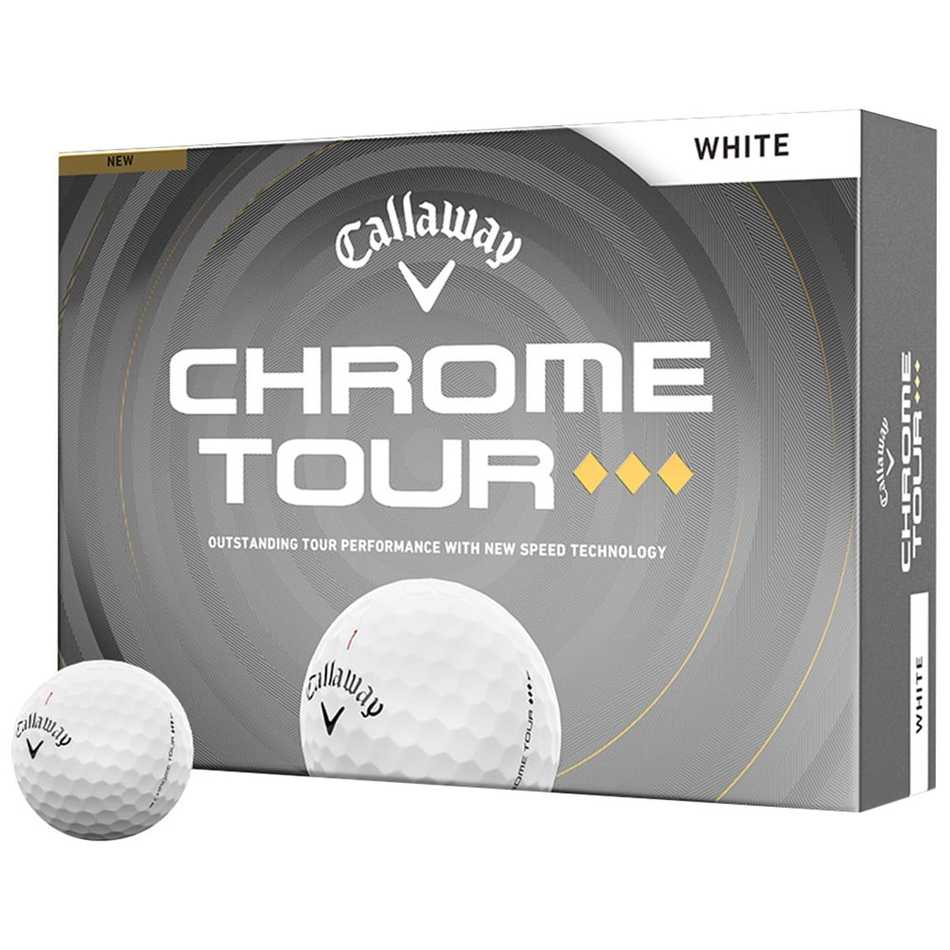
Callaway Chrome Tour Triple Diamond Golf Balls
Srixon
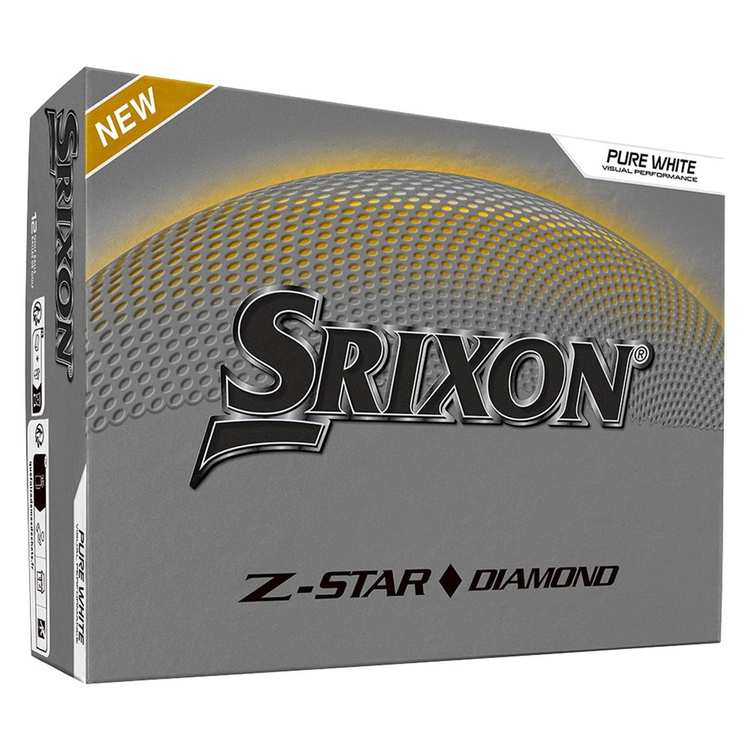
Srixon Z-Star Diamond Golf Balls
Maxfli
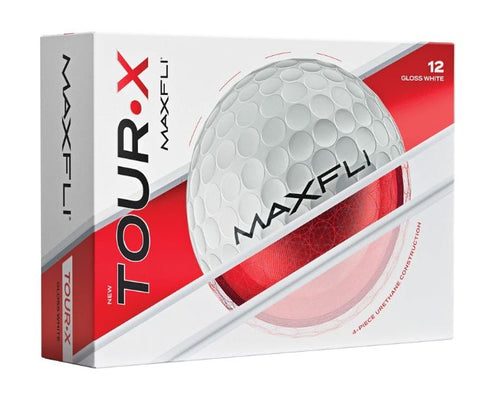
Maxfli Tour X Golf Balls
Srixon
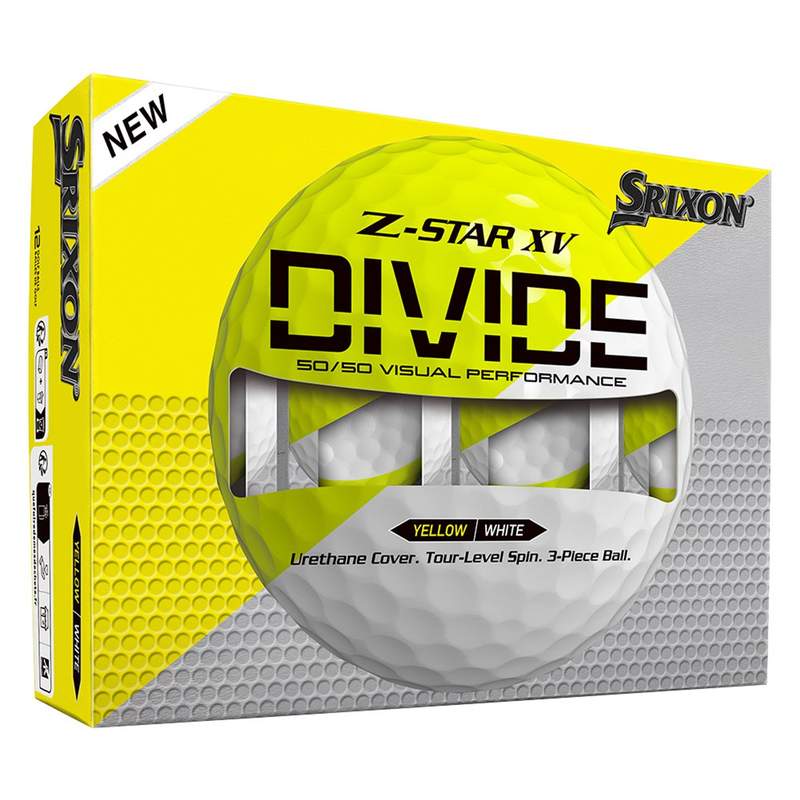
Srixon Z-STAR XV DIVIDE Golf Balls
TaylorMade