
L.A.B. Golf · Putters Review
L.A.B. Golf Link 2.2 Putter Review
Zero-torque Lie Angle Balance in a square-back wide blade, the stable sibling of the Link 2.1.
Excellent
Tour Issue Score 8.7 · Ranked #24 of 38 in Putters
Best for: Blade players who want zero-torque Lie Angle Balance with more footprint and stability than a narrow blade, and who prefer a longer sight line.
The Bottom Line
Zero-torque Lie Angle Balance in a square-back wide blade, the stable sibling of the Link 2.1.. The L.A.B. Golf Link 2.2 Putter scores 8.7 out of 10 in our research-based review, a excellent mark that puts it at #24 of 38 Putters in our rankings. Its strongest fit: Blade players who want zero-torque Lie Angle Balance with more footprint and stability than a narrow blade, and who prefer a longer sight line..
Full Review
The Short Version
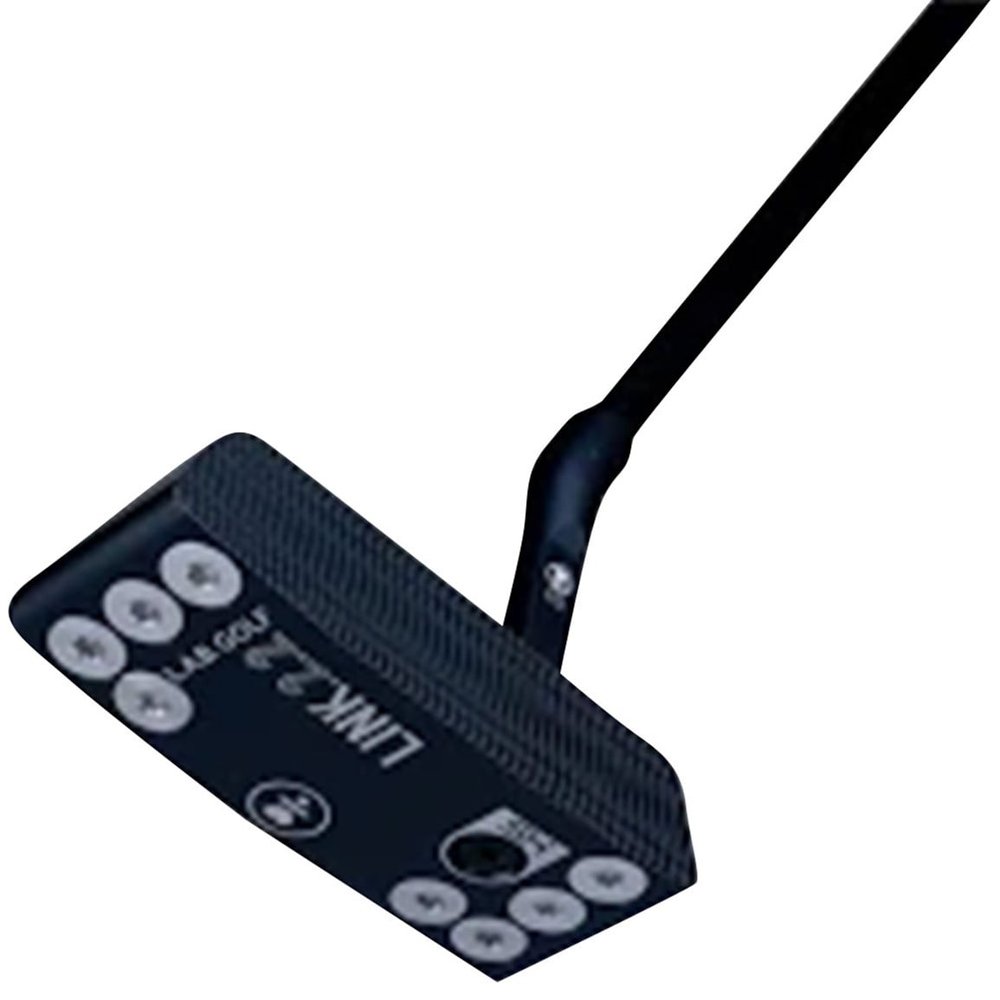
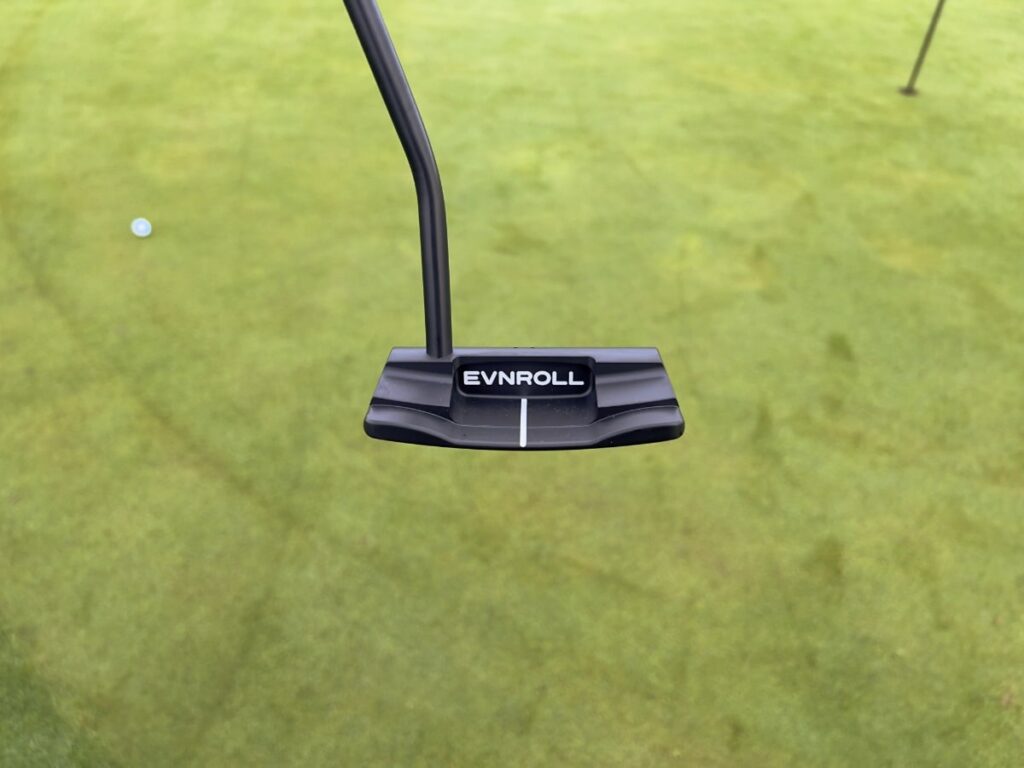
The Link 2.2 is the wider sibling of the Link 2.1, and for many golfers it will be the better buy. It takes the same formula, Lie Angle Balance zero-torque weighting in a heel-shafted blade milled from 303 stainless steel with a black PVD finish and a deep fly mill face, and stretches it into a square-back footprint. Plugged In Golf measured the difference precisely: the 2.2 is over half an inch shorter from heel to toe and almost half an inch deeper from front to back than the 2.1, with the same cavity width and single white sight line. The result is a compact wide-body blade that frames the ball with a longer alignment line and adds real stability, without crossing into mallet territory.
Performance
Performance is start line, and the published evidence is strong. GolfLink's testing put the Link 2.2 through a gate drill, a three-inch gate 18 inches into a 12-foot putt, and recorded 20 putts through the gate in 20 attempts, a cleaner result than the same tester managed with the DF3.i mallet. Plugged In Golf's launch monitor work found more consistent ball speed from the 2.2 than from the 2.1, and its on-green testing praised excellent distance control, helped by a head weight the reviewer described as just right. GOLF.com's launch coverage explained why the shape works: the aluminum riser hosel, borrowed from the OZ.1i HS, lets the shaft enter the head at the angle Lie Angle Balance requires while presenting as a normal heel-shafted blade at address.
Forgiveness
Forgiveness is where the 2.2 earns its premium over the 2.1. The deeper square-back body pushes mass back and toward the heel and toe, and GolfLink's mishit testing was pleasantly surprised: heel strikes in particular held their speed well and behaved almost normally, with the firm feedback the only giveaway. Eight sole weights, four per side per Golf Digest, do the balancing work. Honest limits apply. It remains a blade, and GolfLink found the DF3.i's biggest misses finished about a foot closer than the 2.2's, so golfers who wander across the face should still choose a L.A.B. mallet. Within the blade category, though, this is near the top for stability.
Feel and Sound
Feel is the demanding part. Both Link 2 models share the 303 stainless construction and deep fly mill face, and Plugged In Golf described the 2.2's impact sound as a quiet but decidedly metallic, high-pitched ting, consistent across the face. Perfect strikes feel soft and connected; anything less feels firm, and the reviewer was direct that the putter is very demanding if you want that premium soft sensation. The Clubhouse's long-term review was kinder, calling the milled face and steel construction clear improvements over earlier L.A.B. models, and the heavy head build with an upcharge shaft felt solid and comfortable. Zero degrees of shaft lean means conventional grips, including the stock Lamkin Deep Etched, install normally, which keeps the whole experience familiar.
Value
At $499.99 stock and $599 and up for custom builds, with shaft upgrades adding $100 or more, the Link 2.2 costs exactly what the narrower 2.1 costs, which makes the choice between them purely about shape preference. The value case mirrors the rest of the L.A.B. line: no conventional wide blade at any price offers Lie Angle Balance, every putter is hand-balanced in the USA, and the custom program covers lie angle through 10 riser hosels, length, head weight, alignment marks, shaft and grip. Against that, the same resale caution applies: a putter balanced to your exact specifications suits a narrower secondhand market.
Who Should Buy It
Buy the Link 2.2 if you want zero-torque face control, prefer a blade, but have always found narrow Anser shapes a little small and twitchy behind the ball. The longer sight line and deeper body make it the natural L.A.B. blade for golfers moving down from a compact mallet. Purists who want the slimmest traditional profile should choose the Link 2.1, and golfers who need maximum mishit protection should stay with the DF3 or OZ families.
Verdict
The Link 2.2 takes everything the Link 2.1 proved, that Lie Angle Balance works in a traditional heel-shafted blade, and delivers it in the shape more golfers will actually settle over. Gate-test start lines matched the flagship mallets, ball speed consistency improved on its sibling, and the square-back footprint adds forgiveness the 2.1 cannot match. Demanding feel on mishits and premium pricing are the costs. For a blade player curious about zero torque, this is the most convincing entry point L.A.B. has made. This is a research-based review: we analyzed specs, manufacturer data, and published independent test data; no personal testing was conducted.
What We Like
- Lie Angle Balance zero-torque technology in a square-back, wide-body blade: shorter heel to toe and deeper front to back than the Link 2.1, per Plugged In Golf measurements
- Start line performance matched the flagship mallets in GolfLink gate testing: 20 of 20 putts through a 3-inch gate from 12 feet, beating the DF3.i in the same test
- 100 percent CNC milled 303 stainless steel head with black PVD finish and a deep fly mill face
- Heel-shafted riser hosel with zero degrees of shaft lean, so standard grips fit with no modification, per GOLF.com and Golf Digest
- More consistent ball speed than the Link 2.1 in Plugged In Golf launch monitor testing, with excellent distance control
- Extensive customization: 10 riser hosels covering lie angles from 65 to 74 degrees, length, head weight, 15 front and 8 rear alignment options, shafts and grips
What to Consider
- Premium $499.99 stock price, with custom builds starting at $599 and shaft upgrades adding $100 or more, per published reviews
- Feel is demanding: Plugged In Golf found only perfect strikes earn the soft, connected sensation, and anything less feels firm with a high-pitched ting
- Still a blade for forgiveness purposes; GolfLink testing found the DF3.i clearly better on speed control and big misses
- Heel-shafted riser hosel look divided reviewers, and The Clubhouse found the neck arrangement visually difficult even while preferring the 2.2 shape
- Lie angle is built into each hand-balanced putter through one of 10 riser hosels, so it cannot be casually adjusted later like a conventional putter
Specifications
| Alignment | Single white sight line standard; 15 front and 8 rear alignment marking options across stock and custom builds |
|---|---|
| Head | Square-back wide-body blade, 100 percent CNC milled 303 stainless steel, black PVD finish, deep fly mill face, eight sole weights |
| Lie / Length | 2 degrees loft; stock lie angle 69 degrees; custom lie angles 65 to 74 degrees via 10 riser hosels; stock lengths 33, 34 and 35 inches |
| Shaft / Balance | Heel-shafted riser hosel; Lie Angle Balanced (zero torque); 0 degrees shaft lean; Lamkin Deep Etched grip standard |
| Technology | Lie Angle Balance, hand-balanced and assembled in the USA; stock $499.99, custom from $599 |
Score Breakdown
Scores are research-based, drawn from manufacturer specs, tour adoption, and published independent test data. How we score
More Putters Reviews
All Putters →
L.A.B. Golf
L.A.B. Golf OZ.1i Putter
TaylorMade
TaylorMade Spider Tour X Putter
L.A.B. Golf
L.A.B. Golf OZ.1 Putter
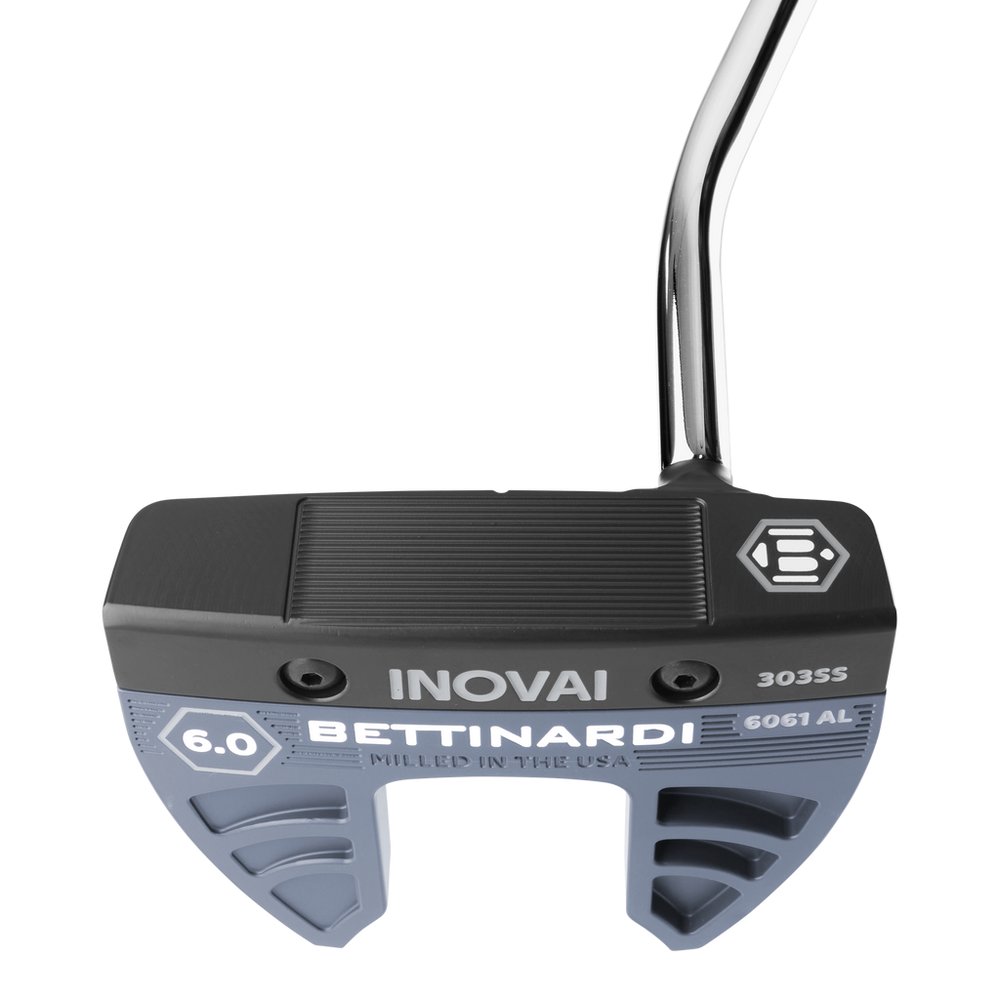
Bettinardi
Bettinardi INOVAI 6.0 Putter
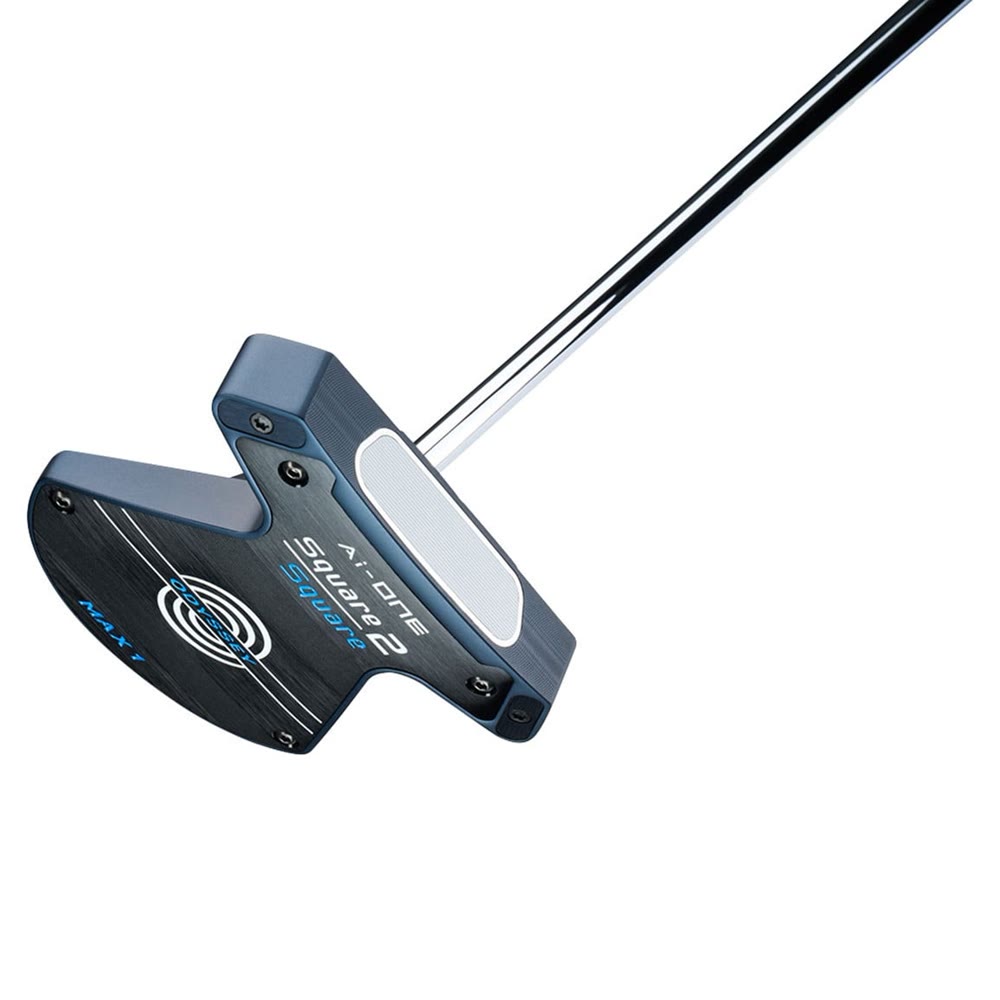
Odyssey
Odyssey Ai-ONE Square 2 Square Max Putter
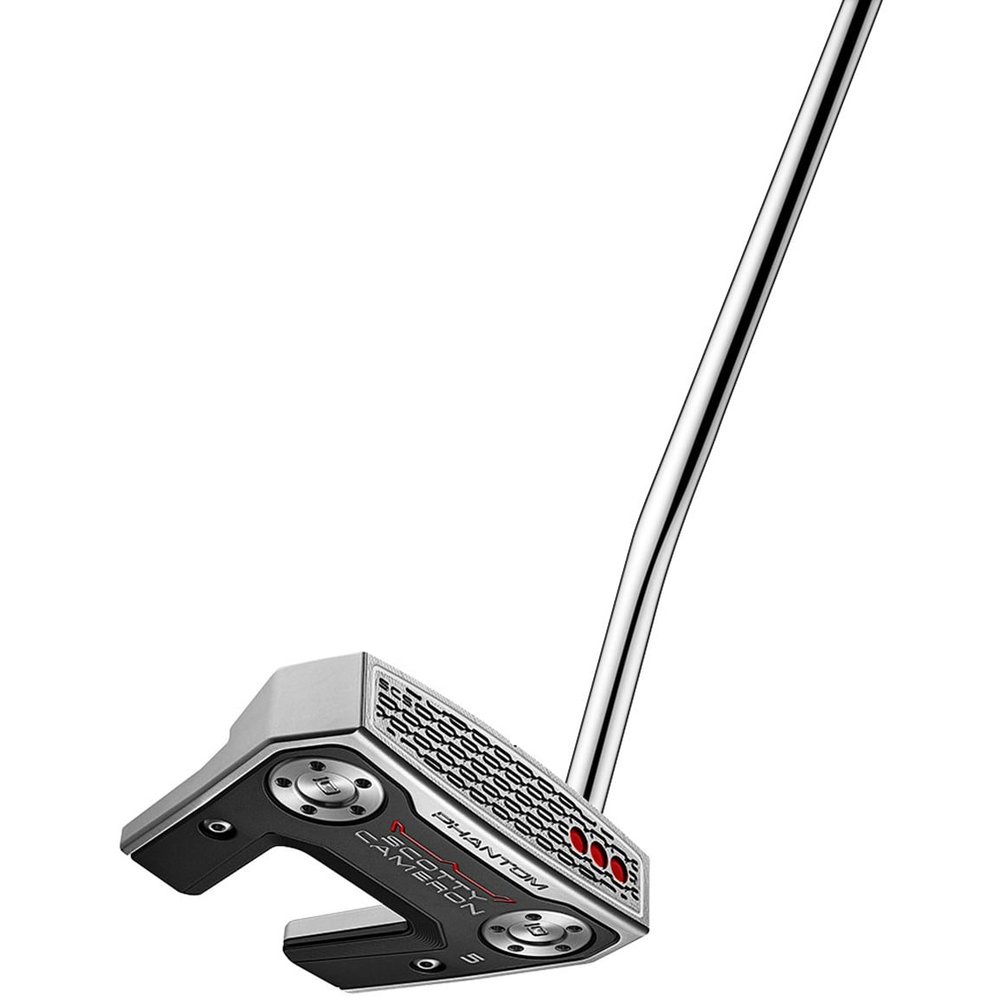
Scotty Cameron
Scotty Cameron Phantom 5 Putter (2026)
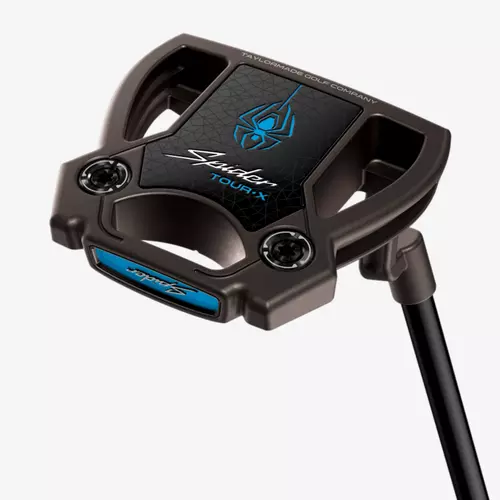
TaylorMade
TaylorMade Spider Tour Putter
Evnroll