
L.A.B. Golf · Putters Review
L.A.B. Golf Link 2.1 Putter Review
Zero-torque Lie Angle Balance in a true traditional blade.
Very Good
Tour Issue Score 8.4 · Ranked #36 of 38 in Putters
Best for: Blade loyalists and traditionalists who want Lie Angle Balance zero-torque performance without moving to a large or unconventional mallet head.
The Bottom Line
Zero-torque Lie Angle Balance in a true traditional blade.. The L.A.B. Golf Link 2.1 Putter scores 8.4 out of 10 in our research-based review, a very good mark that puts it at #36 of 38 Putters in our rankings. Its strongest fit: Blade loyalists and traditionalists who want Lie Angle Balance zero-torque performance without moving to a large or unconventional mallet head..
Full Review
The Short Version
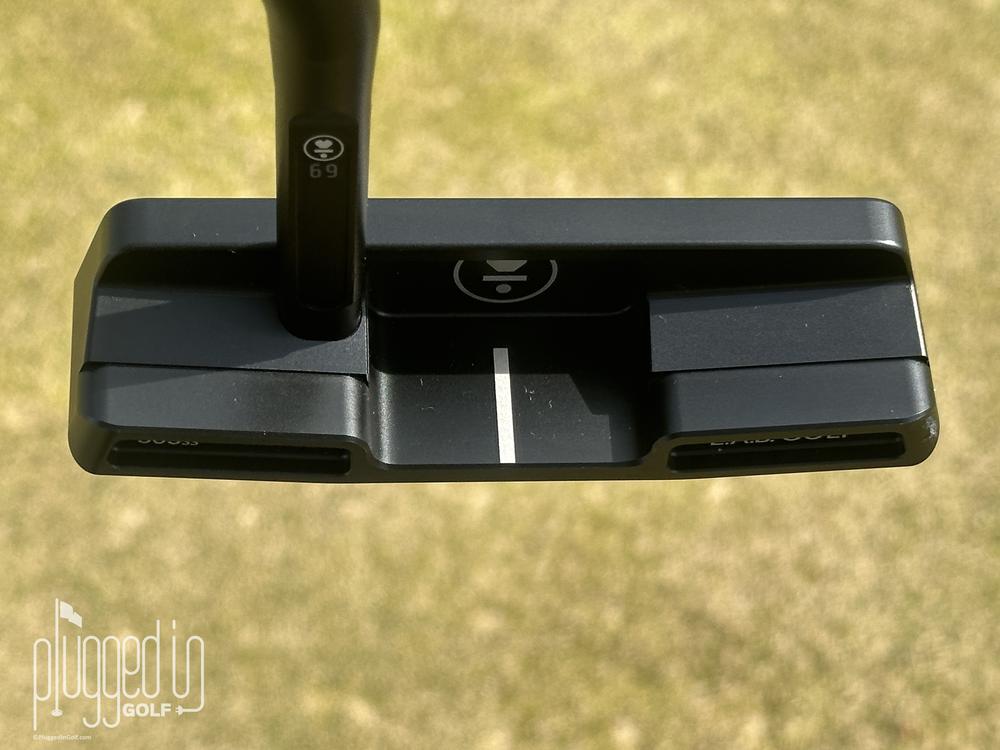
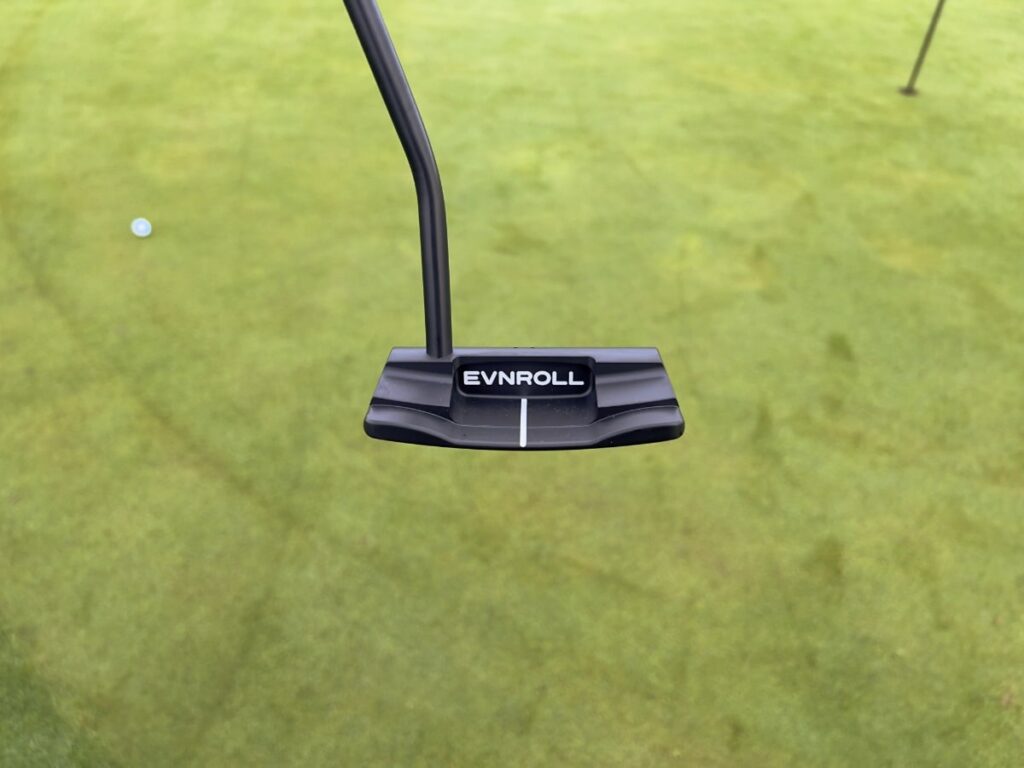
The Link 2.1 is the L.A.B. Golf putter built for the golfer who refused every previous L.A.B. Golf putter. It takes the company's Lie Angle Balance technology, which balances the head so the face wants to stay square through the stroke, and puts it in a narrow, heel-shafted blade milled from 303 stainless steel with a black PVD finish and a deep fly mill face. There are no visible sole weights at address and no forward shaft lean. It looks like an Anser and then behaves like a zero-torque putter once the stroke starts.
Performance
Performance is about start line. Lie Angle Balance means the putter is balanced for its specific length, lie angle, head weight, shaft and grip, so the face has no torque-driven preference to open or close. Plugged In Golf's testing found exactly the signature benefit the technology promises: after an adjustment to the conventional grip, the Link 2.1 was as trustworthy as other L.A.B. models for starting the ball on its intended path, and even the early pulled putts were unusually repeatable. Other published reviews agree, describing excellent face control and dispersion on short and mid-range putts, the distances where a degree of face angle decides the outcome. Distance control was a pleasant surprise in testing.
Forgiveness
Forgiveness needs honest framing. Within the blade category, the Link 2.1 is generous: heel and toe weighting and the heavy head make it more tolerant of small misses than most Anser-style putters, and zero torque limits the twisting that sends mishits offline. Against L.A.B.'s own mallets, it is not close. The DF3 and the OZ family carry far more stability, and reviewers are blunt that golfers who regularly strike the edges of the face will be punished here. One reviewer also found the heel-shafted presentation could look as though it aimed slightly left, a reminder that alignment perception is personal and worth checking before purchase. Buy this putter for face control in a traditional shape, not for rescue.
Feel and Sound
Feel separates the Link 2.1 from the aluminum L.A.B. mallets. The one-piece 303 stainless construction gives centered strikes a soft but responsive sensation that Plugged In Golf called sensational, with a dull, muffled tock at impact. The deep fly mill face is central to that character. Mishits tell on themselves: feel firms up substantially and the sound sharpens toward a click, which is useful feedback, even if the same reviewer noted that telling one miss from another can be difficult. Because shaft lean is zero degrees, the putter uses conventional grips rather than L.A.B.'s Press grips, so the whole experience feels familiar to a blade player in a way no center-shafted L.A.B. model does.
Value
At $499.99 for the stock build at TGW and $599 and up for custom builds, the Link 2.1 is priced with premium milled blades, and optional shafts in testing coverage ran from a $100 upcharge to $399 for the most exotic option. The value case is that no conventional blade at any price offers Lie Angle Balance, every putter is hand-balanced and assembled in the USA through multiple build stages, and customization covers lie angle, length, head weight, alignment marks, shaft and grip. Against that, resale depends on your exact specifications suiting another buyer, and a golfer who does not fight face rotation is paying for someone else's fix.
Who Should Buy It
Buy the Link 2.1 if you love the look and feel of a blade, miss putts because the face turns through impact, and have resisted zero torque only because the heads looked wrong. It is also the natural L.A.B. entry point for traditionalists, with the wider Link 2.2 as the option for golfers who want a slightly larger, square-back footprint. Mallet players who rely on maximum forgiveness should stay with the DF3 or OZ lines, and golfers who like to release and rotate the face by feel should test carefully before committing.
Verdict
The Link 2.1 succeeds at the job it was designed for: it makes zero torque feel normal. The start line consistency is real, the milled stainless feel is excellent, and the traditional presentation removes the biggest objection blade players had to L.A.B. Golf. It gives up mallet forgiveness and a meaningful amount of money to do it, which keeps the score below the DF3, but for its target golfer it may be the most convincing blade in the category. This is a research-based review.
What We Like
- Lie Angle Balance zero-torque technology in a narrow, traditional heel-shafted blade, the first heel-shafted design in the LINK family
- 100 percent CNC milled 303 stainless steel head with black PVD finish and a deep fly mill face
- Zero degrees of shaft lean means standard grips install with no modification, unlike forward-press L.A.B. models
- Start line consistency praised across published reviews, with putts starting on the intended path repeatably
- Heavy D9 swing weight helped distance control on long putts in Plugged In Golf testing
- Extensive customization: lie angle from 65 to 74 degrees, length, head weight, 15 front and 8 rear alignment options, shafts and grips
What to Consider
- Premium $499.99 stock price, with custom builds starting at $599 and premium shaft options adding far more
- Blade head is inherently less forgiving than L.A.B. mallets such as the DF3; regular exploration of the face edges is punished
- Heavy D9 swing weight feels like a hammer compared with most Anser-style blades and will not suit every stroke tempo
- Conventional grip and traditional look can tempt a conventional releasing stroke instead of trusting the zero-torque design, per Plugged In Golf
- Feedback on mishits firms up noticeably and some reviewers found it hard to distinguish between different misses
- Lie angle is built into each hand-balanced putter, so it cannot be casually adjusted later like a conventional putter
Specifications
| Alignment | 15 front and 8 rear alignment marking options across stock and custom builds |
|---|---|
| Head | Narrow-body heel-shafted blade, 100 percent CNC milled 303 stainless steel, black PVD finish, deep fly mill face |
| Lie / Length | 2 degrees loft; lie angle range 65 to 74 degrees in custom builds; lengths 28 to 38 inches reported in published specifications |
| Swing Weight / Balance | D9 swing weight; Lie Angle Balanced (zero torque), 0 degrees shaft lean |
| Technology | Lie Angle Balance, hand-balanced and assembled in the USA; stock $499, custom from $599 |
Score Breakdown
Scores are research-based, drawn from manufacturer specs, tour adoption, and published independent test data. How we score
More Putters Reviews
All Putters →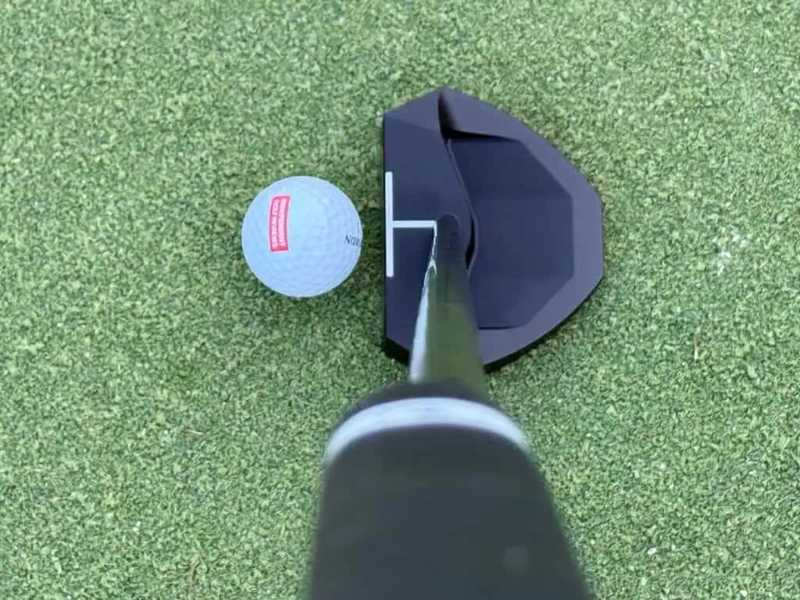
L.A.B. Golf
L.A.B. Golf OZ.1i Putter
TaylorMade
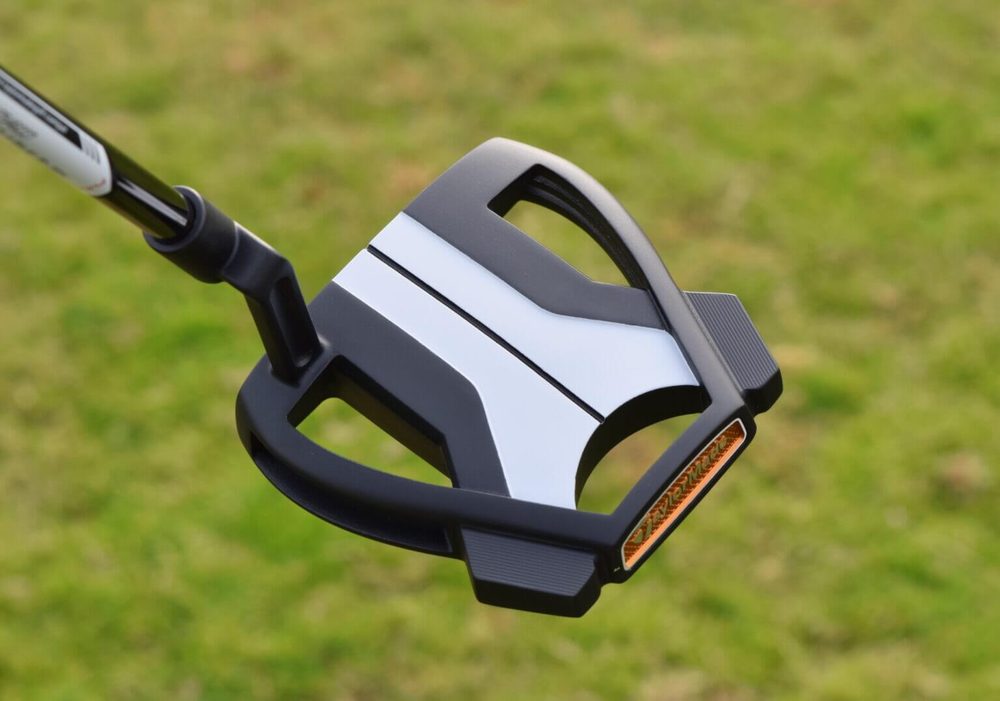
TaylorMade Spider Tour X Putter
L.A.B. Golf
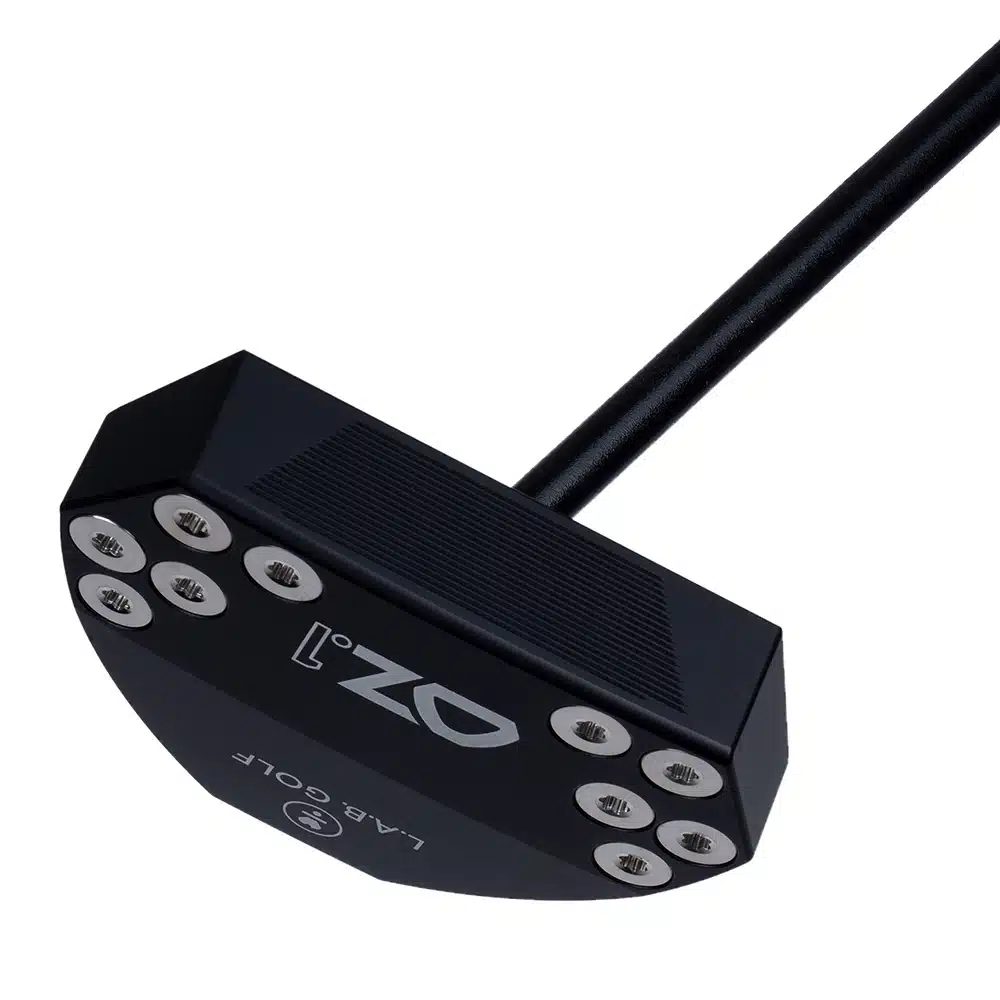
L.A.B. Golf OZ.1 Putter
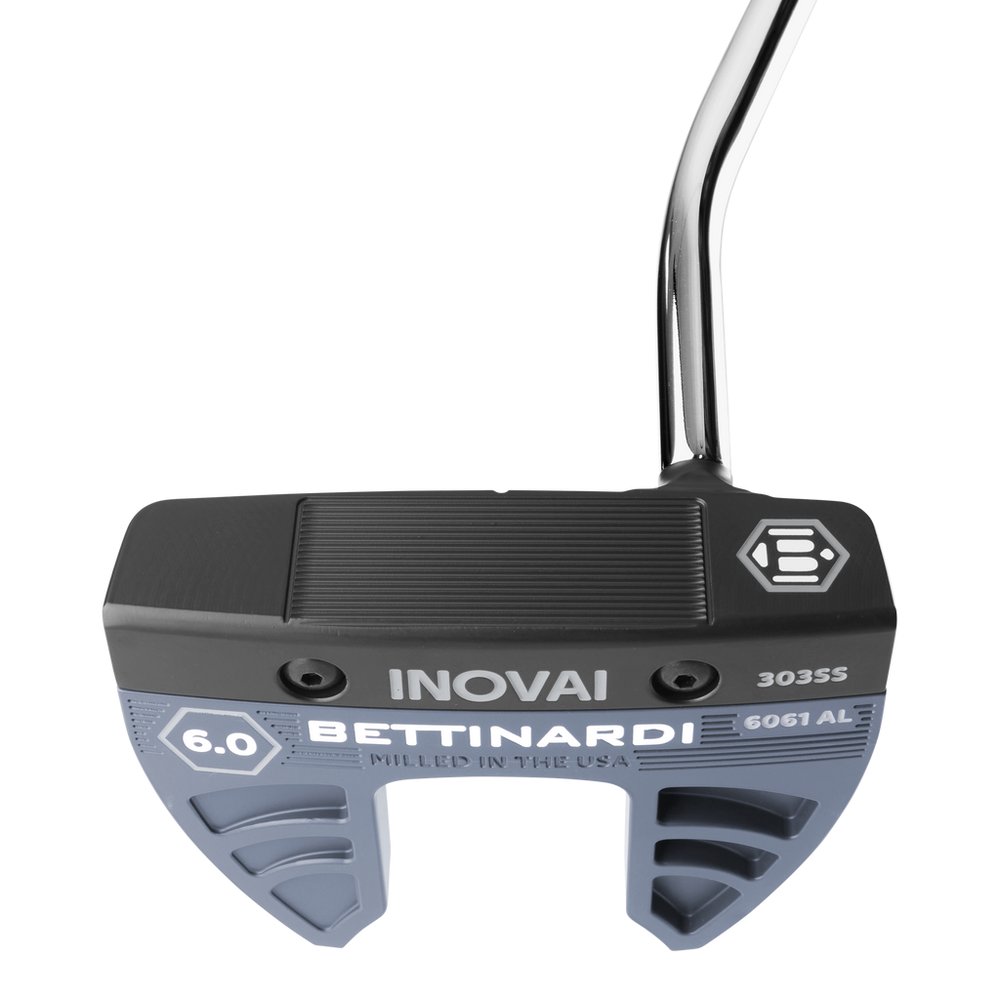
Bettinardi
Bettinardi INOVAI 6.0 Putter
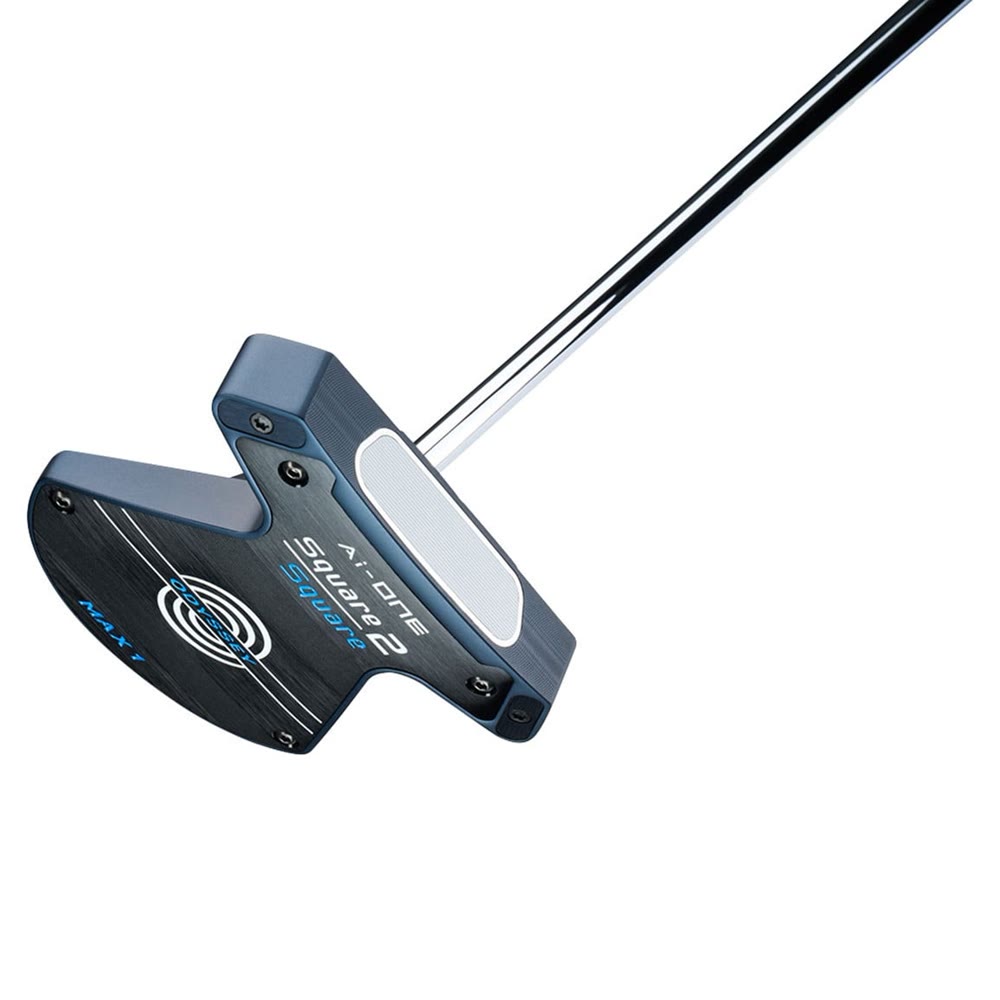
Odyssey
Odyssey Ai-ONE Square 2 Square Max Putter
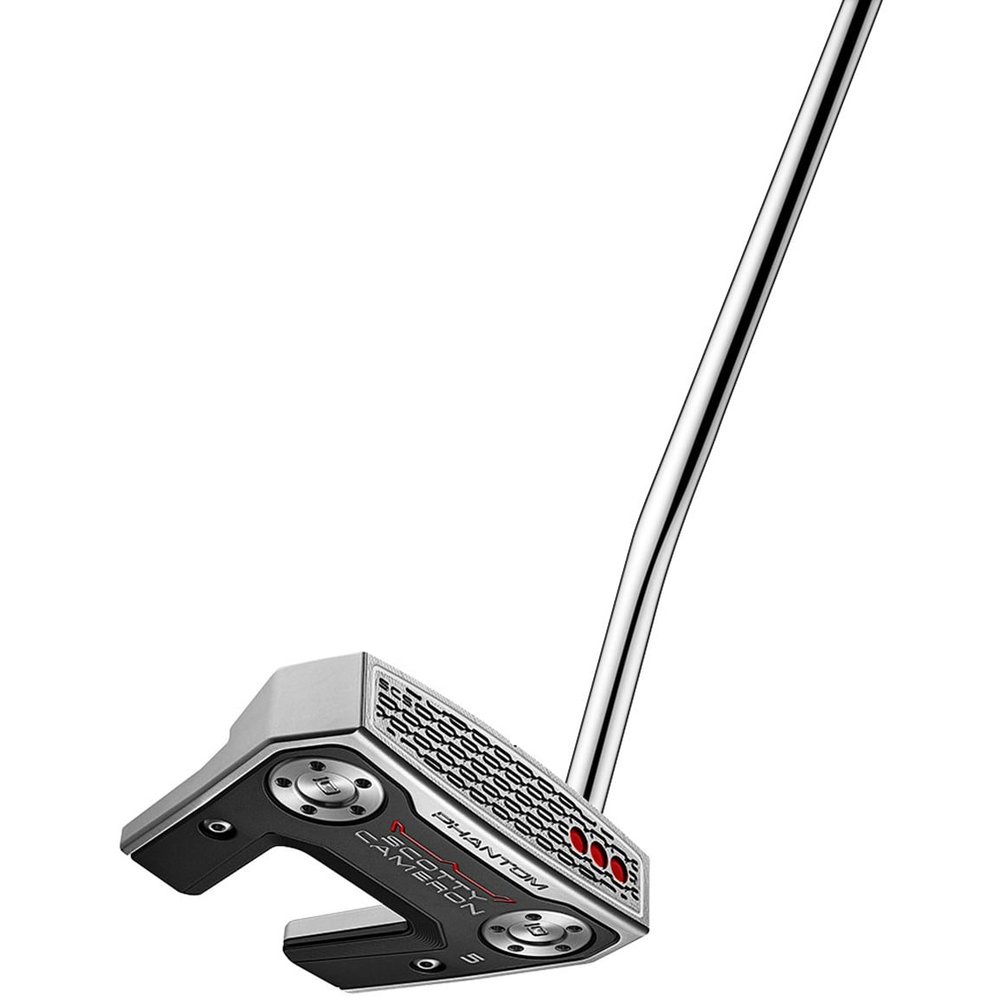
Scotty Cameron
Scotty Cameron Phantom 5 Putter (2026)
TaylorMade
TaylorMade Spider Tour Putter
Evnroll