
L.A.B. Golf · Putters Review
L.A.B. Golf DF3 Putter Review
Zero-torque Lie Angle Balance in a smaller, cleaner DF mallet.
Excellent
Tour Issue Score 8.7 · Ranked #23 of 38 in Putters
Best for: Golfers who fight face rotation and push or pull short and mid-range putts, and who are willing to let a zero-torque design keep the face square for them.
The Bottom Line
Zero-torque Lie Angle Balance in a smaller, cleaner DF mallet.. The L.A.B. Golf DF3 Putter scores 8.7 out of 10 in our research-based review, a excellent mark that puts it at #23 of 38 Putters in our rankings. Its strongest fit: Golfers who fight face rotation and push or pull short and mid-range putts, and who are willing to let a zero-torque design keep the face square for them..
Full Review
The Short Version
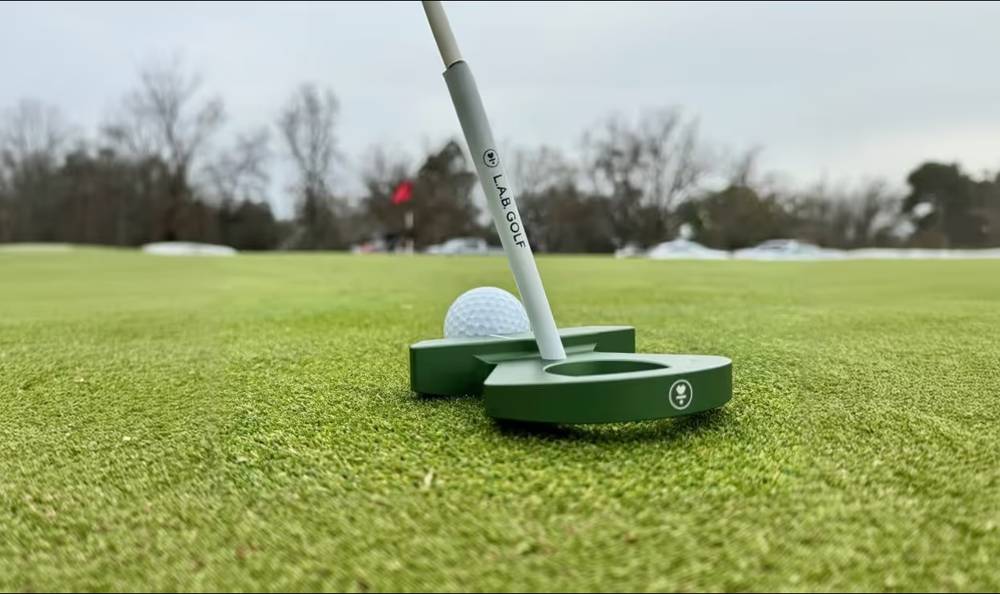
The L.A.B. Golf DF3 is the putter that made zero torque easier to look at. It carries the company's Lie Angle Balance technology, a weighting system designed so the head does not twist open or closed during the stroke, in a mallet that is significantly smaller and more refined than the oversized DF 2.1 it succeeds. The head is CNC milled from 6061 aluminum, hand-balanced in Oregon, and offered in stock and fully custom builds. Published reviews from GOLF.com, MyGolfSpy and other outlets consistently describe the same core experience: the face stays square almost on its own, mishits roll out straighter than expected, and the only real barriers are the unconventional look, the adjustment period and a premium price.
Performance
Performance starts with Lie Angle Balance. In a conventional putter, mass distribution creates torque: hold the putter at its playing lie angle and the toe wants to drop, which means your hands spend the stroke managing rotation. L.A.B. positions weights in the sole, steel and tungsten screws in different densities on the DF3, so that, at the intended lie angle, the face has no preference to rotate. Reviewers describe the result as the putter tracking back and through on rails, staying square to the stroke path without manipulation. That does not fix a bad read or poor pace, and no published test claims it does, but it does remove one variable: face angle at impact becomes more repeatable, especially on the short and mid-range putts where a degree or two decides make or miss. The center-shafted design and built-in shaft lean, paired with a Press grip that presets forward press, complete a setup built around starting the ball on line.
Forgiveness
Forgiveness is where the DF lineage built its reputation, and the DF3 was engineered to keep most of it in a smaller footprint. MyGolfSpy's side-by-side work with the DF 2.1 found the DF3 delivered very similar roll and stability despite being smaller in every dimension, which matters because the original's sheer size kept some golfers away. On heel and toe strikes, the zero-torque weighting limits the twisting that normally sends mishits offline, so putts hold their line better and lose less speed than the strike quality deserves. The deep-milled sole and perimeter weighting support that stability. It is not the most forgiving shape L.A.B. has ever made, the bigger DF 2.1 still has a pure size advantage, but for most golfers the DF3's balance of forgiveness and playability is the more usable package.
Feel and Sound
Feel is the area where the DF3 most clearly improves on its predecessor. Published comparisons note the DF 2.1 could produce a distinct ringing tone at impact, while the DF3 sounds more traditional: solid, muted and lower-pitched from its all-aluminum head. Center strikes feel soft but not mushy, with enough feedback to judge strike quality, and off-center hits add a slightly higher tick without a harsh twist in the hands. Shaft choice matters more here than with most putters. The stock Matte Black Premium Steel shaft gives the standard, firmer L.A.B. feel, while upgraded graphite options such as TPT change both sound and perceived smoothness, one reason custom builds are popular despite the upcharge. Golfers coming from a milled blade should expect a quieter, more stable sensation rather than a sharp click.
Value
At $449 in its stock steel-shaft form, the DF3 sits firmly in premium territory alongside top-end milled putters from legacy brands, and well above mainstream mallets. Custom colors, alignment marks, lengths, lie angles and upgraded shafts, including TPT, can push the total considerably higher. The value case rests on the technology being genuinely distinct rather than cosmetic: no conventional putter at any price replicates Lie Angle Balance, and the build is made and hand-balanced in the USA. Against that, there is no adjustability after purchase, resale depends on your exact length and lie suiting the next buyer, and golfers who do not struggle with face rotation are paying for a solution to a problem they may not have. That mix explains a strong but not elite value assessment.
Who Should Buy It
Buy the DF3 if you miss putts because the face turns, pushes, pulls and short putts that never start on your intended line, and you are willing to spend a few rounds unlearning hand manipulation and simply letting the putter stay square. It also suits golfers who liked the DF 2.1 concept but could not accept its size. Traditionalists who love toe hang, rotate the face through impact by feel, or want a classic look at address should look elsewhere in L.A.B.'s lineup or beyond it. Getting the length and lie right matters more than usual, so use L.A.B.'s fitting guidance before ordering.
Verdict
The DF3 is the most accessible expression yet of L.A.B. Golf's zero-torque idea: the self-squaring, twist-resistant performance of the Directed Force family in a smaller 6061 aluminum mallet with better sound, extensive alignment and build options, and tour-validated technology behind it. The price and the learning curve are real, but for golfers whose misses come from face rotation, few putters address the cause this directly. This is a research-based review synthesized from published reviews, independent test data, and manufacturer specifications; no personal testing was conducted.
What We Like
- Lie Angle Balance zero-torque design keeps the face square to the arc with no twisting on off-center hits
- Noticeably smaller and cleaner than the DF 2.1 it succeeds, while retaining most of that model's stability
- CNC-milled 6061 aluminum head with sole weighting precisely tuned for swing weight and balance
- Multiple alignment options, head colors, lengths and lie angles in stock and custom builds
- Softer, more solid impact sound than the ringing DF 2.1, per published comparison testing
- Stock build includes Matte Black Premium Steel shaft and Press Pistol grip with built-in forward press
What to Consider
- Premium $449 starting price is well above conventional mallets, and custom shafts push it much higher
- Unconventional center-shafted mallet shape and forward-press grip take an adjustment period for traditionalists
- Lie Angle Balance is built in per build, lie angle cannot be meaningfully adjusted after purchase like a conventional putter
- Zero-torque feel is polarizing: golfers who like to release and rotate the face may never gel with it
- Stock steel build is the value route; TPT and other upgraded shafts add significant cost
Specifications
| Alignment | Multiple alignment markings and head-color options across stock and custom builds; center-shafted mallet with deep-milled sole |
|---|---|
| Head Material | CNC-milled 6061 aluminum, hand-balanced in Creswell, Oregon, USA |
| Shaft Options | Matte Black Premium Steel (stock); upgraded graphite options including TPT, plus other premium shafts on custom builds |
| Stock Length / Lie | 33, 34 and 35 in stock lengths; 69-degree stock lie angle, with custom lengths and lie angles available |
| Technology | Lie Angle Balance (zero torque), sole weighting tuned so the face stays square to the stroke arc with no twisting |
Score Breakdown
Scores are research-based, drawn from manufacturer specs, tour adoption, and published independent test data. How we score
More Putters Reviews
All Putters →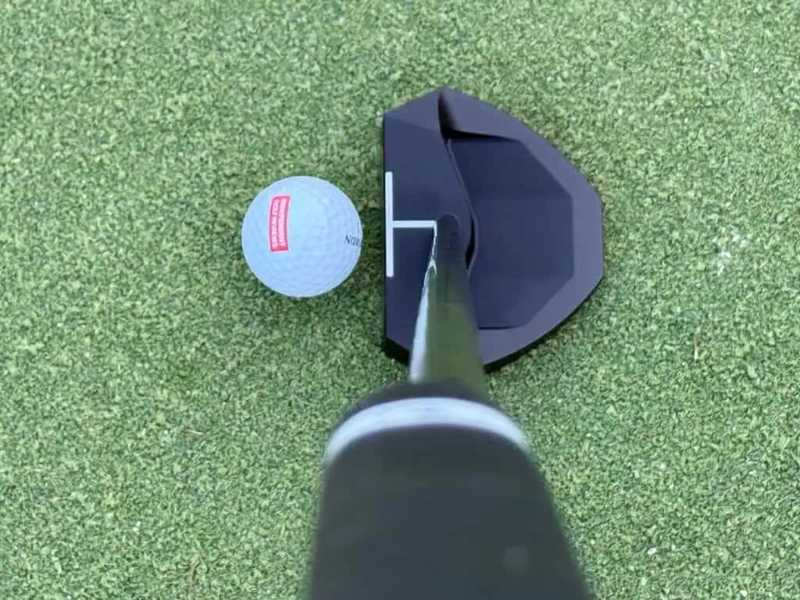
L.A.B. Golf
L.A.B. Golf OZ.1i Putter
TaylorMade
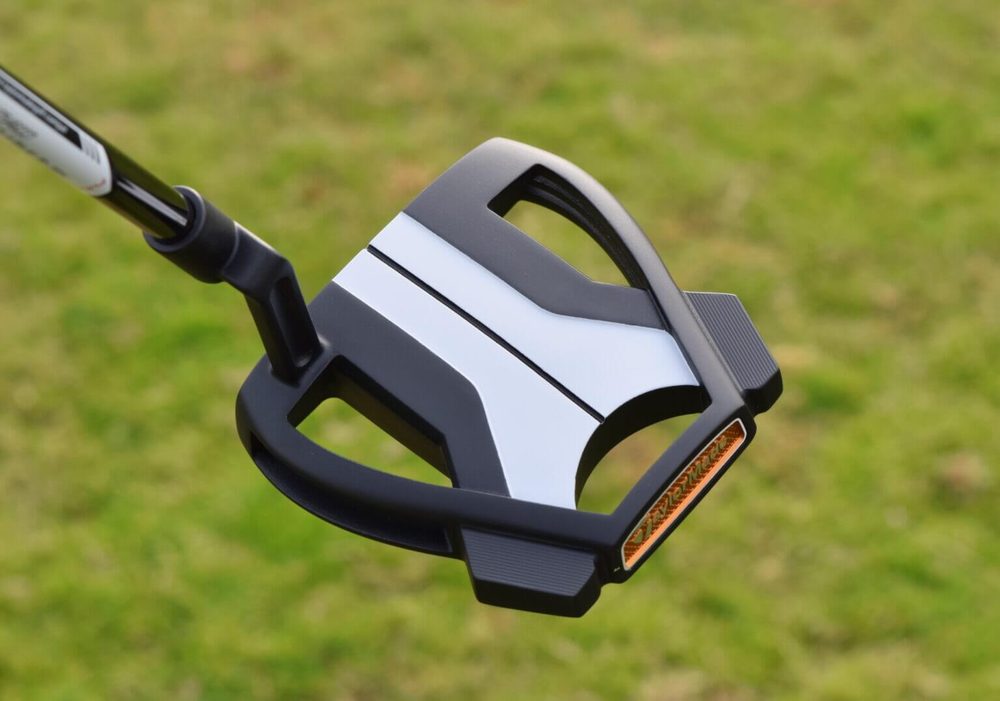
TaylorMade Spider Tour X Putter
L.A.B. Golf
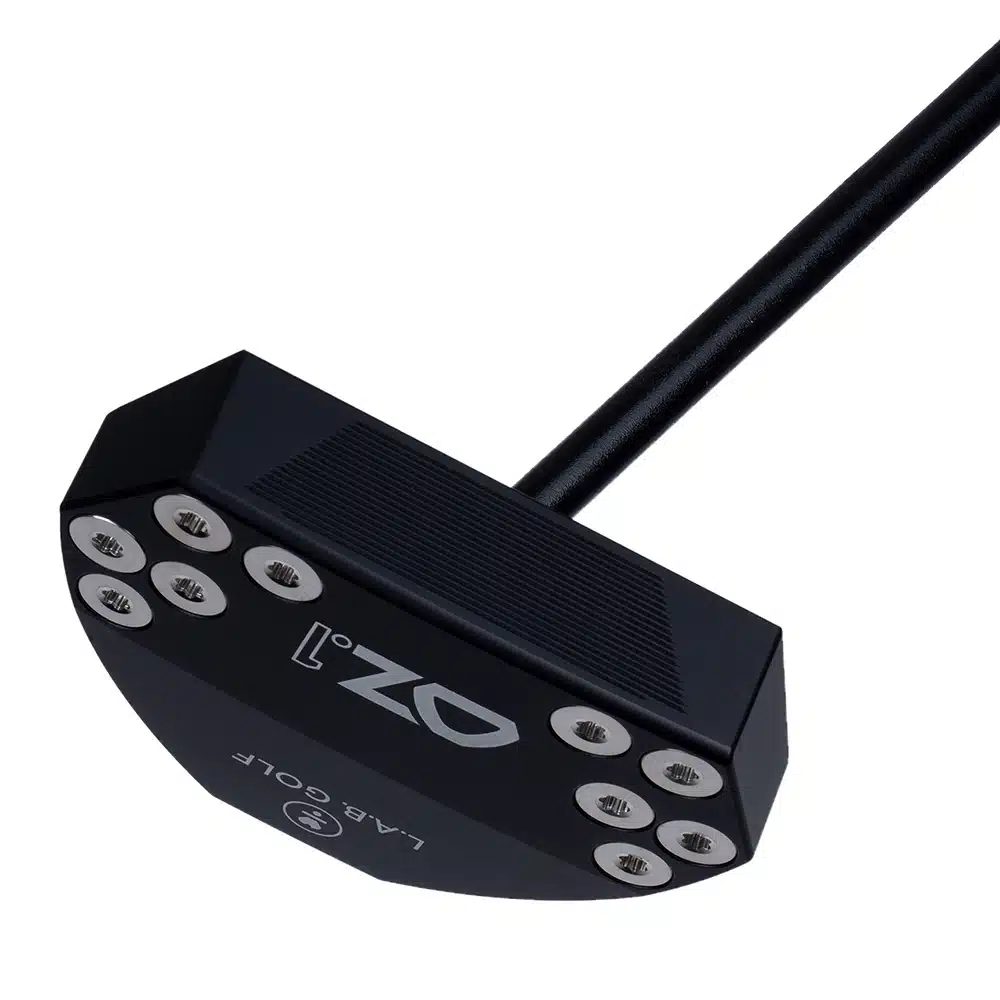
L.A.B. Golf OZ.1 Putter
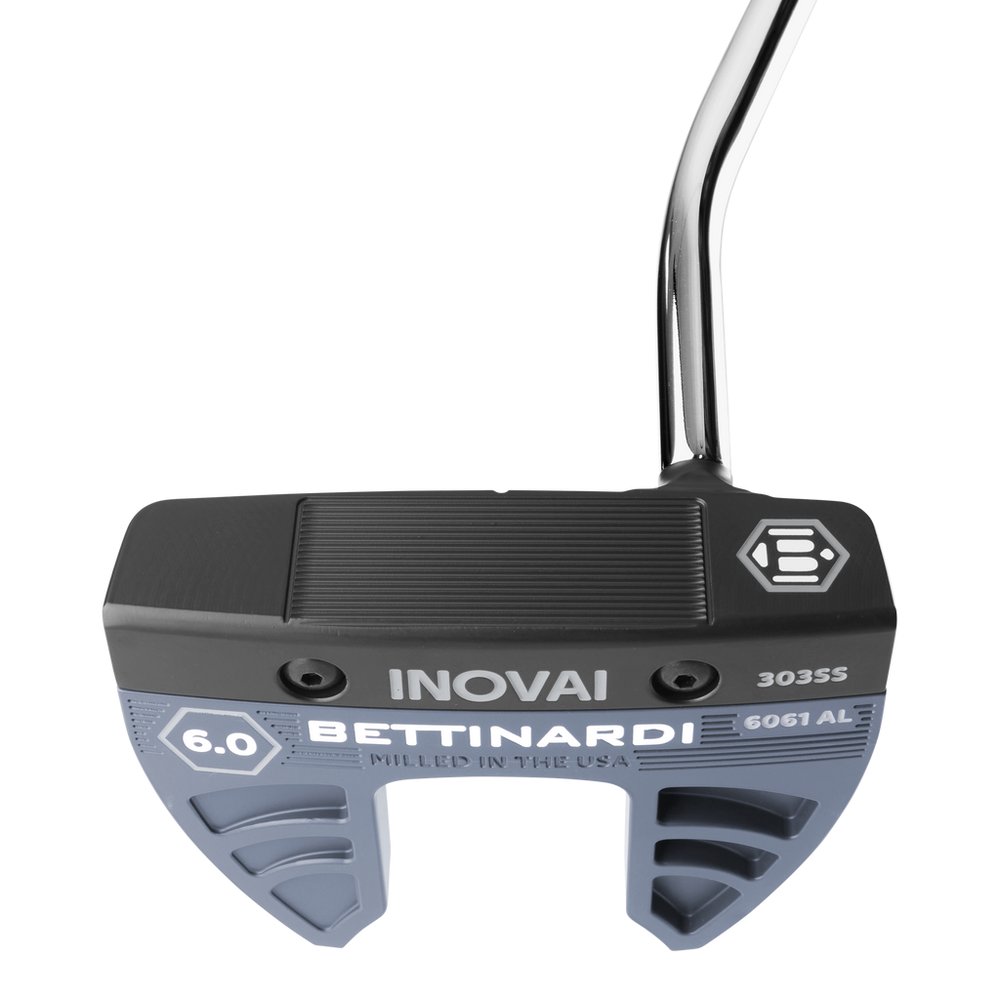
Bettinardi
Bettinardi INOVAI 6.0 Putter
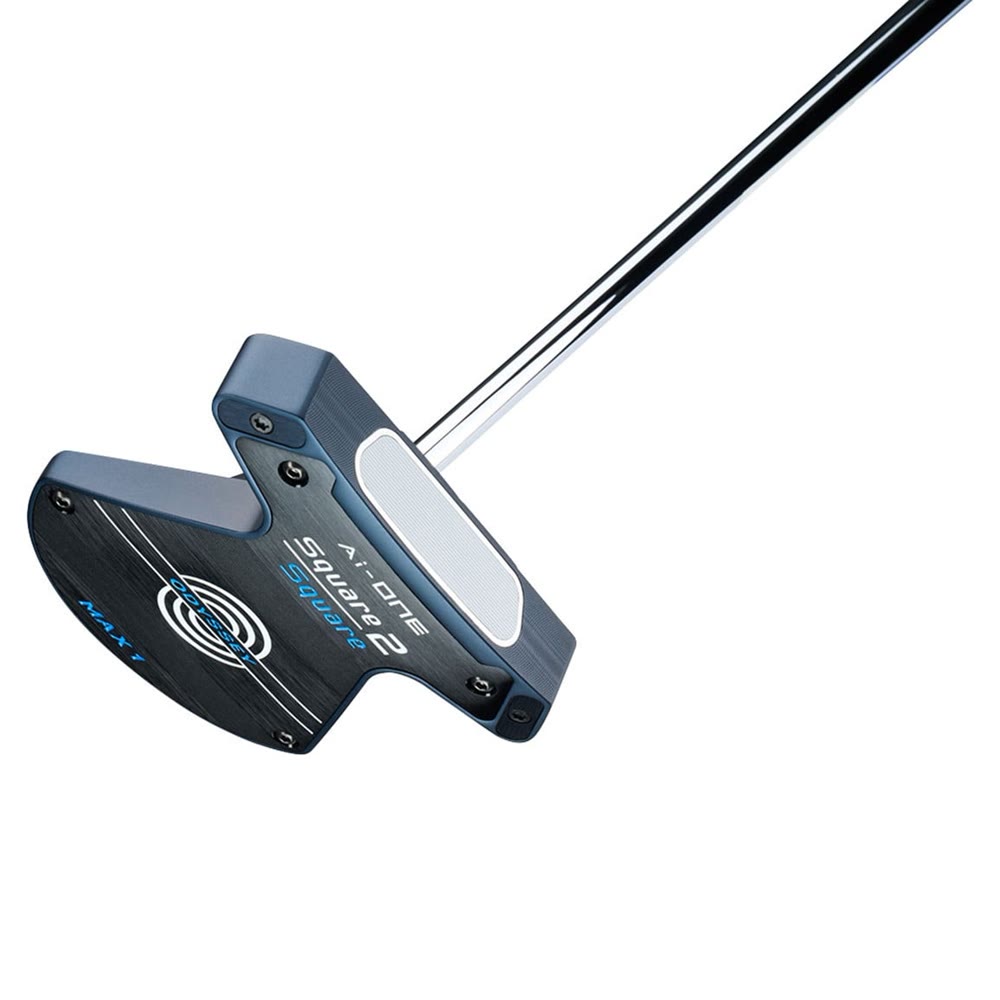
Odyssey
Odyssey Ai-ONE Square 2 Square Max Putter
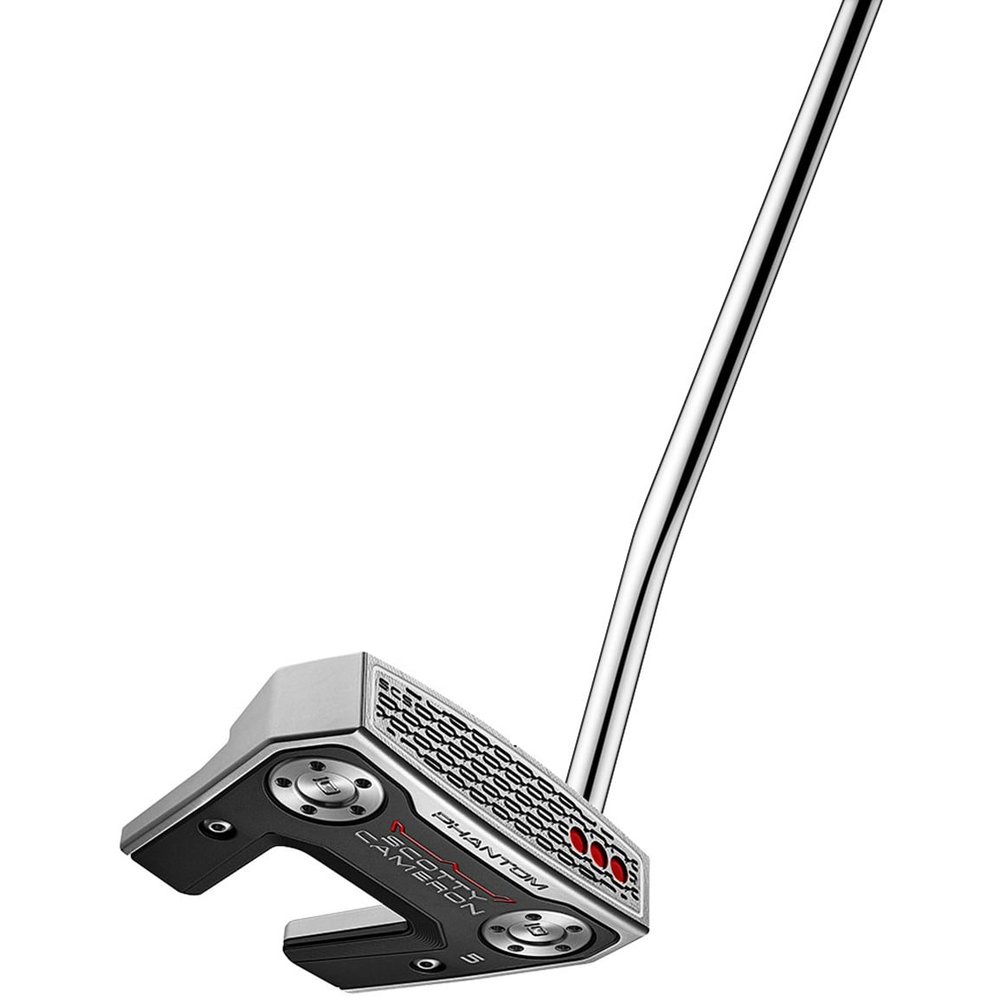
Scotty Cameron
Scotty Cameron Phantom 5 Putter (2026)
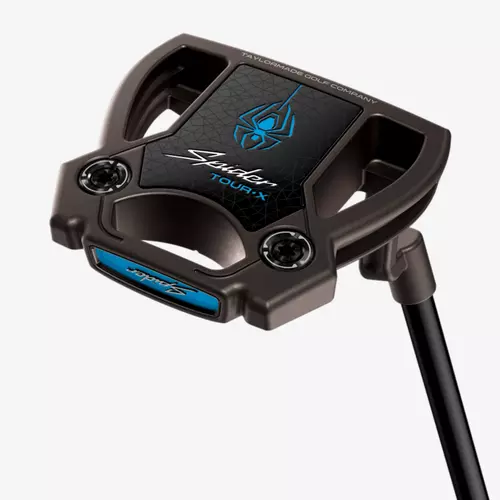
TaylorMade
TaylorMade Spider Tour Putter
Evnroll