
Cut Golf · Golf Balls Review
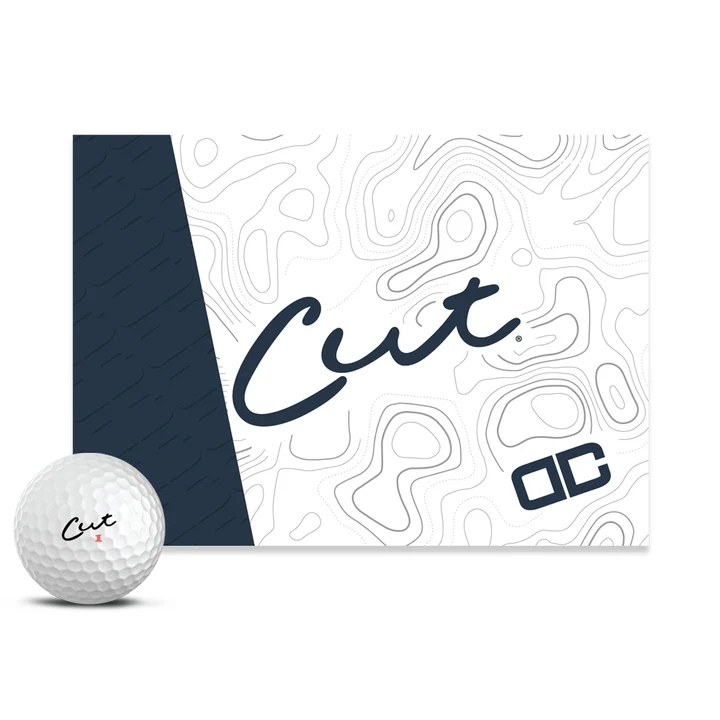
Cut DC Golf Balls Review
A real urethane tour recipe at $29.95, with a durability asterisk
Solid
Tour Issue Score 7.2 · Ranked #52 of 76 in Golf Balls
Best for: Faster swingers (105 mph and up per Cut) who want a firm four-piece urethane ball at a direct-to-consumer price and replace balls frequently
The Bottom Line
A real urethane tour recipe at $29.95, with a durability asterisk. The Cut DC Golf Balls scores 7.2 out of 10 in our research-based review, a solid mark that puts it at #52 of 76 Golf Balls in our rankings. Its strongest fit: Faster swingers (105 mph and up per Cut) who want a firm four-piece urethane ball at a direct-to-consumer price and replace balls frequently.
Full Review
The Short Version
The Cut DC is the flagship of direct-to-consumer brand Cut Golf: a four-piece, urethane-cover ball with a dual core, soft inside and firm outside, sold online for $29.95 a dozen when most urethane tour balls cost far more. The honest summary is more complicated than either the marketing or the skeptics suggest. MyGolfSpy's Ball Lab, the most rigorous quality audit in golf, graded the DC an 84, found above-average consistency, and named it the best ball in the $20 to $30 bracket in its Ball Lab Quality Awards, twice. Golf Monthly's on-course test found outstanding performance, including greenside spin that beat a Maxfli Tour X. Set against that are two documented problems that keep this ball out of our recommended tier: Ball Lab flagged roughly one ball in nine as bad, and Golf Monthly documented cover scuffing and fraying severe enough to matter within a single round. It is a good ball with a durability problem, sold at a price that almost excuses it.
Performance
On performance data, the DC earns respect. Ball Lab measured compression at 99, firm and in Pro V1x territory, and found compression and weight consistency in its Good range with minimal inconsistency across the sample. Golf Monthly's tester, comparing the DC directly with the Maxfli Tour X at Atlanta National, found it kept up off the tee with a higher trajectory, held its line in the wind, was workable with irons in both shape and trajectory, and showed impressive stopping power on approaches, even from rough. Independent Golf Reviews' launch monitor comparison of the Cut line against the Pro V1 likewise found the Cut balls competitive. What the DC does not have is a place in the recent large-scale robot performance tests: it is absent from MyGolfSpy's 2025 and 2026 robot-tested fields, so claims of tour-level distance rest on older and smaller tests rather than the current benchmark data its rivals are judged by.
Forgiveness
A golf ball's forgiveness is mostly spin behavior, and the DC cuts both ways. Its firm, high-compression design and stable flight suit faster swings, and Golf Monthly found the flight stable in wind, which helps keep tee shots on line. But Cut itself positions the DC for swing speeds over 105 mph and low handicaps, and a 99-compression four-piece ball gives slower swingers little help: it will feel firm, launch unforgivingly for players who cannot compress it, and its workable spin profile will curve more for a player fighting a slice than a low-spin value ball would. Golfers below that speed threshold are better served by Cut's softer models or by low-compression balls built for their speed.
Feel and Sound
Feel is a documented weak point relative to the spec sheet. Ball Lab noted the DC feels firmer than its measured compression already suggests, and flagged that its urethane cover is exceedingly thick for a premium ball, a trait Ball Lab links to reduced durability and greenside spin potential. Golf Monthly's tester liked the soft feel on chips, pitches, and putts, which shows the dual core doing its short-game job, but full swings deliver a firm, clicky tour-X character rather than a soft one. Golfers expecting a plush $30 ball will be surprised; golfers who like a firm X-type ball will feel at home.
Value
The sticker math is excellent and the quality math is less so. At $29.95 a dozen, with bulk pricing dropping toward $26 a dozen, the DC undercuts name-brand urethane balls by $20 or more. But Ball Lab's True Price metric, which prices what you must spend to be sure of 12 good balls, puts the DC at $33.69, a 13 percent premium over retail, because four of the 36 balls in its sample were flagged bad for significant cover or mantle thickness variation, and one failed its roundness standard. Add Golf Monthly's durability findings, significant scuffing and small frays in the urethane cover after full wedge shots and an 18-hole round, and the effective cost per playable round climbs further: a ball you retire early is not cheap at any sticker price. It remains good value; it is not the slam-dunk value the price tag advertises.
Who Should Buy It
Buy the DC if you swing over 105 mph, want a firm four-piece urethane ball, buy in bulk to push the price down, and treat balls as consumables you replace every round or two anyway. Avoid it if durability matters to you, if you play one ball for multiple rounds, if your swing speed is moderate, or if you want the consistency assurance of a ball validated in current robot testing. In this catalog, golfers who want a softer, cheaper, easier-launching dozen should look at the Srixon Soft Feel or the TaylorMade SpeedSoft, and urethane shoppers who want current test pedigrees should look at the Srixon Q-Star Tour.
Verdict
The Cut DC is neither the tour-ball killer of its marketing nor a bad ball: Ball Lab's 84 grade and quality awards are real, and so are the 11 percent bad-ball rate and the cover durability documented by Golf Monthly. Scored on the full record, it lands as an above-average performer undermined by the two things value buyers care about most, consistency assurance and longevity. Buy it knowingly and on price, not as a default recommendation. This is a research-based review synthesized from published reviews, independent test data, and manufacturer specifications; no personal testing was conducted.
What We Like
- Genuine four-piece urethane construction for $29.95 a dozen, with bulk pricing lower
- MyGolfSpy Ball Lab grade of 84 with above-average consistency, and Best Ball in the $20 to $30 bracket in the Ball Lab Quality Awards
- Golf Monthly testing found strong driver performance and greenside spin that outperformed a Maxfli Tour X in short-game testing
- Dual core design pairs a softer inner core with a firmer outer core for long-game speed and short-game control
What to Consider
- MyGolfSpy Ball Lab flagged 4 of 36 balls (about 11 percent) as bad for cover or mantle thickness variation, pushing its True Price to $33.69 against a $29.95 retail price
- Golf Monthly documented significant cover scuffing and fraying after full wedge shots and one 18-hole round
- Ball Lab found the urethane cover exceedingly thick for a premium ball and the feel firmer than its 99 measured compression suggests
- Absent from MyGolfSpy's 2025 and 2026 robot performance test fields, and its 99 compression is a poor fit for moderate swing speeds
Specifications
| Construction | 4-piece, dual core (soft inner core, firmer outer core) |
|---|---|
| Cover | Urethane |
| Dimples | 360 |
| Compression | 99 measured by MyGolfSpy Ball Lab |
| Pack Size | 12 balls (1 dozen) |
| Colors | White and Atomic Yellow |
Score Breakdown
Scores are research-based, drawn from manufacturer specs, tour adoption, and published independent test data. How we score
More Balls Reviews
All Balls →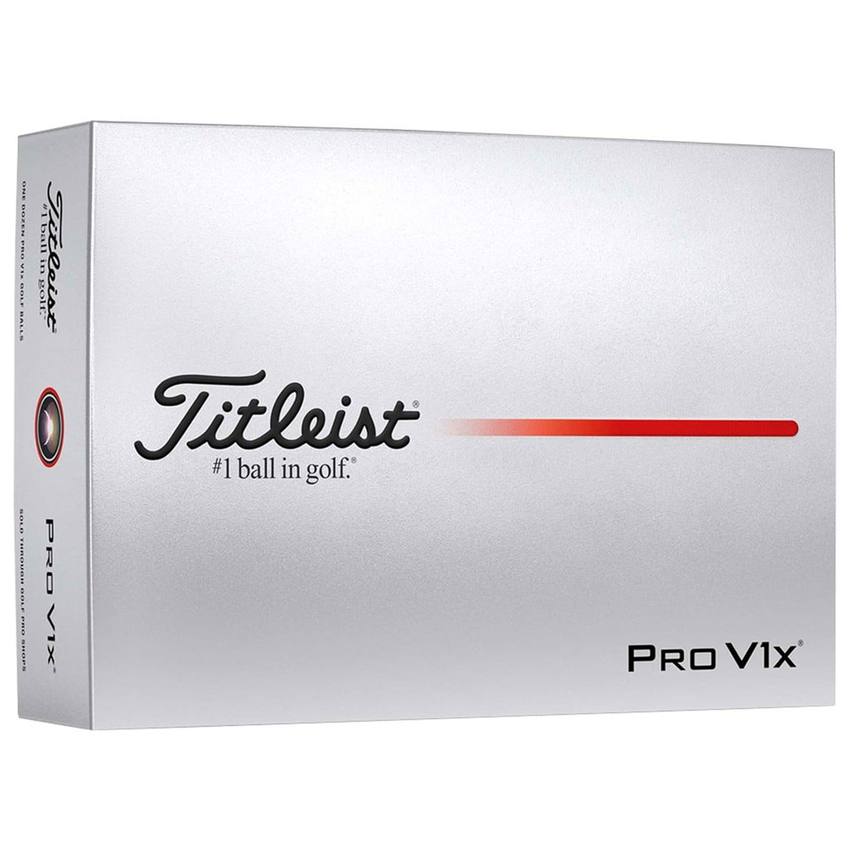
Titleist
Titleist Pro V1x Golf Balls (2025)
Callaway
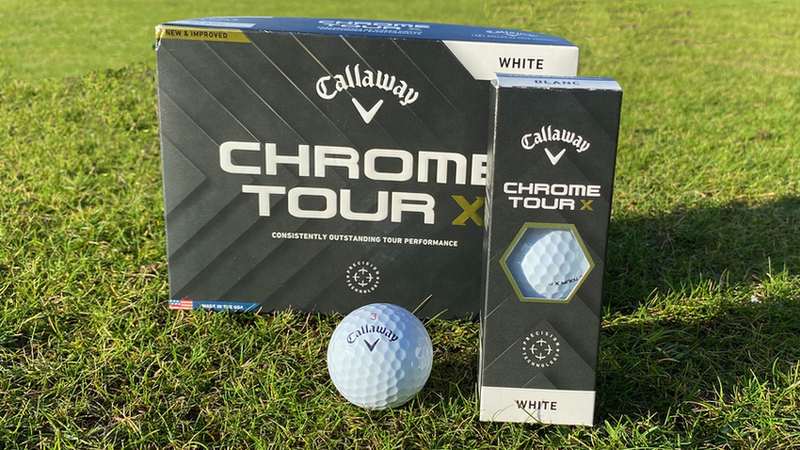
Callaway Chrome Tour X Golf Balls
Titleist
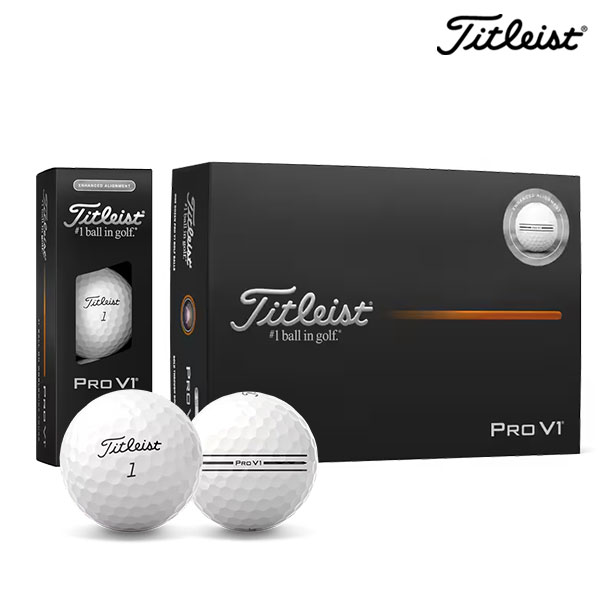
Titleist Pro V1 Golf Balls (2025)
Callaway
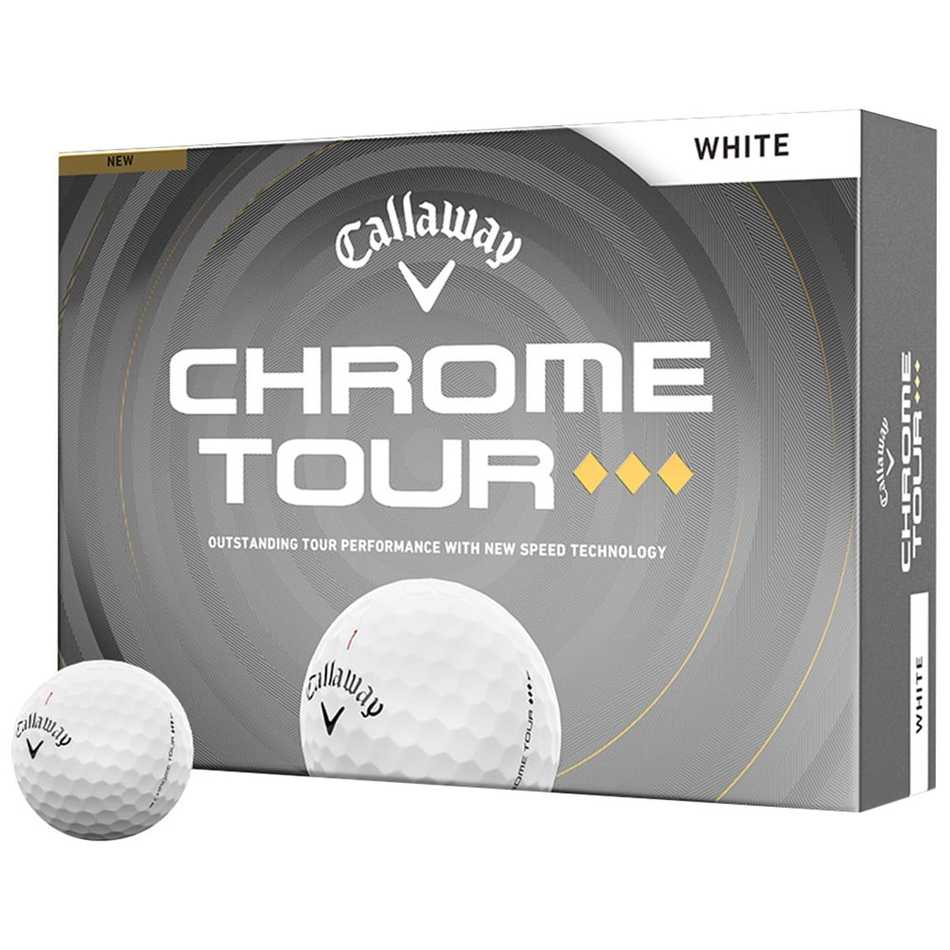
Callaway Chrome Tour Triple Diamond Golf Balls
Srixon
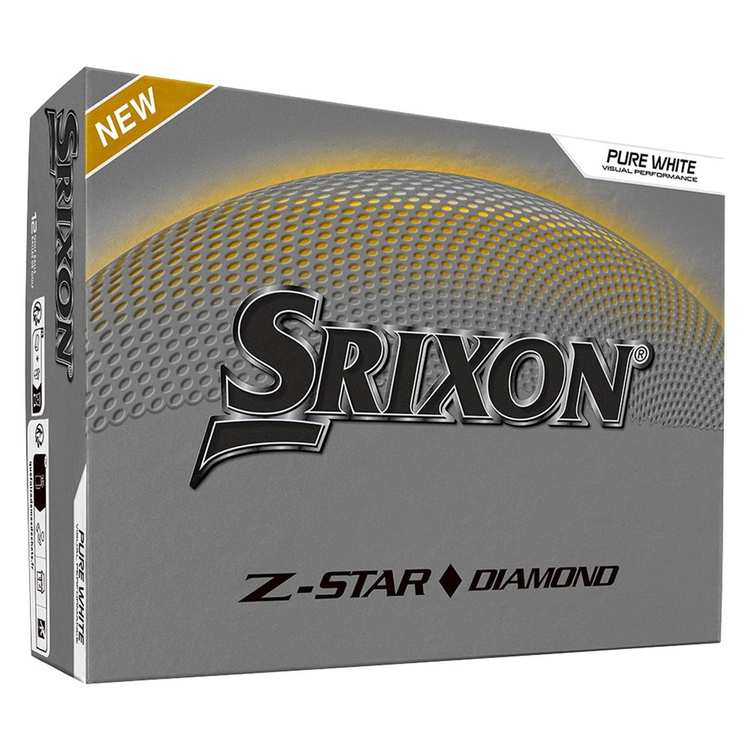
Srixon Z-Star Diamond Golf Balls
Maxfli
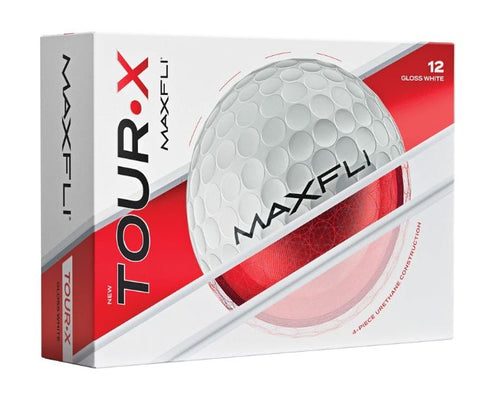
Maxfli Tour X Golf Balls
Srixon
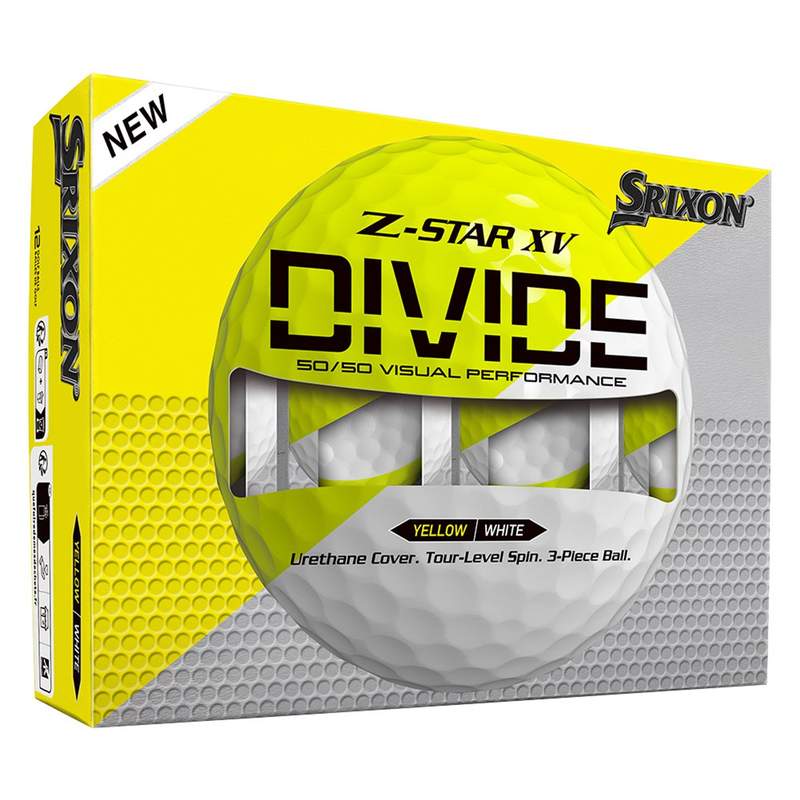
Srixon Z-STAR XV DIVIDE Golf Balls
TaylorMade