
Callaway · Golf Balls Review
Callaway ERC Soft Golf Balls Review
Maximum soft feel with straighter, longer flight
Very Good
Tour Issue Score 8.3 · Ranked #43 of 76 in Golf Balls
Best for: Mid- to high-handicappers and moderate swingers who want maximum soft feel and straighter distance
The Bottom Line
Maximum soft feel with straighter, longer flight. The Callaway ERC Soft Golf Balls scores 8.3 out of 10 in our research-based review, a very good mark that puts it at #43 of 76 Golf Balls in our rankings. Its strongest fit: Mid- to high-handicappers and moderate swingers who want maximum soft feel and straighter distance.
Full Review
The Short Version
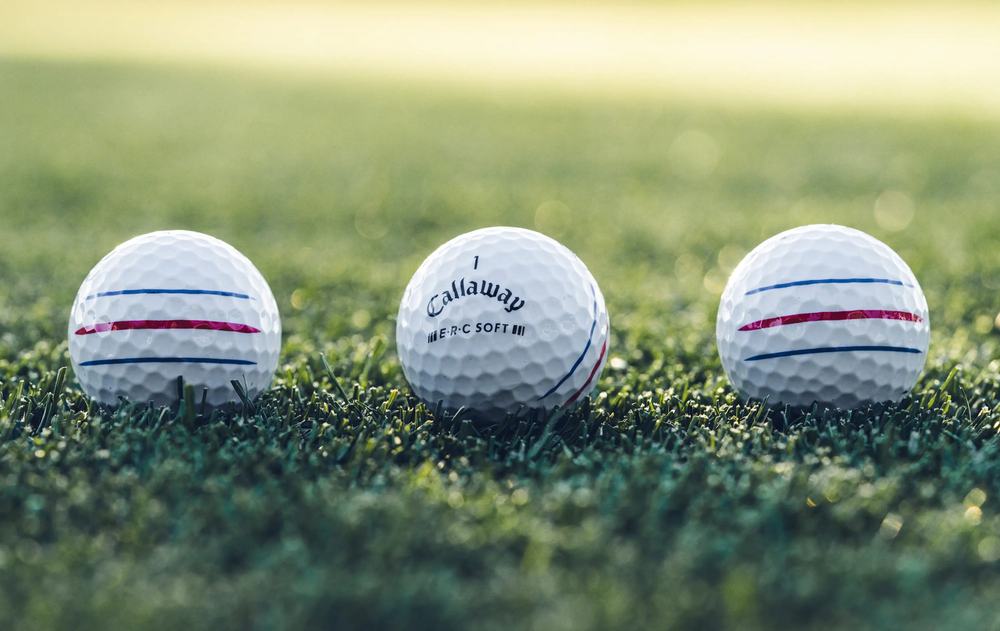
The Callaway ERC Soft, named for company founder Ely Reeves Callaway, occupies the space between a pure distance ball and a tour ball: a three-piece design with a large Hyper Elastic SoftFast Core and a multi-material Hybrid Cover, sold at a mid-tier price. It is engineered for golfers who want their ball to feel genuinely soft at every speed while still flying long and straight, and it adds Callaway's Triple Track alignment system for the greens. Published reviews consistently praise its tee-to-green softness and straight flight, while noting that its hybrid cover cannot replicate the checking spin of a true urethane cover.
Performance
The ERC Soft's performance identity is distance through low spin and efficient aerodynamics. The high-energy core is designed to increase ball speed while keeping driver spin down, and Callaway's HEX Aerodynamics dimple geometry reduces drag for a penetrating flight that holds up in wind. For moderate swing speeds, that combination translates to competitive carry with a noticeably straighter dispersion pattern than higher-spinning balls, since less backspin also means less sidespin magnification. With irons, flight is mid-high and stable. Around the greens the Hybrid Cover, which uses a PARALOID-style impact modifier approach to blend softness with resilience, generates more grip and control than the ionomer cover of the Supersoft, though independent comparisons place its wedge spin clearly below urethane models like the Chrome Soft and Chrome Tour.
Forgiveness
Forgiveness is a genuine strength. The low-spin long-game profile is the most effective ball-based slice reduction a manufacturer can offer, and the soft core compresses fully at moderate speeds so slower swingers still extract efficient ball speed rather than leaving performance on the table. The ball flies on a consistent window shot after shot, which helps golfers commit to a single stock shot instead of steering the ball. Triple Track contributes its own form of forgiveness on the greens, where better start-line alignment is one of the fastest ways for amateurs to hole more mid-range putts.
Feel and Sound
Feel is the reason most golfers buy the ERC Soft. Impact is soft and quiet throughout the bag, from a muted thud off the driver to a plush, low-volume response off the putter that many reviewers rank among the softest in the category. That softness inspires confidence on touch shots and delicate chips, where a harsh ball can make golfers decelerate. The trade-off is feedback: faster swingers and low handicappers sometimes describe the sensation as vague on full wedges, with less of the crisp strike information a firmer tour ball provides.
Value
At $39.99 per dozen, the ERC Soft is priced against urethane rivals like the TaylorMade Tour Response and Srixon Q-Star Tour. Its value case is different rather than strictly better: golfers who prioritize soft feel, straight flight, and alignment help over maximum greenside spin get a lot of technology for the money, and the durable hybrid cover tends to survive cart paths and tree strikes better than soft urethane. Golfers whose scoring depends on checking wedge shots should spend the same money on a cast urethane option instead.
Who Should Buy It
The ERC Soft fits mid- to high-handicappers, seniors, and moderate swing-speed players who want a soft-feeling ball that flies straight, launches easily, and helps on the greens with alignment. It is also a sensible winter ball, since soft compression performs well in cold conditions. Better players who need to work the ball and stop partial wedges on a dime should look at Callaway's Chrome Tour line.
Verdict
The ERC Soft knows its golfer and serves them well: maximum softness, straight and efficient long-game flight, and putting help, at a fair mid-tier price. Its greenside ceiling is set by its hybrid cover, and Callaway is transparent about that positioning. Judged on what it promises rather than what tour balls promise, it is one of the most satisfying soft balls in the game. This is a research-based review synthesized from published reviews, independent test data, and manufacturer specifications; no personal testing was conducted.
What We Like
- Hyper Elastic SoftFast Core produces fast ball speed with a distinctly soft feel
- Hybrid Cover blends ionomer durability with improved greenside grip versus pure distance balls
- Low driver spin and HEX Aerodynamics promote a straighter, more penetrating flight
- Triple Track alignment lines make lining up putts noticeably easier
- Soft, quiet feel off the putter suits golfers who dislike firm, clicky balls
What to Consider
- Hybrid cover cannot match true urethane balls for wedge check and greenside spin
- Soft compression can feel vague for fast swingers who want firm feedback
- Triple Track graphics divide opinion and add visual clutter for some putters
- Less workable for better players who flight and shape approach shots
Specifications
| Construction | 3-piece with Hyper Elastic SoftFast Core and multi-material Hybrid Cover |
|---|---|
| Compression | Low compression, approximately 60 class for soft feel at moderate speeds |
| Cover | Hybrid Cover blending ionomer durability with enhanced greenside grip; HEX Aerodynamics |
| Alignment | Triple Track lines (blue and red) for putter alignment |
| Options | White and Yellow, with and without Triple Track depending on model year |
Score Breakdown
Scores are research-based, drawn from manufacturer specs, tour adoption, and published independent test data. How we score
More Balls Reviews
All Balls →
Titleist
Titleist Pro V1x Golf Balls (2025)
Callaway
Callaway Chrome Tour X Golf Balls
Titleist
Titleist Pro V1 Golf Balls (2025)
Callaway
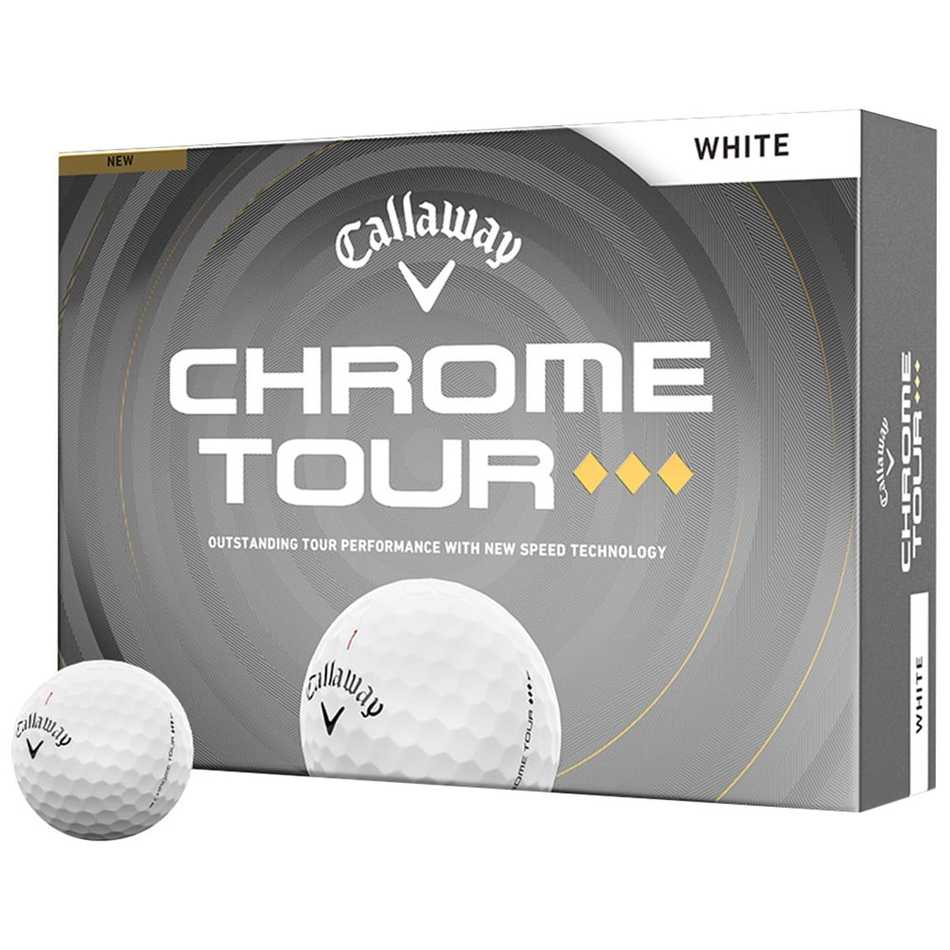
Callaway Chrome Tour Triple Diamond Golf Balls
Srixon
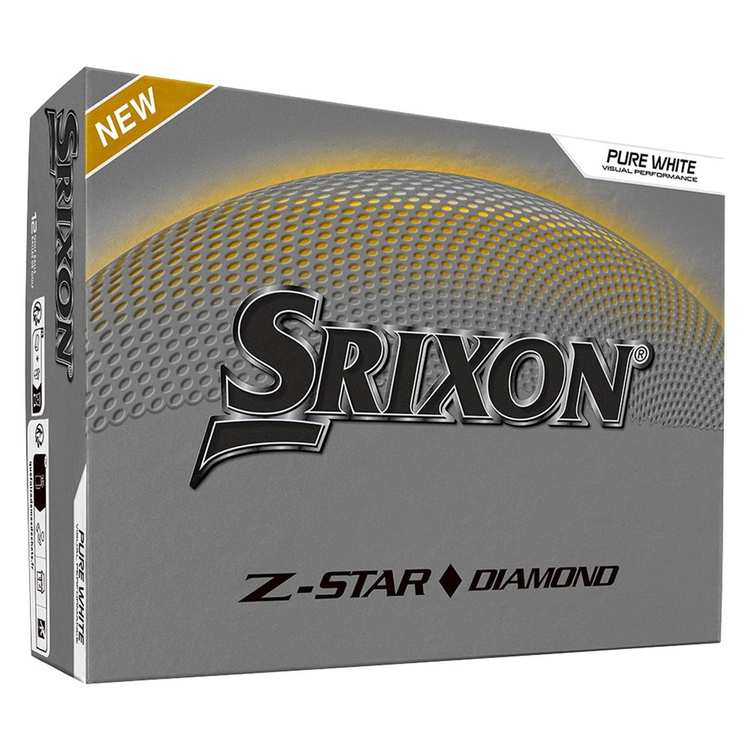
Srixon Z-Star Diamond Golf Balls
Maxfli
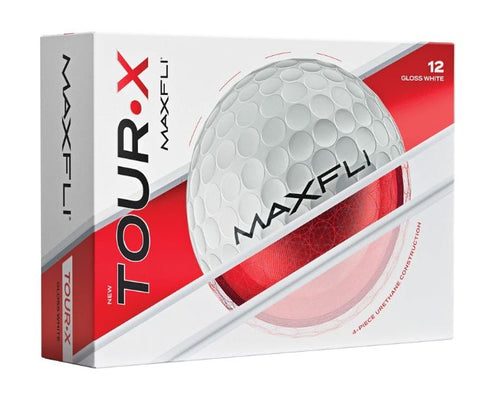
Maxfli Tour X Golf Balls
Srixon
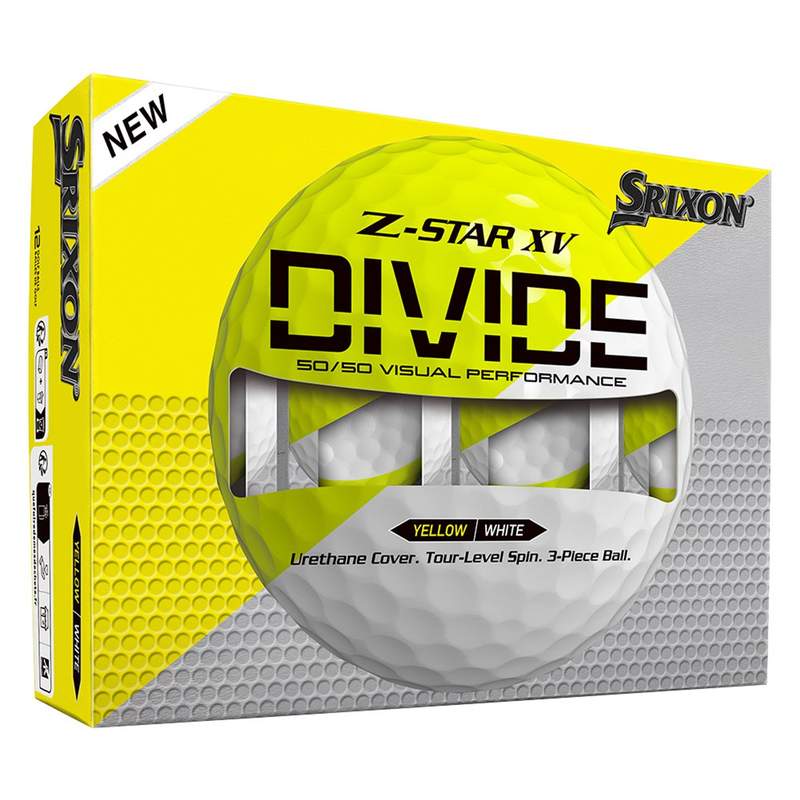
Srixon Z-STAR XV DIVIDE Golf Balls
TaylorMade