
Bridgestone · Golf Balls Review
Bridgestone e6 Golf Balls Review
The straightest value ball Bridgestone makes, soft, high, and hard to curve
Very Good
Tour Issue Score 8.3 · Ranked #42 of 76 in Golf Balls
Best for: Recreational and moderate-speed golfers, roughly 70-90 mph with the driver, who want straighter flight, easy launch, and a very soft feel at a value price
The Bottom Line
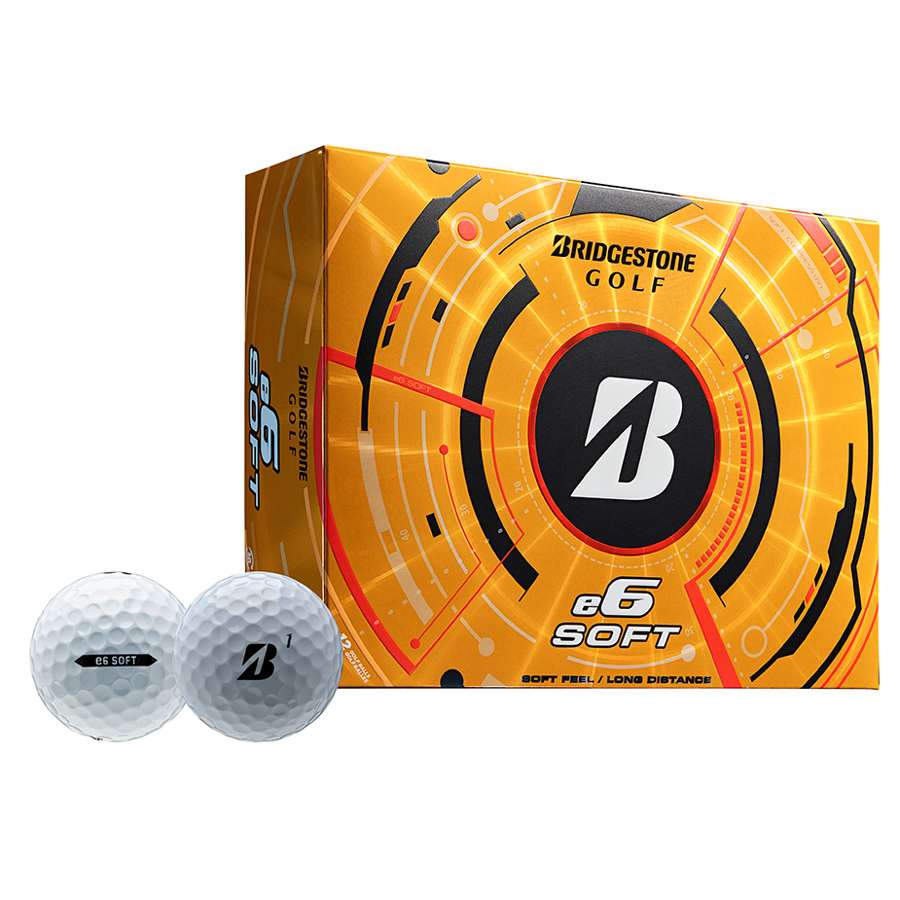
The straightest value ball Bridgestone makes, soft, high, and hard to curve. The Bridgestone e6 Golf Balls scores 8.3 out of 10 in our research-based review, a very good mark that puts it at #42 of 76 Golf Balls in our rankings. Its strongest fit: Recreational and moderate-speed golfers, roughly 70-90 mph with the driver, who want straighter flight, easy launch, and a very soft feel at a value price.
Full Review
The Short Version
The e6 is the longest-running and, by Bridgestone's own account, the best-selling ball in company history, and the current generation, sold as the e6 Soft, stays true to the formula that built that record: a two-piece ball with a large, soft gradational-compression core and a seamless Surlyn cover, engineered for high launch, low spin, and a very soft feel. GOLF.com names it the best budget ball in the Bridgestone lineup, and GolfLink's 43-ball comparison test went further, ranking the e6 Soft as the single most accurate ball tested. At $23.99 a dozen, it is aimed squarely at the moderate-speed majority.
Performance
Off the tee the e6 Soft is built to fly high and spin low. In GolfLink's controlled testing it produced a 15.5-degree driver launch with just 2,290 rpm of backspin, carrying 223.3 yards for 244.3 yards total, figures published by GolfLink from its SkyTrak-based protocol. Low backspin is also low sidespin physics: with only 21 rpm of measured sidespin in that test, the ball simply bends less when the face is open or closed at impact. Bridgestone is careful, and reviewers echo, that no ball fixes a slice; the honest claim is that a destructive slice becomes a playable fade. Around the greens the soft Surlyn cover feels better than most ionomer balls, but partial wedges will not check like urethane, which is the design's accepted trade.
Forgiveness
Forgiveness is the entire point of this ball. The sub-40 compression core, softer than the Callaway Supersoft's measured 44 and firmer only than the Wilson Duo Soft among mainstream value balls, means golfers swinging 70 to 90 mph actually compress it and get the launch they are promised. The 330-dimple pattern favors a stable, repeatable trajectory over raw lift, and the low-spin profile narrows dispersion on the shots that cost recreational golfers the most strokes. Golfers above roughly 95 mph will over-compress it and should look at the firmer e12 family instead.
Feel and Sound
Feel is the second half of the e6 Soft brief: Bridgestone markets it as the softest-feeling ball in franchise history, and the gradational core, soft in the center and firmer toward the outside, delivers a cushioned strike without the dead response of older low-compression balls. Off the putter the sound is quiet and the feedback is gentle, which high-handicappers generally read as confidence rather than vagueness. Players who like a firm, clicky tour ball will find it muted, but that is not the audience.
Value
At $23.99 per dozen the e6 Soft undercuts most of its soft-ball rivals while carrying two decades of iteration and independent accuracy data behind it. The durable seamless cover survives cart paths and tree strikes better than urethane, so a dozen lasts, and the optic yellow option adds genuine visibility value. For golfers who lose a sleeve a round, the math is compelling: near-premium straightness at roughly forty percent of a tour ball's price.
Who Should Buy It
Recreational golfers, seniors, and improving players with driver speeds under about 90 mph whose misses curve and whose budget matters. Golfers who rely on wedge spin or swing beyond 95 mph will outgrow it quickly.
Verdict
The e6 endures because it solves the recreational golfer's real problem, crooked tee shots, with verifiable low-spin engineering at a fair price, and the current e6 Soft is its softest, straightest expression yet. This is a research-based review synthesized from published reviews, independent test data, and manufacturer specifications; no personal testing was conducted.
What We Like
- Lowest-spinning profile in the Bridgestone range keeps tee shots straighter: GolfLink's 43-ball test named the current e6 Soft the most accurate ball it tested, averaging just 3.8 yards offline
- Very soft gradational-compression core, measured below 40 compression, compresses easily at moderate swing speeds for high launch and useful distance
- Seamless Surlyn cover is durable and delivers a softer strike than typical two-piece distance balls
- 330-dimple pattern tuned for trajectory consistency and in-flight stability
- Longest-running, best-selling franchise in Bridgestone history, per the company, at just $23.99 per dozen
- GOLF.com lists the e6 as its best budget Bridgestone pick for slow-to-moderate swing speeds
What to Consider
- Surlyn cover cannot match urethane tour balls for greenside check and wedge spin
- Faster swingers over about 95 mph over-compress the sub-40 core and give back ball speed, per published testing
- High-launch, low-spin flight is a poor fit for golfers who work the ball intentionally
- Only two colors, white and optic yellow, versus the wider palettes of rival soft balls
Specifications
| Compression | Below 40 (independent measurement reported by MyGolfSpy and reviewers) |
|---|---|
| Construction | 2-piece with large soft gradational-compression core and seamless Surlyn cover |
| Dimples | 330-dimple pattern tuned for trajectory consistency |
| Flight | High launch, low driver spin; straight-flight design |
| Options | White and Optic Yellow; USGA/R&A conforming |
Score Breakdown
Scores are research-based, drawn from manufacturer specs, tour adoption, and published independent test data. How we score
More Balls Reviews
All Balls →
Titleist
Titleist Pro V1x Golf Balls (2025)
Callaway
Callaway Chrome Tour X Golf Balls
Titleist
Titleist Pro V1 Golf Balls (2025)
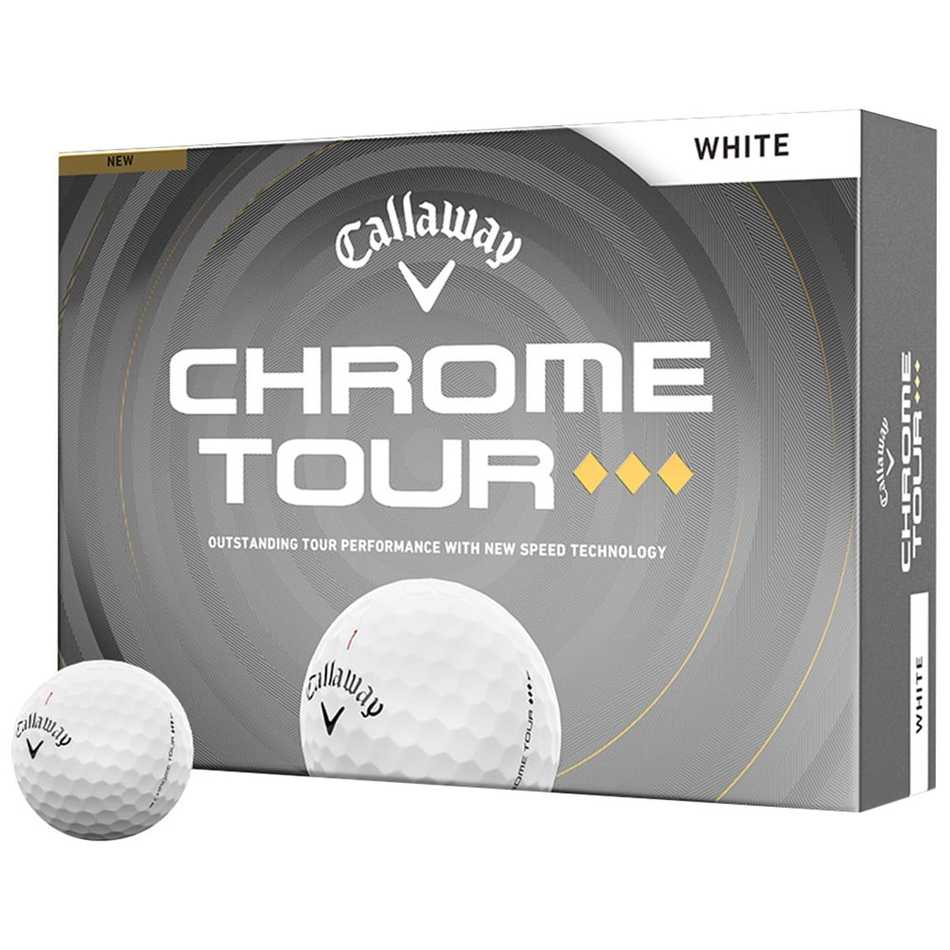
Callaway
Callaway Chrome Tour Triple Diamond Golf Balls
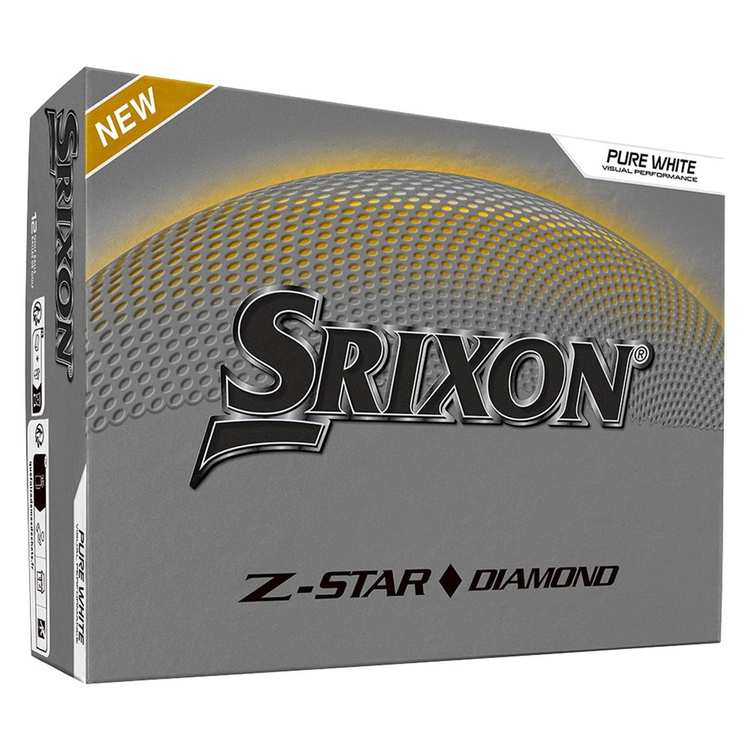
Srixon
Srixon Z-Star Diamond Golf Balls
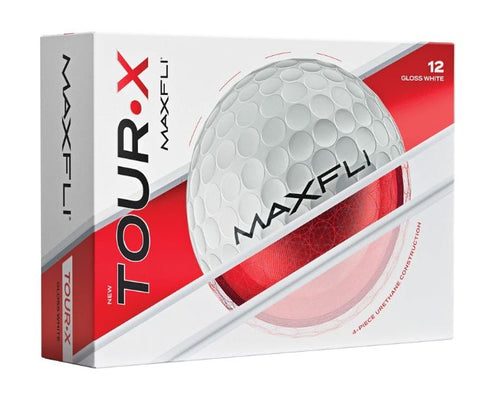
Maxfli
Maxfli Tour X Golf Balls
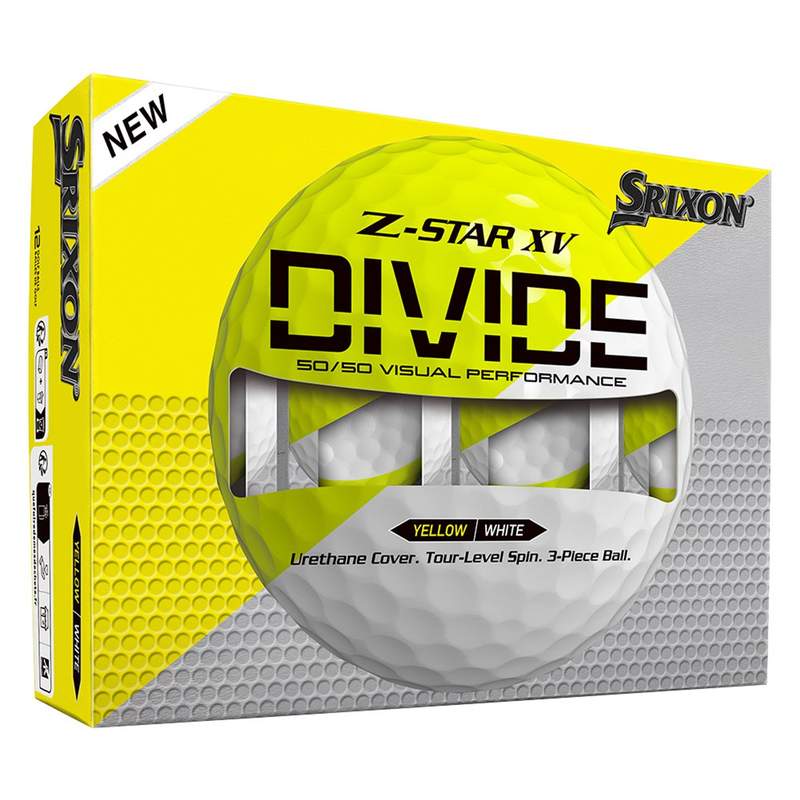
Srixon
Srixon Z-STAR XV DIVIDE Golf Balls
TaylorMade