Bridgestone · Golf Balls Review
Bridgestone e12 HiLaunch Golf Balls Review
The highest launch in the e12 family, and the hardest to justify at full price
Solid
Tour Issue Score 6.7 · Ranked #53 of 76 in Golf Balls
Best for: Slow swing golfers who genuinely cannot get the ball airborne; most other golfers should avoid it
The Bottom Line
The highest launch in the e12 family, and the hardest to justify at full price. The Bridgestone e12 HiLaunch Golf Balls scores 6.7 out of 10 in our research-based review, a solid mark that puts it at #53 of 76 Golf Balls in our rankings. Its strongest fit: Slow swing golfers who genuinely cannot get the ball airborne; most other golfers should avoid it.
Full Review
The Short Version
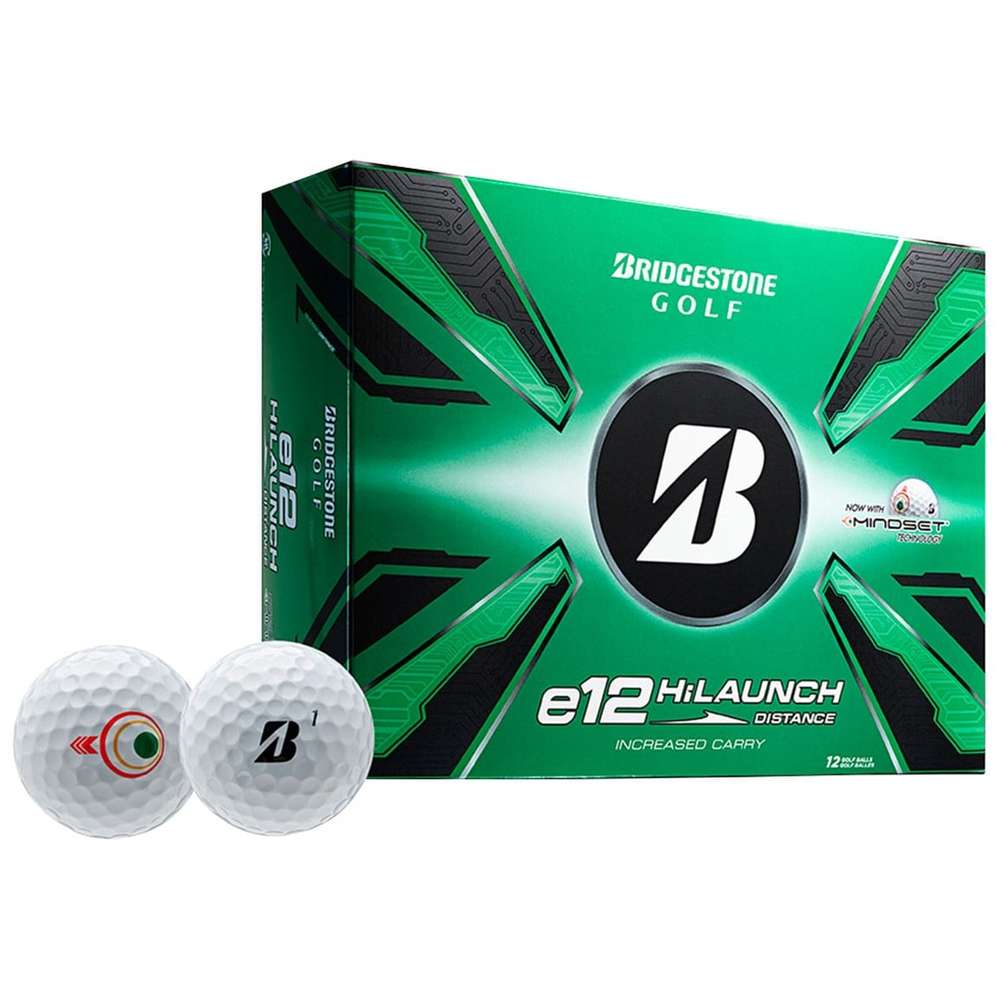
The Bridgestone e12 HiLaunch does the one thing its name promises: it launches high. Bridgestone built it as the lowest compression member of the 2025 e12 family, part of an Optimal Flight System drawn from millions of ball fittings, with a low compression soft core, a Surlyn type cover, 330 dimples, and the MindSet graphic. The problem is the company it keeps. In the Today's Golfer 2025 robot test of 62 balls, the HiLaunch averaged 54th overall, the lowest spinning Bridgestone ball in the test, and Today's Golfer concluded that, given how impressive the e12 Speed is at the same price, it is very difficult to recommend the HiLaunch to anyone who does not seriously struggle to get the ball in the air.
Performance
The robot numbers explain that verdict. At a 93 mph driver swing, Today's Golfer measured 204.6 yards of carry and 131.8 mph of ball speed, the slowest ball speed of any Bridgestone tested, against 210 yards and 134.1 mph for the e12 Speed. At 114 mph the gap held, 265.7 yards against 273.9 yards for the Speed. The launch was genuinely higher, 14.5 degrees at 78 mph, the highest in the Bridgestone set, and Golf Monthly's on course testing likewise found a towering flight that added carry for golfers who flight the ball too low. But the spin cost is real: 4,206 rpm with a 7-iron and 5,437 rpm on a 40 yard pitch were both the lowest figures in the Bridgestone lineup, so approach shots hold greens through height and descent angle rather than through bite.
Forgiveness
Forgiveness is respectable rather than special. Low driver spin, measured at 2,200 to 2,518 rpm across the three test speeds, keeps sidespin down and shots straighter, and the soft core is easy to compress at moderate speeds. Golfers whose main miss is a low, weak flight that falls out of the sky will get genuine help here. Golfers whose main miss is direction get more from the e12 Straight in our catalog, which was designed specifically to reduce hooks and slices and performed between the Speed and the HiLaunch in the same robot test.
Feel and Sound
Feel is the softest in the e12 range, according to Golf Monthly, with an obvious difference in sound and strike against the firmer e12 Speed. That cushioned response suits putting and chipping for golfers who dislike a clicky ball. The trade off, noted in published e12 family testing, is muted feedback: it is harder to tell a centered strike from a mishit, which slows learning for improving players.
Value
At $34.99 per dozen the HiLaunch charges full e12 money for the weakest e12 performance. The e12 Speed costs the same, was called the best value ball in the entire 62 ball test by Today's Golfer, and beat the HiLaunch on ball speed, carry, and spin at every speed. Paying identical money for measurably less is the core value problem, and it is why this ball scores where it does despite doing its stated job.
Who Should Avoid It, and What to Buy Instead
Avoid the HiLaunch if you already launch the ball adequately, if you swing the driver above about 95 mph, if you play in wind, or if you rely on wedge spin to hold firm greens. The better alternative for most golfers is the Bridgestone e12 Straight reviewed in our catalog: same family, same price, straighter flight, and stronger robot test results. Golfers who simply want soft feel and height for less money should also look at the Srixon Soft Feel in our catalog. The narrow group who should still consider the HiLaunch is golfers with slow swings whose shots genuinely will not stay airborne.
Verdict
The HiLaunch is an honest niche ball sold at a price its own test results cannot support for most buyers. It launches high, feels soft, and carries a durable cover, but it finished near the bottom of the biggest robot test of 2025 while its same price sibling finished near the top. Buy the launch only if launch is truly your problem. This is a research-based review synthesized from published reviews, independent test data, and manufacturer specifications; no personal testing was conducted.
What We Like
- Highest launch in the Bridgestone lineup, verified in robot and on course testing
- Softest feel in the e12 family, with an easy to compress low compression core
- Low driver spin helps keep shots straighter for moderate swing speeds
- Durable Surlyn type cover and the MindSet pre-shot graphic
- Steep descent angle helps high shots hold greens despite low spin
What to Consider
- Averaged 54th of 62 in the Today's Golfer 2025 robot test, the weakest e12 result
- Lowest spinning Bridgestone ball tested, with the softest greenside bite in the family
- Slowest ball speed of any Bridgestone ball in the robot test at every driver speed
- Same $34.99 price as the e12 Speed, which outperformed it across the board
- High flight is a liability in wind and unnecessary for golfers who already launch it well
Specifications
| Construction | 2-piece with low compression soft core (Today's Golfer robot test listing) |
|---|---|
| Compression | 43 in Today's Golfer robot test measurement, lowest in the e12 family |
| Cover | Surlyn type cover (non-urethane) |
| Dimples | 330 dimple pattern |
| Flight | Very high launch, low spin, white only, with MindSet graphic |
Score Breakdown
Scores are research-based, drawn from manufacturer specs, tour adoption, and published independent test data. How we score
More Balls Reviews
All Balls →
Titleist
Titleist Pro V1x Golf Balls (2025)
Callaway
Callaway Chrome Tour X Golf Balls
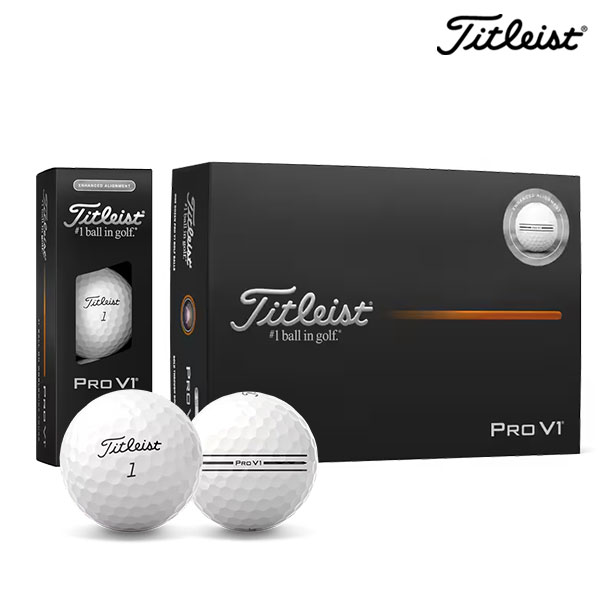
Titleist
Titleist Pro V1 Golf Balls (2025)
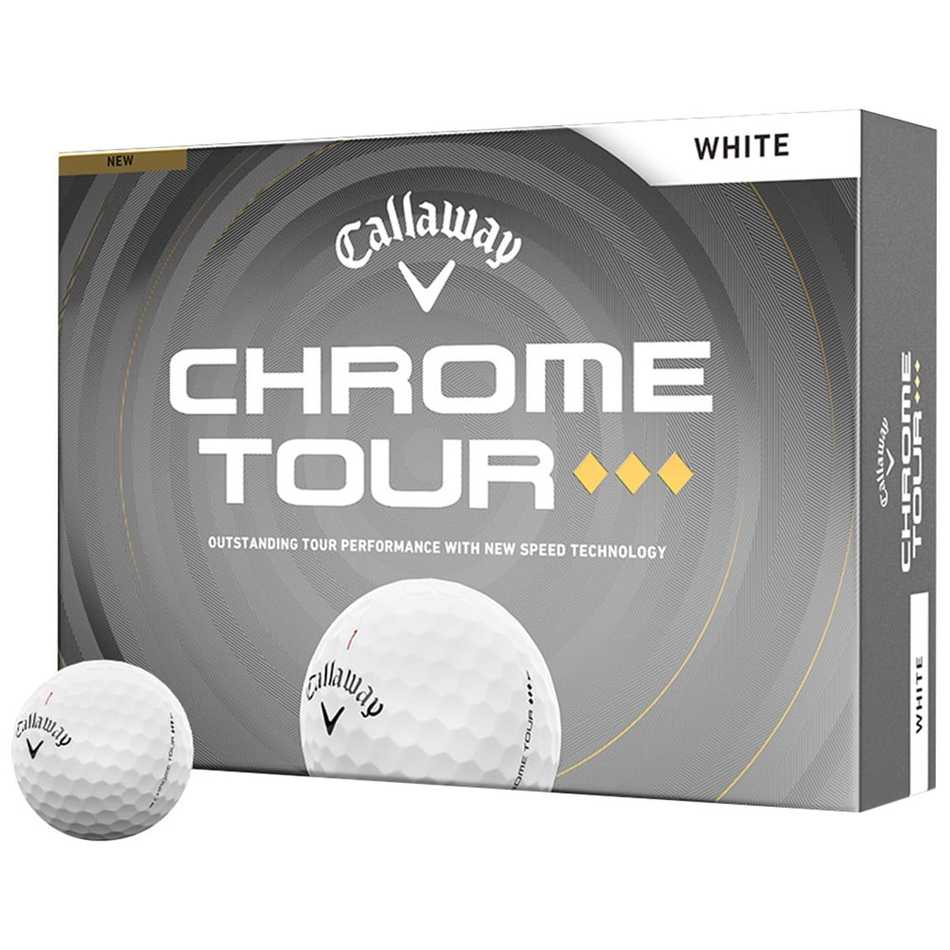
Callaway
Callaway Chrome Tour Triple Diamond Golf Balls
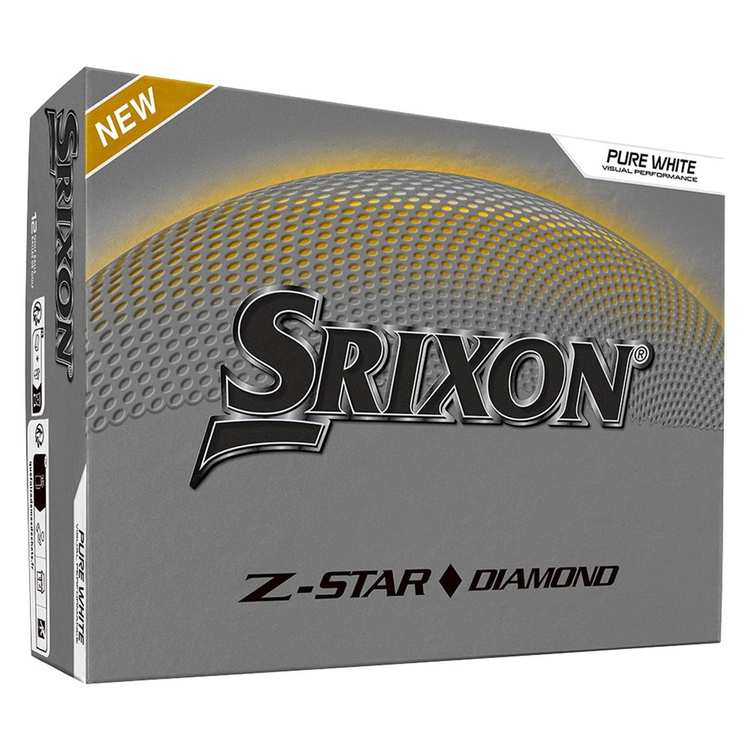
Srixon
Srixon Z-Star Diamond Golf Balls
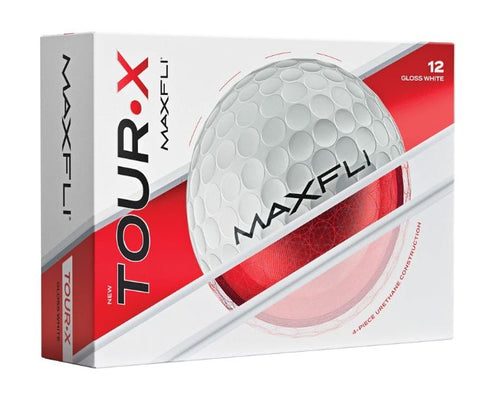
Maxfli
Maxfli Tour X Golf Balls
Srixon
Srixon Z-STAR XV DIVIDE Golf Balls
TaylorMade