
Titleist · Hybrids Review
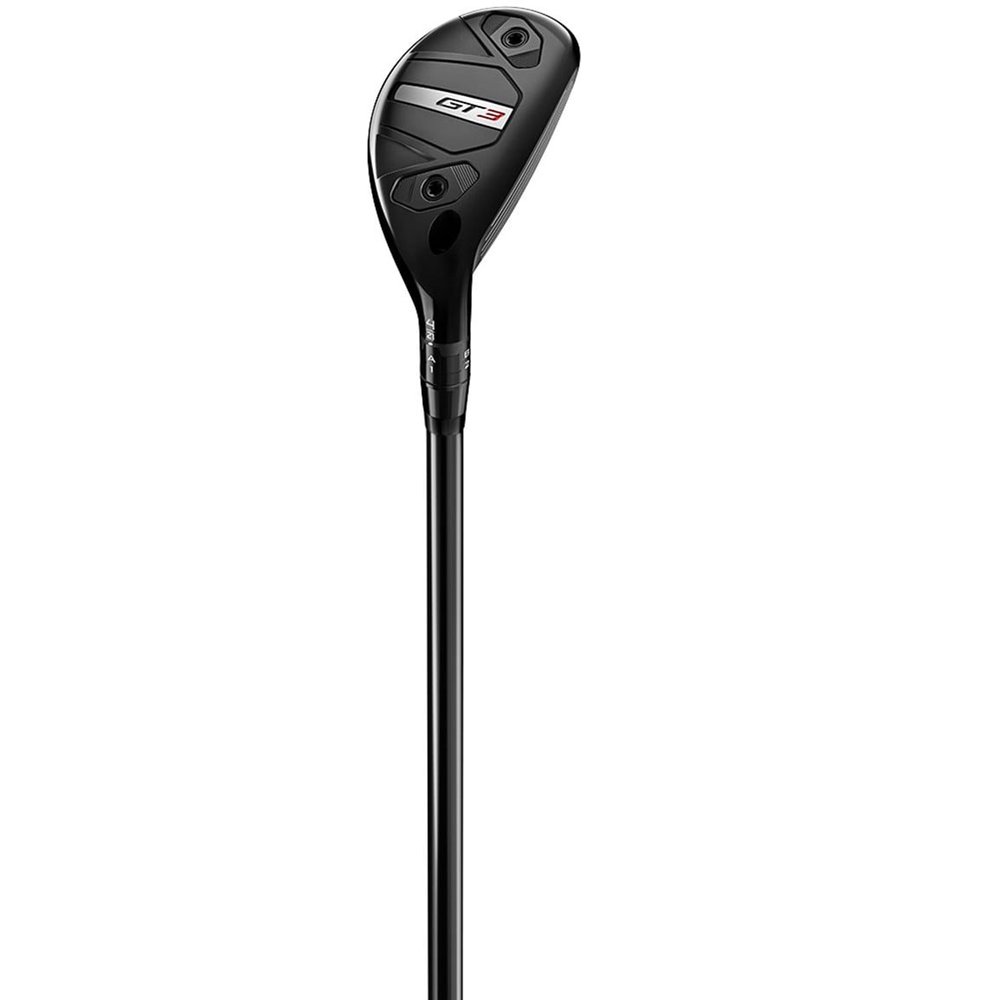
Titleist GT3 Hybrid Review
The player's GT hybrid, iron-like, workable, and 15 percent more stable than the TSR3
Excellent
Tour Issue Score 8.9 · Ranked #9 of 21 in Hybrids
Best for: Confident ball-strikers and low- to mid-handicappers who want an iron-like hybrid they can flight and shape, with fitting adjustability a long iron cannot offer
The Bottom Line
The player's GT hybrid, iron-like, workable, and 15 percent more stable than the TSR3. The Titleist GT3 Hybrid scores 8.9 out of 10 in our research-based review, a excellent mark that puts it at #9 of 21 Hybrids in our rankings. Its strongest fit: Confident ball-strikers and low- to mid-handicappers who want an iron-like hybrid they can flight and shape, with fitting adjustability a long iron cannot offer.
Full Review
The Short Version
The GT3 is the player's hybrid in Titleist's three-model GT family: the smallest, most iron-like head of the three, built for workability first. The engineering headline is that it gives up less than its shape suggests, Titleist says MOI is up 15 percent over the TSR3 even though the head is 6 percent smaller, and it keeps the GT family's full fitting toolkit: interchangeable heel-toe weights and the 16-setting SureFit hosel. Golf Monthly's reviewer made it one of the standout hybrids of its launch year on the strength of its on-course versatility.
Performance
Performance here means control of the flight, not raw launch help. The GT3 produces a mid-high, flatter trajectory than the GT2, with spin in the low-to-mid band, and published testing shows it can be moved deliberately in both directions and flighted up when a green demands height. Golf Monthly's test, conducted indoors on a GCQuad and then on course in Spain, recorded a solid 231-yard average carry and found the GT3 extremely reliable from different lies and situations, the use case a player's hybrid actually lives in. The forward-leaning CG helps produce ball speed in the region of the fastest heads, per Today's Golfer, but with a controllable amount of spin rather than the floatier flight of its siblings. For a golfer who treats a hybrid as a scoring club rather than a rescue club, that predictability is the point.
Forgiveness
Forgiveness is relative, and honesty matters: this is the least forgiving of the GT hybrids, and comparisons note that toe strikes cost more distance here than in the GT2. But the baseline moved up, the 15 percent MOI gain over the TSR3 comes from improved perimeter weighting, and Golf Monthly found the GT3 perfectly playable on all but the worst strikes, with left-right misses only fractionally more volatile than the GT2's. The heel-toe weights (11 grams in the heel, 5 in the toe as standard) also let a fitter place the heavy weight behind a player's habitual strike location or flip the pair to encourage a fade bias. It forgives like a good player's club, not like a game-improvement one.
Feel and Sound
Titleist's presentation is deliberately muted: a compact gloss-black head, a squared topline, no alignment aid on the crown, and a flatter sole that hugs the ground at address. Today's Golfer described the sound as a short, soft click tuned to report strike quality rather than reinforce confidence, and rated looks, sound and feedback 4.5 out of 5. Golfers who want a big, confidence-inspiring footprint will find the GT3's size intimidating; golfers coming from long irons will find it familiar and right.
Value
At $329.99 the GT3 shares the GT family's premium price and sits above most rivals, including TaylorMade's Qi4D Rescue. What justifies it is the fitting depth: heel-toe weights, a 16-setting hosel, and a featured shaft menu, Mitsubishi Tensei 1K Blue and Black, Project X HZRDUS Black 5G and Project X Denali Red, with premium Graphite Design options above that, that lets one head be built to genuinely different ball flights. Bought off the rack without a fitting, much of that premium is wasted; bought fitted, it is the most precisely tunable hybrid in its class.
Who Should Buy It
Better ball-strikers who prefer long irons but want more launch and a touch more margin, and who will actually use the weights and hosel, ideally in a fitting. Golfers who need height, stability and maximum forgiveness should choose the GT2; moderate-speed players who want lightweight launch help should choose the GT1.
Verdict
The GT3 hybrid is the control player's choice in the GT line: compact and workable like an iron, measurably more stable than the TSR3 it replaces, and endlessly tunable. It will not rescue a poor strike the way its GT2 sibling will, and it does not pretend to. For the striker it was built for, it is one of the finest hybrids of its generation. This is a research-based review synthesized from published reviews, independent test data, and manufacturer specifications; no personal testing was conducted.
What We Like
- 15 percent higher MOI than the TSR3 despite a head that is 6 percent smaller, per Titleist, stability that defies its compact size
- Adjustable heel-toe weights (11g heel / 5g toe standard) plus the 16-setting SureFit hosel give the deepest fitting menu in the hybrid class
- Golf Monthly's on-course testing produced a 231-yard average carry and singled out how easily the ball could be worked both ways
- Flatter sole and refined leading edge sit flush to the turf and improve performance on low strikes, per Titleist and Golfalot
- Muted, short-click impact sound and a clean gloss crown with no alignment clutter, praised by Today's Golfer (4.5 expert rating)
- Premium featured shaft menu spanning low, mid and high launch profiles at no upcharge
What to Consider
- Least forgiving hybrid in the GT family by design, toe strikes cost more distance than in the GT2, per published comparisons
- Compact head will not inspire confidence for golfers used to larger hybrid profiles, per Today's Golfer
- Premium $329.99 pricing, above several equally capable rivals
- Best results require a fitting to exploit the heel-toe weights and 16 SureFit settings, adding time and possibly cost
Specifications
| Adjustability | SureFit hosel with 16 loft/lie settings; interchangeable heel-toe sole weights (11g heel / 5g toe standard, additional combinations through fitting) |
|---|---|
| Head Size | 123cc-126cc compact, iron-like profile with flatter sole; 6 percent smaller than TSR3 with 15 percent higher MOI |
| Lofts | 19, 21 and 24 degrees (RH and LH) |
| Stock Grip | Titleist Universal 360 grip |
| Stock Shafts | Mitsubishi Tensei 1K Blue, Mitsubishi Tensei 1K Black, Project X HZRDUS Black 5G, Project X Denali Red; premium Graphite Design options |
Score Breakdown
Scores are research-based, drawn from manufacturer specs, tour adoption, and published independent test data. How we score
More Drivers Reviews
All Drivers →
Callaway
Callaway Quantum Max Driver
Callaway
Callaway Quantum Triple Diamond Max Driver
PING
PING G440 K Driver
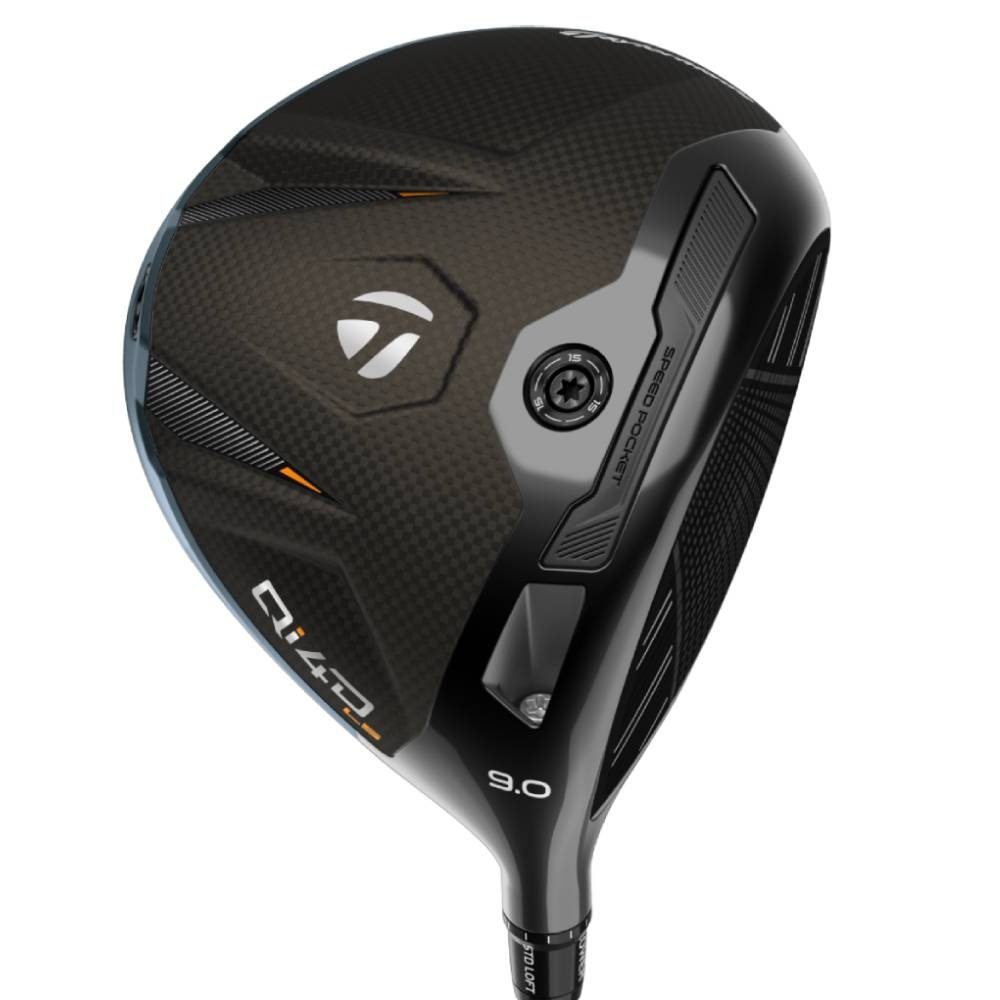
TaylorMade
TaylorMade Qi4D LS Driver
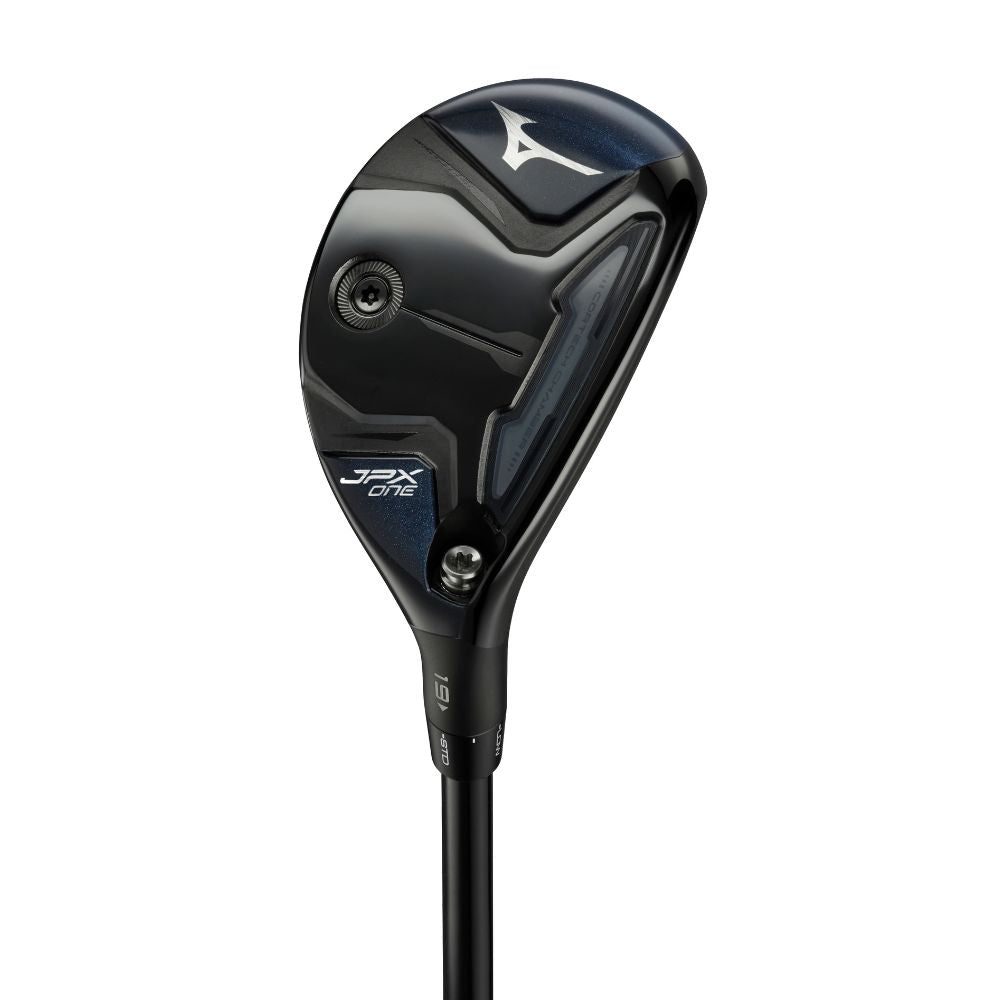
Mizuno
Mizuno JPX ONE Hybrid
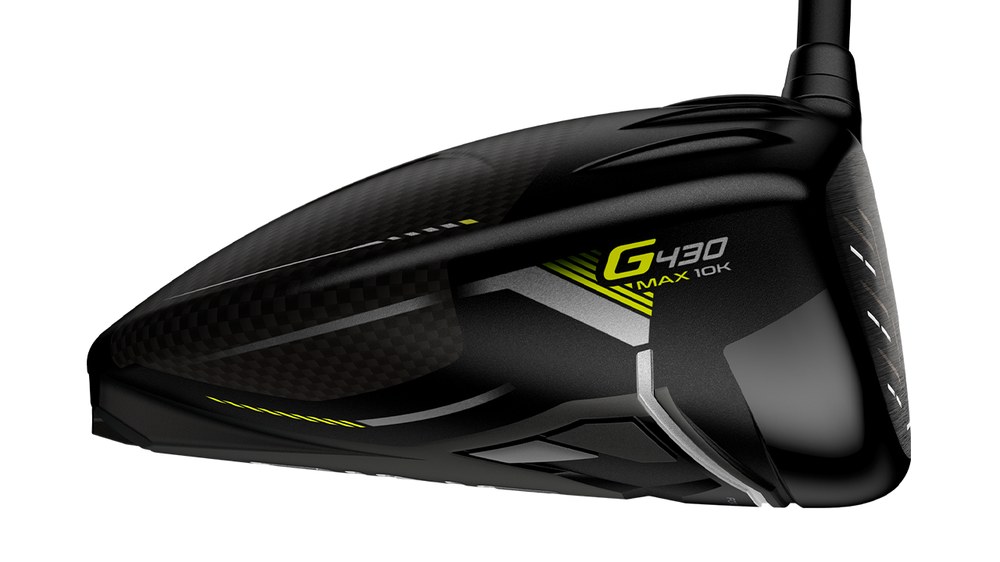
PING
PING G430 MAX 10K Driver
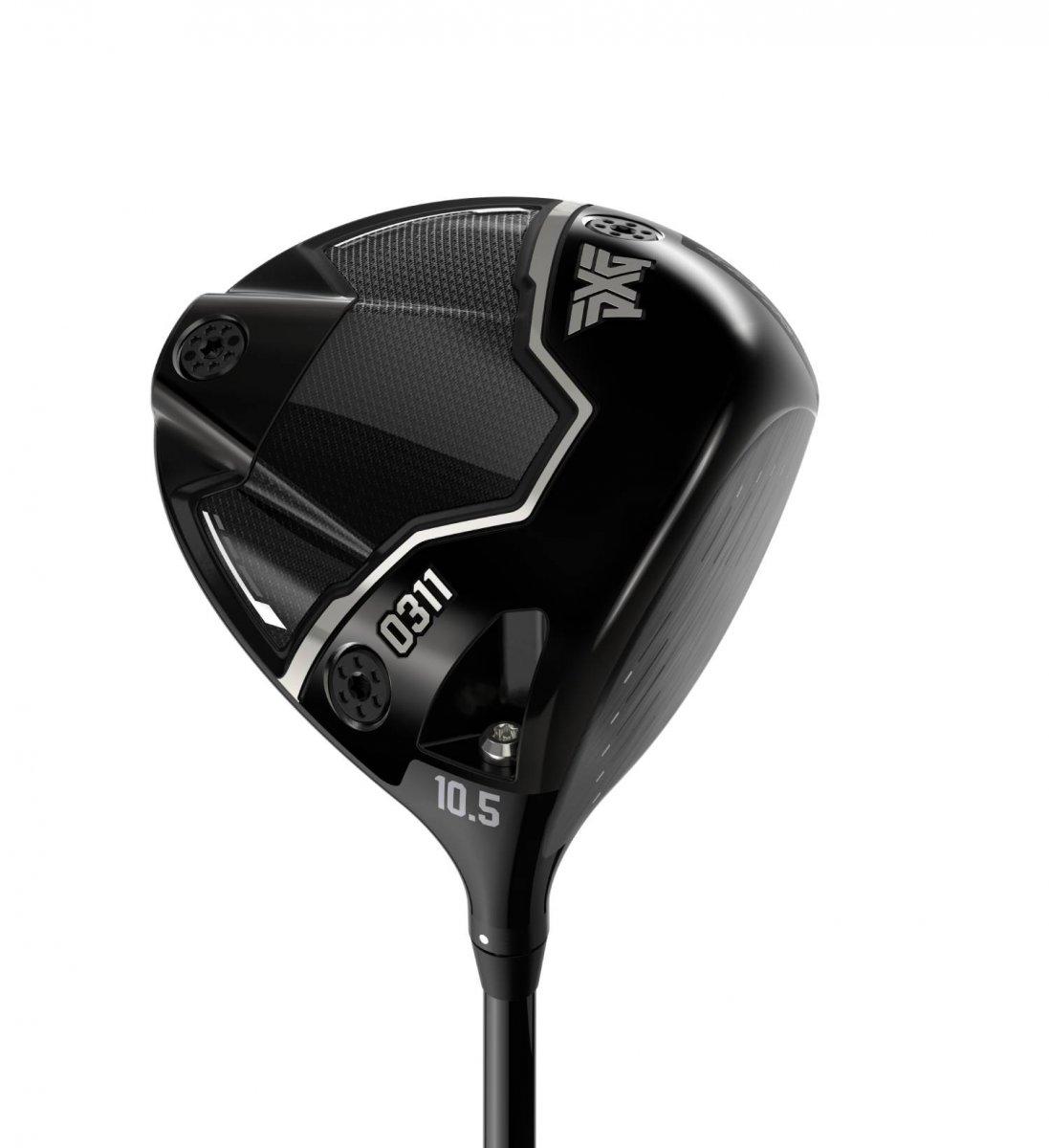
PXG
PXG 0311 Black Ops Driver
TaylorMade