
Titleist · Fairway Woods Review
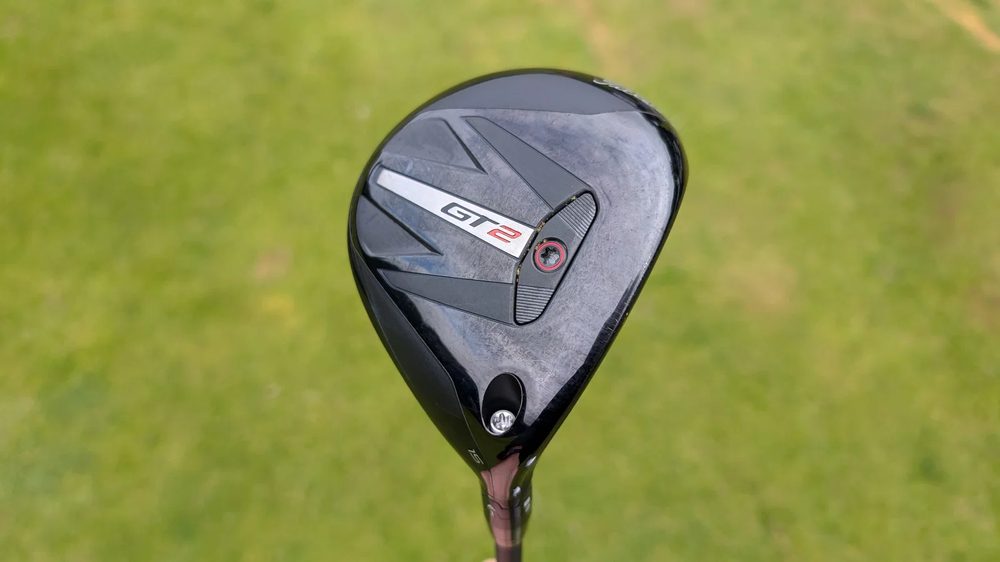
Titleist GT2 Fairway Wood Review
High flight, low spin and tour-shaped forgiveness from a polymer crown
Excellent
Tour Issue Score 8.8 · Ranked #13 of 25 in Fairway Woods
Best for: Golfers with average to above-average swing speeds who want a forgiving, high-launching fairway wood that still works off the tee
The Bottom Line
High flight, low spin and tour-shaped forgiveness from a polymer crown. The Titleist GT2 Fairway Wood scores 8.8 out of 10 in our research-based review, a excellent mark that puts it at #13 of 25 Fairway Woods in our rankings. Its strongest fit: Golfers with average to above-average swing speeds who want a forgiving, high-launching fairway wood that still works off the tee.
Full Review
The Short Version
The Titleist GT2 is the forgiving, high-launching fairway wood in the GT generation that replaced the TSR line, and Golf Digest awarded the GT fairways a Hot List Gold with the GT2 listed at $400. Its headline technologies are a Seamless Thermoform Crown in a proprietary matrix polymer and a forged L-Cup Face wrapping around the bottom of the head. Titleist's goal was demanding: raise launch without raising spin. Coverage from Golf Digest and MyGolfSpy describes the GT2 as larger, shallower-faced and more forgiving than the GT3, with the broadest loft range of the family.
Performance
The crown is the engineering story. Titleist says the polymer crown weighs roughly one-fifth as much as the steel it replaces, and that saved mass let engineers lower the center of gravity and move it slightly forward compared with the TSR2. In Titleist's framing, that combination produces higher launch, better energy transfer and longer carry while spin drops in the GT2 rather than climbing with the launch. For a fairway wood, that launch-without-spin profile is the desirable one: the ball gets airborne from the turf, then carries instead of ballooning.
The L-Cup Face is forged from 465 stainless steel, described by Titleist as one of the strongest steels available, so it can be made thin where it bends around the sole. Titleist told Golf Digest this keeps low-strike ball speeds closer to center strikes, and tour players reported thin shots feeling less sharp. Independent testing found the 13.5-degree head effective off the tee while still playing from the turf.
Forgiveness
The GT2 is the forgiveness model of the GT fairways, and its shape does much of the work. The head is larger front to back than the GT3, the face is shallower, and Titleist flattened the sole curvature heel to toe so the head sits lower and impacts toward the heel and toe effectively arrive higher on the face. Titleist positions the GT2 for players with a sweeping delivery, which describes most amateur fairway-wood swings.
Loft choice is a forgiveness tool here as well. With five lofts from 13.5 to 21 degrees, a fitter can trade the strong head for a 16.5-degree high-trajectory option or a 21-degree 7-wood rather than asking a golfer to swing harder at a loft they cannot launch. The GT2 lacks the GT3's sliding CG track, so its forgiveness is fixed by design rather than dialed in, but interchangeable weights and the 16-way SureFit hosel still give a fitter meaningful control over flight and gapping.
Feel and Sound
Titleist says the matrix polymer was chosen in part for acoustic properties that preserve the classic Titleist sound and feel, and tour feedback emphasized thin shots feeling better on the L-Cup design. At address the GT2 keeps a clean, gloss-black look, and the shallower face inspires confidence from tight lies. Steeper players who prefer a taller face may gravitate to the GT3.
Value
At $399.99 to $400, the GT2 is premium priced, at the top of the standard fairway-wood market for its generation. There is no budget argument for it. The value case rests on longevity and fit: five lofts, a wide featured-shaft menu including Project X Denali Red, Mitsubishi Tensei 1K Blue and HZRDUS Black, and a head that works off tee and deck. Golf Digest's Hot List placed it among the top performers for middle- and high-handicap players. Buyers cross-shopping purely on discount will find cheaper speed elsewhere.
Who Should Buy It
Buy the GT2 if you sweep your fairway woods, want high launch with controlled spin, and will use a fitting to pick among its five lofts, most golfers should start at 15 or 16.5 degrees rather than the 13.5-degree head. It suits mid-handicappers who need help holding greens from long range and better players who prefer the more forgiving GT head, a preference Titleist itself noted among tour staff. Choose the GT3 instead if you want a taller face, a flatter flight and sliding-weight adjustability, and look at lighter, draw-biased rivals if your main miss is a slice that a neutral head will not fix.
Verdict
The GT2 delivers the GT brief faithfully: a lighter crown, a lower center of gravity, help low on the face, and a higher flight without a spin penalty, all in a classic Titleist shape. Its costs are literal price and the absence of the GT3's CG track. Recommended as a premium, forgiving fairway wood for golfers who will get fit for loft and shaft. This is a research-based review synthesized from published reviews, independent test data, and manufacturer specifications; no personal testing was conducted.
What We Like
- Seamless Thermoform Crown in Titleist's Proprietary Matrix Polymer, about one-fifth the weight of surrounding steel, freeing mass for a lower center of gravity
- Forged L-Cup Face in 465 stainless steel wraps around the sole to preserve ball speed and improve feel on low-face strikes
- Widest loft range in the GT fairway line, 13.5°, 15°, 16.5°, 18° and 21°, for precise top-of-bag gapping
- High launch with low spin and a larger, shallow-faced, forgiving profile suited to sweeping deliveries
- SureFit hosel adjusts loft and lie on every head, with interchangeable sole weights available through fitting
What to Consider
- Premium pricing at around $400, among the most expensive standard fairway woods in its generation
- No sliding CG track as on the GT3, so shot-shape tuning relies on hosel and interchangeable weights through a fitter
- The 13.5-degree strong loft needs real swing speed to launch from the deck; slower players must move up in loft
- Shallow face that sweepers love will be less reassuring for players who prefer a tall face off the tee
Specifications
| Lofts | 13.5°, 15°, 16.5°, 18°, 21° (RH/LH) |
|---|---|
| Head Sizes | 200cc (13.5°), 170cc (15° and 16.5°), 150cc (18°), 145cc (21°) |
| Crown | Seamless Thermoform Crown, Proprietary Matrix Polymer |
| Face | Forged L-Cup Face, 465 stainless steel insert wrapping around the sole |
| Adjustability | SureFit hosel, loft/lie -0.75° to +1.5°; 9g nominal sole weight with +/- options |
| Lengths | 43 in. (3-woods), 42 in. (5-wood), 41.5 in. (7-wood) |
Score Breakdown
Scores are research-based, drawn from manufacturer specs, tour adoption, and published independent test data. How we score
More Accessories Reviews
All Accessories →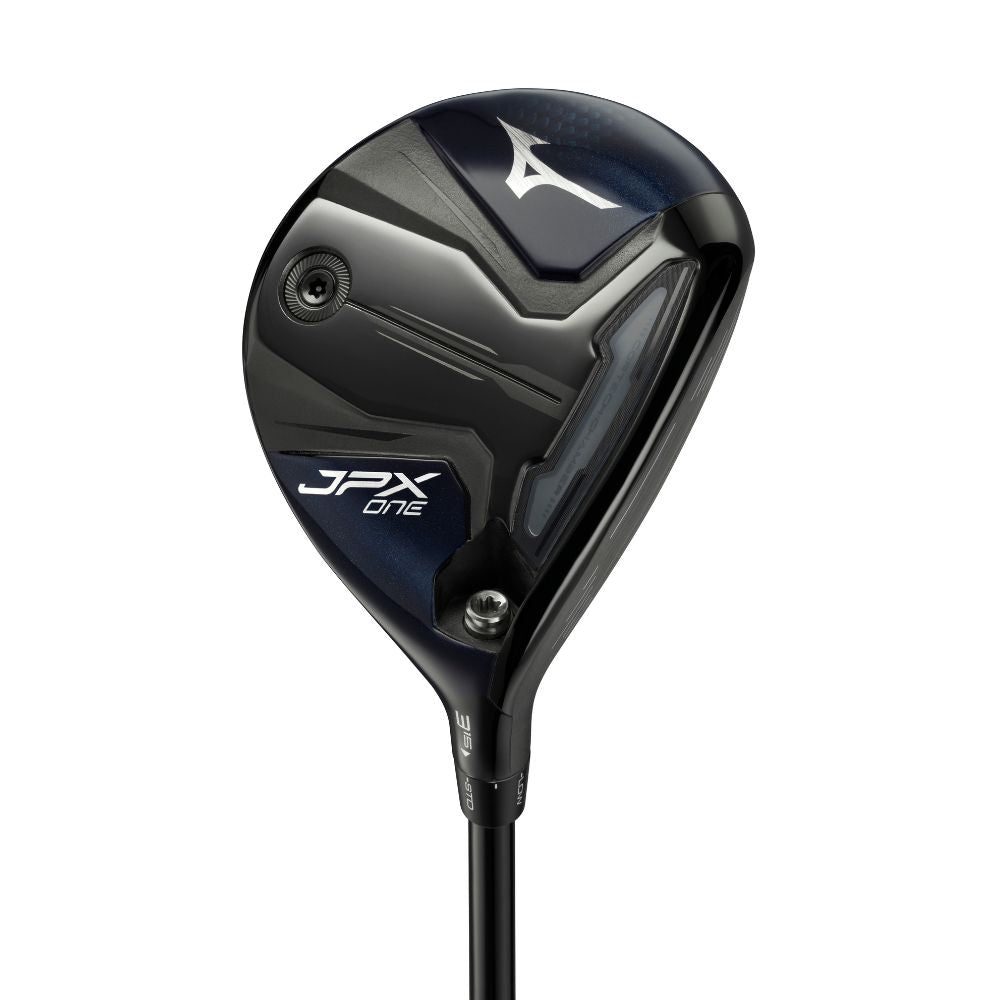
Mizuno
Mizuno JPX ONE Fairway Wood
TaylorMade
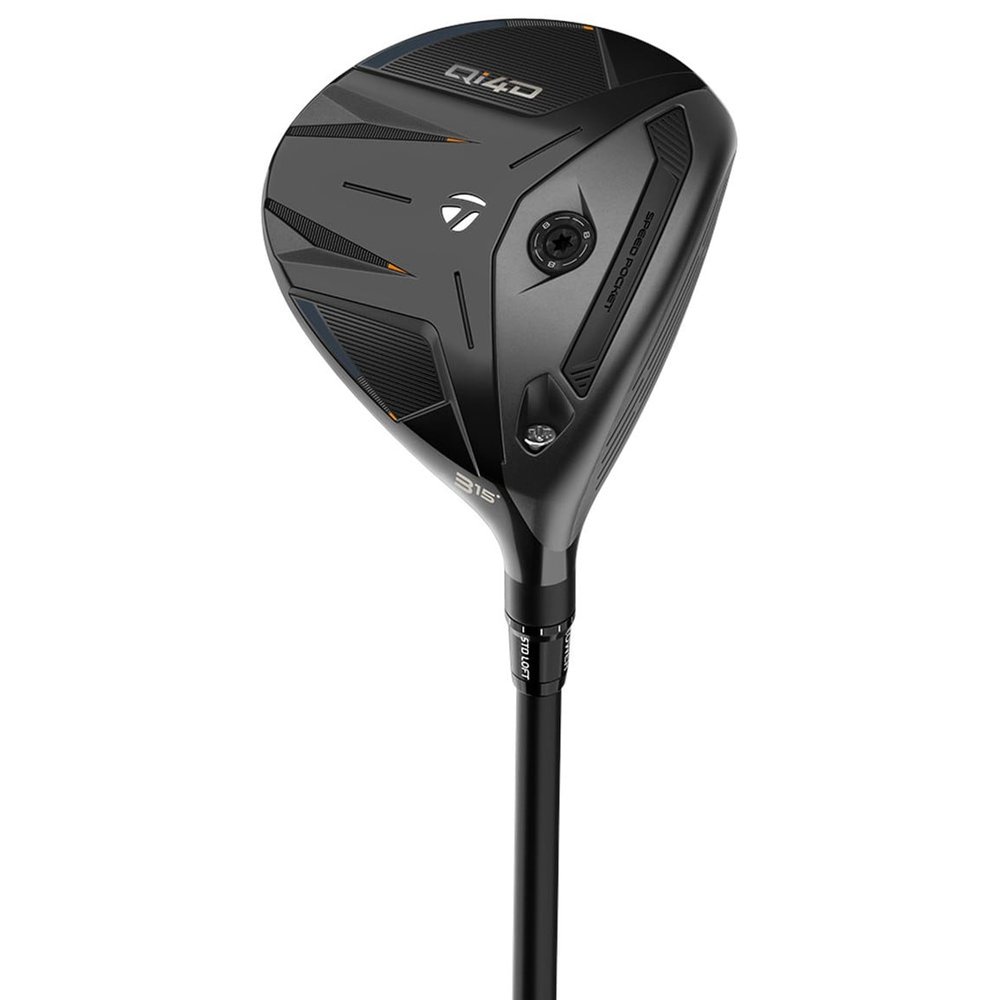
TaylorMade Qi4D Fairway Wood
Callaway
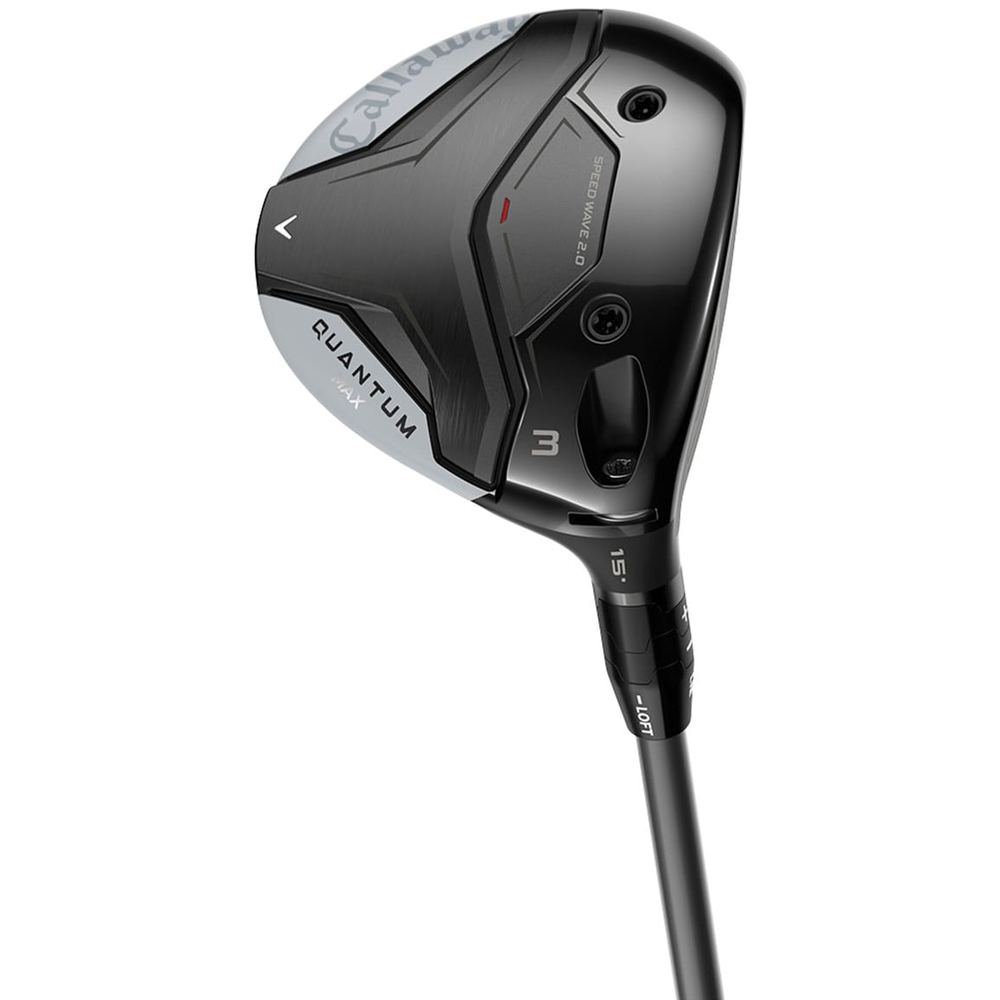
Callaway Quantum Max Fairway Wood
Ping
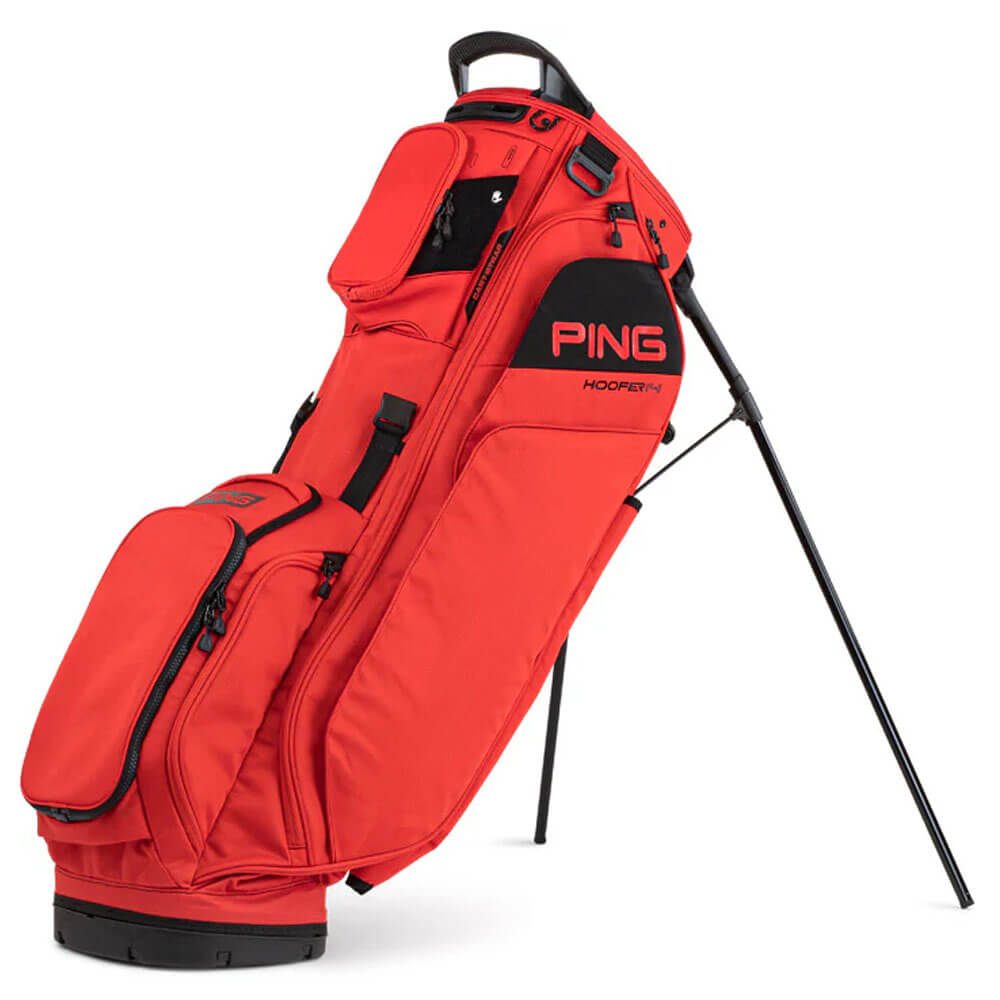
PING Hoofer 14 Stand Bag
Golf Pride
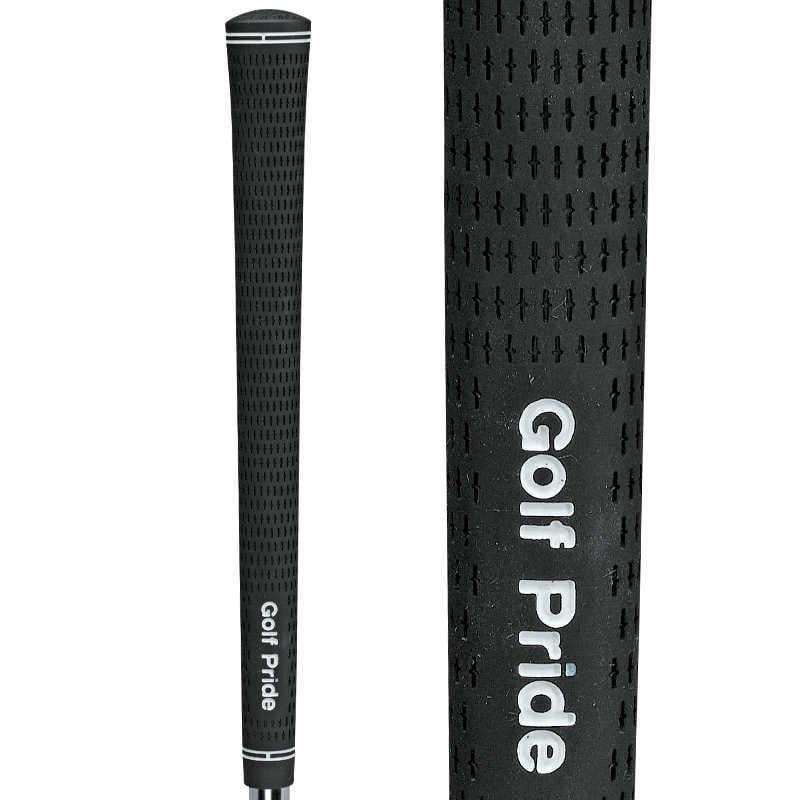
Golf Pride Tour Velvet Grips
Callaway
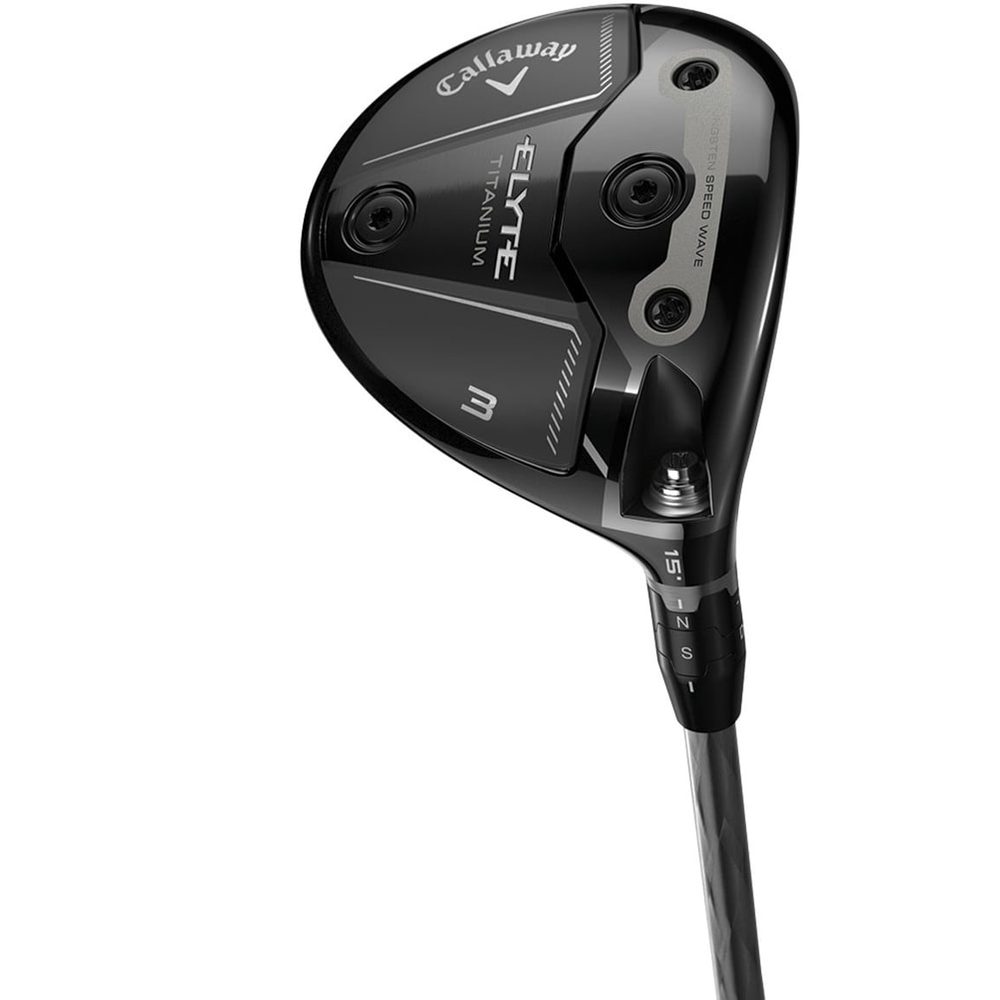
Callaway Elyte Ti Fairway Wood
FootJoy
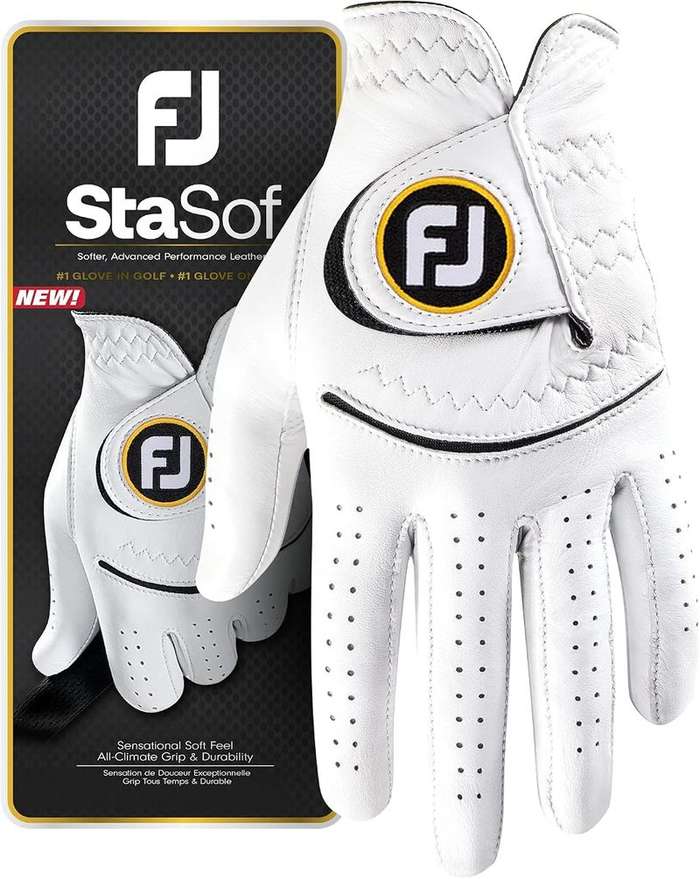
FootJoy StaSof Golf Glove
Golf Pride