
Titleist · Fairway Woods Review
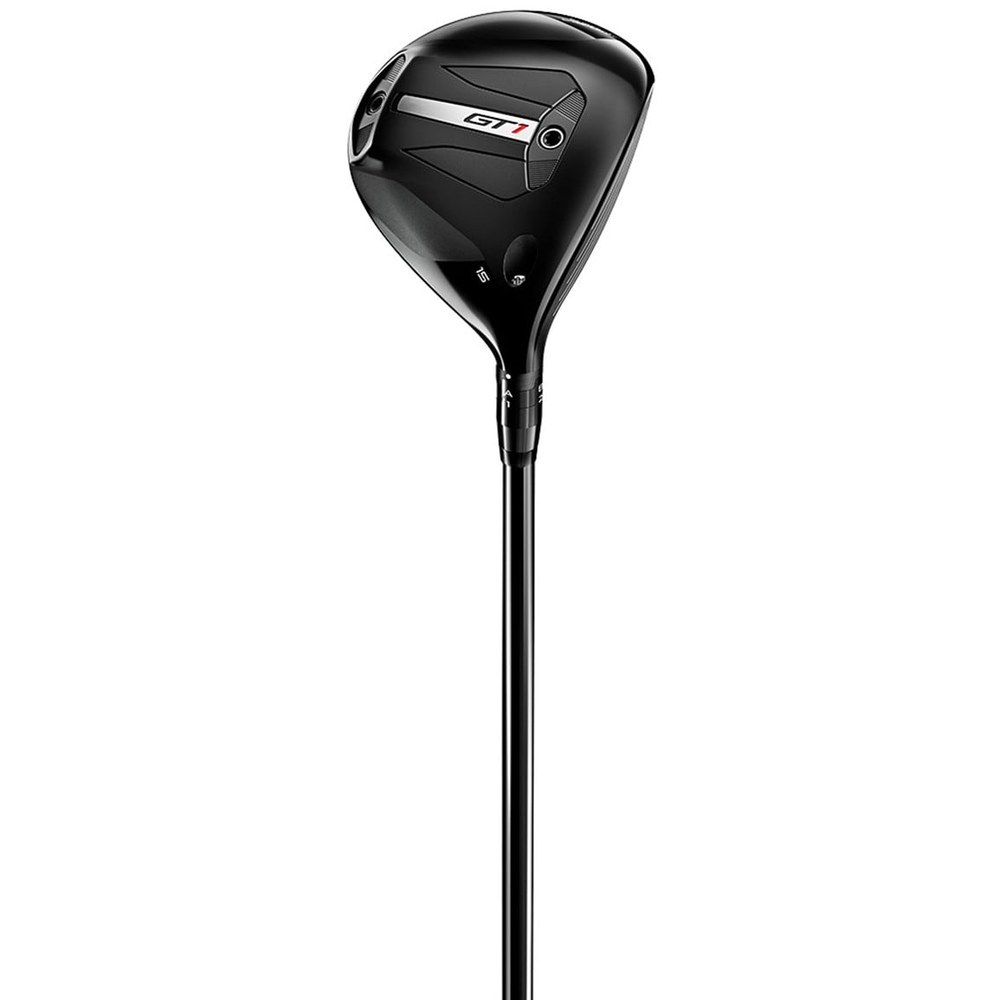
Titleist GT1 Fairway Wood Review
The highest launching fairway wood in the GT family, and the easiest to get airborne
Excellent
Tour Issue Score 8.8 · Ranked #12 of 25 in Fairway Woods
Best for: Moderate swing speed golfers who struggle to launch fairway woods and want high, soft-landing carry
The Bottom Line
The highest launching fairway wood in the GT family, and the easiest to get airborne. The Titleist GT1 Fairway Wood scores 8.8 out of 10 in our research-based review, a excellent mark that puts it at #12 of 25 Fairway Woods in our rankings. Its strongest fit: Moderate swing speed golfers who struggle to launch fairway woods and want high, soft-landing carry.
Full Review
The Short Version
The Titleist GT1 Fairway Wood is the launch specialist of the GT fairway family: the largest head at 180cc in the low lofts, the deepest center of gravity, a shallower face, and an ultra-lightweight build option, all aimed at golfers whose fairway woods fly too low and land too hot. New fore and aft adjustable weights, which Titleist calls Dual Performance Control Settings, let a fitter choose between maximum stability and a lower-spin setup without changing models. The concept has range: per GOLF.com's Fully Equipped reporting, Tour players liked the wide, shallow shape so much that Titleist built them a stronger-lofted GT1 3Tour variant. For the moderate swinger the standard GT1 was actually designed for, published testing is emphatic: National Club Golfer scored it 5 out of 5.
Performance
Launch is the headline metric, and the GT1 delivers it by design. The deepest CG in the GT fairway lineup, dropped lower still by the shallow face profile, gets the ball up quickly, while the redesigned internal hosel saves weight that Titleist redistributes into that low, deep position. Per National Club Golfer's testing, shots reached peak heights of 90 to 100 feet, spin held impressively around 4,000 rpm for stopping power without ballooning, and carry averaged 235 to 245 yards with rollout past 260 yards on solid strikes. Ball speed consistency on slight mishits stood out in that test. Flipping the 11-gram weight forward lowers spin and adds speed, the setup Tour players preferred in GOLF.com's reporting, while the stock aft-heavy arrangement maximizes launch and MOI.
Forgiveness
The 180cc footprint is the biggest in the GT fairway family, roughly 10 to 20cc larger than the GT2 per Golf Digest's launch notes, and it shows up as stability. National Club Golfer found that even off-center strikes launched high with consistent carry, crediting the MOI and low CG, and the club held its line from the tee, the fairway and the rough, aided by a flatter sole design. For golfers who thin fairway woods or catch them toward the heel, that combination of a big, shallow face and a deep CG is the most forgiving package Titleist sells in this category.
Feel and Sound
National Club Golfer described a hot, powerful crack at impact that signals ball speed, on a head that sits square and inviting at address. The shape splits the difference between confidence and class: large enough to reassure, clean enough that better players used it on Tour in 3Tour form. The lightweight build will feel distinctly light to players coming from standard fairway woods, which is the point for its target swing speeds, and the standard-build option exists for golfers who want the shaping without the featherweight total package.
Value
At $399.99 the GT1 matches the GT2 and GT3 fairway pricing, and current retail has softened toward $330 at several stores. The value case rests on fit breadth: one head covers the moderate swinger in lightweight form, the stronger player in standard form, and the weight flip gives it two distinct flight personalities. Golfers who launch fairway woods fine already will get more from the GT2's lower spin, and budget buyers can find previous-generation TSR models far cheaper. But for the specific, common problem of a fairway wood that will not get airborne, the GT1 is a purpose-built answer at a standard flagship price.
Who Should Buy It
Buy the GT1 Fairway if your 3-wood and 5-wood fly on a low line, run through greens, or demand a perfect strike to carry a bunker. Moderate swing speeds, seniors, and anyone building a high-launching 7-wood or 9-wood set should start here. Players who fight ballooning, play in constant wind, or want a penetrating tee alternative should test the GT2 or GT3, and strong players drawn to the shape should ask about the GT1 3Tour.
Verdict
The GT1 is the most complete launch-first fairway wood in the 2025 Titleist line: genuinely easy to elevate, unusually adjustable for its class, and validated from club golfers up to Tour winners in its 3Tour form. It earns a high score for solving its target problem with almost no compromise beyond a flight that climbs more than it pierces. This is a research-based review.
What We Like
- Deepest CG of any GT fairway model plus a shallower face profile for effortless launch off the deck
- Dual Performance Control fore and aft weights (11g and 3g) flip between high-MOI stability and a lower-spin, faster setup
- Ultra-lightweight configuration with Fujikura Air Speeder shaft helps moderate swingers add speed
- Per National Club Golfer testing: spin held around 4,000 rpm, peak heights of 90 to 100 feet and carry of 235 to 245 yards, earning a 5 out of 5 verdict
- Per GOLF.com, the shaping and shallow face impressed Tour players enough to spawn the GT1 3Tour variant
- Four lofts from 15 to 24 degrees, including 7-wood and 9-wood options for full gapping coverage
What to Consider
- High, towering flight is not a penetrating one, per National Club Golfer, which costs control in wind.
- Premium $399.99 pricing for a fairway wood aimed at moderate swing speeds.
- The 180cc head is the largest in the GT fairway family, which traditionalists may find oversized at address.
- Maximum benefit comes in the lightweight build; stronger players may need the standard build or the GT1 3Tour instead.
Specifications
| Key Tech | Ultra-lightweight configuration; deepest CG in GT fairway line; shallow face profile; Dual Performance Control fore/aft weights (11g aft, 3g forward stock); redesigned internal hosel; SureFit hosel |
|---|---|
| Lofts | 15, 18, 21 and 24 degrees (RH/LH); head volumes 180cc (15, 18) and 165cc (21, 24) |
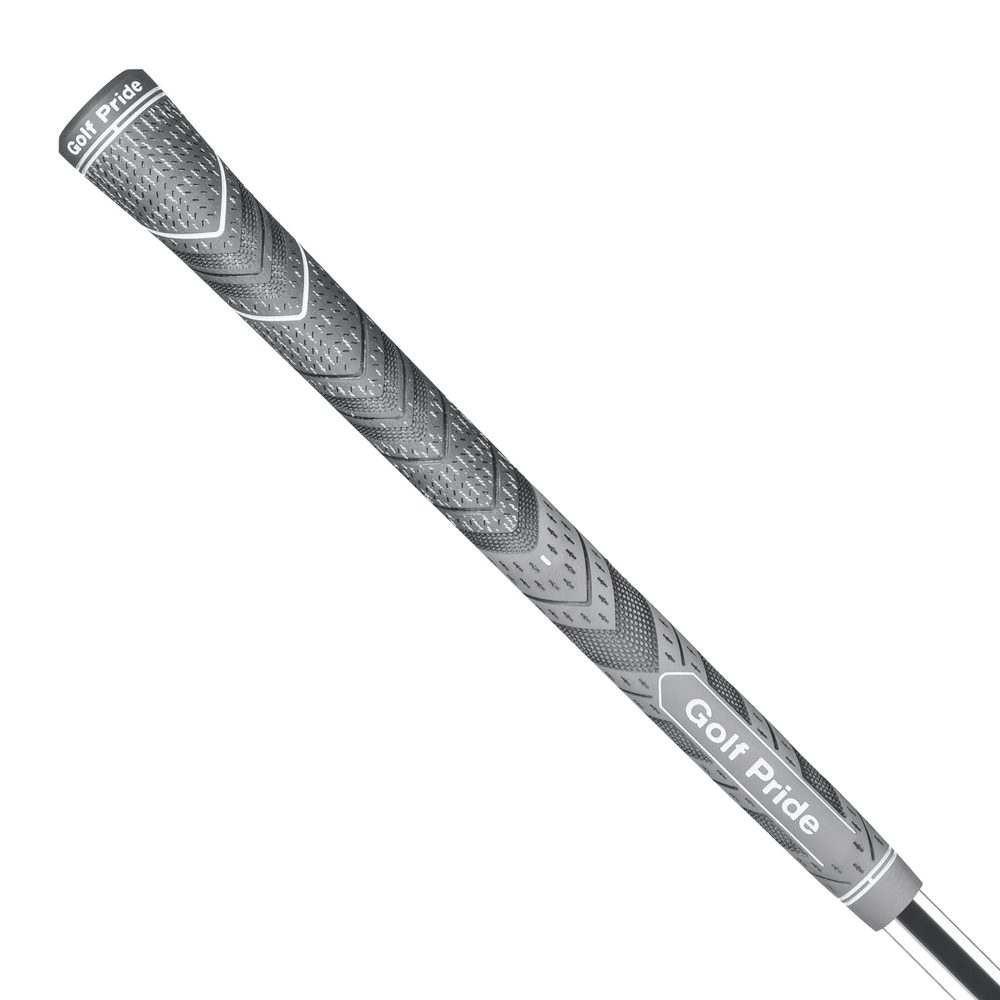
| Shaft Options | Fujikura Air Speeder Next Gen 40 (R2, R, S) in lightweight build; standard-build shaft options available; Golf Pride Tour Velvet 360 Lite Plus grip |
Score Breakdown
Scores are research-based, drawn from manufacturer specs, tour adoption, and published independent test data. How we score
More Accessories Reviews
All Accessories →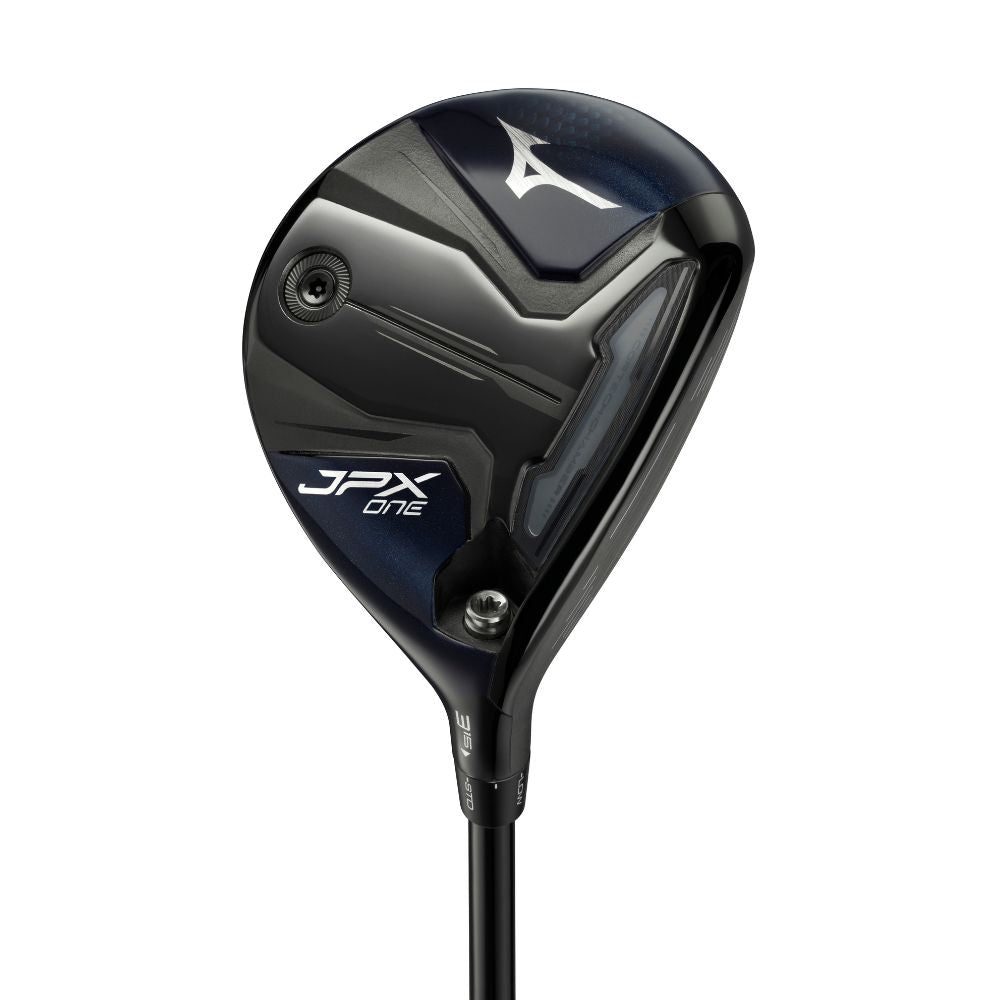
Mizuno
Mizuno JPX ONE Fairway Wood
TaylorMade
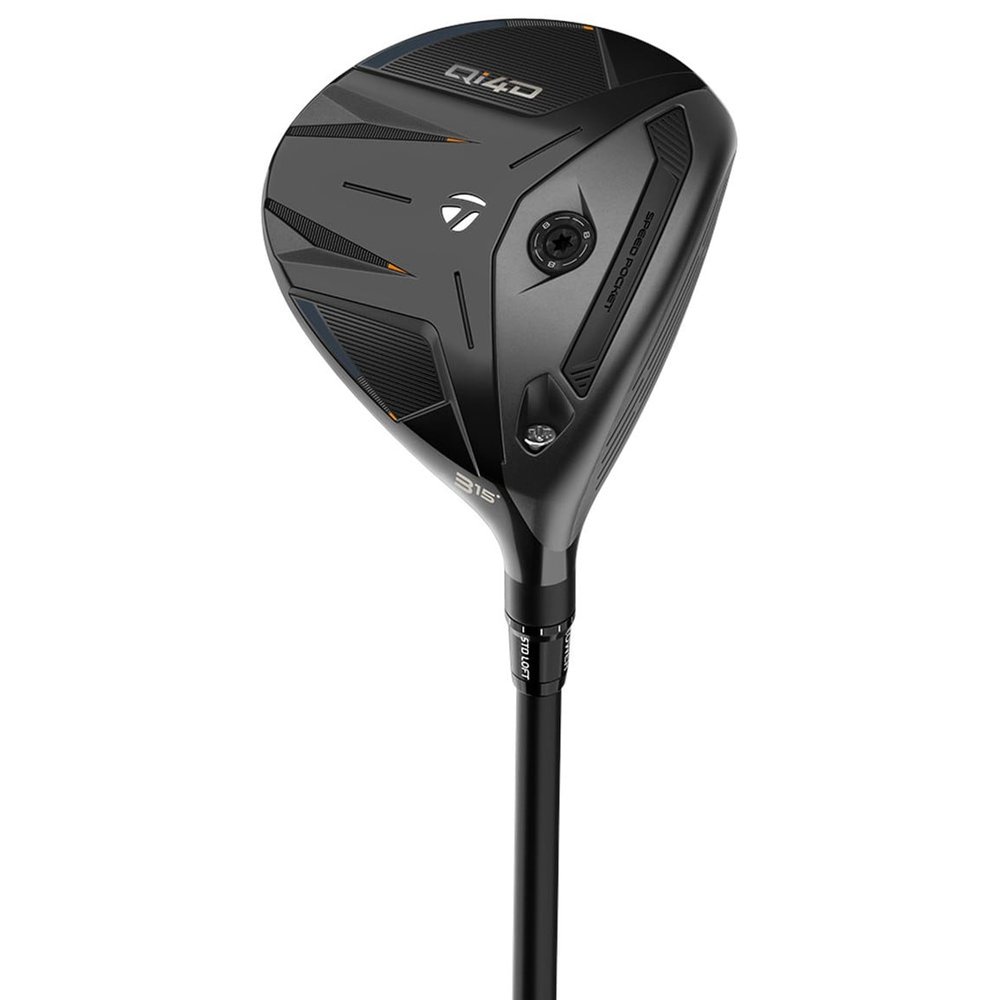
TaylorMade Qi4D Fairway Wood
Callaway
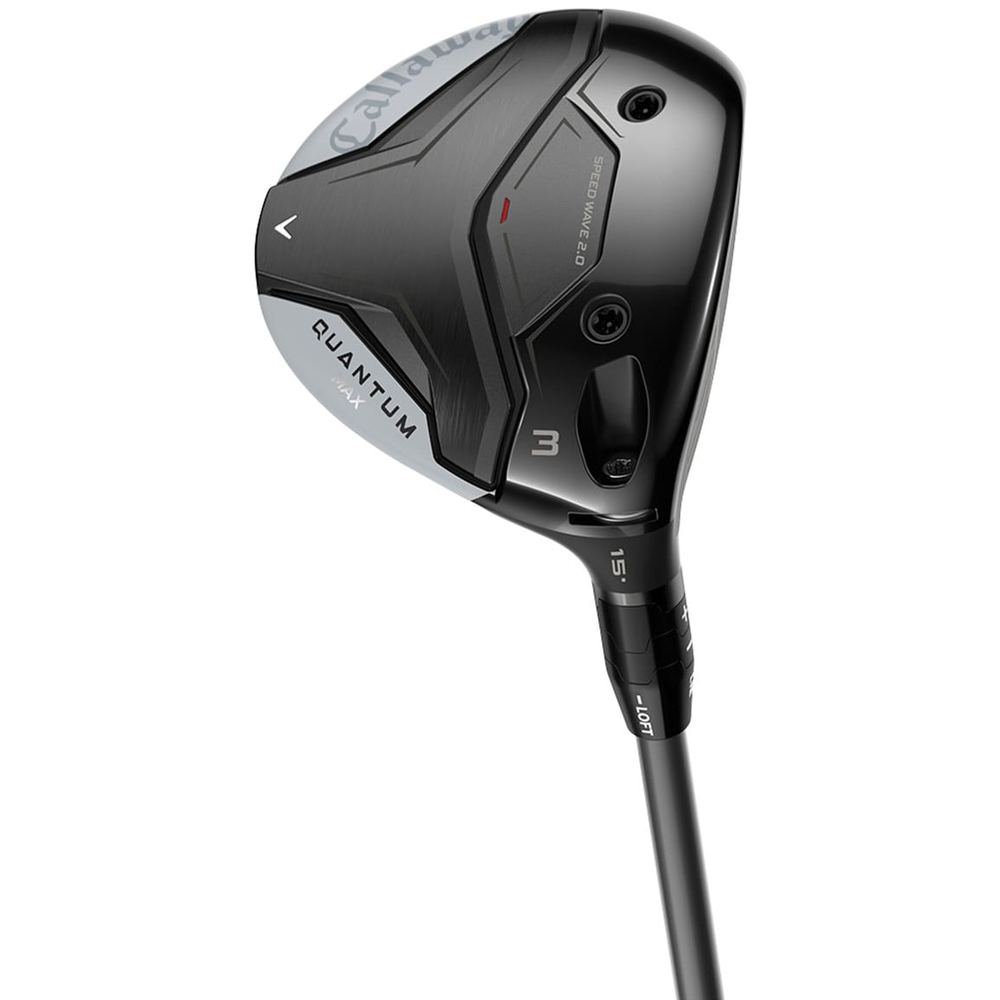
Callaway Quantum Max Fairway Wood
Ping
PING Hoofer 14 Stand Bag
Golf Pride
Golf Pride Tour Velvet Grips
Callaway
Callaway Elyte Ti Fairway Wood
FootJoy
FootJoy StaSof Golf Glove
Golf Pride