
Titleist · Drivers Review
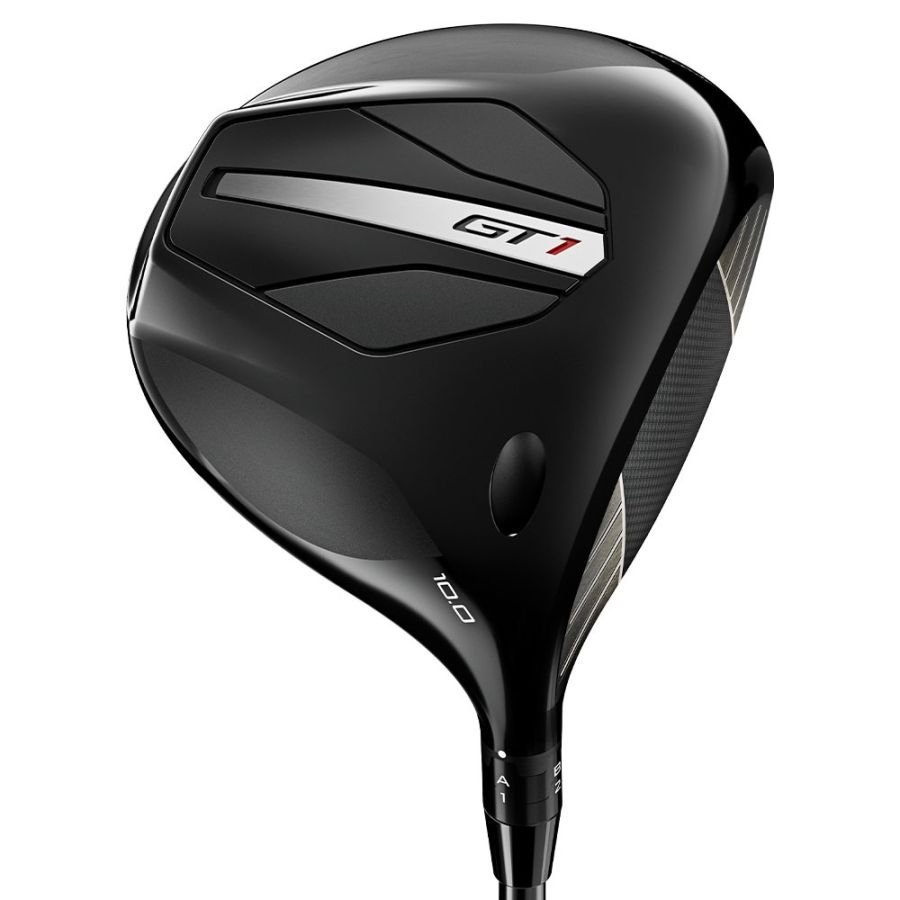
Titleist GT1 Driver Review
Ultra-light speed and launch for moderate swings
Very Good
Tour Issue Score 8.6 · Ranked #48 of 65 in Drivers
Best for: Slow-to-moderate swing speed golfers who need clubhead speed, high launch and carry distance
The Bottom Line
Ultra-light speed and launch for moderate swings. The Titleist GT1 Driver scores 8.6 out of 10 in our research-based review, a very good mark that puts it at #48 of 65 Drivers in our rankings. Its strongest fit: Slow-to-moderate swing speed golfers who need clubhead speed, high launch and carry distance.
Full Review
The Short Version
The Titleist GT1, added to the GT family in January 2025 as the successor to the TSR1 concept, is an ultra-lightweight driver engineered for slow-to-moderate swing speeds. A Seamless Thermoform Crown made from Titleist's Proprietary Matrix Polymer, lightweight 35- and 40-gram-class shafts, a lightweight grip, and the deepest center of gravity in the GT line all serve one goal: more clubhead speed and higher launch for players who do not generate either naturally. It is a specialized tool, and within its brief it is one of the best executed in golf.
Performance
For its target player, performance means carry, and the GT1 is built around carry distance. Removing weight from the crown and components lets moderate swingers swing the club faster, while Split Mass Construction pushes the saved mass deep in the head, producing the high-launch, mid-spin flight that maximizes carry when ball speed is limited. Aerodynamic refinements, a shallower face depth and more curved crown and sole shaping versus the TSR1, further reduce drag through the swing. The titanium Speed Ring stabilizes the face perimeter for maximum center-strike speed, and Variable Face Thickness preserves that speed on the off-center hits common at every level. Independent 2025 driver testing placed the GT1's launch and peak height in the top half of the full field while its carry sat just below the overall test average against mostly standard-weight rivals, a strong result for a lightweight specialist.
Forgiveness
The deep, low CG gives the GT1 genuine stability, and its high MOI character shows up in a tight left-right dispersion in independent testing, one of the narrower figures in its test class. The VFT face is the other forgiveness engine, holding ball speed on heel and toe contact so mishits carry closer to solid strikes. The interchangeable back weight (9 grams nominal, with options from -6 to +6 grams) lets a fitter tune headweight and swingweight to the individual, which matters enormously in a lightweight build: too light feels uncontrollable to some, and the weight options are how Titleist answers that.
Feel and Sound
Titleist's central engineering claim for the Proprietary Matrix Polymer crown is that it preserves the classic Titleist sound and feel despite replacing titanium, and reviewers generally agree the GT1 sounds like a Titleist, with a solid, muted impact tone rather than a composite ping. The look at address is clean and confidence-inspiring, with the seamless crown wrap eliminating any visible joint line. The overall swing feel is distinctly light, which is the point, though smoother-tempo players adapt faster than aggressive transition players.
Value
Value is the GT1's hardest argument. At $649 it carries full GT flagship pricing, matching the GT2, GT3 and GT4, for a deliberately narrower audience. The defense is that no engineering was cut: the crown material, face technology and fitting options are the family's best, applied to a player segment most brands serve with de-contented models. Golfers in the target window who gain real clubhead speed will find the yards cheap at the price. Golfers outside that window, anyone above roughly 95 mph who launches it fine already, will find better value almost anywhere else, including in Titleist's own GT2.
Who Should Buy It
Buy the GT1 if your driver swing speed sits in the 75-95 mph range, your current driver flies too low, and you lose shots to insufficient carry rather than wild dispersion. Seniors, developing players, and smooth-tempo golfers are the natural audience, and the standard-build option extends it to moderate swingers who want launch help without the full lightweight package. Faster, aggressive players should not force it: the light build will feel vague and the flight will balloon.
Verdict
The GT1 is the most thoughtfully engineered lightweight driver in the 2025 market, real GT technology, the deepest CG in the family, and a fitting system that respects its audience. It scores lower here only because its brief is narrow and its price is not. If you are the golfer it was built for, it may be the single most valuable club change available to you this season. This is a research-based review synthesized from published reviews, independent test data, and manufacturer specifications; no personal testing was conducted.
What We Like
- Ultra-lightweight total build helps moderate swingers add clubhead speed
- Deepest CG in the GT family for effortless high launch and stability
- Seamless Thermoform Crown from Proprietary Matrix Polymer saves significant crown weight
- Speed Ring VFT face preserves ball speed on off-center strikes
- Also available in a standard build for launch help without the lightweight package
What to Consider
- Flagship $649 pricing for a niche, moderate-speed-specific design
- Lightweight build can feel unstable for stronger or aggressive-transition players
- Maximum benefit requires the full lightweight system, standard build dilutes the concept
- Mid spin and high launch will balloon for faster swingers
Specifications
| Adjustability | SureFit hosel plus interchangeable back weight (9g nominal, +6 to -6 options) |
|---|---|
| Head Size | 460cc |
| Key Tech | Seamless Thermoform Crown (Proprietary Matrix Polymer), Split Mass Construction, Speed Ring VFT face, deepest CG in GT family |
| Lofts | 9°, 10°, 12° (RH and LH) |
| Stock Shafts | Fujikura Air Speeder Next Gen 35/40, Project X Denali Red 50, Mitsubishi Tensei 1K Blue |
Score Breakdown
Scores are research-based, drawn from manufacturer specs, tour adoption, and published independent test data. How we score
More Drivers Reviews
All Drivers →
Callaway
Callaway Quantum Max Driver
Callaway
Callaway Quantum Triple Diamond Max Driver
PING
PING G440 K Driver
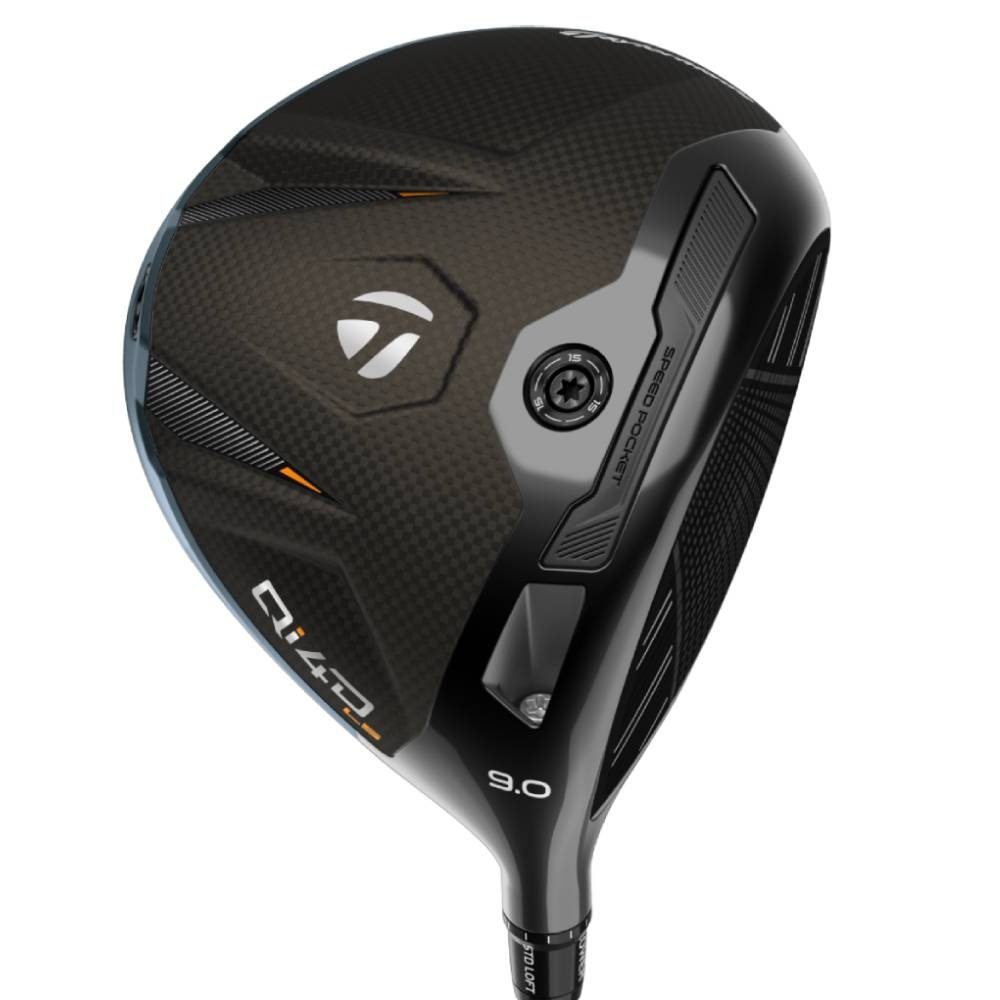
TaylorMade
TaylorMade Qi4D LS Driver
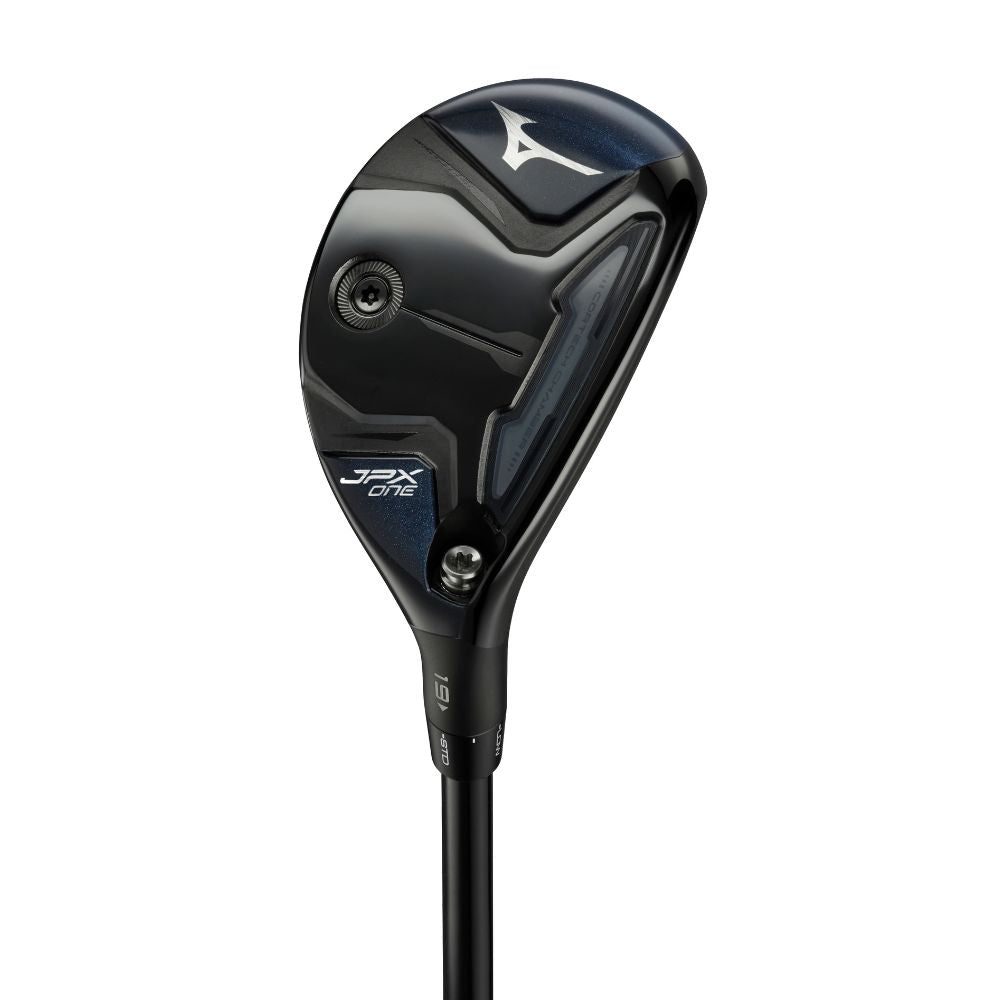
Mizuno
Mizuno JPX ONE Hybrid
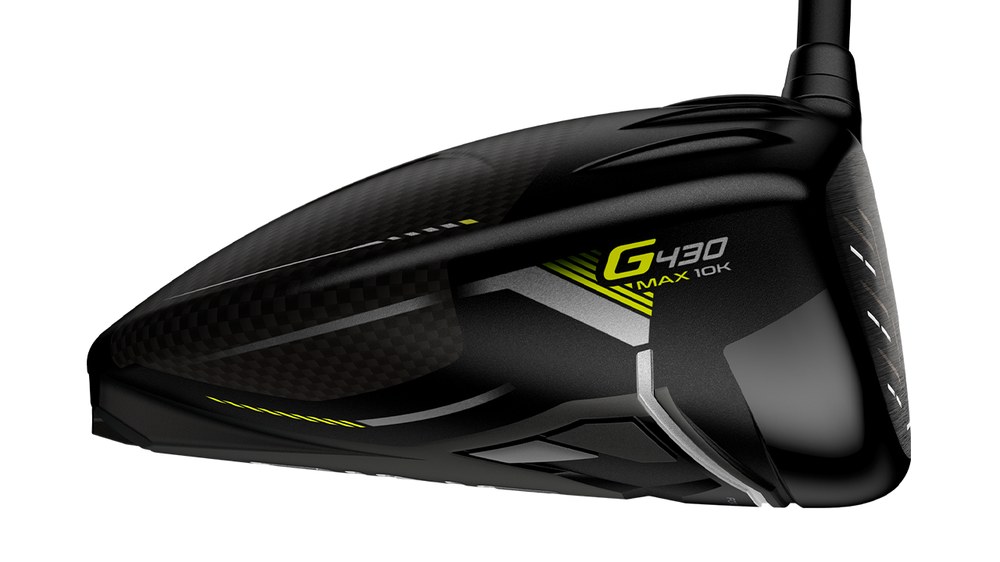
PING
PING G430 MAX 10K Driver
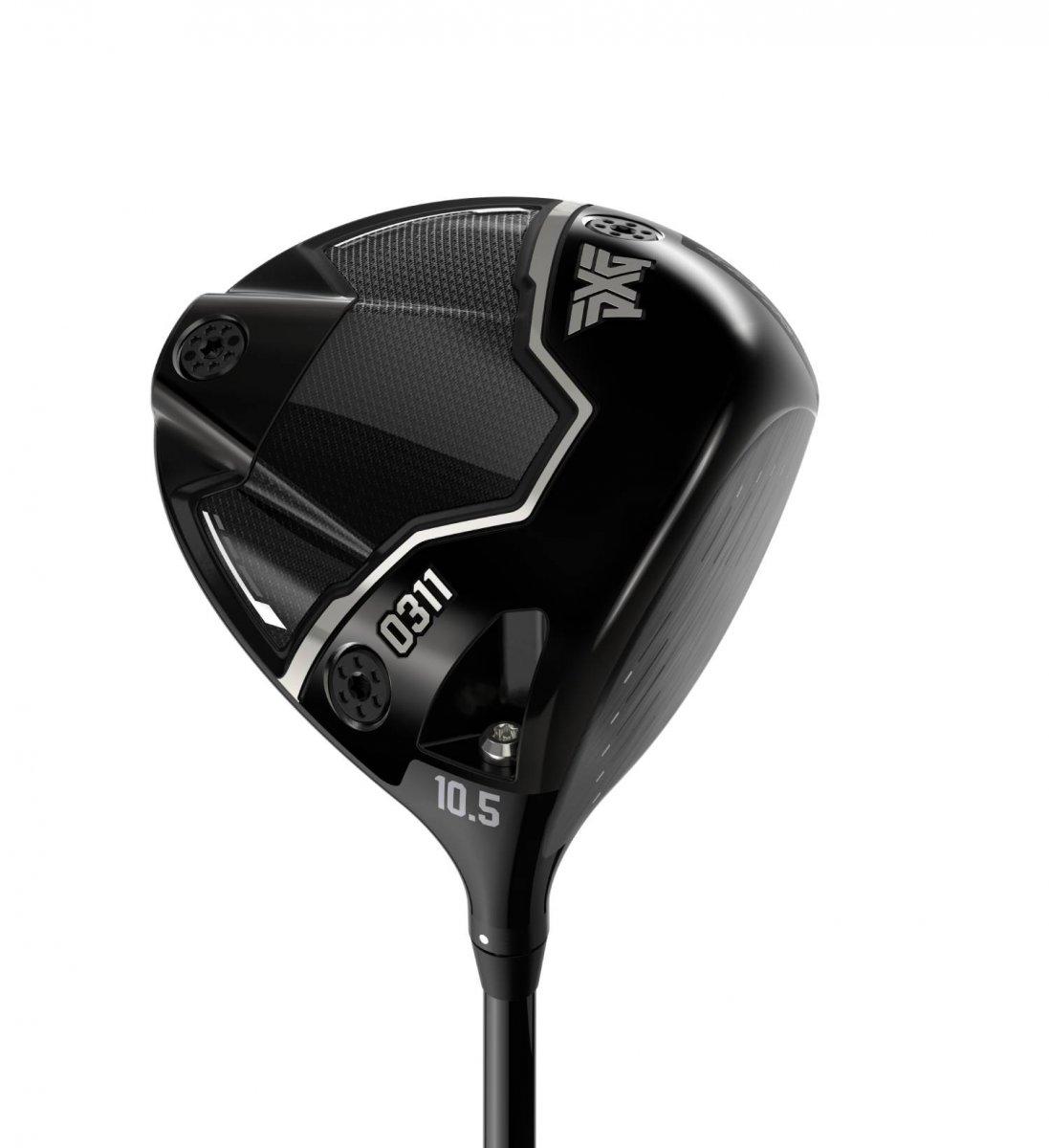
PXG
PXG 0311 Black Ops Driver
TaylorMade