
Srixon · Drivers Review
Srixon ZXi LS Driver Review
Low spin with fairway-finding consistency
Excellent
Tour Issue Score 8.8 · Ranked #34 of 65 in Drivers
Best for: Skilled, faster swingers who want low spin with more fairway-finding consistency than typical LS heads
The Bottom Line
Low spin with fairway-finding consistency. The Srixon ZXi LS Driver scores 8.8 out of 10 in our research-based review, a excellent mark that puts it at #34 of 65 Drivers in our rankings. Its strongest fit: Skilled, faster swingers who want low spin with more fairway-finding consistency than typical LS heads.
Full Review
The Short Version
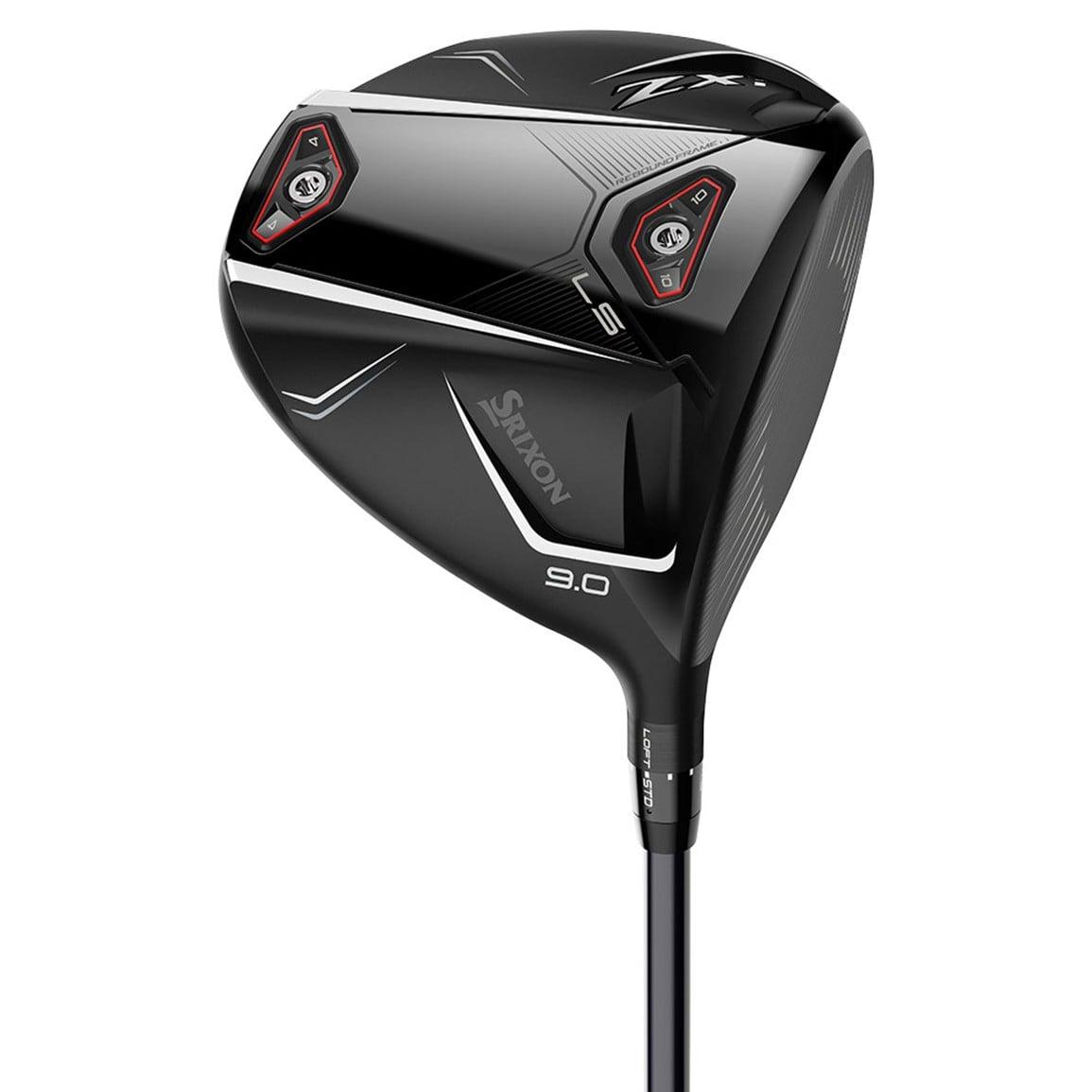
The Srixon ZXi LS is the low-spin member of the ZXi family, and its distinguishing trait is restraint: instead of chasing the absolute lowest spin number, Srixon built an all-titanium, fade-biased LS head that reviewers consistently describe as easier to keep in play than its category rivals. An i-Flex face with laser milling, the dual-flex-zone Rebound Frame, a lightweight titanium Star Frame Crown, and interchangeable front and rear sole weights give better players the spin control they want with a wider usable audience than most LS badges allow.
Performance
The ZXi LS generates its distance through efficient energy transfer. The i-Flex face uses a refined variable-thickness pattern to widen the high-speed area, while the Rebound Frame stacks two flex zones, the face and a ring inside the head, so more of the head's structure contributes to ball speed. Golf Monthly testing noted a clear jump in ball speed over the previous generation and solid distance gains, with spin dropping meaningfully on good strikes, especially with the heavier weight forward. The flight is mid-launch and penetrating with a fade bias that better players can ride for a controlled cut. Reviewers with fitting access suggested properly optimized setups could trim several hundred more rpm, underlining that the stock configuration leaves fitting headroom deliberately available.
Forgiveness
Forgiveness is where the ZXi LS separates itself from the LS pack. Independent Golf Reviews found virtually identical ball speed and direction across the face over five rounds and a high fairways-hit rate, and Golf Monthly similarly reported off-center strikes performing better than expected for the category. Laser Face Milling stabilizes spin, including in wet conditions, so a slightly thin or high-face strike does not jump or fall out of the sky. It is not a game-improvement driver, and the fade bias will punish a pull, but among low-spin heads it is one of the most even-tempered options tested in 2025.
Feel and Sound
Feel divides opinion along construction lines. The ZXi LS is all titanium at a time when most rivals use carbon crowns, and reviewers praise a solid, premium strike feel and classy, subtle aesthetics, a matte black finish and a classic shape that sits beautifully at address. The trade is acoustic: titanium rings louder and sharper than carbon, and multiple reviews flag the sound as the driver's most polarizing trait. Carbon devotees will notice it on the first swing; traditionalists will call it honest feedback and move on.
Value
At $549.99, the ZXi LS undercuts the TaylorMade Qi35 LS and Titleist's low-spin offerings by roughly $100 while matching them on adjustability, two sole weights plus a 1.5-degree hosel sleeve for loft, lie and face angle, and on premium stock components, headlined by the Project X HZRDUS Black Gen 5 shaft. Srixon has a long pattern of delivering tour-validated performance without the largest brands' price premium, and the ZXi LS continues it. For a skilled player cross-shopping LS heads, it is arguably the value pick of the category.
Who Should Buy It
Buy the ZXi LS if you are a faster swinger, roughly 100 mph and up, who needs spin managed rather than annihilated, values a classic look, and wants an LS driver that still helps on your B-swing days. It fits players who favor a fade and who play in wind, where its penetrating flight and spin stability shine. Golfers chasing the absolute lowest spin, draw-biased help, or a muted carbon sound should look at the Qi35 LS, a Max head, or Srixon's own standard ZXi respectively.
Verdict
The ZXi LS is the thinking player's low-spin driver: fast, consistent across the face, handsome in a traditional way, and priced $100 under its headline rivals. Its louder titanium voice and moderate spin floor are real but narrow compromises. For skilled golfers who score by fairways found rather than one hero drive, it deserves a place on the LS shortlist. This is a research-based review synthesized from published reviews, independent test data, and manufacturer specifications; no personal testing was conducted.
What We Like
- i-Flex face and Rebound Frame deliver strong, consistent ball speed across the face
- More forgiving than most low-spin heads, reviewers found fairways at a high rate
- Front/rear interchangeable sole weights tune spin without a full rebuild
- Classic matte-black, tour-preferred looks with laser face milling
- $549.99 undercuts the $649 low-spin flagships from TaylorMade and Titleist
What to Consider
- All-titanium construction is louder at impact than carbon-crown rivals
- Fade bias and low-spin design still demand a reasonably consistent strike
- Left-handed availability limited to the 9-degree head
- Spin reduction is moderate, the lowest-spin seekers may want more
Specifications
| Adjustability | Two interchangeable sole weights (front/rear) and 1.5-degree hosel sleeve |
|---|---|
| Head Size | 460cc |
| Key Tech | i-Flex face with Laser Face Milling, Rebound Frame dual flex zones, Star Frame Crown, all-titanium construction |
| Lofts | 8°, 9°, 10.5° (LH 9° only) |
| Stock Shafts | Project X HZRDUS Black Gen 5 60/70 |
Score Breakdown
Scores are research-based, drawn from manufacturer specs, tour adoption, and published independent test data. How we score
More Drivers Reviews
All Drivers →
Callaway
Callaway Quantum Max Driver
Callaway
Callaway Quantum Triple Diamond Max Driver
PING
PING G440 K Driver
TaylorMade
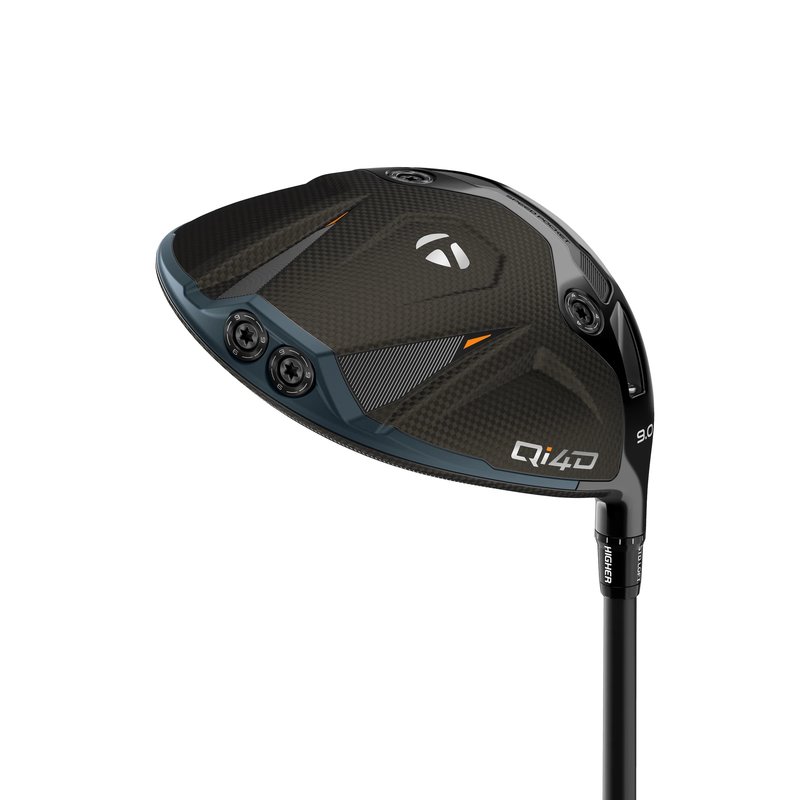
TaylorMade Qi4D LS Driver
Mizuno
Mizuno JPX ONE Hybrid
PING
PING G430 MAX 10K Driver
PXG
PXG 0311 Black Ops Driver
TaylorMade