
PING · Wedges Review
PING ChipR Wedge Review
A putter stroke chipper with 9 iron loft that removes the chunk and the blade
Very Good
Tour Issue Score 8.4 · Ranked #22 of 24 in Wedges
Best for: Golfers who chunk or blade wedge chips and want a putter stroke solution for shots inside 40 yards
The Bottom Line
A putter stroke chipper with 9 iron loft that removes the chunk and the blade. The PING ChipR Wedge scores 8.4 out of 10 in our research-based review, a very good mark that puts it at #22 of 24 Wedges in our rankings. Its strongest fit: Golfers who chunk or blade wedge chips and want a putter stroke solution for shots inside 40 yards.
Full Review
The Short Version
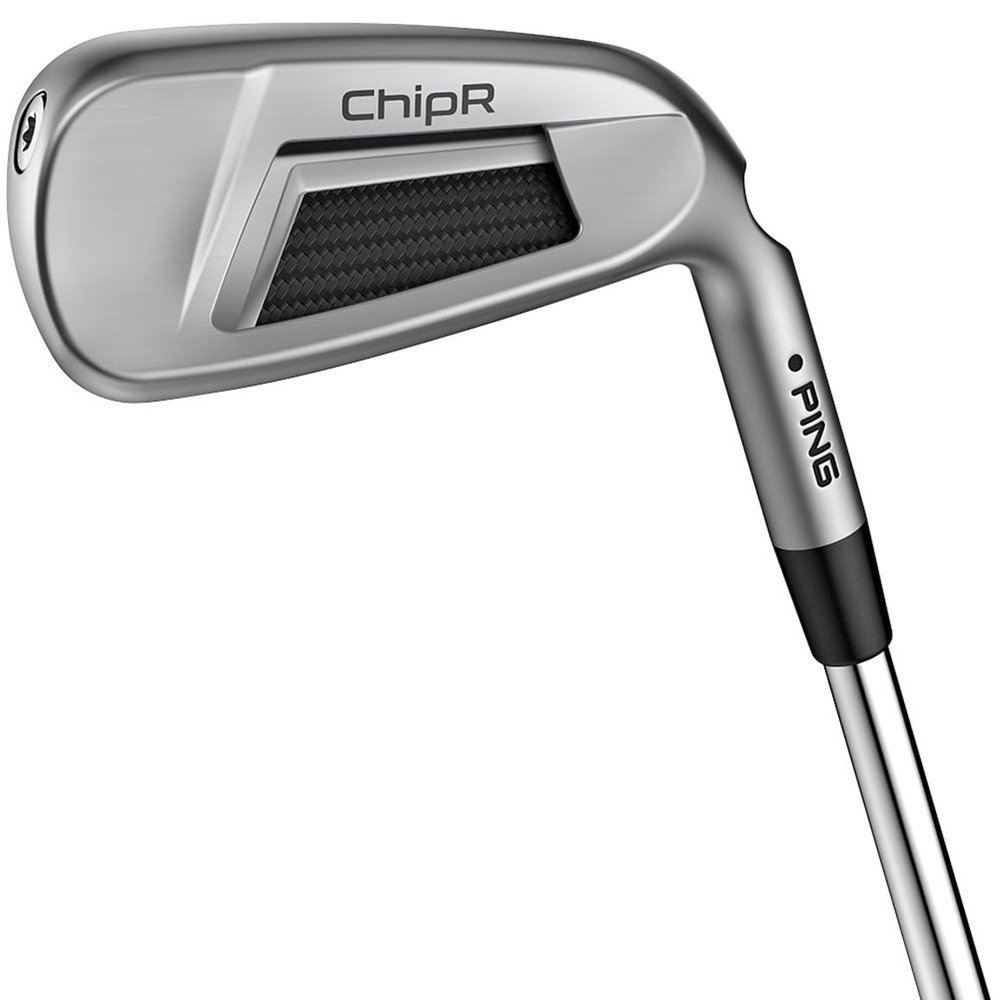
The PING ChipR is a fully engineered chipper that combines elements of a putter and a wedge for golfers who lack confidence with a traditional wedge around the greens. It carries 38.5 degrees of loft, roughly a 9 iron, at putter length, 35 inches, with an upright 70 degree lie that invites a simple putting stroke instead of a wristy chipping action. PING's research suggests about a third of golfers would score better with a club like this in the bag, and published testing agrees: the ChipR earned a Golf Monthly Editor's Choice award, and multiple testers ranked it the best chipper they had tried.
Performance
The ChipR is designed for shots within 40 yards of the green from the fringe, rough, or fairway, and its performance window is exactly that. Played with a putting stroke, the ball pops up over the fringe and rolls out like a putt, so distance control becomes a matter of stroke length rather than strike quality. Today's Golfer tested it over four rounds against a gap wedge from the same lies and recorded average proximity improving from 15 feet with the wedge to 11 feet with the ChipR, noting that even fat and thin strikes still finished on the green. Out of Bounds Golf testing put all 20 balls on the green from 20 to 30 yards in repeated sessions. Golf Monthly found it outstanding from the fringe and effective on the awkward 40 yard chip. Spin is modest by design, this is a bump and run club, and the MicroMax grooves keep rollout predictable.
Forgiveness
Forgiveness here means eliminating the two misses that ruin chips: the chunk and the blade. The cambered sole glides through fringe, rough, and tight lies instead of digging, which removes the fat shot. The compact head is investment cast from 431 stainless steel with perimeter weighting for a high moment of inertia, so heel and toe contact keeps its line and pace. The shallow face height and heavy E6 swingweight give the head stability through the stroke, and reviewers note that balls do not get away from you the way they can with cheaper chippers.
Feel and Sound
Feel is putter like in the best sense. The head weight, around 325 grams, is close to a putter or lob wedge, and Golf Monthly singled out that heft as the most noticeable aspect of the club, producing a hugely satisfying strike once the putting stroke method is adopted. The Hydropearl chrome finish keeps glare down, and the club looks like a premium PING iron at address rather than a novelty chipper. Setup matters: testers who used a wristy chipping stroke de-lofted the club and got low runners, while the putting stroke unlocked the designed loft.
Value
At $179, the ChipR is the premium option in the chipper category, and budget chippers cost far less. The value argument is strokes, not hardware. If chipping anxiety costs two or three shots a round, a club that turns greenside misses into routine two putts pays for itself quickly, and the build quality, milled grooves, custom loft options plus or minus 2 degrees, and PING's color code lie fitting, is a clear step above no name alternatives. The honest cost is the bag slot: the ChipR does one job, and confident chippers gain nothing from it.
Who Should Buy It
Buy the ChipR if you dread greenside shots, or if your wedge chips alternate between chunks and blades. It is rules conforming, with a single striking face and a round grip, so it can be played in competition and for handicap. Skip it if your short game is already a strength, or if you cannot spare the bag slot.
Verdict
The ChipR is the rare specialty club that published testing genuinely endorses: it narrows the scoring window around the green by removing the worst misses, with premium PING engineering rather than gimmicks. For the third of golfers PING built it for, it may be the most score effective $179 in the bag. This is a research-based review: we analyzed specs, manufacturer data, and published independent test data; no personal testing was conducted.
What We Like
- Putting stroke design removes the chunk and blade misses: Today's Golfer testing put every ChipR shot on the green over four rounds
- Proximity improved from a 15 foot gap wedge average to 11 feet in Today's Golfer testing, with bad shots that still found the green
- 38.5 degrees of loft, putter length and an upright 70 degree lie make the setup almost impossible to get wrong
- Cambered sole glides from fringe, rough, and tight lies, and MicroMax grooves add control on chips of every length
- Golf Monthly Editor's Choice winner that looks like a premium PING iron, not a gimmick chipper
What to Consider
- Single purpose club that takes a full bag slot to cover one shot type inside 40 yards
- Premium price for a specialty club, budget chippers cost a fraction as much
- Not a wedge replacement: it will not play bunker shots, flop shots, or high soft pitches
Specifications
| Construction | Investment cast 431 stainless steel, Hydropearl chrome finish, perimeter weighting |
|---|---|
| Grip | PING Dyla grip, longer length with hand placement marks for choking down |
| Key Tech | Cambered sole, precision milled MicroMax grooves, compact head with shallow face height |
| Loft and Lie | 38.5 degree loft, 70 degree lie, 8 degree effective bounce, 0.10 in offset; custom lofts plus or minus 2 degrees |
| Shaft and Length | 35 in putter length; PING Z-Z115 steel wedge shaft, 111g (PING Alta CB graphite option); E6 swingweight |
Score Breakdown
Scores are research-based, drawn from manufacturer specs, tour adoption, and published independent test data. How we score
More Wedges Reviews
All Wedges →
Mizuno
Mizuno Pro T-1 Wedges
Titleist
Titleist Vokey SM10 Wedges

Titleist
Titleist Vokey SM11 Wedges
Callaway
Callaway Jaws Raw Wedges
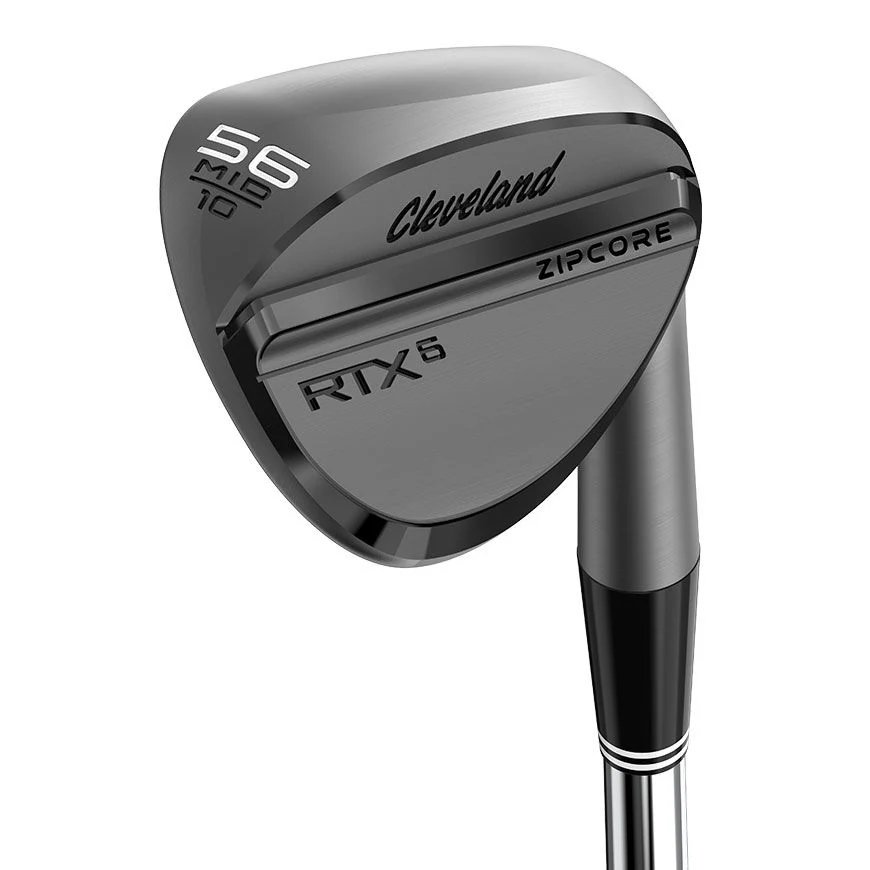
Cleveland
Cleveland RTX 6 ZipCore Wedges
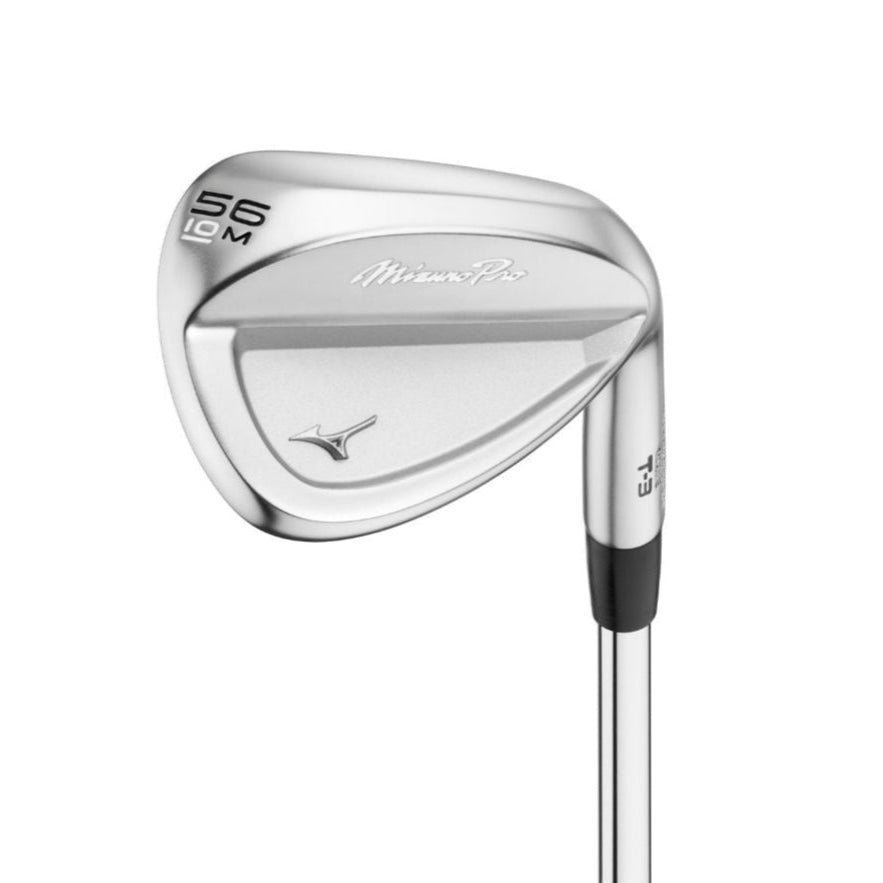
Mizuno
Mizuno Pro T-3 Wedges
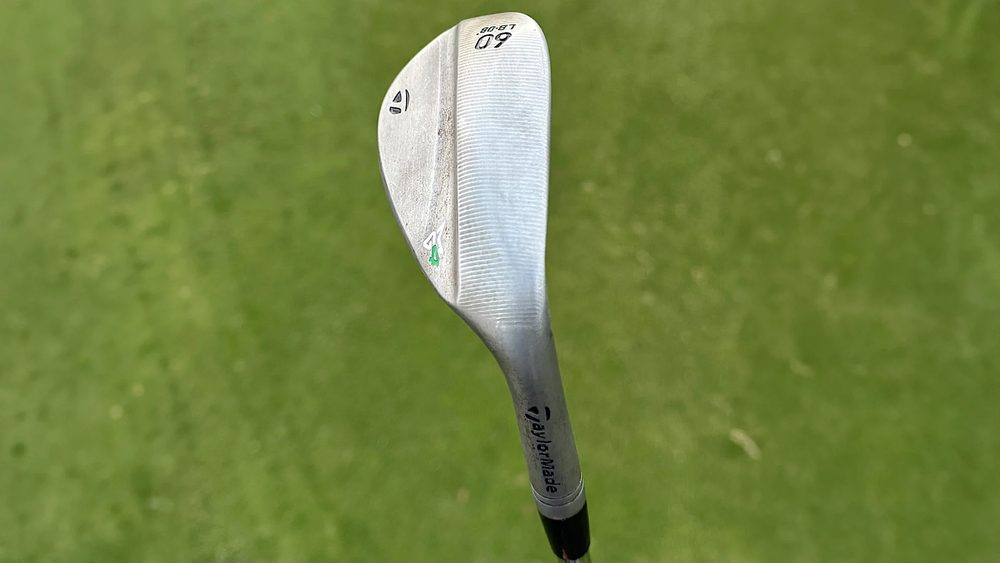
TaylorMade
TaylorMade Milled Grind 4 Wedges

Callaway