
Cleveland Golf · Wedges Review
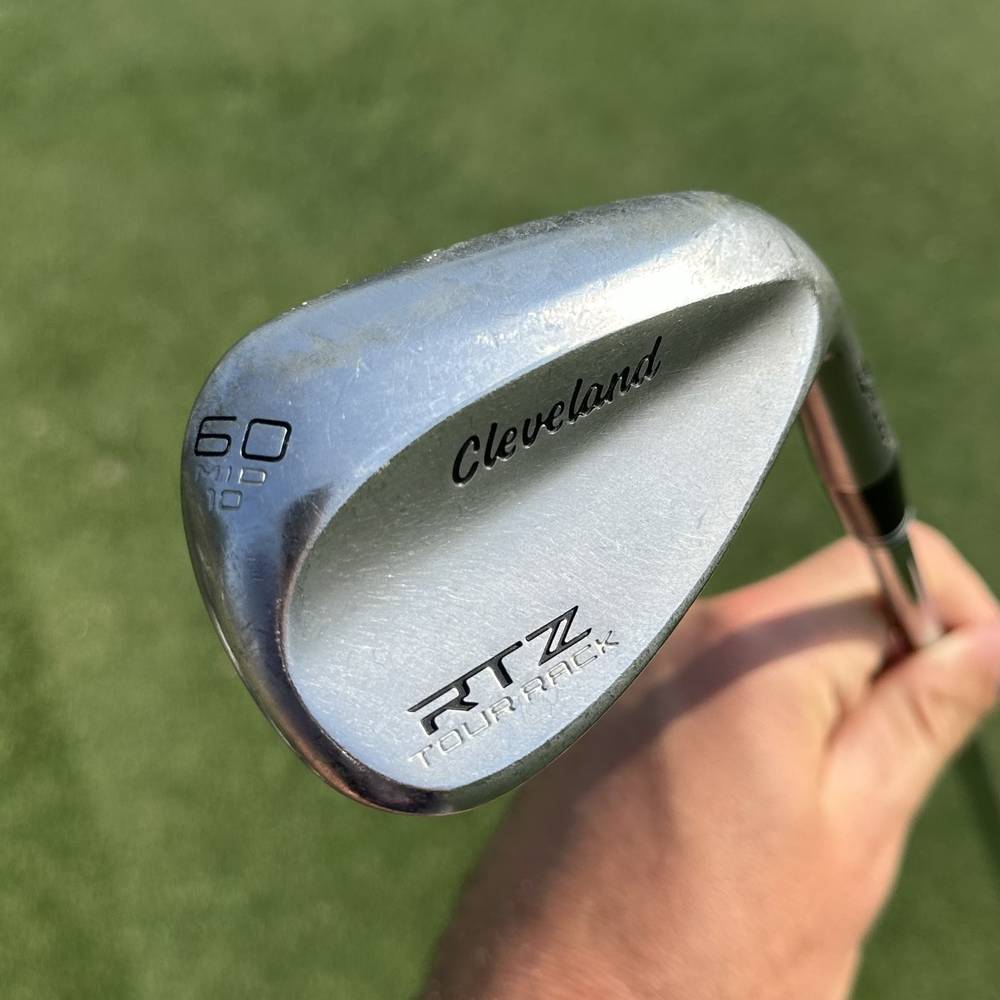
Cleveland RTZ Wedges Review
Z-Alloy feel with spin that holds up when it gets wet.
Excellent
Tour Issue Score 8.9 · Ranked #9 of 24 in Wedges
Best for: Mid-to-low handicappers and improving players who want a tour-shaped blade wedge with modern spin technology and grind options matched to their turf and swing.
The Bottom Line
Z-Alloy feel with spin that holds up when it gets wet.. The Cleveland RTZ Wedges scores 8.9 out of 10 in our research-based review, a excellent mark that puts it at #9 of 24 Wedges in our rankings. Its strongest fit: Mid-to-low handicappers and improving players who want a tour-shaped blade wedge with modern spin technology and grind options matched to their turf and swing..
Full Review
The Short Version
The Cleveland RTZ is the wedge that replaced a material the industry had used for three decades. Instead of conventional 8620 carbon steel, Cleveland developed a proprietary Z-Alloy it says is softer, more durable and more consistent, then combined it with ZipCore weighting, loft-specific HydraZip face treatment and sharper UltiZip grooves. The result, in published testing, is a traditional tour-shaped blade wedge whose standout trait is spin that refuses to disappear when conditions get wet, a genuine short-game advantage rather than a spec-sheet claim.
Performance
Performance starts with spin consistency. HydraZip combines face blasting with laser-milled lines, configured differently for lower and higher lofts so that gap wedges do not over-spin and lob wedges do not under-spin. UltiZip grooves use sharper edges and deeper channels intended to cut through grass and debris and clear the contact zone. MyGolfSpy's 2025 wedge testing put the most striking number on it: from 50 yards the RTZ retained essentially all of its dry spin in wet testing, in its data it actually spun slightly more wet than dry, while several well-known rivals retained only about four-fifths of their dry spin. That does not make it the outright winner of every wedge test; the same testing scored its accuracy a step behind the very best. But for golfers who play early-morning dew, damp rough and wet bunkers, spin you can predict is performance you can use, because the ball checks when the shot assumes it will.
Forgiveness
Forgiveness in a blade wedge is relative, and the RTZ uses ZipCore to earn more of it than the shape suggests. A low-density material in the hosel area replaces heavy steel, freeing mass so the center of gravity can sit closer to the actual strike location rather than toward the heel, which is the traditional wedge flaw. Published reviews describe more consistent carry and flight on the slight toe and heel misses that dominate amateur wedge play, instead of the weak, floaty shot a heel-biased blade can produce. The grind menu is the other forgiveness tool: Full sole bounce protects steep swingers and soft turf, Mid is the versatile default, Low suits firm conditions and shallow delivery, and the ADAPT grind pairs a high-toe, full-face groove profile with heel, toe and trailing-edge relief for open-face shots. Choose the grind for your conditions and the wedge gets noticeably harder to mis-hit.
Feel and Sound
Feel is the headline benefit Cleveland claims for Z-Alloy, and reviewers generally back it up. The alloy is formulated to be roughly ten percent softer than the 8620 steel used in most tour wedges, and impact is described as a soft, low-pitched tock with clear feedback, firm enough to tell a centered strike from a thin one, damped enough not to sting. ZipCore contributes to that sensation by stabilizing the head. Z-Alloy is also engineered to resist the rusting that raw carbon-steel wedges develop, so the feel and the face texture are intended to stay closer to new for longer; the Tour Rack raw finish is the exception for players who specifically want a raw, custom-ground head. Sound stays traditional and quiet, in keeping with the classic shaping.
Value
At $169.99 for Tour Satin and Black Satin models and $189 for the Tour Rack raw option at launch, the RTZ priced right alongside the other premium tour wedges rather than undercutting them, so the value case is technology per dollar, not a discount. For that money you get a genuinely new head material, loft-tuned face milling, four grinds, lofts from 46 to 64 degrees, a True Temper Dynamic Gold Spinner Tour Issue stock shaft and a Golf Pride Tour Velvet grip. Golf Digest awarded it Hot List Gold. Golfers who replace wedges frequently for fresh grooves should note that holding spin longer in poor conditions, and resisting face degradation, stretches the useful competitive life of each head.
Who Should Buy It
Buy the RTZ if your wedge game lives on spin control, checking approaches, wet-weather rounds, and greenside shots that need to stop, and you strike it well enough to use a blade profile. The Mid grind in a 54 or 56 is the safe starting point for most, with Full for soft conditions or a steep attack and Low or ADAPT for firm turf and open-face creativity. Beginners and high handicappers who chunk or thin wedges regularly will score better with a cavity-back wedge such as Cleveland's own CBZ line until contact improves. Get the loft gapping checked against your iron set before ordering; four-to-six-degree gaps are the usual target.
Verdict
The RTZ is a substantive wedge, not a cosmetic refresh: a new alloy, a repositioned center of gravity and face technology that independent testing showed doing something rivals did not, keeping its spin when the face got wet. Accuracy in large-field testing sat a notch below the absolute best, which keeps it from a perfect score, but for spin consistency, feel and grind choice it belongs on any serious wedge shortlist. This is a research-based review synthesized from published reviews, independent test data, and manufacturer specifications; no personal testing was conducted.
What We Like
- New Z-Alloy steel is about 10 percent softer than traditional 8620 steel for a softer feel, with rust-resistant durability
- MyGolfSpy wet testing found exceptional spin retention, spin held in wet conditions from 50 yards while several rivals lost 15-20 percent
- HydraZip face blasting and laser lines are tuned by loft group to balance spin across the set, especially in wet conditions
- UltiZip grooves are sharper with deeper channels to clear grass, sand and water for more consistent contact
- ZipCore low-density core shifts the center of gravity toward the strike zone for better distance and flight consistency
- Four sole grinds (Low, Mid, Full, ADAPT with full-face grooves) across 46 to 64 degrees in Tour Satin, Black Satin and Tour Rack raw finishes
What to Consider
- Blade profile demands decent strike quality; golfers who need maximum help should look at Cleveland's cavity-back CBZ instead
- Four grinds and a wide loft range make self-fitting easy to get wrong without guidance
- Black Satin finish shows wear faster than Tour Satin with heavy bunker use
- Left-handed availability is more limited across lofts and grinds
- Tour Rack raw version costs more at $189 and is a custom-oriented option
Specifications
| Material | Proprietary Z-Alloy steel, about 10 percent softer than 8620 steel; rust-resistant in satin finishes |
|---|---|
| Lofts / Grinds | 46 to 64 degrees; Low, Mid, Full and ADAPT (full-face) sole grinds |
| Finishes | Tour Satin and Black Satin ($169.99); Tour Rack raw ($189 at launch) |
| Shaft / Grip | True Temper Dynamic Gold Spinner Tour Issue wedge shaft; Golf Pride Tour Velvet grip |
| Key Tech | ZipCore low-density core, HydraZip loft-specific face blasting and laser lines, UltiZip grooves |
Score Breakdown
Scores are research-based, drawn from manufacturer specs, tour adoption, and published independent test data. How we score
More Wedges Reviews
All Wedges →
Mizuno
Mizuno Pro T-1 Wedges
Titleist
Titleist Vokey SM10 Wedges

Titleist
Titleist Vokey SM11 Wedges
Callaway
Callaway Jaws Raw Wedges
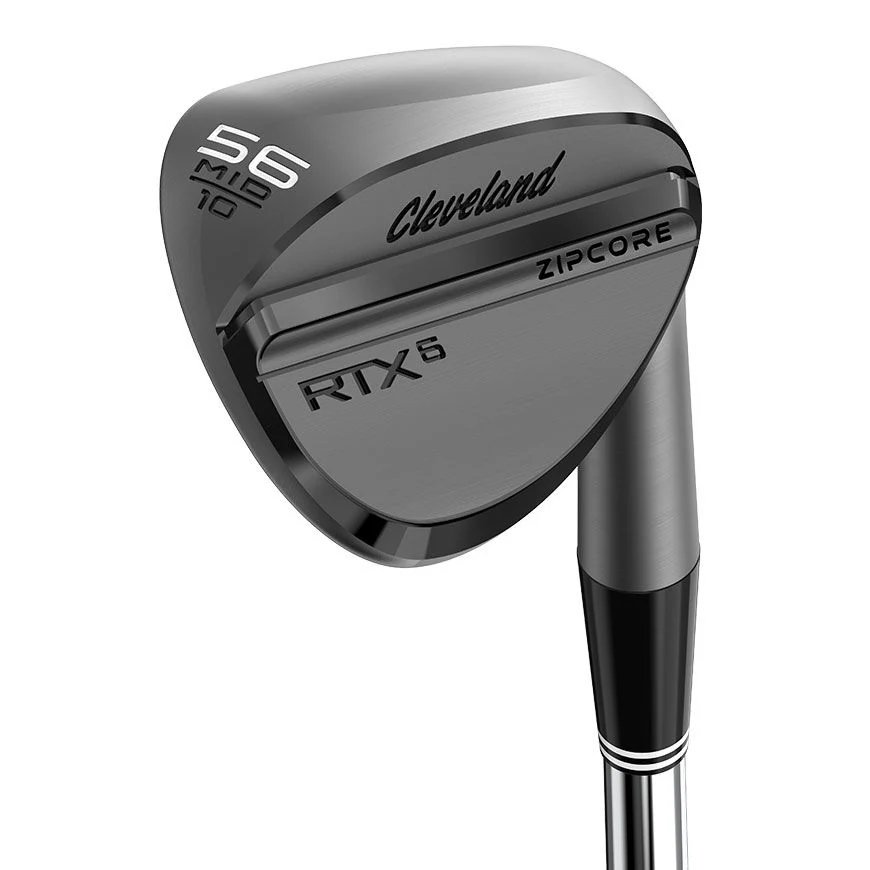
Cleveland
Cleveland RTX 6 ZipCore Wedges
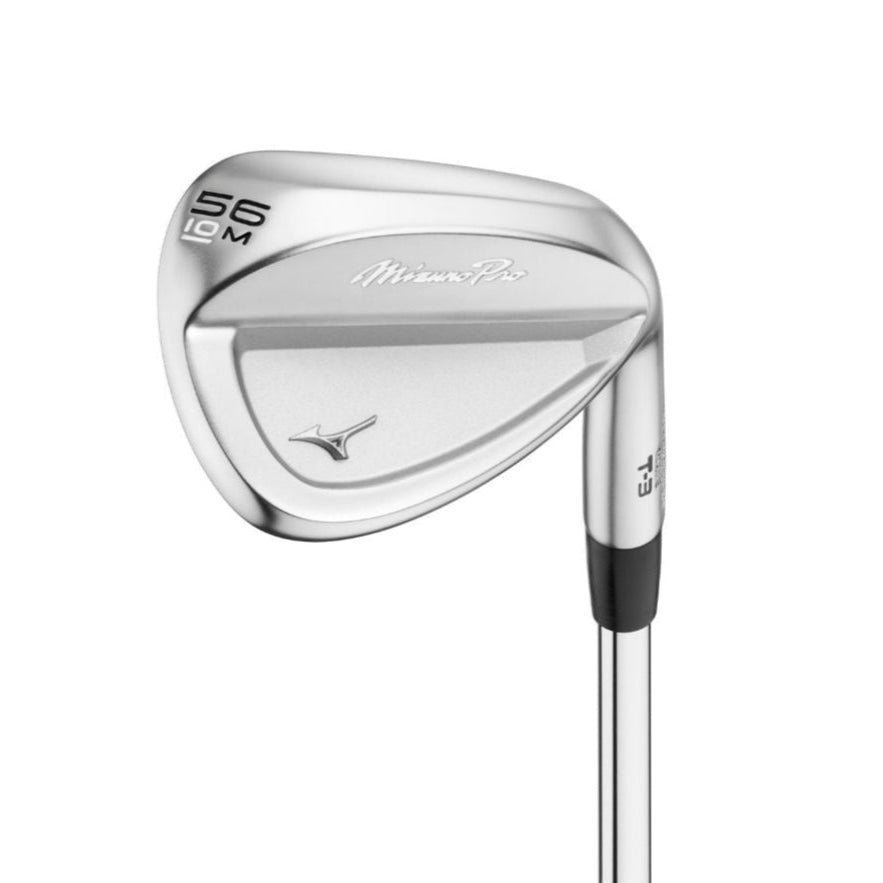
Mizuno
Mizuno Pro T-3 Wedges
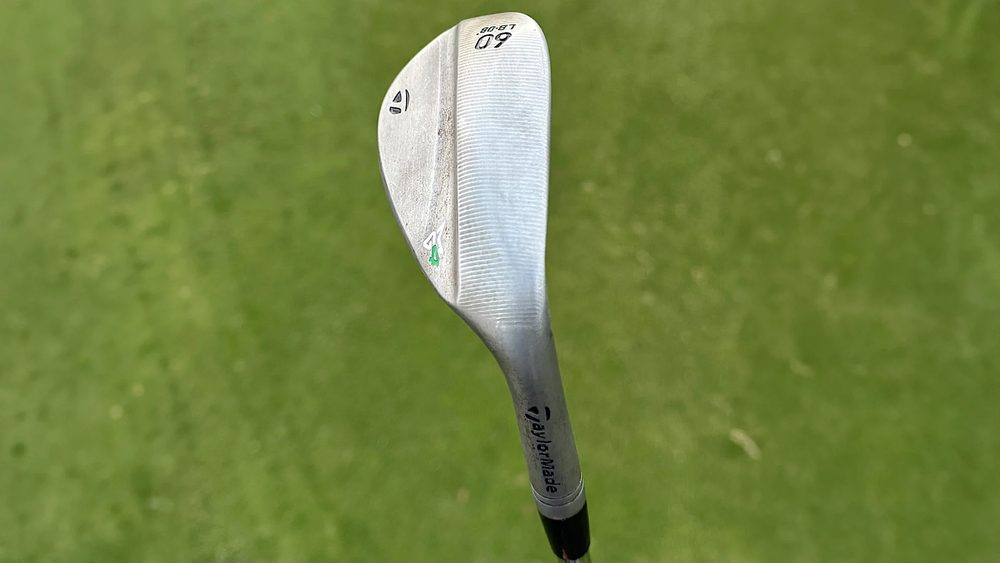
TaylorMade
TaylorMade Milled Grind 4 Wedges

Callaway