
Callaway · Drivers Review
Callaway Quantum Triple Diamond Driver Review
The longest driver in 2026 testing, a compact, low-spin tour head
Excellent
Tour Issue Score 9.1 · Ranked #11 of 65 in Drivers
Best for: Skilled, faster-swinging golfers, broadly single figures and below, who want the lowest spin, a penetrating flight and tour-style workability
The Bottom Line
The longest driver in 2026 testing, a compact, low-spin tour head. The Callaway Quantum Triple Diamond Driver scores 9.1 out of 10 in our research-based review, a excellent mark that puts it at #11 of 65 Drivers in our rankings. Its strongest fit: Skilled, faster-swinging golfers, broadly single figures and below, who want the lowest spin, a penetrating flight and tour-style workability.
Full Review
The Short Version
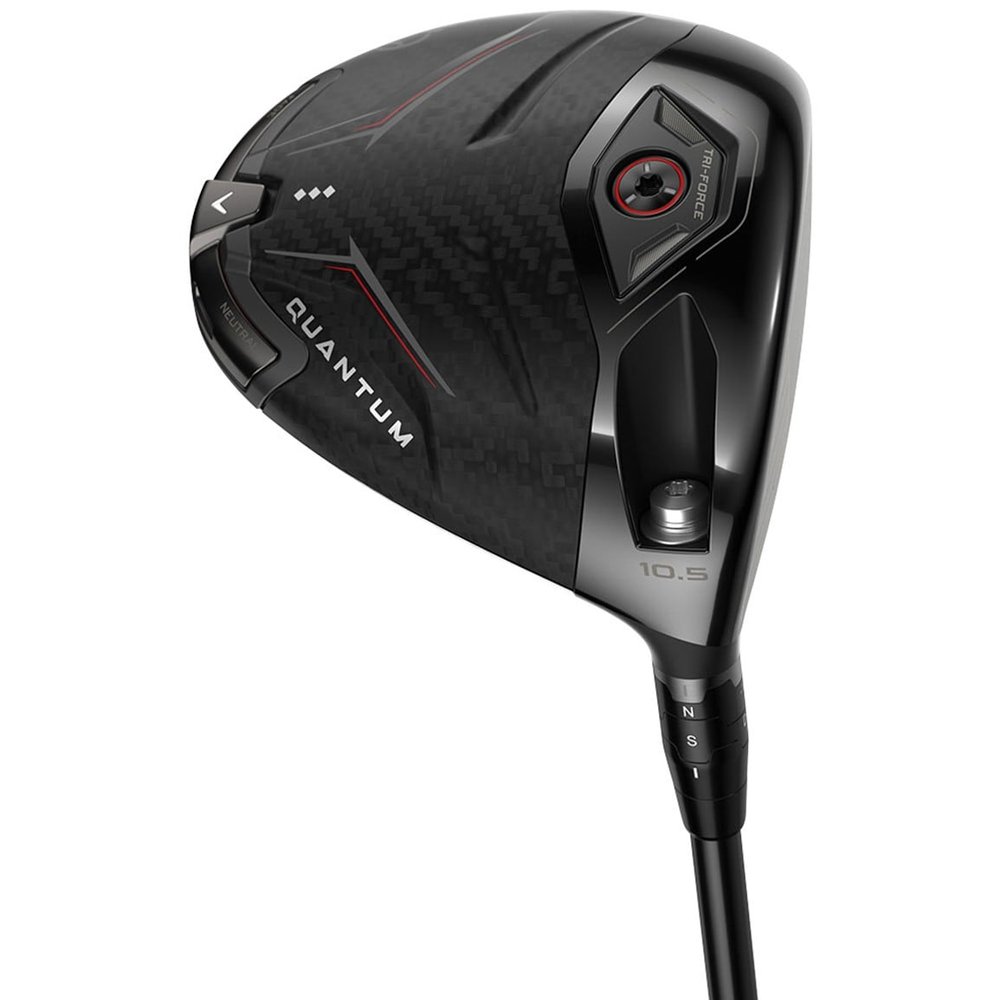
The Quantum Triple Diamond is the player's model in Callaway's five-head 2026 Quantum family: a compact 450cc head with a deeper face, fade-ready weighting and the lowest spin in the range, built around the same Tri-Force Face as the Quantum Max but tuned for workability over help. The independent headline is hard to ignore, in Today's Golfer's full 2026 driver test it was the longest driver of the year, averaging 286.3 yards of carry. It is a specialist tool, and it knows it.
Performance
Speed is the whole brief. The Tri-Force Face bonds ultra-thin high-strength titanium, a Poly Mesh layer and a carbon fiber rear panel into one structure, and Callaway's next-generation Ai face mapping models how the three materials flex together rather than treating the face as a single material. Published testing backs the concept: Today's Golfer called it the fastest Callaway driver it had tested, noted smash factors staying firmly in the 1.4s even on poor strikes, and recorded the longest average carry in its 2026 test. Spin averaged around 1,968 to 1,992 rpm in testing cited across review roundups, genuinely low, which produces the flat, penetrating flight fast swingers want and explains the distance: at speed, that spin window is where carry is maximized. A heavy weight sits fixed up front, while the refined 10-gram rear APW weight switches between neutral and fade settings; it changes direction, not launch or spin.
Forgiveness
Forgiveness is the deliberate trade. This is a step down from the Triple Diamond Max and the Quantum Max, and it gives the clearest feedback on mishits of any Quantum model. That said, it is not the punishment head its predecessors could be: the 360-degree Carbon Chassis, Callaway's lightest and strongest to date, frees mass for stability, reviewers reported ball speed holding up 2-4 mph better on mishits than previous Callaway drivers, and left-right dispersion of 12.3 yards in published testing ranked among the more accurate results in the field, impressive for a distance-first, low-spin design. You still need a reasonably centered strike pattern; you just no longer need a perfect one.
Feel and Sound
The address picture is pure tour: compact, deep-faced and clean, with the heel-side crown logo of earlier generations removed. The Quantum family's gloss-heavy crown looks premium but, as Today's Golfer noted, can catch sunlight, matte-crown loyalists should look before they leap. Impact feedback is the most precise in the Quantum line, a direct consequence of the forward CG: better players get an honest read on strike location, which is exactly what this head is for.
Value
At $699.99 the Triple Diamond carries a $50 premium over the Quantum Max and Max D, in line with Golfweek's launch pricing for the family, and it is the most expensive mainstream driver shape in this comparison set. The value case rests on measured output: the longest carry in a major 2026 test at a price only modestly above the standard flagship tier. Golfers who will not use the low-spin window, however, are paying extra for a head that will actively hinder them, the Max delivers more for less money for most swings.
Who Should Buy It
Low handicappers and fast swingers who fight spin, flight the ball down on demand, and prefer a fade-biased, workable head. Players who need low spin with more margin should choose the Triple Diamond Max; players who need launch and forgiveness should choose the Quantum Max; chronic slicers need the Max D's draw help, which this head does not offer.
Verdict
The Quantum Triple Diamond is the speed specialist of the 2026 driver class: the longest carry in Today's Golfer's test, genuinely low spin, and dispersion tight enough to trust. It asks for speed and a centered strike and gives back the most penetrating flight Callaway makes. Fitted to the right player, it is elite. This is a research-based review synthesized from published reviews, independent test data, and manufacturer specifications; no personal testing was conducted.
What We Like
- Longest driver in Today's Golfer's full 2026 driver test, averaging 286.3 yards of carry
- Tri-Force Face layers ultra-thin titanium, Poly Mesh and carbon fiber for speed that published testing found held up unusually well on mishits
- Compact 450cc tour shape with a deeper face, fade-ready weighting and a penetrating, low-spin flight (around 1,968-1,992 rpm in testing)
- Refined 10g Adjustable Perimeter Weighting with neutral and fade settings, plus the OptiFit hosel, covers shot-shape and loft tuning
- 360-degree Carbon Chassis, Callaway's lightest, strongest chassis yet, frees weight for precise CG placement and tighter dispersion
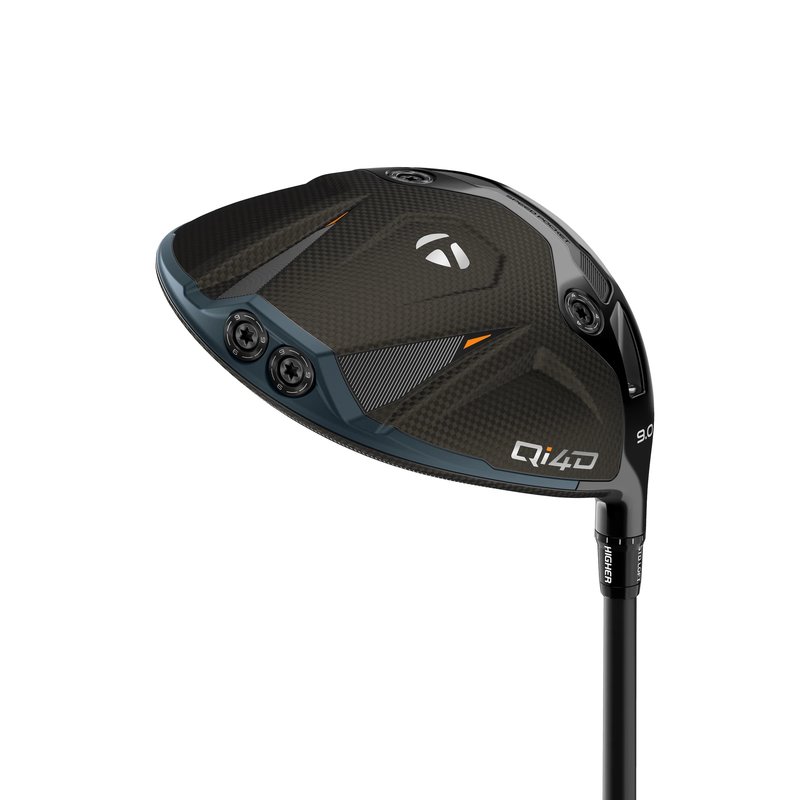
- Dispersion of 12.3 yards left-right in published testing is tight for a low-spin head, and Golf Monthly recorded a higher smash factor than the TaylorMade Qi4D
What to Consider
- Most expensive Quantum at $699.99, and the compact 450cc head is the least forgiving in the family by design
- Very low spin (around 1,970-1,990 rpm in published testing) will cost carry for players who do not generate enough launch and speed
- Gloss-heavy crown can catch glare in bright sun, per Today's Golfer
- Fade-biased APW settings help one miss only, there is no draw setting for golfers who fight a slice
Specifications
| Key Tech | Tri-Force Face (ultra-thin titanium + Poly Mesh + carbon fiber); next-generation Ai-optimized face; 360-degree Carbon Chassis; 10g Adjustable Perimeter Weighting (neutral/fade); OptiFit hosel; 450cc head |
|---|---|
| Lofts | 8.0 (RH only), 9.0 and 10.5 degrees (RH/LH); 45.75 inches, 57-degree lie |
| Shaft Options | Fujikura Ventus Black 60 and 70 (S/X); True Temper Denali Frost Silver 50 (S); Golf Pride Tour Velvet 360 grip |
Score Breakdown
Scores are research-based, drawn from manufacturer specs, tour adoption, and published independent test data. How we score
More Drivers Reviews
All Drivers →
Callaway
Callaway Quantum Max Driver
Callaway
Callaway Quantum Triple Diamond Max Driver
PING
PING G440 K Driver
TaylorMade
TaylorMade Qi4D LS Driver
Mizuno
Mizuno JPX ONE Hybrid
PING
PING G430 MAX 10K Driver
PXG
PXG 0311 Black Ops Driver
TaylorMade