
Callaway · Drivers Review
Callaway Quantum Max D Driver Review
The most forgiving Quantum: maximum MOI and a real draw bias for slice fighters
Excellent
Tour Issue Score 9.1 · Ranked #10 of 65 in Drivers
Best for: Golfers who fight a slice and want maximum forgiveness, high launch and built-in draw bias
The Bottom Line
The most forgiving Quantum: maximum MOI and a real draw bias for slice fighters. The Callaway Quantum Max D Driver scores 9.1 out of 10 in our research-based review, a excellent mark that puts it at #10 of 65 Drivers in our rankings. Its strongest fit: Golfers who fight a slice and want maximum forgiveness, high launch and built-in draw bias.
Full Review
The Short Version
The Quantum Max D is the slice fighter of Callaway's 2026 Quantum family. It pairs the same Tri-Force Face as the flagship Max with internal heel weighting, a slightly more upright lie and the largest, most confidence-first footprint in the line. Callaway rates it the highest-forgiveness Quantum driver, Today's Golfer named it the Best Driver for Forgiveness in its 2026 Callaway test, and Golf Digest's Hot List calls it the most draw-biased driver option Callaway makes. If your tee ball leaks right, this is the Quantum built for you.
Performance
The speed story starts with the Tri-Force Face, the three-layer construction of ultra-thin titanium, Poly Mesh and carbon fiber that GOLF.com's launch coverage describes as a first for a driver face: titanium handles the compression at the front of the face, carbon fiber handles the tension at the back, and the polymer mesh bonds the two so the titanium can run thinner and faster. Plugged In Golf's launch monitor work found center strikes producing speeds among the best it had measured recently, and GolfMagic's testers recorded some of the best numbers they had seen from a maximum-MOI driver, with a meatier, more powerful impact sensation than Callaway's softer-feeling recent models. Launch is the highest in the Quantum family, which suits the moderate swing speeds this head targets: the ball gets up easily and stays up.
Forgiveness
Forgiveness is the entire brief here, and the evidence lines up. The head is roughly an eighth of an inch longer front to back than the Quantum Max, with a slightly wider face and a deep center of gravity that Golf Digest credits for its stability and easy launch. Plugged In Golf quantified the mishit story neatly: strikes that might lose 4 mph of ball speed with another driver lost only about 2 mph with the Max D. Layered on top is the draw bias itself. Internal heel weighting plus the upright lie help the face close through impact, and Plugged In Golf judged the bias at least moderate, stronger than Callaway's own slight description, while a Golf Digest tester reported that it brought a slice back in and produced a forgiving, medium-high flight down the middle.
Feel and Sound
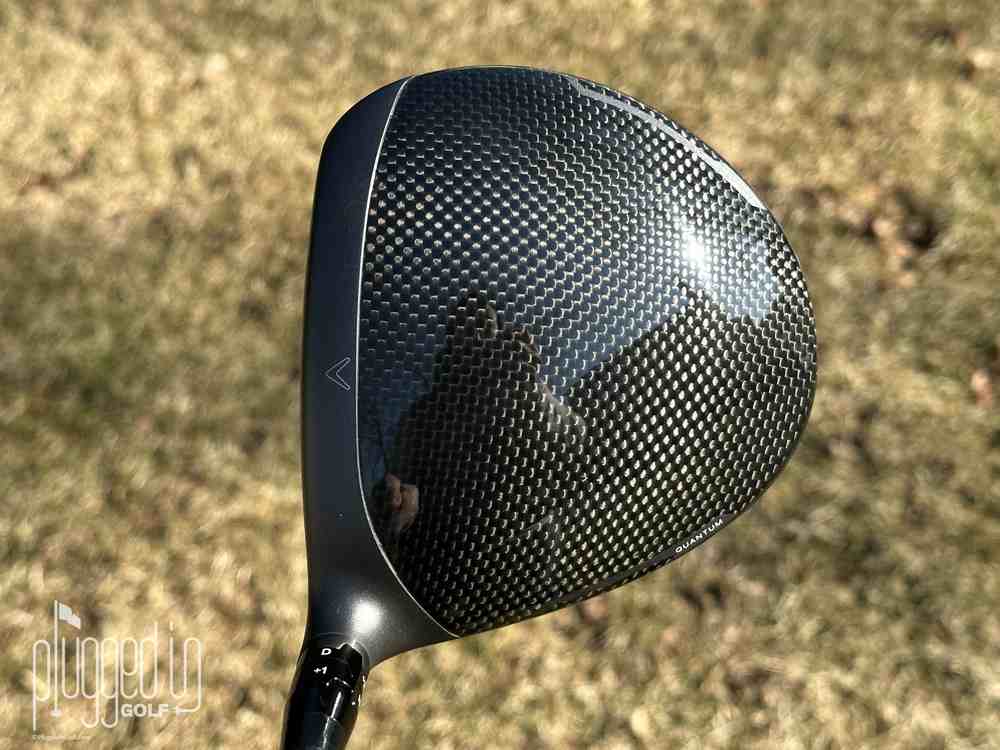
Reviewers describe a feel that is solid but also soft, bouncy and fast, with a muted, low-pitched sound on center strikes that Plugged In Golf called addictive. Two honest caveats from the same testing: the Max D feels a touch less solid than the Triple Diamond heads when hit side by side, and it is a hair louder than its siblings, though still no more than average overall. Feedback is deliberately gentle. Impact location is readable through the hands, but the sound only changes well away from the sweet spot, which is the right trade for the higher-handicap audience this driver serves. The address picture is pure super game improvement: long, full, leaning toward the heel, with a small chevron alignment outline on the gloss carbon crown.
Value
At $649.99 the Max D costs exactly the same as the Quantum Max and $50 less than the Triple Diamond models, so the choice inside the family is purely about fit, not budget. The value case rests on specialization: ultra-high-MOI heads from rival brands often ask draw players to accept a head that resists rotation, while the Max D commits to shot-shape help and speed retention in one package, a combination Today's Golfer praised. The offsetting cost is versatility. There is no movable sole weight, so if your slice gets fixed, the bias stays. Golfers who want an exit ramp should look at the standard Max and its neutral setting.
Who Should Buy It
Buy the Max D if you are a mid to high handicapper whose stock miss is right, who launches the ball too low, or who spreads contact across the face and needs speed to survive out there. It also suits senior and moderate-speed players who want the highest-launching Quantum. Skip it if you already draw the ball, if you fight a hook, or if you want fade adjustability: the Triple Diamond Max, with its neutral and fade weighting, is the other end of this family and the better tool for a left miss.
Verdict
The Max D does exactly one job and does it with the fastest face technology Callaway has ever put in a forgiving head: it turns slices into playable draws without giving back the ball speed that makes the Quantum line special. It is the least versatile Quantum driver and, for the golfer it was built for, the most valuable one. This is a research-based review.
What We Like
- Callaway rates it the highest-forgiveness head in the Quantum family, and Today's Golfer named it its Best Driver for Forgiveness in 2026 testing
- Internal heel weighting and a slightly more upright lie build in a genuine draw bias, the most draw-biased option Callaway offers, per Golf Digest's Hot List
- Tri-Force Face (titanium, Poly Mesh and carbon fiber) keeps ball speed high across the face; Plugged In Golf found mishits losing roughly half the speed of a typical driver
- Largest footprint in the family, about an eighth of an inch longer front to back than the Quantum Max with a slightly wider face, for confidence at address
- Highest launch in the Quantum driver line, which helps moderate swing speeds carry the ball farther
- OptiFit hosel still gives eight loft and lie settings even though the sole weight is fixed
What to Consider
- No adjustable perimeter weighting, so the draw bias is fixed and cannot be dialed back as a swing improves.
- Better players and natural draw players may find the bias too strong; Plugged In Golf's tester had to work hard to hit a straight ball.
- Slightly higher spin and launch profile than the core Max, which costs fast swingers some efficiency.
- Flagship $649.99 pricing for a head with the least adjustability in the Quantum family.
Specifications
| Key Tech | Tri-Force Face (ultra-thin titanium + Poly Mesh + carbon fiber); next-generation Ai-optimized face; internal heel weighting with fixed draw bias and no adjustable perimeter weight; OptiFit hosel with 8 loft/lie settings; 460cc head |
|---|---|
| Lofts | 9.0, 10.5, 12.0 degrees (RH/LH; 12.0 RH only); 45.75 inches, 59-degree lie |
| Shaft Options | True Temper Denali Frost Silver 50 (R/S) and 60 (S/X); Mitsubishi Vanquish 40 (R2); Golf Pride Tour Velvet 360 grip |
Score Breakdown
Scores are research-based, drawn from manufacturer specs, tour adoption, and published independent test data. How we score
More Drivers Reviews
All Drivers →
Callaway
Callaway Quantum Max Driver
Callaway
Callaway Quantum Triple Diamond Max Driver
PING
PING G440 K Driver
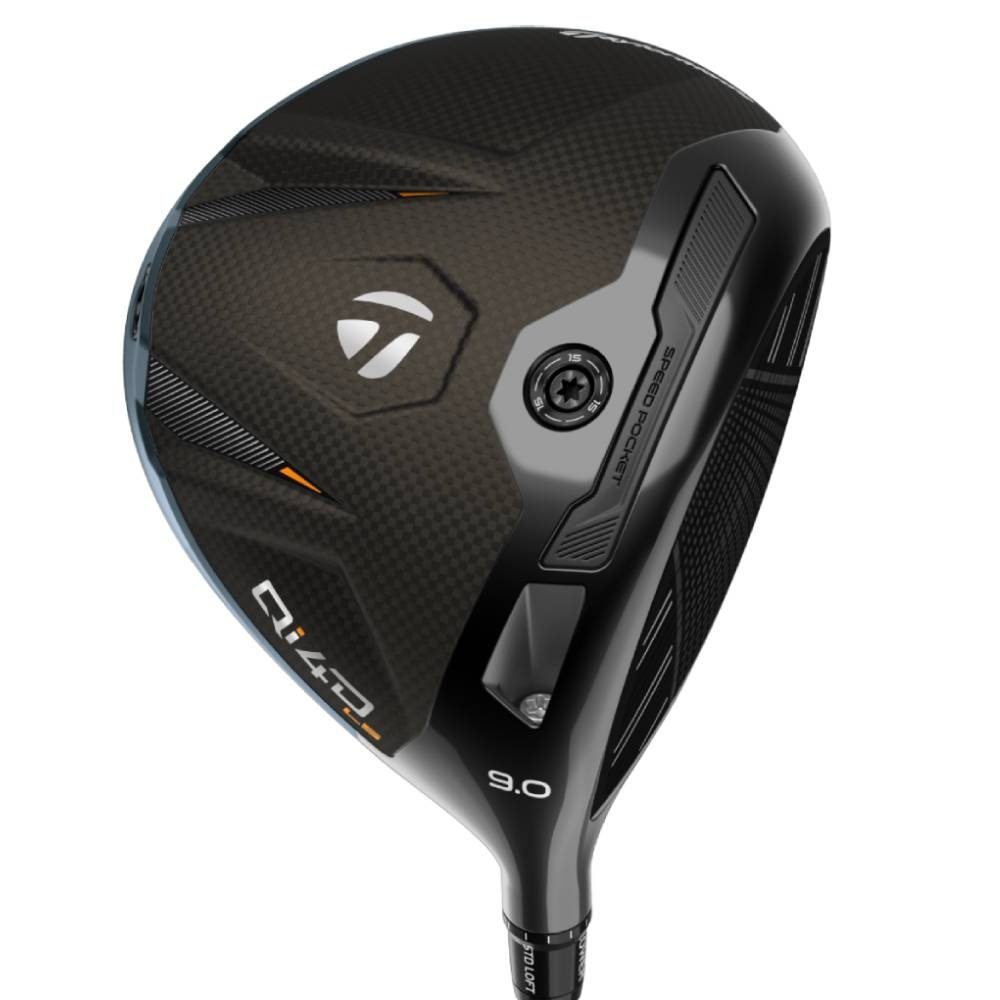
TaylorMade
TaylorMade Qi4D LS Driver
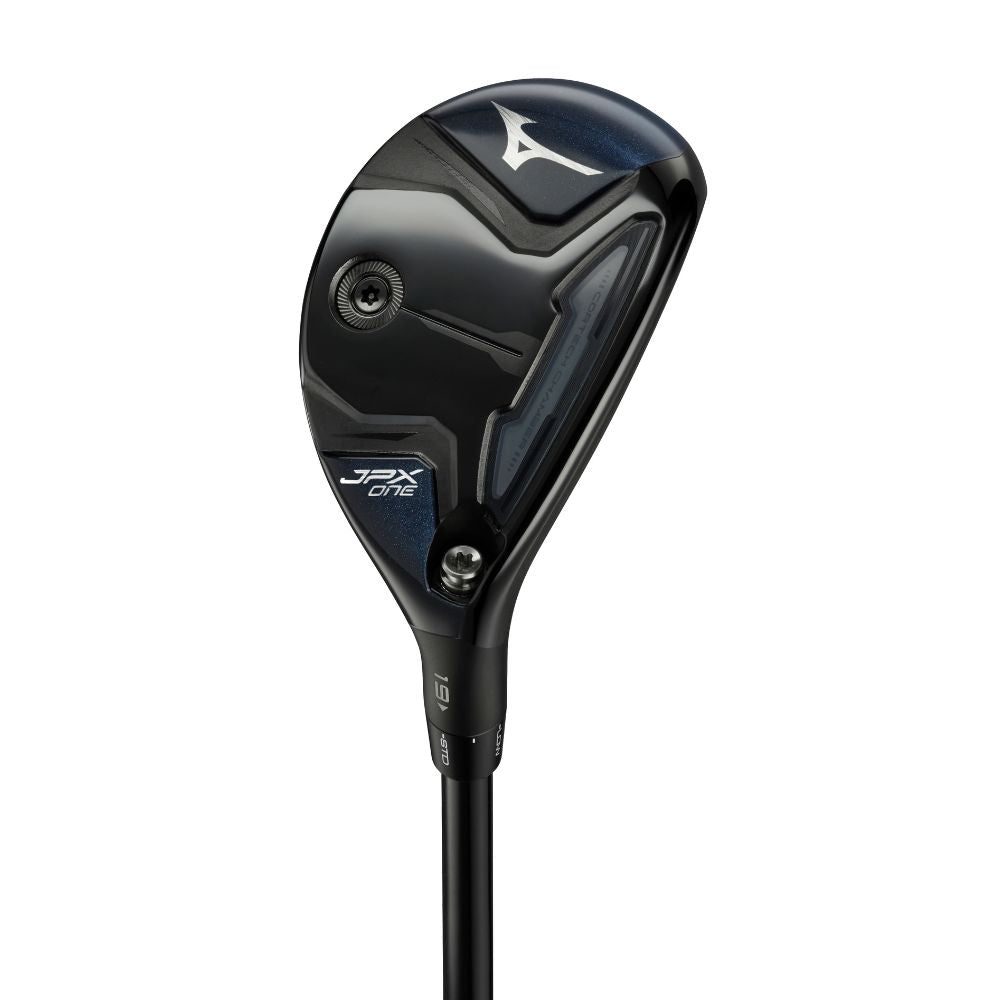
Mizuno
Mizuno JPX ONE Hybrid
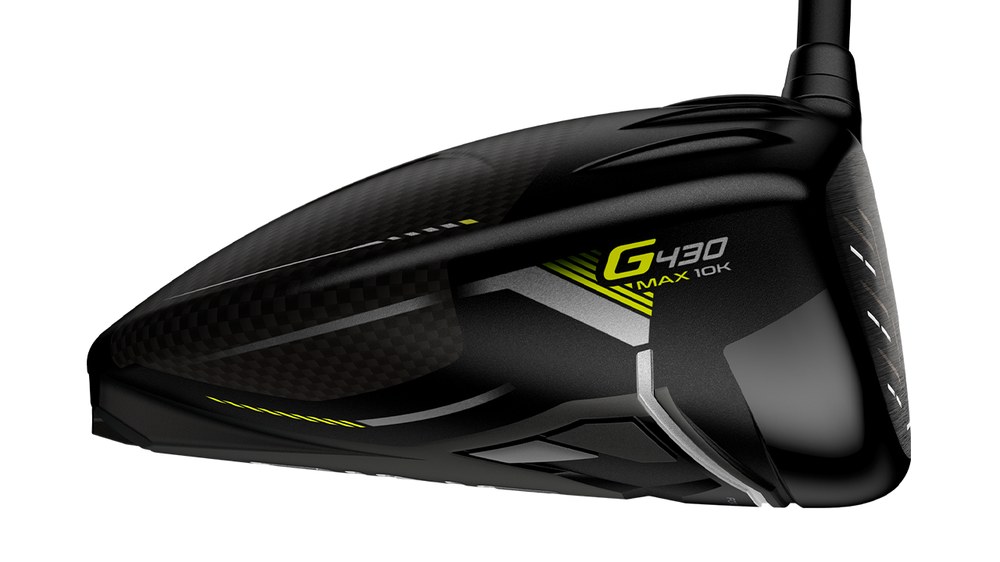
PING
PING G430 MAX 10K Driver
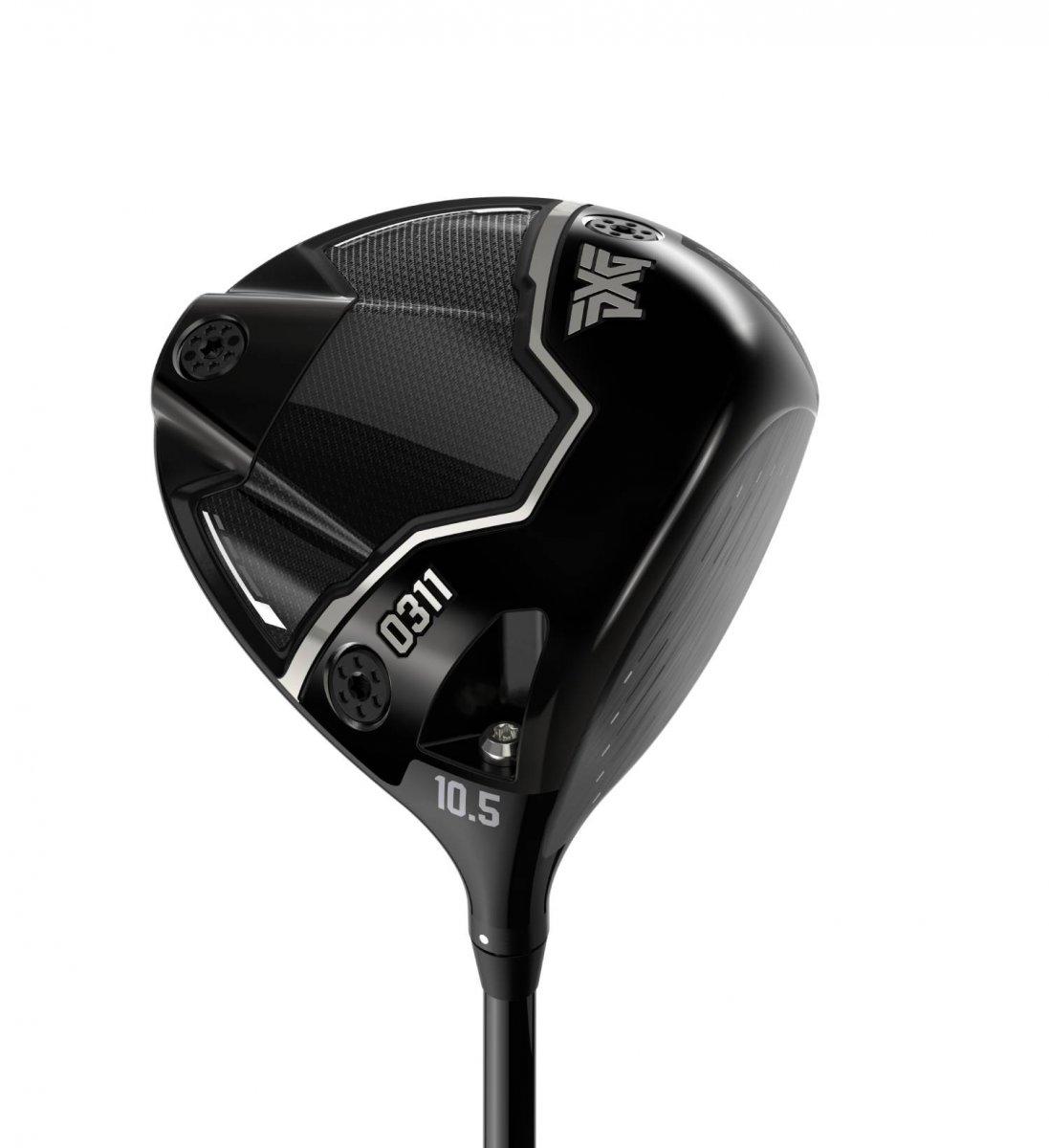
PXG
PXG 0311 Black Ops Driver
TaylorMade