
Callaway · Drivers Review
Callaway Elyte Triple Diamond Driver Review
The low-spin tour head that topped 2025's biggest driver test
Excellent
Tour Issue Score 9.1 · Ranked #9 of 65 in Drivers
Best for: Confident ball-strikers with adequate speed who want low spin, workability, and tour-validated accuracy
The Bottom Line
The low-spin tour head that topped 2025's biggest driver test. The Callaway Elyte Triple Diamond Driver scores 9.1 out of 10 in our research-based review, a excellent mark that puts it at #9 of 65 Drivers in our rankings. Its strongest fit: Confident ball-strikers with adequate speed who want low spin, workability, and tour-validated accuracy.
Full Review
The Short Version
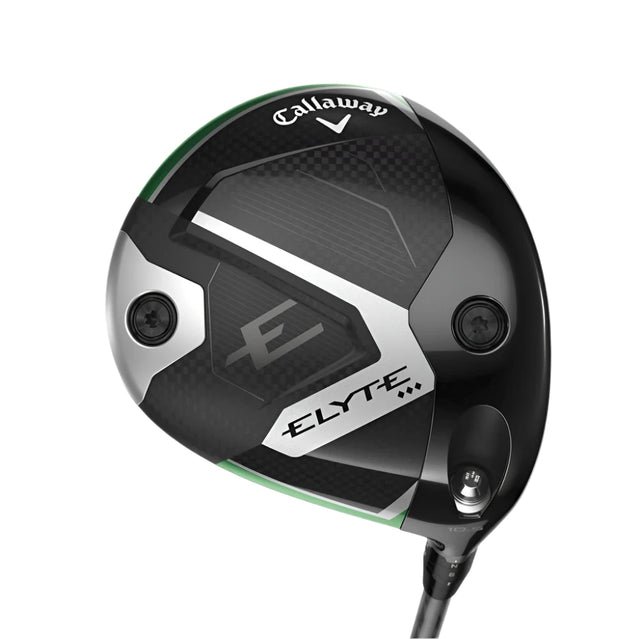
The Elyte Triple Diamond is Callaway's compact, low-spin tour head for 2025: 450cc, a gloss Thermoforged Carbon crown, a neutral-to-fade bias, and interchangeable front and rear weights. It is also, by the largest independent test of its year, simply the best driver of 2025. MyGolfSpy's Most Wanted testing placed it first of 37 drivers, a rare result for a low-spin head, because it paired top-tier distance and accuracy with forgiveness that finished in the upper half of the field rather than at the bottom.
Performance
The engine is the Ai 10x Face, which Callaway says uses ten times more control points than the Paradym Ai Smoke face to manage speed, spin, and dispersion across a wider area. In testing that translated into the combination low-spin heads usually fail to deliver: the Triple Diamond posted the lowest spin of the Elyte family while holding accuracy scores at the very top of the test, including a top-three straight-shot percentage. Its flight is penetrating and workable, with the fade bias better players prefer and the ability to flight the ball down. Weighting gives the player real agency: heavy weight forward for the lowest spin and flattest flight, heavy weight back for stability when the strike wanders. Reviewers at multiple outlets described fast ball speeds, a solid punch at impact, and tight dispersion even on slight mishits, and head-to-head testing against the previous year's most forgiving champion showed the Triple Diamond longer and more accurate, conceding only raw forgiveness.
Forgiveness
No 450cc low-spin head will match a Max model, and this one does not claim to. What surprised testers is how much forgiveness it retains: an upper-half forgiveness finish in the 37-driver test, tight distance dispersion front to back as well as side to side, and notably strong results at low and mid swing speeds, where it was the highest-rated driver for slower players in one analysis despite its better-player brief. Center strikes are rewarded fully, and heel and toe misses lose less speed than the compact shape suggests. Golfers who miss the center by wide margins every swing should still choose the standard Elyte or Elyte X.
Feel and Sound
Feel is firm, solid, and powerful in the way better players tend to describe approvingly, with a slightly firmer tone than the standard Elyte that reviewers associated with control. The look is classic Callaway tour: a compact footprint, a clean topline, the returning green accent colorway, and a gloss carbon crown. That gloss finish is the one aesthetic flashpoint; some testers loved the premium sheen while others preferred a matte crown, so it is worth seeing in person.
Value
At $649.99, fifty dollars above the standard Elyte models, the Triple Diamond is a flagship purchase with no discount story. Its value case rests on the test record: when the most comprehensive independent test of the year names a driver first overall, the premium is at least buying verified performance rather than promise. Premium stock shafts, including the Mitsubishi Tensei 1K Black and Aretera EC1 Blue, support the price. Golfers who do not need low spin will get equal satisfaction for less from the standard Elyte.
Who Should Buy It
Buy the Triple Diamond if you strike the ball confidently, generate enough speed to launch a lower-spinning head, and want to shape shots and control trajectory off the tee. It also suits the improving player whose spin is too high and whose miss is a hook rather than a slice. Slicers, low-speed players who need launch help, and anyone who wants maximum MOI should look at the Elyte X or a Max-class rival instead.
Verdict
The Elyte Triple Diamond is the rare tour head that the data likes as much as tour players do: low spin, elite accuracy, and more forgiveness than its category promises. For the golfer it fits, it was the driver to beat in 2025. This is a research-based review synthesized from published reviews, independent test data, and manufacturer specifications; no personal testing was conducted.
What We Like
- Finished first overall in MyGolfSpy's 2025 Most Wanted driver test, ranking top-three for both distance and accuracy
- Ai 10x Face with ten times more control points than the prior generation tightens dispersion across the face
- Interchangeable front and rear weights let players choose low spin (heavy forward) or added stability (heavy back)
- Thermoforged Carbon crown and refined aerodynamic shaping support fast head speed with a penetrating flight
- Surprisingly playable across swing speeds in independent testing, not just for tour-speed players
What to Consider
- Compact 450cc head and fade bias offer the least help in the Elyte line for golfers who slice
- Gloss crown divides opinion; some testers preferred the matte look of the standard Elyte
- Premium $649.99 pricing, $50 above the rest of the Elyte driver family
- Lower launch demands adequate swing speed or a loft-up fitting to maximize carry
Specifications
| Head Size | 450cc |
|---|---|
| Lofts | 8, 9, and 10.5 degrees, adjustable hosel |
| Key Tech | Ai 10x Face, Thermoforged Carbon crown, refined aerodynamic shaping for Elyte speed |
| Adjustability | Interchangeable front and rear weights (stability back, low spin forward); adjustable hosel |
| Stock Shaft | Aretera EC1 Blue, Mitsubishi Tensei 1K Black, True Temper Denali Charcoal; Golf Pride Tour Velvet 360 grip |
| Length | 45.75 inches |
Score Breakdown
Scores are research-based, drawn from manufacturer specs, tour adoption, and published independent test data. How we score
More Drivers Reviews
All Drivers →
Callaway
Callaway Quantum Max Driver
Callaway
Callaway Quantum Triple Diamond Max Driver
PING
PING G440 K Driver
TaylorMade
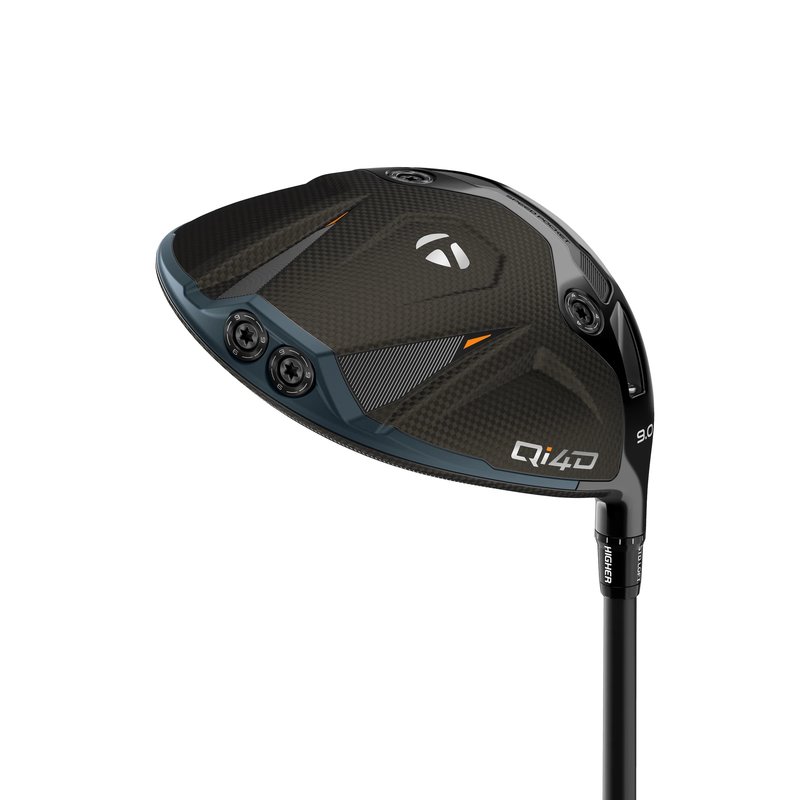
TaylorMade Qi4D LS Driver
Mizuno
Mizuno JPX ONE Hybrid
PING
PING G430 MAX 10K Driver
PXG
PXG 0311 Black Ops Driver
TaylorMade